
How Do Brazil Steel Mills Use Coil Wrapping Machines for Safe Steel Coil Packaging?
Steel coil packaging can be a headache. It is often slow, risky, and wastes money. Many factories, especially in places like Brazil, struggle with old methods. These methods cause injuries and damage valuable products. This problem hurts profits and keeps your factory from growing. You cannot afford downtime or unhappy customers. There is a better way. Modern coil wrapping machines can change your entire operation.
Brazil steel mills greatly improve safety and efficiency by using advanced coil wrapping machines. These machines reduce manual handling of heavy steel coils, lower the risk of worker injuries, and prevent product damage during transport and storage. They also speed up packaging lines and ensure consistent, high-quality wraps.
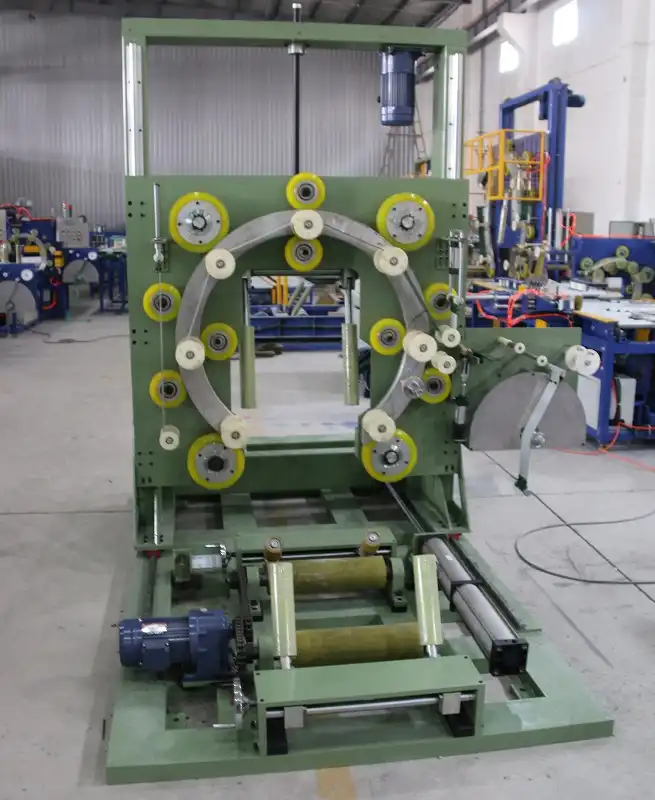
My journey in the packing machine industry has shown me these challenges firsthand. I have seen how factories can transform with the right equipment and knowledge. We will now look closer at these points. We will see how these machines solve real problems for businesses like yours.
1. What Safety Challenges Do Brazilian Steel Mills Face in Coil Packaging?
Imagine your factory floor. Heavy steel coils move around. Workers struggle to pack them by hand. This scene is common in many steel mills, including those in Brazil. This manual work creates big safety risks. These risks lead to serious injuries. They cause high insurance costs and employee turnover. Product damage also happens often, leading to customer complaints and lost money. We must understand these specific challenges. Only then can we find the best solutions for a safer and more efficient future.
Brazilian steel mills often face significant safety challenges in coil packaging, including a high risk of musculoskeletal injuries from manual lifting and maneuvering of heavy coils. Workers are also exposed to pinch points and crushing hazards during traditional wrapping methods. This leads to frequent accidents and increased operational costs.

Brazil’s heavy industry, like its metal processing plants, relies on strong workers. But this strength comes with real dangers. When coils, often weighing several tons, need packaging, human hands are usually too close. My own experience in factories has shown me the heavy toll manual handling takes. Workers lift, push, and turn these massive items. This work causes many problems. Sprains, strains, and even crushed limbs are common. These injuries do not just hurt the worker. They also slow down the whole production line. A skilled worker might be out for weeks. This means less output. It also means finding and training new staff. These are high costs for any business.
Besides injuries, manual methods often damage the product itself. Steel coil edges can get dinged. Surfaces can get scratched. This happens when workers struggle with the wrap. It also happens when they use forklifts to hold coils during packing. These small damages become big problems. They lead to customer complaints. They also mean lost profits for the mill. I have seen clients lose sales because of poor product condition. This is a direct result of unsafe, inefficient packaging. The financial impact extends beyond medical bills. It affects productivity, morale, and a company’s reputation. It creates a cycle of problems that can be hard to break. These safety challenges are not just about human well-being. They are also about the health of the business.
Here is a summary of common risks:
| Risk Type | Description | Impact on Mill |
|---|---|---|
| Worker Injuries | Musculoskeletal disorders, crushing injuries, cuts, repetitive strain | High insurance costs, lost workdays, low morale, lawsuits |
| Product Damage | Dings, scratches, unraveled coils, rust due to poor wrap | Customer complaints, returns, profit loss, brand damage |
| Operational Delays | Slow manual processes, downtime due to accidents, re-packaging | Reduced throughput, missed deadlines, increased labor costs |
| High Labor Costs | Need for multiple workers, overtime, training for new staff | Increased overhead, reduced competitiveness |
2. How Do Coil Wrapping Machines Fundamentally Improve Packaging Safety?
Manual coil packaging is dangerous. It puts workers at risk every day. This creates a huge burden for steel mills. This ongoing risk means constant worry about accidents. It also means high costs. Your team deserves a safer workplace. Your business needs a more reliable operation. Coil wrapping machines provide a clear path to safety. They remove human hands from dangerous tasks.
Coil wrapping machines fundamentally improve packaging safety by automating the entire wrapping process. This automation removes workers from direct contact with heavy, moving steel coils, drastically reducing the risk of injuries from lifting, crushing, or repetitive strain. The machines secure coils quickly and consistently, making the packed products safer to handle and transport.
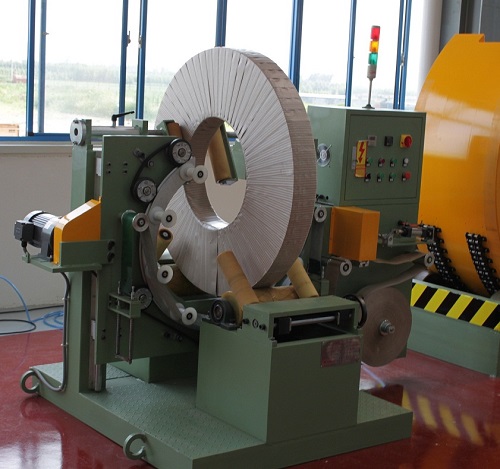
I have always believed in the power of good engineering to solve real-world problems. Coil wrapping machines are a perfect example. They take the human element out of the most dangerous parts of coil packaging. Think about a worker trying to wrap a 10-ton steel coil by hand. It is slow, hard, and extremely dangerous. A machine does this work without effort. It handles the heavy lifting and rotating. This means workers do not need to be near the moving coil. This greatly reduces risks of crushing or impact injuries. My years in the packing machine industry taught me that safety is not just a policy. It is about practical solutions that protect people.
Modern coil wrapping machines also ensure a much more consistent and secure wrap. A well-wrapped coil is stable. It is less likely to unroll during transport or storage. This prevents accidents when coils are moved or stacked. Machines apply film with precise tension and overlap. This protects the coil’s edges and surfaces much better than manual wrapping. This also means less chance of product damage. When packaging is reliable, workers handle safer loads. The machines themselves also include many safety features. These features are things like emergency stop buttons, safety light curtains, and automatic error detection. These systems stop the machine if anything goes wrong. This keeps workers safe. It prevents accidents before they happen. This shift to automation means a truly safer environment for everyone in the Brazilian steel mills.
3. How Do Brazilian Steel Mills Achieve Dual Optimization of Efficiency and Cost Through Automated Packaging?
Many steel mills in Brazil face a tough choice. They can either keep slow, costly manual packaging or invest in new equipment. Old methods waste time and money. They slow down the whole production line. This inefficiency means lost output and higher labor costs. It cuts into your profits. You need to produce more for less. Automated coil wrapping is the answer. It boosts speed and cuts expenses at the same time.
Brazilian steel mills achieve dual optimization of efficiency and cost through automated coil packaging by significantly speeding up the wrapping process, reducing labor requirements, and minimizing material waste. Automation ensures continuous operation, lowers operational costs per coil, and reduces product damage, leading to higher overall throughput and increased profitability.

When I started my own packing machine factory, I learned that efficiency is king. Every minute saved, every dollar not wasted, adds directly to the bottom line. Automated coil wrapping machines are excellent at this. They can wrap a coil in minutes. Manual methods often take much longer. This speed increase means more coils get packed per hour. It removes bottlenecks at the end of the production line. This lets the entire factory run faster. Brazilian steel mills can then produce more. They can meet more orders. This directly boosts their revenue.
Beyond speed, automated systems dramatically cut labor costs. Instead of several workers manually wrapping coils, one operator can oversee multiple machines. This reduction in workforce means lower wage expenses. It means fewer benefits to pay. My clients have seen significant savings here. Also, machines use wrapping materials much more efficiently. They apply film with exact precision. This reduces waste compared to manual wrapping, where film can be unevenly applied or torn. This saves on material costs. Less product damage also plays a big role in cost saving. When coils are wrapped well, they do not get scratched or dented. This reduces returns from customers. It also reduces the need for costly re-packaging or product disposal. All these factors combine to create a strong return on investment (ROI) for automated packaging solutions. It is a clear path to both lower costs and higher output.
The ROI of Automated Coil Packaging
Investing in a coil wrapping machine offers clear financial benefits. Let us look at a simple example:
| Factor | Manual Packaging (Estimated Annual) | Automated Packaging (Estimated Annual) | Annual Savings |
|---|---|---|---|
| Labor Costs | $150,000 (3 workers x $50k) | $50,000 (1 operator x $50k) | $100,000 |
| Material Waste | $30,000 (15% waste) | $10,000 (5% waste) | $20,000 |
| Product Damage Loss | $50,000 (2% of production value) | $10,000 (0.4% of production value) | $40,000 |
| Increased Throughput | N/A | $80,000 (5% more production value) | $80,000 |
| Total Annual Benefits | $240,000 |
Note: Machine purchase cost (e.g., $150,000 – $300,000) would be recovered quickly based on these savings, often within 1-2 years. These numbers are examples for illustration only.
This table shows how a machine quickly pays for itself. It keeps saving money year after year. This helps Brazilian steel mills grow stronger.
4. What Should Be Considered When Choosing the Right Coil Wrapping Machine Supplier?
You know automation is key. But buying a complex machine is not simple. Many suppliers just want to sell you something. They do not care about your long-term success. Choosing the wrong partner can be costly. You might end up with unreliable equipment or poor support. This means more downtime and frustration. Finding the right supplier is critical. You need a partner who understands your needs and supports you. This is where my experience can guide you.
When choosing a coil wrapping machine supplier, Brazilian steel mills must prioritize proven machine reliability, comprehensive after-sales support, and the supplier’s deep understanding of specific packaging needs. It is crucial to look for partners who offer customization options, provide clear ROI projections, and have a track record of successful installations in heavy industries, ensuring long-term operational success.

I have lived through the challenges of running a factory. I know that unreliable equipment is a nightmare. It stops production. It costs money. It frustrates everyone. So, when you choose a supplier for a coil wrapping machine, reliability must be number one. The machine must be built strong. It must stand up to the tough environment of a steel mill. Ask about the materials used. Ask about the design for heavy loads. My company, FHOPEPACK, prides itself on building machines that last. We understand that downtime is your biggest enemy.
Another vital factor is after-sales support. I have dealt with suppliers who only care about the sale. Once the machine is delivered, they disappear. This is not how a partnership works. You need a supplier who offers full support. This means help with installation. It means training for your team. It means quick access to spare parts. It also means ongoing maintenance advice. A good partner will be there for you long after the purchase. This support ensures your machine runs well for years. It protects your investment.
Key Factors for Supplier Selection
When you are looking for a packaging partner, consider these points:
- Machine Durability: Does the machine use heavy-duty components? Can it withstand dust, heat, and continuous operation in a steel mill?
- Customization Options: Can the supplier tailor the machine to your specific coil sizes, weights, and production line layout? One size does not fit all.
- Technical Expertise: Does the supplier understand the steel industry? Do they know your specific packaging challenges? I built my own factory. I know what these challenges are.
- After-Sales Service: What kind of support do they offer? This includes installation, training, spare parts availability, and technical help. Do they have local service options or a quick response system?
- Track Record: Look at their past projects. Have they successfully installed similar machines in other heavy industries or steel mills? Ask for references.
- Clear ROI: Can the supplier help you calculate the return on your investment? They should be able to show how their solution saves you money and boosts production.
Choosing the right supplier is about more than just buying a machine. It is about forming a long-term partnership. This partner should understand your business. They should provide reliable solutions. They should support your growth. This is the FHOPEPACK promise.
Conclusion
Automated coil wrapping machines are vital for Brazil’s steel mills. They offer safety, efficiency, and cost savings. Choosing the right partner ensures your success.








