
How Can You Solve Efficiency Bottlenecks and Safety Risks in Steel Coil and Wire Packaging?
Do you often see your production line grind to a halt at the packaging stage? Is manual handling of heavy steel coils and wires causing constant safety worries for your team? You are not alone. Many factory managers face these exact problems every day. These issues directly impact your output, increase costs, and put your workers at risk.
The best way to solve efficiency bottlenecks and safety risks in steel coil and wire packaging is to adopt automated solutions. These systems reduce reliance on manual labor, speed up the packaging process, and protect your products. This approach creates a safer, more productive, and more profitable operation.

I understand these challenges deeply. I have seen them firsthand in many factories. My journey in the packing machine industry has taught me valuable lessons. I started as an employee. Then, I built my own successful packing machine factory. This experience helped me and my clients grow their businesses. Now, I want to share my insights with you. Let’s look closer at why traditional methods fail and how automation can change things for the better.
Why Do Traditional Steel Coil and Wire Packaging Slow Down Your Production Line?
Are your current steel coil and wire packaging methods a drag on your entire operation? Is slow, manual work stopping you from meeting your delivery targets? This old way of doing things creates many problems. It impacts not only your speed but also your workers’ safety and product quality.
Traditional steel coil and wire packaging methods slow down production because they rely heavily on manual labor. This leads to slow processing times, high rates of human error, and significant safety hazards. It often causes bottlenecks at the end of the production line.

Traditional packaging processes for steel coils and wires often create severe bottlenecks. They mostly depend on people doing heavy, repetitive tasks. This makes the whole process very slow. Think about how long it takes to wrap a large steel coil by hand. Or imagine workers physically moving heavy wire bundles. This manual approach cannot keep up with high-speed production lines. It becomes a choke point. This means your expensive machinery upstream waits for the packaging area to clear. This lowers your overall factory output. It also increases your operational costs because you pay for downtime.
Beyond speed, safety is a huge problem. Manually lifting, turning, or securing heavy coils and wires puts workers at high risk. They can suffer from back injuries, crushed limbs, or other severe accidents. These injuries lead to high medical costs, increased insurance premiums, and lost workdays. Employee turnover also goes up because people do not want to do such dangerous work. This creates a cycle of constant training for new staff. It affects your team’s morale and productivity. As someone who built a factory from the ground up, I learned that a safe workplace is a productive workplace. Investing in safety is not an expense; it is an investment in your people and your future.
Product damage is another hidden cost. When workers manually handle coils or wires, edges can get bent. Surfaces can get scratched. These damages often happen during transport inside the factory or during the final packing. Even small damages can lead to customer complaints. This results in returns, rework, or price reductions. All these things eat into your profits. You work hard to make quality products. Then, they get damaged at the very last step. This is frustrating and costly.
Finally, relying on human labor introduces inconsistency. Each worker might do things a bit differently. This leads to variations in how products are packed. Some might be wrapped tighter than others. Some might have better protection. This lack of uniformity can affect product safety during transit. It can also impact how your brand is perceived by customers. Automated systems remove this variability. They ensure every product is packed the same way, every time. This consistency improves product safety and customer satisfaction.
Here is a look at common problems with traditional packaging:
| Problem Type | Specific Issue | Impact on Business |
|---|---|---|
| Efficiency | Slow manual wrapping and handling | Production bottlenecks, missed deadlines, high labor costs |
| Safety | Heavy lifting, repetitive strain, crushing risk | Worker injuries, high insurance, staff turnover |
| Quality | Product damage during handling | Customer complaints, returns, profit loss |
| Consistency | Varying packaging quality by different workers | Inconsistent product protection, brand reputation risk |
How Can Automated Packaging Equipment Be Key to Boosting Efficiency and Safety?
Are you tired of packaging processes holding back your entire production? Do you want to protect your workers and your products better? Manual methods simply cannot keep up with modern demands. It is time to look at solutions that truly make a difference.
Automated packaging equipment is key to boosting efficiency and safety by eliminating manual labor for heavy and repetitive tasks. It speeds up the packaging process, ensures consistent quality, and drastically reduces the risk of workplace injuries. This makes your operation faster, safer, and more reliable.
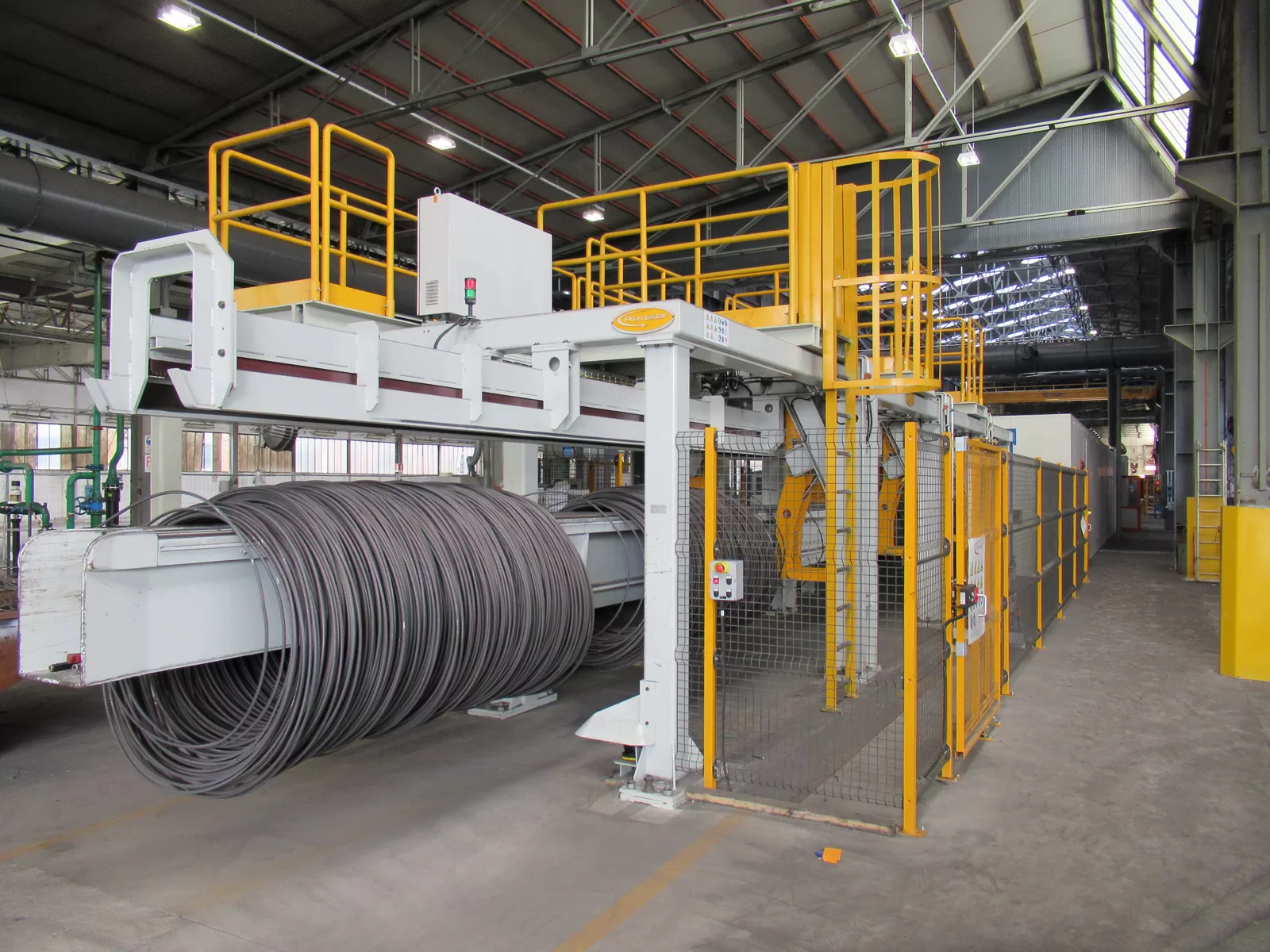
Automated packaging equipment transforms the way steel coils and wires are prepared for shipment. Its primary benefit is speed. Machines can wrap coils or bundles much faster than any human. They work non-stop, without breaks or fatigue. This means your packaging process becomes a smooth flow. It no longer acts as a bottleneck. Imagine a machine automatically applying multiple layers of protective film in minutes. A worker would take far longer to do the same task. This speed directly translates into higher throughput for your factory. You can process more products in the same amount of time. This helps you meet tighter deadlines and handle larger orders with ease.
Safety improvements are significant. Automated systems take over dangerous tasks. They handle the heavy lifting, turning, and wrapping of massive coils. Workers move away from direct contact with heavy loads. This dramatically reduces the risk of accidents. No more strains, sprains, or crushed limbs. A safer workplace means fewer injuries, lower insurance costs, and happier employees. When I started my own packing machine factory, I made worker safety a top priority. I saw how much it improved morale and productivity. Employees feel valued. They are more committed. This creates a positive work environment.
Automated equipment also enhances product quality and reduces damage. These machines apply packaging materials with precision and consistency. They wrap coils tightly and evenly. This creates a secure package. This tight wrap protects against damage during internal transfer and external shipping. You will see fewer scratched surfaces or bent edges. This means fewer customer complaints. It results in more satisfied clients. Your product arrives in perfect condition. This builds trust in your brand. It saves you money on returns and rework.
Furthermore, automation provides consistent quality. Every coil or wire bundle is wrapped to the exact same specifications. This uniformity ensures optimal protection for every product. It also gives your packaging a professional look. This consistency helps you meet industry standards. It also improves your brand image. This reliability is something you cannot easily achieve with manual methods. It offers a level of control and predictability that is vital for large-scale operations.
Here is how automation helps solve key challenges:
| Challenge Solved | Automated Solution | Specific Benefits |
|---|---|---|
| Efficiency | High-speed wrapping, continuous operation | Increased throughput, reduced labor time, faster delivery |
| Safety | Robotic handling, reduced manual intervention | Fewer worker injuries, lower insurance costs, improved morale |
| Product Damage | Precise wrapping, consistent material application | Less product damage, fewer customer complaints, cost savings |
| Consistency | Standardized processes, repeatable results | Uniform packaging quality, compliance, stronger brand image |
How Can You Ensure High Returns on Your Automated Packaging Investment?
Are you considering investing in automated packaging but worried about the cost? Is the idea of a big upfront investment making you hesitant? You want to make sure your money truly brings value back to your business. This is a common and valid concern for any factory manager.
To ensure high returns on your automated packaging investment, focus on partnering with an expert supplier, clearly calculating your Return on Investment (ROI) by considering long-term savings, and choosing equipment that matches your specific production needs. This careful approach turns an expense into a strategic growth driver.
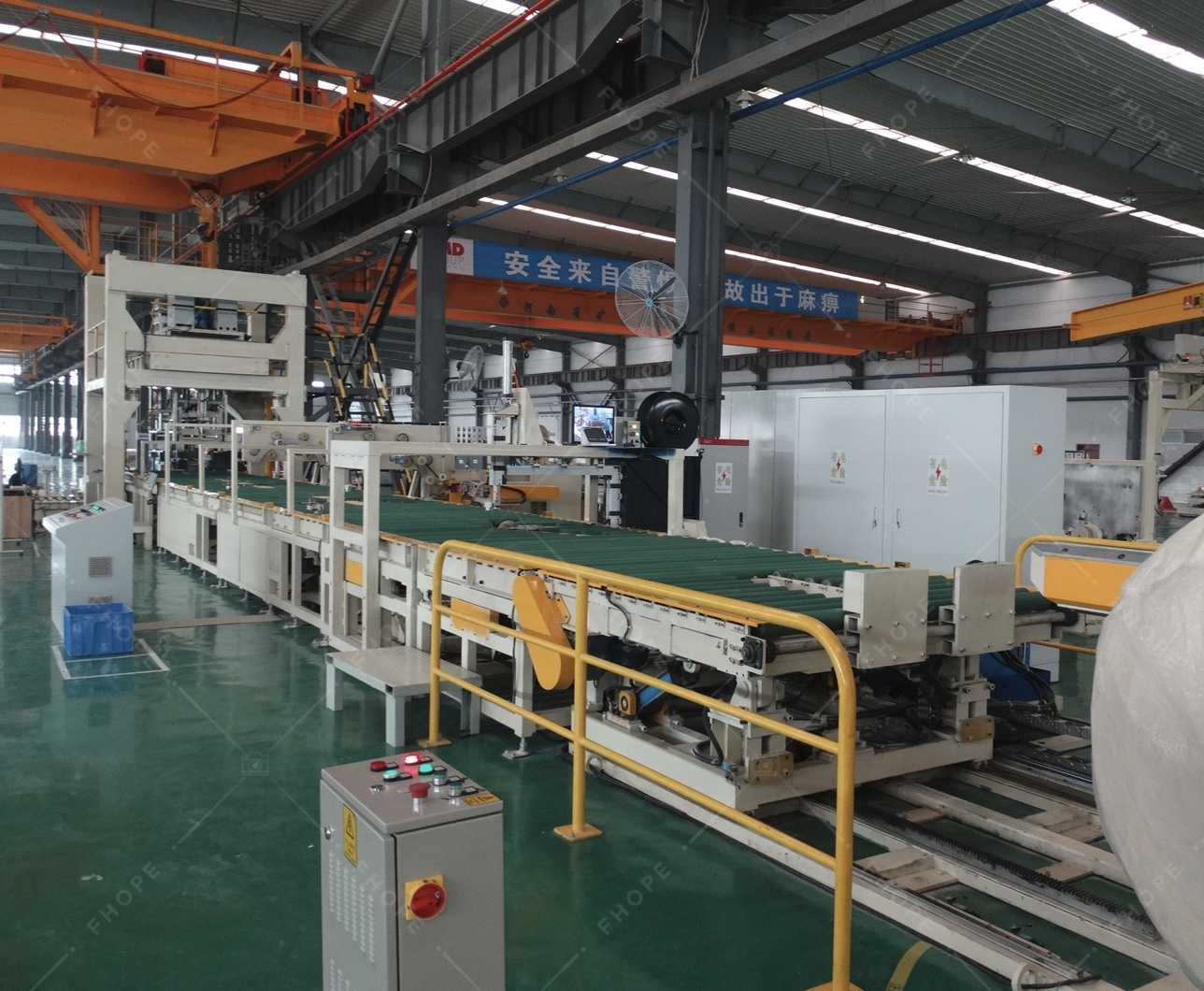
Making a smart investment in automated packaging is crucial. It is not just about buying a machine. It is about solving real problems and driving growth. The first step is to calculate your Return on Investment (ROI) accurately. Do not just look at the machine’s price. Think about all the costs it will reduce. Consider the savings from lower labor costs. Think about fewer product damages. Account for reduced insurance premiums due to better safety. Factor in the increased production capacity. This will let you take on more orders. These combined savings and gains add up quickly. They often justify the initial cost far faster than you might expect. For example, if you reduce just one major injury a year, the savings can be huge. If you prevent even a small percentage of product damage, your profit margin will improve. I have helped many clients understand this. They often see the investment pay for itself in just a few years.
Choosing the right partner is critical. Many suppliers just want to sell you a machine. They do not care about your specific factory problems. You need a supplier who understands your production bottlenecks, your safety concerns, and your efficiency challenges. They should offer professional insights. They should provide reliable solutions. This means looking for a company with deep industry knowledge. They should have a track record of successful installations. My own journey from an employee to owning FHOPEPACK taught me the importance of being a true partner. I learned that helping clients succeed directly builds trust and long-term relationships. I understand the pressures of managing a factory. I know what it takes to make equipment work in a tough environment. This experience lets me connect with clients on a deeper level.
You also need to choose equipment that fits your specific needs. Not every machine is right for every factory. Think about the size of your coils or wires. Consider your required production speed. Look at the space you have available. A good supplier will help you assess these factors. They will recommend the right machine. They will not just try to sell you the most expensive one. They will also provide excellent after-sales service. This includes installation, training, and ongoing support. A machine is only valuable if it works well consistently. Reliable support ensures your investment continues to deliver results for many years. This is part of the FHOPEPACK mission: to share knowledge and ensure our clients make the best choices for their unique operations.
Here are key steps to ensure a high ROI:
| Strategy | Action | Benefit |
|---|---|---|
| Accurate ROI Calculation | Quantify savings from labor, damage, safety, and increased output. | Clear financial justification, faster payback period. |
| Partner Selection | Choose a supplier with industry expertise and proven track record. | Get tailored solutions, reliable support, and expert guidance. |
| Needs-Based Equipment Choice | Match machine capabilities to specific production volume, product size, and space. | Optimal performance, avoid over- or under-investing. |
| After-Sales Support | Ensure supplier offers strong installation, training, and maintenance. | Maximize uptime, extend equipment lifespan, protect investment. |
My personal insight here is that when I first started FHOPEPACK, I focused heavily on building machines that were not just fast, but also incredibly durable. I knew from my time on the factory floor that downtime was a killer. A machine that breaks down constantly, no matter how cheap it was initially, quickly becomes the most expensive piece of equipment you own. That’s why I always tell my clients to look for robust design and quality components. It’s the difference between a short-term fix and a long-term solution that actually grows your business.
Conclusion
Automated packaging for steel coils and wires directly boosts efficiency, safety, and profits. Invest wisely, partner with experts, and choose solutions that truly transform your factory.








