
How can pallet inverters reduce costs in cigarette factories’ bulk pallet exchange?
Running a busy warehouse, especially in a sector like cigarette manufacturing, presents unique challenges. You are always balancing speed, safety, and cost. If you find yourself frequently dealing with different pallet types, high labor costs, and the constant risk of damaged goods or worker injury, then you are not alone. Many businesses struggle with these exact issues, and they significantly cut into your profits.
Pallet inverters can greatly reduce costs in cigarette factories’ bulk pallet exchange by automating the handling of diverse pallet types, cutting labor expenses, minimizing product damage, improving workplace safety, and speeding up operations. This shift from manual to mechanized processes directly translates into significant financial savings and operational efficiency.

The path to a more efficient and profitable warehouse often starts with looking at your most problematic processes. For many, bulk pallet exchange is a key area where small improvements can lead to big savings. Let us look at how integrating smart packing machine technology can transform these operations.
How do pallet inverters streamline bulk pallet exchange operations?
Managing thousands of pallets daily, especially in a high-volume business like a cigarette factory, demands extreme efficiency. Manual pallet exchange is slow, physically demanding, and often creates bottlenecks in the workflow. This directly impacts your bottom line. I have seen firsthand how much time and money companies lose when they stick to old ways of doing things.
Pallet inverters streamline bulk pallet exchange operations by automating the entire process. This removes the need for manual labor to lift and turn heavy pallets, greatly speeding up throughput and reducing the time each pallet spends in transition. It helps factories manage high volumes of goods much more easily.
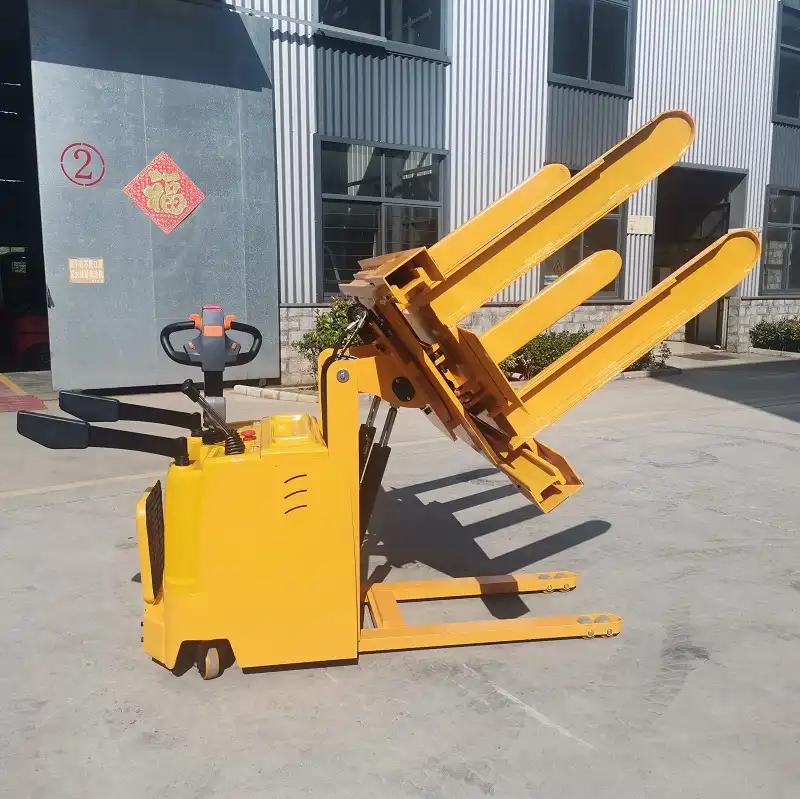
When I started my journey in the packing machine industry, I saw many factories struggling with manual tasks. They needed better solutions. A pallet inverter is a game changer for bulk operations because it takes a task that could take several workers many minutes and completes it in seconds with just one operator. This means goods move through the warehouse faster. It also reduces the need for constant supervision and coordination that manual work requires. This makes the entire operation smoother and more predictable. It helps you meet tight delivery schedules without stress.
-
Increasing Operational Speed and Throughput
Improving the speed of pallet exchange is crucial in a cigarette factory. Such factories handle a large volume of products that need to move quickly from production to shipping. Pallet inverters perform pallet swaps much faster than human workers. A manual exchange might take several minutes per pallet, involving multiple steps and people. A machine can do it in under a minute. This speed increase is significant when you are dealing with hundreds or thousands of pallets each day. It means products get out the door faster. It also reduces bottlenecks at the shipping dock. This higher throughput helps meet customer demands for quick delivery. It also allows the factory to handle more orders without expanding its physical space.
-
Reducing Labor Dependence and Costs
Labor costs are a major expense for any business. Finding enough workers willing to do the physically demanding job of manually exchanging pallets is also hard. Pallet inverters significantly cut down on the need for manual labor in this area. Instead of two or three workers wrestling with heavy pallets, one operator can manage the machine. This means you can assign staff to other, more skilled tasks. It lowers your overall payroll costs. It also makes your operations less sensitive to labor shortages. This helps create a more stable and cost-effective workforce. Over time, the savings from reduced labor can easily justify the initial investment in the equipment.
-
Optimizing Workflow and Space Utilization
A well-designed pallet exchange process can improve the overall flow of goods in a warehouse. Pallet inverters fit well into automated systems. They can connect directly with conveyors and other material handling equipment. This creates a continuous, unbroken workflow. It reduces idle time for products. It also uses warehouse space more efficiently. Manual pallet exchange often requires open areas for maneuvering and worker safety. A machine can operate in a more confined space. This allows you to use your warehouse layout better. It makes sure every square meter is working for you. This optimization helps keep your operations lean and tidy, which is crucial for safety and efficiency.
Can pallet inverters truly improve safety and reduce product damage?
Safety is always a top priority in any warehouse. When you are dealing with high-value goods like cigarettes, and heavy loads on pallets, the risks only grow. Manual pallet exchange is one of the most dangerous tasks in a warehouse. Workers lift, pull, and push heavy items. This leads to back injuries, crushed limbs, and other accidents. I remember seeing a worker badly hurt trying to manually flip a pallet. It made me realize the real human cost of inefficient processes. Beyond human safety, the risk of damaging products during these manual transfers is also high, leading to significant financial losses.
Pallet inverters truly improve safety and reduce product damage by removing human interaction from the heavy lifting and turning of pallets. They perform these tasks in a controlled and stable manner, preventing goods from tipping or falling. This significantly lowers the risk of worker injuries and protects valuable cargo like cigarettes from damage.

When I talk about safety, it is not just about avoiding big accidents. It is also about preventing small, daily injuries that add up over time. These can lead to lost workdays and higher insurance premiums. A pallet inverter handles the entire exchange process with mechanical precision. This eliminates the need for workers to physically interact with the pallets during the most risky parts of the process. It keeps them safe and away from potential hazards. For delicate products such as cigarettes, this controlled movement is vital. It prevents crushing, tearing, or other damage that can make products unsellable. The reduction in damage alone can often pay for the machine over time.
-
Eliminating Manual Handling Risks
Manual handling of pallets is a leading cause of workplace injuries. Workers can suffer muscle strains, sprains, and even more severe trauma from lifting or moving heavy pallets. In a cigarette factory, pallets can be heavy and awkwardly shaped. This makes manual handling even riskier. Pallet inverters remove workers from this hazardous activity. The machine does all the heavy lifting and turning. This means fewer worker compensation claims. It also leads to a healthier and happier workforce. When employees feel safe, they are more productive and committed. This positive work environment directly contributes to the overall success of the business.
-
Protecting Product Integrity and Reducing Spoilage
Cigarettes are a sensitive product. They can be easily damaged by rough handling. A single damaged carton can reduce profitability. Damaged goods also affect customer trust. Manual pallet transfers often involve sudden movements or drops. These can damage the product or the packaging. Pallet inverters operate with smooth, controlled movements. They gently secure the load during the exchange. This greatly reduces the chance of damage. It ensures that products arrive at their destination in perfect condition. This means fewer returns, less waste, and better customer satisfaction. The financial impact of reducing spoilage is substantial, especially with high-value items.
-
Complying with Safety Regulations and Insurance Benefits
Workplace safety regulations are becoming stricter everywhere. Companies must show they are taking steps to protect their employees. Investing in a pallet inverter shows a commitment to safety. It helps meet these regulatory requirements. This can prevent hefty fines and legal issues. Furthermore, a safer workplace often leads to lower insurance premiums. Insurance companies see fewer risks. This directly saves the company money each year. The peace of mind that comes from knowing you have reduced significant risks is also invaluable. It allows managers to focus on growth rather than on accident prevention.
How do pallet inverters handle diverse pallet specifications in bulk?
One of the biggest headaches for a logistics manager like Carlos, especially in international trade, is dealing with different pallet types. European standard pallets, American standard pallets, and plastic pallets all have different sizes and structures. Manually switching between these types in bulk is a slow, complex, and error-prone process. It creates bottlenecks and can lead to costly delays. I have advised many clients who struggled with this exact problem. They needed a way to handle this diversity without slowing down their entire operation.
Pallet inverters handle diverse pallet specifications in bulk by offering adjustable clamping and turning mechanisms. These machines can safely secure and invert a wide range of pallet sizes and types, from Euro to US standard and plastic. This allows for quick, seamless transitions between different pallet requirements without manual effort or special tooling for each type.

The ability to adapt quickly is key in today’s fast-paced supply chains. Imagine a cigarette factory exporting to both Europe and the US. They need to switch between Euro and US pallets constantly. Manual operations mean stopping, re-stacking, and sometimes even re-packing. This wastes time and labor. A good pallet inverter simplifies this. It has settings that can adjust to different pallet sizes. This means you do not need different machines or complex manual adjustments. It keeps the flow of goods smooth. This adaptability is not just convenient. It is essential for staying competitive in a global market. It lets you meet diverse client needs without added operational complexity.
-
Seamless Transition Between Pallet Types
The need to switch between different pallet types is a common challenge for international businesses. Euro pallets are common in Europe, while US standard pallets are prevalent in North America. Many businesses also use plastic pallets for hygiene or specific handling needs. A manual system struggles with these changes. It requires careful handling, often by different teams. Pallet inverters are built to handle this variety. Many models have adjustable platforms or clamps. These can accommodate various dimensions. This means you can quickly swap out pallets without major interruptions. This flexibility is vital for businesses shipping to multiple regions. It ensures compliance with different national and international standards. This also reduces the risk of fines or rejected shipments due to incorrect pallet use.
-
Maintaining Product Quality During Swaps
Switching pallets, especially when dealing with high stacks of sensitive products like cigarettes, requires precision. Poor handling during a swap can lead to boxes shifting, products being crushed, or packaging becoming damaged. This is a risk with manual methods. Pallet inverters hold the entire load securely during the exchange process. They apply even pressure. This prevents any movement or shifting of the product stack. The machine performs the rotation smoothly and consistently. This protects the integrity of the cigarettes. It ensures they remain in their original condition. This high level of care reduces product loss and maintains brand reputation.
-
Adapting to Future Pallet Innovations
The logistics world is always changing. New pallet materials and designs might become standard in the future. Investing in a versatile pallet inverter prepares your factory for these changes. Machines with adjustable settings can often adapt to new pallet types without needing full replacement. This future-proofs your investment. It means your operations can stay agile. You will not face costly re-investments every time a new industry standard emerges. This strategic thinking about equipment choices helps you save money in the long run. It also keeps your factory at the forefront of packaging technology.
What long-term savings do pallet inverters offer to cigarette factories?
When considering any large investment for a factory, the initial cost is only one part of the picture. The real question is about long-term value and return on investment (ROI). For a logistics manager like Carlos, who is always looking for a long-term partner, understanding the ongoing benefits is critical. Pallet inverters offer more than just immediate operational gains. They provide a foundation for sustained cost reduction and improved profitability over many years. My experience taught me that the best machines are those that keep giving back long after the purchase.
Pallet inverters offer long-term savings to cigarette factories through reduced operational expenses, lower maintenance needs, extended equipment lifespan, and improved overall efficiency. These machines contribute to a healthier bottom line by decreasing labor costs, minimizing product waste, and creating a safer, more sustainable working environment for years.
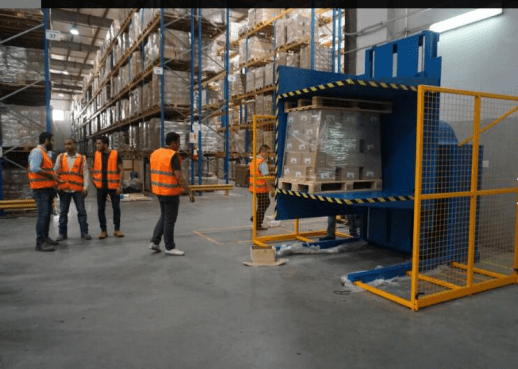
I built FHOPEPACK on the principle that good machinery is an investment, not just an expense. This applies perfectly to pallet inverters. They are built to last and to perform consistently in demanding environments. This reliability means less downtime for repairs and maintenance. It means you can plan your operations with confidence. Over time, the accumulated savings from lower labor costs, fewer damaged goods, and reduced insurance premiums become very substantial. It is about creating a lean, efficient operation that runs smoothly year after year. This allows businesses to grow and focus on core activities, knowing their material handling is taken care of.
-
Reduced Total Cost of Ownership (TCO)
The total cost of ownership goes beyond the purchase price of a pallet inverter. It includes operating costs, maintenance, and the impact on other areas of the business. Pallet inverters, while an initial investment, often have a lower TCO than continued manual pallet exchange. This is because they use less power than many other heavy machines. They also require less human intervention. Their durable construction means fewer breakdowns. This reduces repair costs and extends the machine’s life. Considering all these factors, the long-term cost of running an automated system is significantly less than maintaining a risky, inefficient manual process. This makes the inverter a smart financial decision for sustained operations.
-
Extending Equipment Lifespan and Reducing Maintenance
A key aspect of long-term savings comes from the durability and design of quality pallet inverters. These machines are engineered for continuous operation in tough industrial settings. They use robust components. This reduces the frequency of wear and tear. Regular, preventive maintenance is straightforward. This helps extend the machine’s operational life well beyond what many might expect. Less frequent breakdowns mean less money spent on spare parts and technician visits. It also means less disruption to your production schedule. This reliability is a major long-term cost saver. It ensures consistent performance without unexpected expenses.
-
Strategic Advantage and Future Growth
Investing in modern pallet exchange technology gives a cigarette factory a strategic advantage. It signals a commitment to efficiency, safety, and modern practices. This can attract better talent. It also improves your reputation with clients and partners. With optimized logistics, you can handle higher volumes. You can also offer faster delivery times. This positions your factory for future growth. It allows you to take on more complex orders. You can also expand into new markets. These strategic benefits, while harder to put an exact number on, are crucial for long-term success. They ensure that your factory remains competitive and adaptable in a changing global landscape.
Conclusion
Pallet inverters truly transform bulk pallet exchange in cigarette factories by turning a costly, risky manual process into an efficient, safe, and automated one. They cut labor costs, protect products, improve safety, and ensure seamless handling of diverse pallet types. This leads to significant long-term savings and a strong return on investment, making a pallet inverter a strategic asset for any modern factory.








