
Why Spanish Engineers Prefer Coil Wrapping Machines for Plastic and Hose Coil Packing?
Running a factory is tough. I know this from my own journey, starting as an employee and then building my own successful packing machine factory. You face constant pressure to boost output, cut costs, and keep everyone safe. When production bottlenecks hit, or expensive products get damaged, it costs money and causes headaches. Many factory managers, just like Michael Chen in Mexico, reach out to me looking for real solutions, not just another piece of equipment.
Spanish engineers, known for their drive for operational excellence, increasingly prefer coil wrapping machines for plastic and hose coil packing because these machines directly address critical issues like slow manual processes, high safety risks, and costly product damage, while also offering clear returns on investment and the robust reliability needed in demanding industrial settings.
I understand these challenges deeply. My goal is to share insights that can genuinely help your business grow, just as it helped mine. Let’s explore why this specific solution stands out for so many in the industry.
1. Are Manual Packing Methods Holding Back Your Production and Profitability?
You know the feeling. Your production line is humming along, but then it hits the packing stage. Suddenly, everything slows down. This is a common problem I saw in my early days on the factory floor, and it is still a major issue today. Manual packing for plastic and hose coils, especially, can be a huge bottleneck. It limits how much you can produce and how fast you can get products out the door.
Manual packing of plastic and hose coils often creates significant efficiency bottlenecks due to the slow, labor-intensive nature of handling flexible, sometimes heavy, and unwieldy materials, directly impacting overall production throughput and delivery schedules.
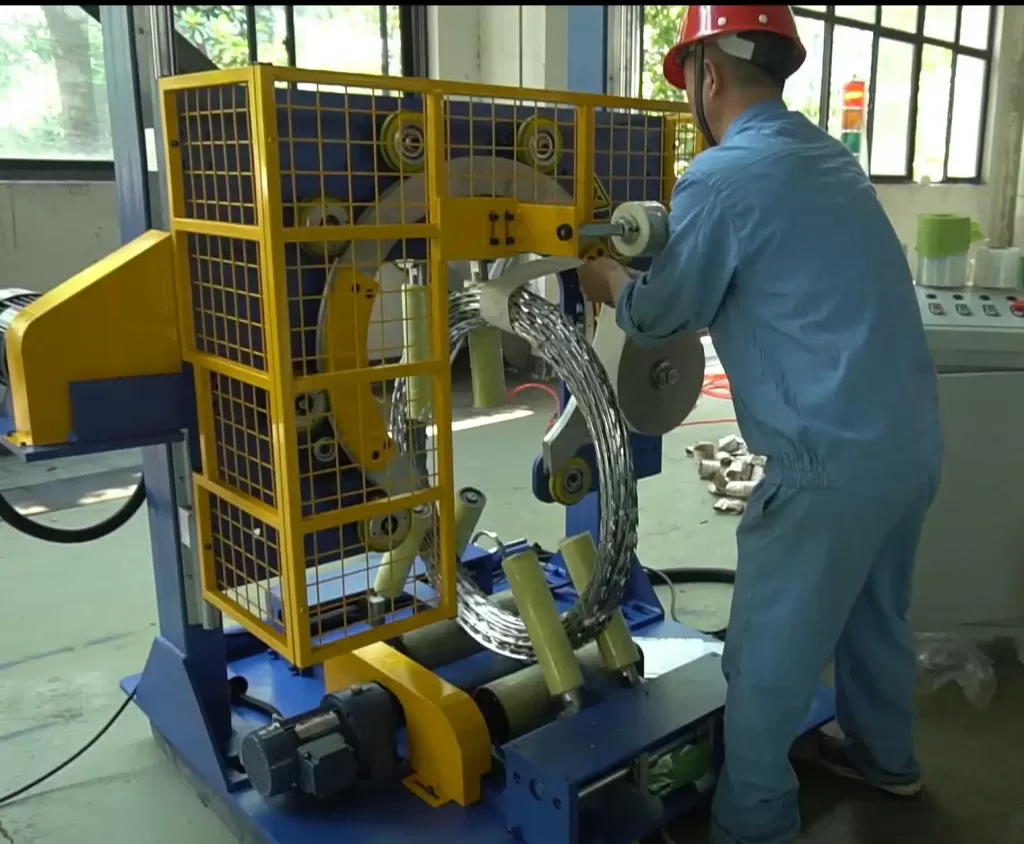
The Hidden Costs of Slow Packing 📉
When I started my own packing machine factory, one of the first things I focused on was how to eliminate these choke points. For plastic and hose coils, manual packing has many hidden costs.
- Slow Throughput: Each coil takes time to wrap by hand. Multiply that by hundreds or thousands of coils a day. The output simply cannot keep up with the main production line. This means machines sit idle, or finished products pile up, waiting. This directly impacts your ability to meet customer demand and delivery deadlines.
- High Labor Costs: You need many workers for manual packing. This adds up, especially with rising wages and benefits. My clients often tell me they struggle to find and keep enough skilled packers. These ongoing costs eat into your profit margins year after year.
- Inconsistent Quality: Human workers get tired. Their wrapping can be inconsistent. Some coils might be too loose, others too tight. This can lead to damage during transport or storage, resulting in customer complaints and potential returns. It affects your brand’s reputation.
- Fatigue and Errors: Repetitive tasks cause fatigue. Fatigue leads to mistakes. A small error in packing can mean a damaged product or an unhappy customer. These errors can be costly, requiring re-work or replacement of goods.
Why Plastic and Hose Coils Pose Unique Challenges 🤔
Plastic and hose coils have their own set of difficulties. They are often flexible, meaning they can deform easily. They can be heavy. Also, their surface might be delicate, or they might need specific tension to keep their shape.
- Flexibility and Shape Retention: Unlike rigid metal coils, plastic and hose coils can be harder to manage. They need careful handling to keep their round shape and prevent kinking or flattening. This flexibility makes consistent manual wrapping very challenging.
- Surface Protection: Many plastic or rubber hoses have sensitive surfaces. They scratch easily. Manual handling, even with care, risks scuffs or abrasions. These cosmetic damages can reduce the perceived value of your product.
- Varying Sizes and Weights: You might pack many different sizes and weights of coils. Changing between them manually takes time and effort. An automated machine can often adjust much faster, minimizing downtime for changeovers.
- Material Wastage: Manual wrapping often uses more material than needed. Workers might overwrap to be safe, or they might make mistakes that require re-wrapping. This leads to unnecessary consumption of packaging film, increasing material costs.
Consider a factory manager like Michael. He oversees the entire operation from raw material to finished product. He sees these bottlenecks directly. He knows that every minute lost in packing means lost production time for the whole factory. This is why automated solutions are not just an option; they are a necessity for staying competitive. My experience showed me that investing in the right technology here pays dividends quickly. It frees up workers, speeds up production, and ensures a consistent, high-quality pack every time. It is about working smarter, not just harder.
2. How Do Coil Wrapping Machines Dramatically Improve Worker Safety and Reduce Product Damage?
Safety in the workplace is not just about rules; it is about protecting people and preventing costly accidents. I saw many close calls and actual injuries during my early years in the industry, especially when handling heavy or awkward items. Manual handling of heavy coils, like those made of plastic or hose, carries big risks. It is a major concern for factory managers, including Michael, who are responsible for their teams. Product damage is another area where manual processes fall short. Every damaged coil means lost profit and unhappy customers.
Coil wrapping machines drastically improve worker safety by eliminating the need for manual lifting and maneuvering of heavy or awkward coils, thereby reducing the risk of strains, sprains, and other injuries, while also significantly cutting down on product damage during the packing process through consistent, controlled wrapping.

Eliminating Safety Hazards Through Automation ✅
When I set up my own factory, worker safety was a top priority. Automated coil wrapping machines are a game-changer for safety.
- Reduced Manual Handling: This is the biggest benefit. Workers do not need to lift or turn heavy coils by hand. The machine does the heavy work. This prevents back injuries, muscle strains, and crushed fingers, which are common with manual tasks.
- Fewer Repetitive Strain Injuries (RSIs): Manual packing often involves repetitive motions. These can lead to long-term injuries like carpal tunnel syndrome or tendonitis. Machines remove this risk, protecting workers from chronic pain and enabling them to perform other, less strenuous tasks.
- Predictable Operations: Machines follow set patterns. This reduces the chance of unexpected movements or accidents that can happen with human error. Automated systems operate with precision, minimizing sudden shifts or drops that could injure workers.
- Ergonomic Benefits: Modern coil wrappers are designed with worker comfort and safety in mind. Loading and unloading are often simpler, or fully automated, making the entire process safer. This can include features like automatic feeding systems or conveyor integration.
Michael Chen, from Mexico, faces real pressures with high insurance costs and employee turnover due to injuries. He knows that investing in safer equipment is not just good for his team; it is good for the business’s bottom line. Fewer injuries mean lower healthcare costs, reduced insurance premiums, and a more stable workforce.
Protecting Your Valuable Plastic and Hose Coils ✨
Product damage is a silent killer of profits. I have seen how even small nicks or scuffs can lead to entire batches being rejected or sold at a discount. For plastic and hose coils, which can be delicate, this is even more critical.
- Consistent Wrapping Tension: Coil wrapping machines apply an even, consistent tension to the wrapping material. This protects the coil’s edges and surface without deforming it. Manual wrapping rarely achieves this level of uniformity, often resulting in uneven pressure points.
- Secure Packaging: A well-wrapped coil is a secure coil. It is less likely to unravel, shift, or get damaged during storage or transport. This means fewer customer complaints and fewer returns, enhancing customer satisfaction and loyalty.
- Reduced Surface Abrasion: Automated systems minimize direct human contact with the coil’s surface. This reduces the risk of scratches or other damage that can happen during manual handling. The machine handles the coil gently and precisely.
- Specialized Wrapping Materials: Coil wrappers can use various wrapping films, including stretch film, woven fabric, or VCI paper, specifically chosen to protect the product. They apply these materials precisely, ensuring complete coverage and optimal protection against dust, moisture, and impact.
Take plastic piping coils, for example. If the ends or outer layers get scuffed during manual handling or packing, the customer might reject them. This means you lose money. With an automated system, the coil is handled gently and wrapped perfectly every time. This ensures your product arrives in pristine condition, building customer trust and protecting your brand. From my perspective, preventing these issues is a key part of smart factory management.
3. What Specific Economic Advantages Do Spanish Engineers See in Automated Coil Wrapping Solutions?
Every factory manager, from Spain to Mexico, is driven by the bottom line. It is not just about making things; it is about making things efficiently and profitably. When I consult with clients, whether they are focused on coil packing or other industrial processes, we always talk about Return on Investment (ROI). Spanish engineers, known for their rigorous approach to process optimization, are quick to see the clear economic benefits of automated coil wrapping machines. It is about turning an expense into a strategic investment.
Spanish engineers identify specific economic advantages in automated coil wrapping solutions, including significant reductions in labor costs, minimized product damage, more efficient material usage, and increased overall production throughput, all contributing to a clear and measurable return on investment.
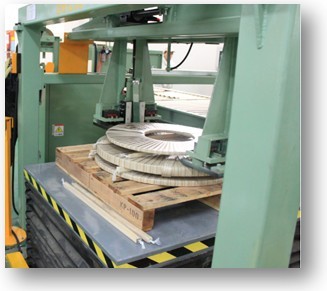
Quantifiable Savings and Increased Profitability 💰
From my own factory’s success, I learned that smart investments in automation lead to real savings. Here are the key areas where coil wrapping machines deliver economic benefits:
- Reduced Labor Costs:
- One machine can often do the work of several people. This lets you reassign workers to more skilled tasks or reduce your overall labor needs. The long-term savings on wages, benefits, and training are substantial.
- Fewer injuries mean lower insurance premiums and less time lost to worker absence. This directly impacts your operational budget and improves overall workforce stability.
- This is a direct and measurable saving that quickly adds up, often forming the largest part of the ROI calculation.
- Minimized Product Loss:
- Automated packing reduces damage from handling and inconsistent wrapping. The precise and gentle handling protects even delicate plastic and hose coils.
- Fewer damaged products mean fewer rejections, fewer customer complaints, and less scrap. This directly boosts profit margins by maximizing the saleable output.
- For high-value plastic or hose coils, this alone can save a lot of money, as replacing damaged items is expensive and time-consuming.
- Optimized Material Usage:
- Machines apply wrapping film with precision. They use just enough, not too much. Advanced systems can calculate the exact amount of film needed for each coil.
- This reduces waste of expensive packaging materials over time. Over months and years, these small savings on consumables become very significant.
- It also means you buy less material, lowering your supply costs and improving inventory management.
- Increased Production Throughput:
- Coil wrapping machines work faster and more consistently than manual methods. They do not get tired or need breaks.
- This means you can pack more coils per hour or per shift, keeping pace with upstream production.
- Higher throughput means you can fulfill more orders and meet tighter deadlines, directly boosting your revenue and market competitiveness.








