
How can a pallet inverter help food factories cut costs on damaged pallets?
Have you ever walked through a busy food factory warehouse, only to see pallets stacked precariously, products askew, or even boxes lying broken on the floor? This is more than just a messy sight. It is a direct hit to your company’s wallet. Damaged goods, slow operations, and unsafe working conditions are common problems. These issues create a constant drain on resources for food manufacturers.
A pallet inverter helps food factories cut costs by preventing product damage during pallet transfers, reducing manual labor, improving safety, and ensuring efficient handling of diverse pallet types. This leads to fewer broken items, faster operations, and lower expenses related to accidents and wasted products.
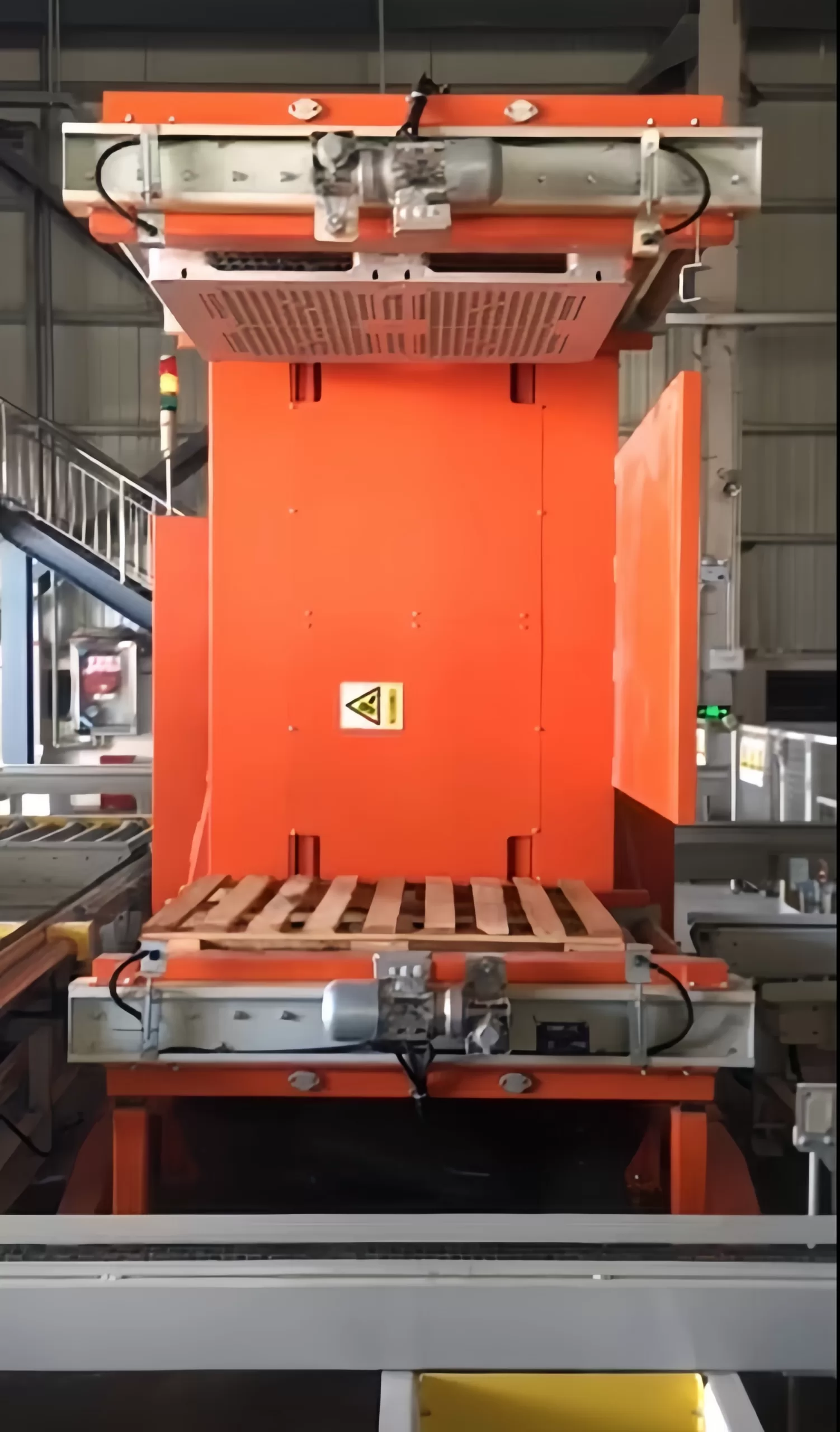
These problems can seem like unavoidable costs of doing business. But they are not. There are smart ways to deal with them. In my journey from a packing machine factory employee to building FHOPEPACK, I have seen many ways companies tackle these challenges. Let us look deeper at how a simple machine can make a big difference.
How do damaged pallets truly impact a food factory’s bottom line?
Do you know the real cost of a damaged pallet in your factory? It is not just the price of the spilled milk or the squashed box. It goes much deeper than that. This hidden cost can hurt your profits in many ways you might not even notice.
Damaged pallets affect a food factory’s bottom line by causing direct product loss, increasing waste disposal costs, leading to re-packaging expenses, and potentially resulting in customer rejections and fines. These issues create significant financial burdens beyond the initial damage.
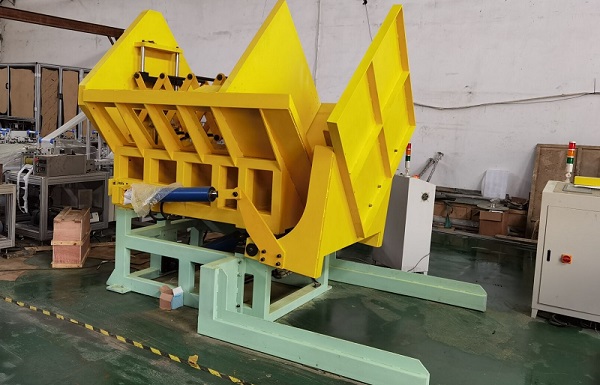
From my early days on the factory floor, I learned that every single damaged item adds up. It is not just about replacing the item itself. You lose the labor that went into processing it, the energy used to store it, and the potential sale. When I started FHOPEPACK, I aimed to solve these hidden costs. For example, consider a food factory that handles thousands of pallets daily. If even a small percentage of those pallets suffer damage during transfer or handling, the costs quickly become enormous. First, there is the direct loss of the product. This means you cannot sell it. Second, there are the costs to clean up the mess. This includes labor and specialized waste disposal. Third, if the damage is discovered late, it can lead to customer complaints or even rejected shipments. A rejected shipment means the product comes back, often at your cost. This also damages your reputation with clients. My experience has shown that these indirect costs often outweigh the direct cost of the lost product. For instance, if a pallet of delicate pastries gets dropped during a manual transfer, you do not just lose the pastries. You also lose time trying to fulfill the order again. You might even lose the customer if it happens too often. This domino effect makes it critical to prevent damage at the source. This is where reliable equipment makes a difference.
What are the hidden costs of damaged pallets?
- Direct Product Loss: The value of the destroyed goods that cannot be sold.
- Labor Costs: Time spent by employees on cleanup, repacking, and administrative work related to damaged goods.
- Waste Disposal Fees: Expenses for disposing of spoiled or unsellable products.
- Re-packaging Expenses: Costs for new packaging materials and the labor to repack salvageable items.
- Logistics Delays: Slowdowns in the supply chain due to replacing damaged goods, affecting delivery schedules.
- Customer Dissatisfaction: Lost trust, potential fines, and even lost contracts from late or incorrect shipments.
- Increased Insurance Premiums: More claims for damaged goods can lead to higher insurance rates over time.
Can automated pallet handling really make food factories safer?
Manual pallet handling is a very common task in many food factories. But it comes with big risks. Workers lifting heavy items or trying to flip full pallets often face danger. Accidents can happen, leading to injuries and lost work time. Is there a better, safer way?
Automated pallet handling, especially with pallet inverters, makes food factories safer by removing human workers from dangerous lifting and turning tasks. Machines perform these high-risk operations, greatly reducing the chances of accidents like crushed limbs, back injuries, or falling loads. This creates a much safer work environment.

When I was an employee at a packing machine factory, I saw firsthand how easily accidents could happen. Workers were under pressure. They lifted too much or moved too fast. Pallets would tip. Goods would fall. These incidents led to injuries. They also led to costly worker compensation claims. This is why safety was always a key focus when I designed machines for FHOPEPACK. Automated pallet inverters address these risks directly. They take the dangerous parts of the job away from people. For example, a common task is transferring goods from an old or damaged wooden pallet to a new, clean one. Manually doing this often involves tipping the entire stack. This is very risky. It can cause the load to shift or even fall on a worker. A pallet inverter does this job mechanically. It clamps the load tightly. Then it gently rotates or inverts it. This keeps the product stable. It keeps workers out of harm’s way. This automation means fewer strains, fewer drops, and fewer serious injuries. It also improves overall morale. Workers feel safer. They are more productive. This helps the company save money on medical bills and lost workdays. It also helps avoid legal issues related to workplace safety.
How do pallet inverters improve workplace safety?
- Elimination of Manual Lifting: Machines handle heavy loads, preventing back injuries and strains.
- Reduced Risk of Falling Objects: Loads are securely clamped during rotation or transfer, avoiding product spills or drops.
- Fewer Pinch Points: Workers do not need to manually handle pallets in confined spaces, reducing the risk of crushing injuries.
- Controlled Operations: Automated systems move slowly and predictably, unlike hurried manual operations.
- Compliance with Safety Standards: Using modern equipment helps meet workplace safety regulations.
- Lower Insurance Costs: Fewer accidents can lead to reduced workers’ compensation claims and lower insurance premiums.
How can pallet inverters streamline operations with different pallet types?
In today’s global market, food factories often deal with many kinds of pallets. You might use Euro pallets for Europe. You might need US pallets for North America. You might even use plastic pallets for hygiene reasons. Changing between these different pallet types by hand is slow and difficult. It can create bottlenecks in your operations.
Pallet inverters streamline operations with different pallet types by quickly and efficiently transferring goods from one pallet style to another without manual labor. They handle various sizes and materials, making it easy to meet international shipping standards or internal hygiene requirements. This keeps the supply chain moving smoothly.
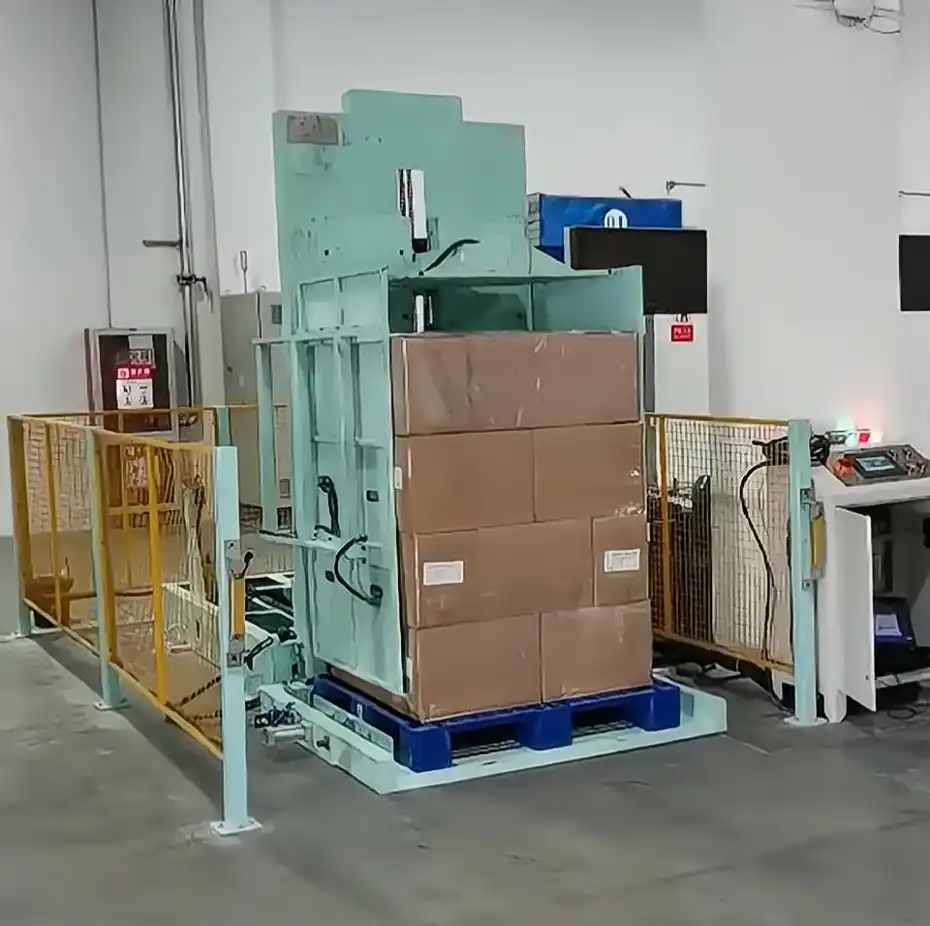
This challenge is very real for businesses with international reach. I remember working with a client who shipped food products across continents. They struggled daily with converting pallet loads. Manual methods caused significant delays. It led to damaged goods and tired workers. This is exactly why flexible solutions are so vital. A good pallet inverter can adapt to different pallet sizes and materials. It can handle Euro pallets, US pallets, and plastic pallets with ease. The machine holds the product load firmly. Then, it lifts it slightly. This allows the old pallet to be removed. A new, different-sized pallet is then inserted. The product is lowered onto the new pallet. This process is very fast. It is also very safe. It eliminates the need for workers to unload and reload goods by hand. This saves a lot of time. It also reduces the chance of human error. Think about a regional distribution center for a multinational food and beverage group, like the one Carlos manages in Spain. They handle thousands of pallets daily. They need to switch between Euro and US pallets for exports. Manually doing this for so many pallets would be a nightmare. It would be slow, prone to errors, and labor-intensive. A pallet inverter solves this. It makes sure that pallets meet the right specifications for each country. This avoids delays and costly fines at customs. It keeps customers happy.
Why are pallet inverters essential for diverse pallet handling?
- Seamless Pallet Swapping: Quickly move goods from one pallet type to another without unloading.
- International Compliance: Easily meet different countries’ pallet standards (e.g., ISPM 15 heat-treated wood, plastic, Euro, US).
- Hygiene Requirements: Transfer products to clean, hygienic plastic pallets for in-house use in food processing zones.
- Damage Prevention: Protect goods from damage during the transfer process, regardless of pallet type.
- Increased Throughput: Speed up pallet conversion, reducing bottlenecks in the warehouse and shipping areas.
- Reduced Labor Dependence: Automate a task that is traditionally labor-intensive and error-prone.
Are pallet inverters a cost-effective solution for long-term operational efficiency?
Investing in new machinery like a pallet inverter can seem like a big expense. But good businesses know that true value comes from long-term benefits. They look beyond the initial price tag. They consider how a machine will impact their operations over many years. So, are pallet inverters a wise long-term investment for efficiency?
Pallet inverters are a cost-effective solution for long-term operational efficiency by providing significant savings in labor costs, reducing product damage, improving workplace safety, and increasing overall throughput. These benefits quickly offset the initial investment, leading to a strong return over the machine’s lifespan.
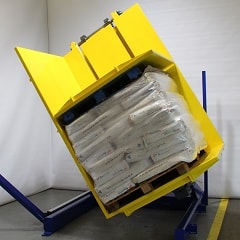
When I founded FHOPEPACK, my goal was to provide solutions that truly helped businesses grow. I saw how clients could transform their operations by investing in the right equipment. A pallet inverter is a prime example of such an investment. The upfront cost is clear. But the ongoing benefits are what truly make it cost-effective. For instance, consider the rising cost of labor. In many regions, skilled warehouse labor is hard to find. It is also expensive. A pallet inverter replaces the need for several workers to manually handle pallet transfers. This frees up staff to do other, more valuable tasks. It also means you pay less in wages over time. My own journey showed me that financial independence comes from smart investments. It is about making your operations leaner and more efficient. The reduction in product damage is another huge saving. As we discussed, damaged goods lead to many hidden costs. By preventing these, a pallet inverter pays for itself through fewer losses. Added to this are the benefits of improved safety. Fewer accidents mean lower insurance premiums and fewer legal liabilities. For a logistics manager like Carlos, who values reliable, stable, and long-running equipment, a pallet inverter represents a strategic investment. It helps his company meet tighter delivery schedules and handle growing customer demands. It is not just about moving pallets. It is about ensuring business continuity and growth.
How do pallet inverters offer long-term cost benefits?
- Reduced Labor Expenses: Significantly lowers the need for manual labor in pallet transfer tasks.
- Minimized Product Loss: Prevents damage during handling, cutting down on waste and re-packaging costs.
- Lower Insurance Premiums: Fewer workplace accidents can lead to reductions in worker compensation and liability insurance.
- Increased Throughput and Speed: Automates a slow process, allowing for faster processing of goods and meeting tight deadlines.
- Extended Pallet Lifespan: Gentle handling can reduce damage to pallets themselves, extending their usable life.
- Enhanced Reputation: Reliable and efficient operations improve customer satisfaction and reduce contract penalties.
- High ROI: The combined savings quickly outweigh the initial purchase cost, offering a strong return on investment.
Why is choosing the right pallet inverter partner crucial for success?
Buying a pallet inverter is not just about picking a machine. It is about choosing a partner who understands your needs. In my career, I have seen many companies buy equipment. Some thrived. Others struggled because they did not have the right support. A machine is only as good as the company behind it.
Choosing the right pallet inverter partner is crucial for success because it ensures you get a reliable machine, proper installation, ongoing technical support, and solutions tailored to your specific operational challenges. A good partner, like FHOPEPACK, understands your pain points and offers expertise beyond just selling equipment.
My journey from factory worker to factory owner taught me the value of true partnership. It is not just about making a sale. It is about understanding the customer’s world. This is especially true for complex warehouse environments. For example, Carlos is looking for a partner, not just a seller. He needs someone who understands the pains of diverse pallet specifications, labor shortages, and safety risks. He needs a company that can offer flexible solutions and long-term support. At FHOPEPACK, our mission is to share knowledge. We want to help people truly understand the craft. This means we do not just ship a machine. We offer insights. We help you pick the right model. We ensure it fits seamlessly into your existing operations. We provide reliable after-sales service. We know that if a machine breaks down, it stops your entire line. This can cost a lot of money. So, having a responsive and knowledgeable partner is essential. It means less downtime. It means consistent performance. It means peace of mind. It is about building a relationship where we help you achieve your goals, just as others helped me achieve mine. This focus on customer success is at the core of FHOPEPACK. We want to be the partner you trust for reliable, adaptable, and safe packing solutions.
What to look for in a pallet inverter supplier?
- Industry Expertise: A supplier who understands the specific needs and challenges of food factories.
- Customization Options: Ability to provide pallet inverters that can handle various pallet sizes and product types.
- Reliable After-Sales Support: Quick and effective technical assistance, spare parts availability, and maintenance services.
- Installation and Training: Professional setup and thorough training for your staff to operate the machine safely and efficiently.
- Proven Track Record: Positive testimonials and case studies from other businesses in your industry.
- Focus on Safety: Equipment designed with modern safety features and compliance with international standards.
- Long-Term Vision: A partner interested in your success, not just a one-time sale, providing ongoing advice and upgrades.
Conclusion
Pallet inverters offer food factories a powerful way to cut costs by preventing damage, boosting safety, and improving efficiency. This leads to substantial savings and a smoother operation. Investing in a pallet inverter is a smart step towards a more profitable future.








