

How Can a Pallet Flipper Improve Warehouse Productivity?
Are you a warehouse manager constantly battling slow processes, rising labor costs, and a mountain of safety concerns? Many of you, like Carlos, a seasoned logistics manager in Spain, find yourselves at a crossroads. Your daily operations involve thousands of pallets, diverse specifications, and the urgent need to keep goods flowing smoothly. I know this struggle firsthand from my years in the packing machine industry. It is frustrating to see potential held back by inefficient manual tasks. (warehouse productivity challenges)
A pallet flipper, also known as a pallet changer or pallet inverter, drastically improves warehouse productivity by automating the process of transferring goods from one pallet type to another or reorienting products. This reduces manual labor, enhances safety, minimizes product damage, and significantly speeds up the entire pallet handling workflow, directly impacting efficiency and cost savings.
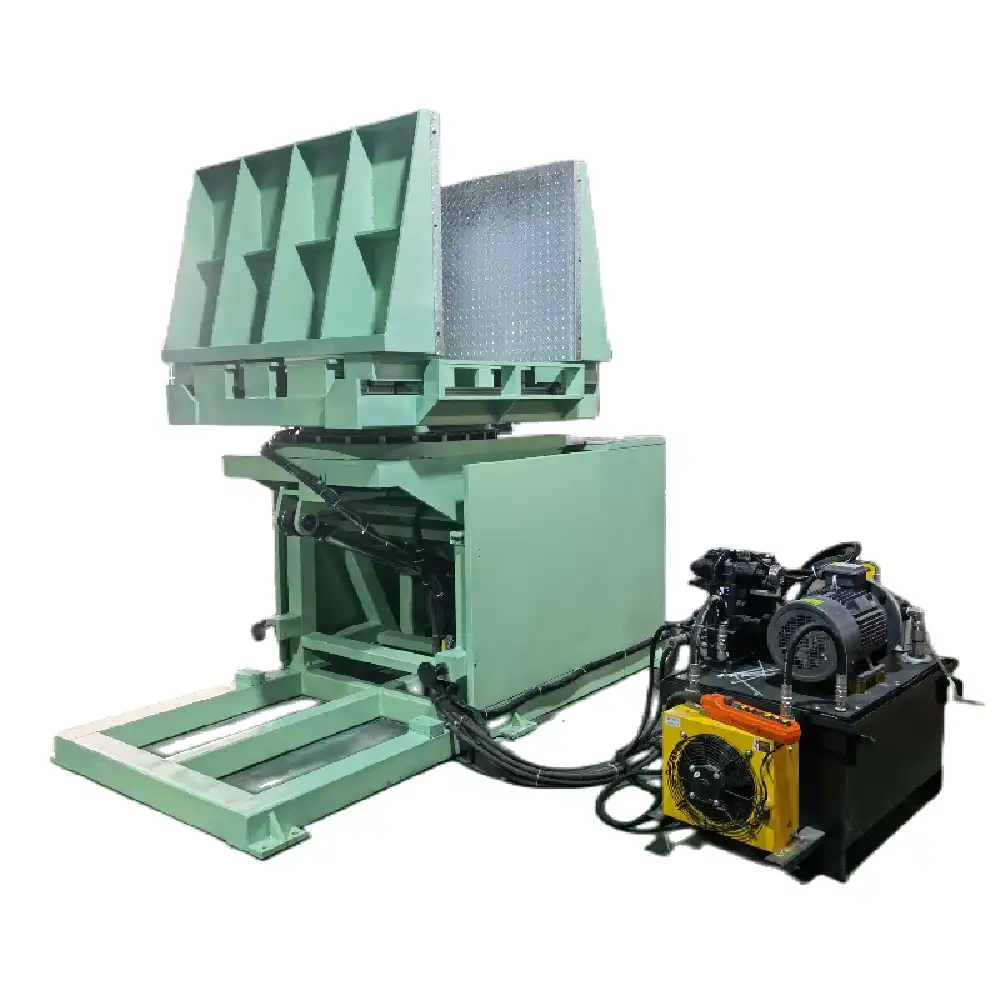

You are not alone in facing these issues. Many businesses struggle with old, labor-intensive pallet handling methods. But what if there was a way to overcome these challenges, boost your operational output, and even improve your bottom line? Let us explore how a pallet flipper can transform your warehouse. (automated pallet handling)
What Exactly is a Pallet Flipper, and How Does it Boost Efficiency?
Are you wondering what this “pallet flipper” actually does? You might think it is just a simple machine. However, its function is vital in modern logistics. Many people do not fully grasp the power of this equipment. Neglecting this key piece of machinery can lead to hidden costs and bottlenecks in your daily operations. (pallet changer function)
A pallet flipper is a specialized machine designed to invert, transfer, or exchange goods between different pallets without physically handling the products themselves. It boosts efficiency by automating a process that would otherwise require significant manual labor, specialized tools, and time, thus streamlining material flow and reducing operational interruptions.
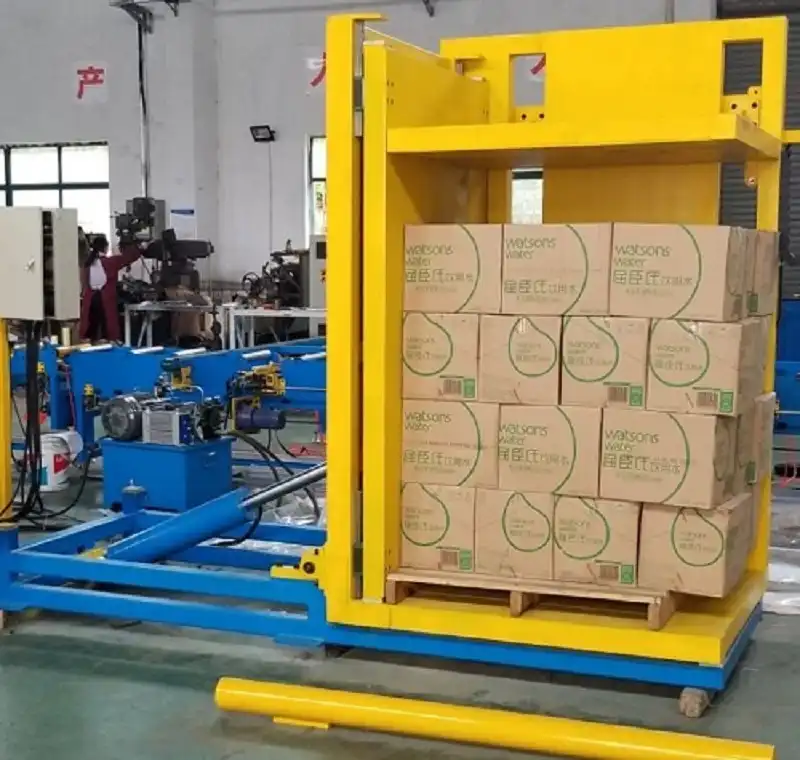

Let me dive deeper into this. The basic idea of a pallet flipper is simple. It securely clamps a load, then rotates or shifts it. This allows for changing the pallet underneath. This process is essential for many reasons. Think about a warehouse manager like Carlos. He deals with thousands of pallets daily. Many of these pallets need to be switched. For instance, European standard pallets might need to become American standard pallets for export. Doing this manually is slow and risky. A pallet flipper changes this entirely. It automates the entire switch. This means fewer people are needed for this task. It also makes the process much faster. I have seen countless factories struggle with this. They spend hours and many workers on pallet changes. With a pallet flipper, this job can be done in minutes. This frees up staff for other important work. It also ensures that goods move through the warehouse without delay. The machine ensures the load stays stable. This prevents damage to the products. It also protects workers from injury. This is very important for expensive or fragile goods. The choice of pallet flipper depends on your specific needs. There are many types available. Some recline, some fully invert, and others simply transfer. Each type offers specific benefits for different types of loads and operational requirements. Understanding these differences helps in choosing the right machine. It is an investment that pays off quickly. (automated pallet exchange)
- Core Mechanism of Pallet Flippers:
- Clamping System: The machine uses hydraulic or electric clamps to firmly hold the load. This ensures stability during the entire process. Without a secure grip, products could shift or fall. This is a critical safety feature.
- Rotation/Inversion: Once clamped, the load rotates. Some machines tilt the load to 90 degrees. Others fully invert it by 180 degrees. This rotation allows access to the bottom pallet. It also helps in changing the product orientation if needed.
- Pallet Removal/Insertion: After the rotation, the original pallet can be removed. A new, different type of pallet then replaces it. Some models even eject the old pallet automatically. Then, they position the new one for the load.
- Types of Pallet Flippers and Their Applications:
- In-line Pallet Changers: These are integrated directly into conveyor systems. They are perfect for high-volume operations. They ensure a continuous flow of goods.
- Free-standing Pallet Inverters: These are stand-alone units. They are suitable for operations with lower volumes or specific tasks. Workers bring pallets to the machine.
- Mobile Pallet Changers: These units can move within the warehouse. They offer great flexibility. They are useful for warehouses with varied layout needs or where space is tight.
- Efficiency Gains from Automation:
- Reduced Cycle Time: Automated pallet changes are much faster than manual ones. A task taking several minutes manually can be done in less than a minute. This dramatically increases throughput.
- Consistent Performance: Machines perform tasks with consistent speed and accuracy. Human workers can tire or make mistakes. This consistency maintains high productivity levels all day.
- Minimized Downtime: Fewer manual interventions mean fewer chances for accidents or errors. This reduces operational downtime. It keeps the supply chain moving without interruptions.
- Optimal Resource Allocation: Workers previously assigned to pallet changes can now focus on more complex tasks. This optimizes labor use. It leads to greater overall warehouse productivity. (material handling automation)
How Do Pallet Flippers Solve Diverse Pallet Challenges?
Do you frequently deal with different pallet sizes and materials in your warehouse? For many logistics managers, managing diverse pallet specifications is a daily headache. This can create major bottlenecks. It can also lead to costly delays and compliance issues, especially in international shipping. (multi-pallet handling)
Pallet flippers effectively solve diverse pallet challenges by offering adaptable clamping and rotation mechanisms that accommodate various pallet dimensions, materials (like wood, plastic, or metal), and load configurations. This capability ensures smooth transitions between different pallet standards, such as Euro pallets and American pallets, without manual intervention, making international logistics much simpler.
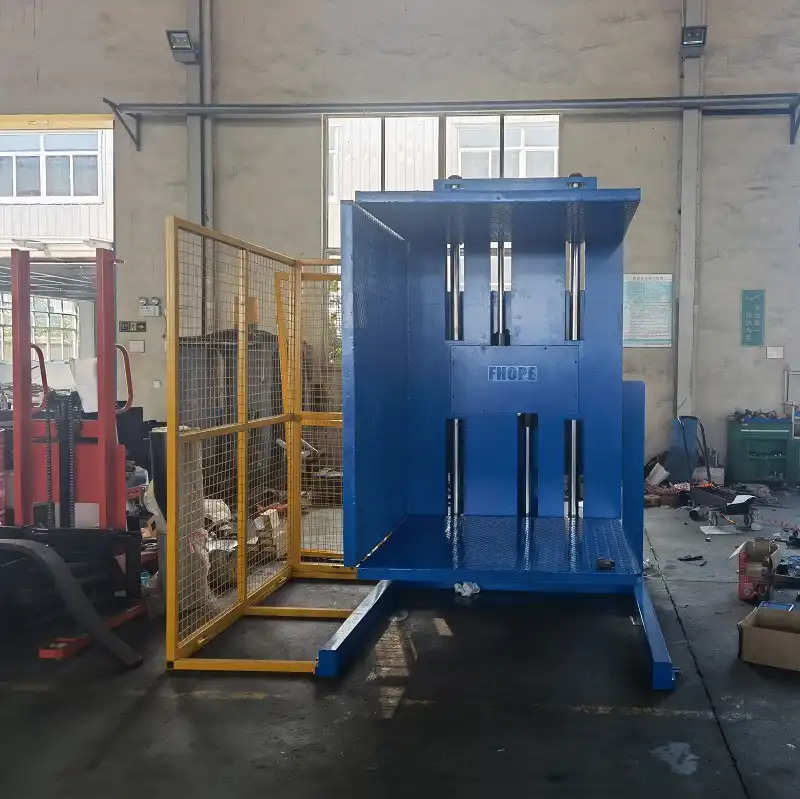

From my experience, I have seen firsthand how much trouble varying pallet types can cause. Carlos, for example, faces this constantly. His company ships goods internationally. This means switching between Euro pallets and American standard pallets. Each country has its own rules. Trying to do this by hand is a nightmare. It is slow, prone to errors, and labor-intensive. A pallet flipper cuts through all this complexity. It is designed to handle different sizes and types of pallets. This adaptability is key for any modern warehouse. It means you can receive goods on one type of pallet. Then, you can ship them out on another. All this happens smoothly and quickly. This saves you from having to de-stack and re-stack products. It also removes the need for multiple types of forklifts or specialized handling equipment for each pallet type. The machine simply takes the load, flips it, and a new pallet is put in place. This makes your warehouse much more flexible. It also helps meet strict customer demands. I recall a client who used to pay huge fines for delayed shipments. These delays were always due to manual pallet changes. After installing a FHOPEPACK pallet changer, their compliance improved dramatically. They saved money and kept their customers happy. (pallet standardization solutions)
- Handling Different Pallet Standards:
- Global Compatibility: International trade requires adapting to various regional pallet standards. Pallet flippers are built to work with many sizes. This includes common types like 1200x800mm (Euro pallet) and 48×40 inches (GMA pallet). This ensures your goods meet destination country requirements.
- Seamless Transition: Instead of manually offloading and re-stacking goods, the flipper automatically transfers the load. This makes switching from one pallet type to another simple. This process is crucial for avoiding costly delays at borders or distribution centers.
- Adapting to Various Pallet Materials:
- Material Flexibility: Warehouses often use pallets made of wood, plastic, or even metal. Each material has different properties. A good pallet flipper can handle them all. It provides the necessary grip and stability for each material type.
- Hygiene and Cleanliness: In industries like food and beverage (Carlos’s industry), plastic pallets are often required for hygiene. Goods might arrive on wooden pallets but need to be transferred to plastic ones for storage or distribution. Pallet flippers make this transfer efficient and sanitary.
- Overcoming Load Configuration Challenges:
- Stable Handling: No matter the load’s shape or size, the pallet flipper keeps it stable. It can handle heavy, light, irregular, or fragile items. The secure clamping system prevents movement or damage during the transfer.
- Product Integrity: Many products are sensitive to manual handling. This can cause damage. The automated process reduces human contact. It ensures products stay in perfect condition. This reduces waste and customer complaints. (international shipping compliance)
Can a Pallet Flipper Make Your Warehouse Safer and Cut Labor Costs?
Are you concerned about increasing workplace injuries and the rising cost of labor in your warehouse? These are major challenges for any logistics manager. Manual handling of heavy loads and frequent pallet changes often leads to accidents and high operational expenses. It is a balancing act that many find difficult to maintain. (warehouse safety improvement)
Yes, a pallet flipper significantly enhances warehouse safety by automating hazardous manual tasks like lifting and inverting heavy loads, thereby reducing the risk of worker injuries from strain, dropped goods, or crushed limbs. It also cuts labor costs by minimizing the need for multiple workers to perform strenuous pallet changes, freeing them for more value-added roles and addressing labor shortages.


I have witnessed too many incidents caused by manual pallet handling. My journey in this industry, from a factory employee to owning FHOPEPACK, taught me the real value of safety. Carlos, the manager in Spain, mentioned several accidents already. Manually flipping or exchanging pallets is dangerous. There is a high risk of goods falling. Workers can also suffer serious injuries. These include back strains, crushed hands, or even worse. Such incidents are not just tragic; they are also costly. They lead to worker compensation claims, increased insurance premiums, and lost productivity. A pallet flipper removes these human risks entirely. It performs the heavy lifting and precise movements. This protects your most valuable asset: your employees. Moreover, with labor shortages becoming a global issue, relying on fewer hands for high-risk, low-value tasks makes economic sense. I remember helping a client automate their pallet exchange process. They cut their labor hours for this task by 80%. This not only made their operations safer but also saved them a substantial amount annually. These savings quickly covered the machine’s cost. (manual handling risks)
- Reducing Workplace Accidents:
- Elimination of Manual Lifting: Pallet flippers take over the heavy and awkward lifting. This removes the primary cause of musculoskeletal injuries among warehouse staff. Workers no longer need to strain their backs or use unsafe lifting techniques.
- Preventing Product Falls: Secure clamping mechanisms hold the load firmly. This prevents goods from tipping or falling during the transfer. This safeguards both the products and nearby personnel. Accidents from falling items can be severe.
- Automated Movements: The machine handles all movements. This means fewer people are near moving parts during operation. This reduces the chance of accidental contact or crushing injuries. Safety sensors further enhance this protection.
- Addressing Labor Shortages and Costs:
- Optimized Workforce Allocation: Pallet flippers allow a single operator to manage the process. This frees up other workers who would have been involved in manual pallet changes. These freed workers can then be assigned to more complex or value-adding tasks.
- Reduced Overtime: The speed of automated pallet changes means tasks are completed faster. This often reduces the need for overtime hours. It helps manage labor costs more effectively.
- Lower Training and Turnover Costs: Automated systems are easier to operate than performing complex manual tasks safely. This simplifies training and potentially reduces staff turnover, especially for physically demanding roles.
- Insurance Premium Reductions: A safer workplace with fewer reported incidents can lead to lower insurance premiums over time. This contributes directly to cost savings. (workplace injury prevention)
How Do Pallet Flippers Accelerate Your Warehouse Throughput?
Are your current pallet handling methods slowing down your entire warehouse operation? In today’s fast-paced world, customer demands for quicker delivery are intense. If your pallet change process is a bottleneck, your overall throughput suffers. This can lead to missed deadlines and unhappy customers. (warehouse throughput optimization)
Pallet flippers significantly accelerate warehouse throughput by drastically reducing the time required for pallet changes, often from minutes to seconds, and integrating seamlessly into existing logistics workflows. This automation eliminates bottlenecks, ensures a continuous flow of goods, and allows warehouses to process a higher volume of products more quickly, directly meeting customer demands for faster delivery.
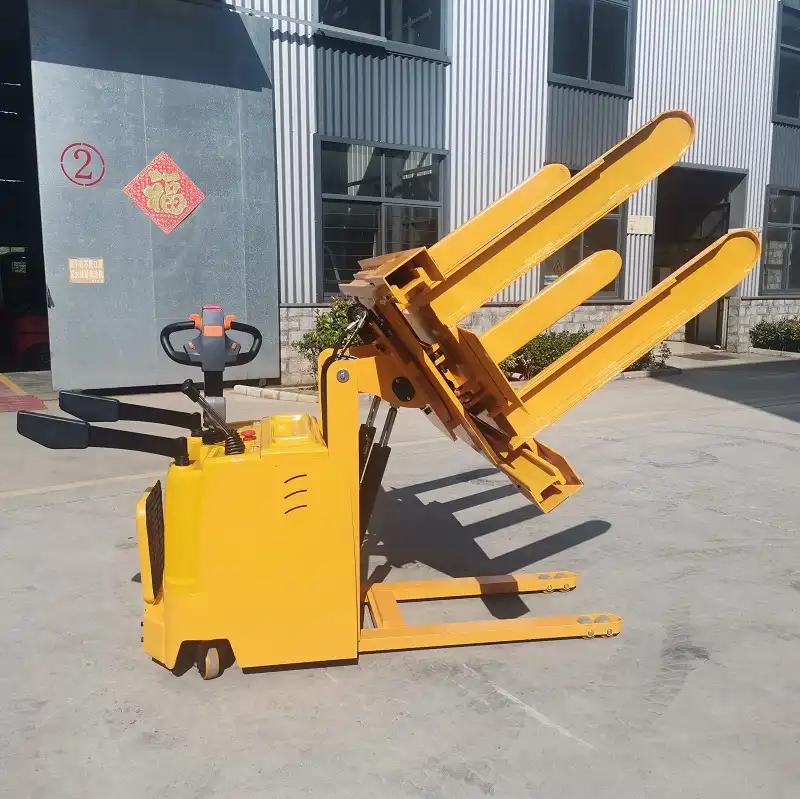
I know the pressure of rapid delivery. My clients in the packing machine industry always look for ways to speed things up. Pallet flippers are game-changers for warehouse throughput. Imagine Carlos’s scenario: thousands of pallets moving daily. If each pallet exchange takes precious minutes with manual labor, the cumulative delay becomes enormous. An automated pallet flipper can complete this task in less than a minute. This difference is huge. It means more pallets processed per hour. It means goods spend less time sitting around. It means products move from receiving to shipping much faster. This directly impacts your ability to meet those tight e-commerce and retail delivery schedules. I’ve seen this transformation many times. A small investment in automation can unlock huge gains in overall operational speed. This is not just about making one task faster. It is about improving the flow of the entire warehouse. It makes the whole system more responsive. (fast logistics solutions)
- Streamlining Receiving and Dispatch:
- Faster Inbound Processing: Goods arriving on non-standard or damaged pallets can be quickly transferred to warehouse-compatible pallets. This speeds up the receiving process. It ensures products are ready for storage or immediate processing faster.
- Expedited Outbound Shipments: For export, pallets must often meet specific standards. Pallet flippers allow rapid conversion to export-ready pallets. This cuts down loading times and ensures shipments leave on schedule. It prevents delays at docks.
- Eliminating Bottlenecks in the Workflow:
- Continuous Material Flow: Manual pallet changes are often interruptive. They create queues and delays. Automated flippers ensure a smooth, continuous flow of materials. They integrate well into conveyor systems or automated storage and retrieval systems (AS/RS).
- High Volume Capability: Modern pallet flippers are built for high-volume operations. They can handle hundreds of pallets per shift. This ensures that even peak demand periods do not overwhelm the system. This scalability is vital for growing businesses.
- Meeting Customer Expectations:
- Reduced Lead Times: Faster processing means products reach customers sooner. This is a critical factor in customer satisfaction and loyalty. In today’s market, speed is a competitive advantage.
- Improved Order Fulfillment: With quicker pallet changes, warehouses can fulfill more orders daily. This directly impacts sales volume and market share. It helps businesses stay ahead.
- Compliance with Service Level Agreements (SLAs): Many contracts include strict delivery timelines. Pallet flippers help businesses consistently meet these SLAs. This avoids penalties and builds trust with clients. (supply chain acceleration)
What Makes a Pallet Flipper a Long-Term Smart Investment?
Are you evaluating equipment purchases based on long-term value, not just upfront cost? A pallet flipper might seem like a significant investment. However, its true worth lies in its ability to provide lasting benefits. Many businesses overlook the long-term returns. They only focus on the initial price tag. This can lead to missed opportunities for sustainable growth and efficiency. (long-term warehouse automation)
A pallet flipper is a long-term smart investment because it offers sustained benefits in cost reduction, enhanced safety, improved efficiency, and adaptability to future warehouse needs. By automating crucial handling processes, it provides a rapid return on investment through lower labor costs, fewer injury claims, reduced product damage, and increased operational throughput, making it a foundation for scalable, modern logistics.
As someone who built FHOPEPACK from the ground up, I understand the importance of smart investments. It is not just about buying a machine; it is about buying a solution that grows with your business. Carlos, our logistics manager, seeks a partner, not just a seller. He wants equipment that is reliable and durable. This aligns perfectly with my philosophy. A well-chosen pallet flipper from a reputable supplier like FHOPEPACK offers robust construction, minimal maintenance, and excellent after-sales support. This ensures a long operational lifespan. Over years, the cost savings from reduced labor, fewer accidents, and faster processing far outweigh the initial purchase price. Think about the cumulative impact on your operational budget. It is not just about today’s savings. It is about future-proofing your operations against rising labor costs and increasing demands. I made sure FHOPEPACK machines are built to last. We focus on providing solutions that genuinely help clients grow, just as this industry helped me. This commitment ensures you get true value for your investment. (sustainable logistics solutions)
- Durability and Reliability:
- Robust Construction: Quality pallet flippers are built with heavy-duty materials. They are designed to withstand the harsh conditions of a busy warehouse. This ensures a long operational life.
- Minimal Downtime: Reliable machines require less frequent maintenance. They are less prone to breakdowns. This means more uptime for your operations. It guarantees consistent productivity.
- After-Sales Support: A good supplier, like FHOPEPACK, offers excellent technical support and readily available spare parts. This minimizes potential downtime if issues arise. This is critical for continuous operation.
- Return on Investment (ROI) Metrics:
- Cost Savings Calculation: The ROI can be calculated by factoring in reduced labor costs, fewer injury claims, lower product damage rates, and increased throughput value. These savings often lead to a payback period of just a few years.
- Operational Cost Reduction: Beyond labor, automation reduces energy consumption associated with manual handling. It also optimizes space usage. This leads to further cost efficiencies.
- Competitive Advantage: Investing in automation gives your business an edge. It allows you to process orders faster and more reliably. This attracts more customers and strengthens your market position.
- Scalability and Future-Proofing:
- Adaptability to Growth: As your business grows, your pallet handling needs might increase. A well-chosen pallet flipper can handle higher volumes. It can also integrate with future automation systems. This provides scalability.
- Technological Integration: Modern pallet flippers can be part of a larger automated system. They can communicate with warehouse management systems (WMS). This creates a more intelligent and responsive warehouse environment. FHOPEPACK prioritizes these integrations.
- Employee Skill Development: Automation shifts tasks from manual labor to machine operation. This allows employees to develop new skills. They can move into roles focused on system monitoring and maintenance. This is a positive change for the workforce. (warehouse automation benefits)
Conclusion
Pallet flippers are more than just machines; they are powerful tools for transforming warehouse operations. They boost productivity by solving diverse pallet challenges, enhancing safety, cutting labor costs, and accelerating throughput. Choosing a reliable partner like FHOPEPACK ensures you get a durable pallet inverter solution that provides long-term value, setting your warehouse up for sustained success and efficiency.












