
How Can a Door Packing Machine Help Indonesia Manufacturers with Reducing Packaging Labor Injuries?
Have you ever seen workers straining to manually pack heavy doors? In many factories, especially in a fast-growing manufacturing hub like Indonesia, this is a daily sight. The weight, the awkward shapes, and the repetitive motions are not just slow; they are a recipe for serious injuries. This constant risk affects your workers’ health, drives up insurance costs, and can grind your production to a halt.
Automated door packing machines directly address these dangers by taking humans out of the hazardous parts of the packing process. They handle the heavy lifting, the precise wrapping, and the secure fastening, which greatly reduces the chance of sprains, strains, and crush injuries for your team. This shift makes the packing line safer and much more efficient.
The challenges of manual packing are clear. But understanding how modern packing solutions can change your factory, from safety to your bottom line, is where true improvement begins. Let me share my insights, built from years in this industry, on how to make your operations safer and more profitable.
Why Is Manual Door Packing So Risky in Indonesia Factories?
Think about the production line at your factory. Are your workers still manually handling large, heavy doors for packaging? This traditional method is common, but it comes with significant hidden costs and serious safety problems. The physical demands on workers are immense, leading to a host of risks that can affect both their well-being and your factory’s output.
Manual door packing involves constant heavy lifting, awkward movements, and repetitive actions. These tasks are the main cause of musculoskeletal disorders, back injuries, and even severe crush injuries. When workers get hurt, it means lost workdays, higher medical expenses, and a drop in overall productivity. This creates a difficult cycle for any factory striving for growth.
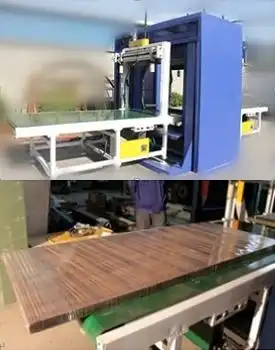
When I first started in this industry, I saw many factories struggling with these very issues. It was clear that safer methods were needed. The risks of manual packing are not just theoretical; they are real and costly.
The Immediate Dangers
Manual packing often puts workers in direct contact with heavy, moving objects. This increases the risk of immediate accidents.
- Crush Injuries: Heavy doors can fall or shift, crushing limbs or bodies. This risk is very high during lifting or positioning.
- Cuts and Abrasions: Sharp edges on doors or packing materials can cause cuts. Workers often handle these materials without full protection.
- Fatigue-Related Accidents: Long hours of manual labor lead to fatigue. Tired workers are more likely to make mistakes. These mistakes can cause serious accidents.
Long-Term Health Problems
The repetitive nature of manual packing leads to serious health issues over time. These are often called musculoskeletal disorders (MSDs).
- Back Injuries: Lifting heavy doors frequently stresses the spine. This can lead to chronic back pain, slipped discs, and other severe conditions.
- Shoulder and Neck Strain: Holding heavy doors or stretching to wrap them causes strain in the upper body. This leads to tendonitis or nerve damage.
- Carpal Tunnel Syndrome: Repetitive gripping and wrapping actions can cause nerve compression in the wrist. This results in pain, numbness, and weakness.
The Financial Impact on Indonesian Businesses
Injuries have a direct impact on a factory’s finances. For Indonesian manufacturers, these costs can be a significant burden.
- High Medical Costs: Treating work-related injuries is expensive. These costs include doctor visits, medications, and rehabilitation.
- Increased Insurance Premiums: A history of workplace injuries drives up workers’ compensation insurance rates. This means higher operating costs for the factory.
- Lost Productivity: Injured workers cannot perform their duties. This leads to production delays and missed deadlines. Other workers may also be less productive due to increased workload or low morale.
- Employee Turnover: A dangerous work environment can lead to high employee turnover. Training new staff is costly and time-consuming.
- Legal Fees and Fines: Serious accidents can result in legal action or fines from regulatory bodies. This adds to the financial strain.
Indonesia’s manufacturing sector is growing fast. To keep up, factories need to be efficient and safe. Relying on manual packing puts their growth at risk. A factory manager like Michael Chen, whom I know, always looked for ways to cut down on these exact problems. He understood that protecting workers also protects the business.
How Do Automated Door Packing Machines Boost Safety and Efficiency?
The answer to the risks of manual packing is automation. Automated door packing machines are not just about speed; they are about transforming the workplace. They remove the need for human workers to handle heavy, awkward doors, making the entire process safer and much more consistent. This change is crucial for modern factories, especially those in high-demand regions like Indonesia.
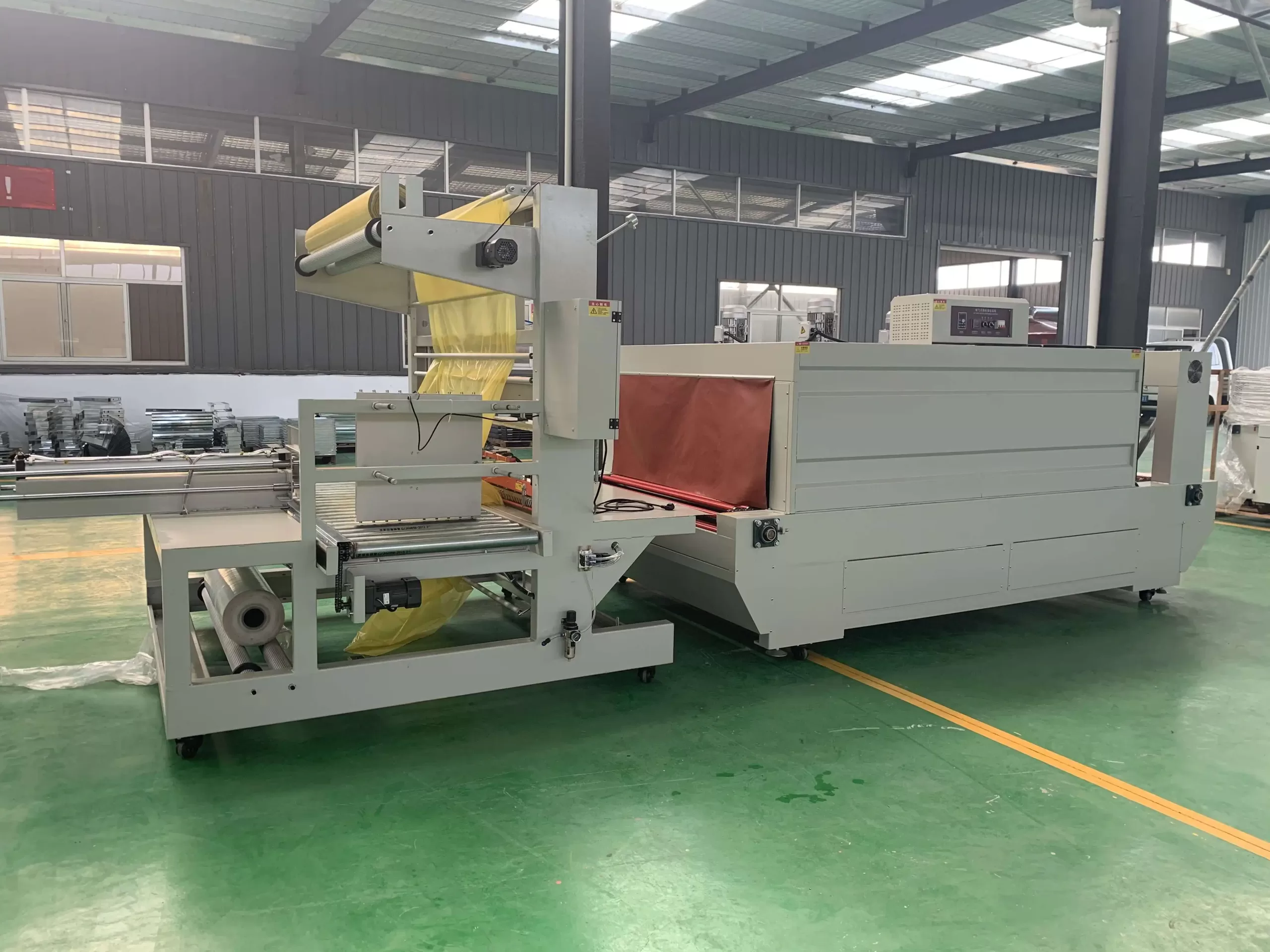
Automated machines take over the dangerous tasks of lifting, rotating, and wrapping doors. This keeps human hands and bodies away from heavy loads and moving parts. The machines use precise controls to apply wrapping materials evenly and securely, ensuring that each door is protected without human intervention. This shift greatly reduces the risk of injuries and makes the packing process much smoother.
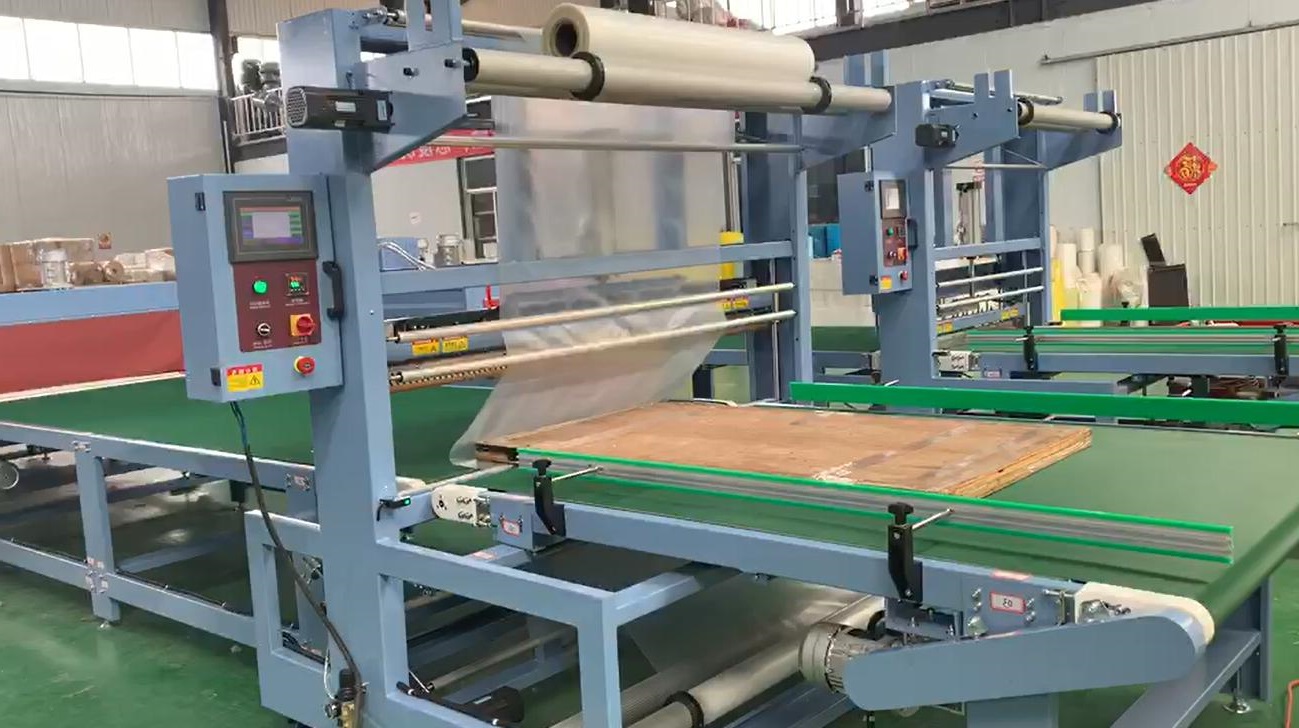
When I built my packing machine factory, I focused on designing equipment that was not only robust but also inherently safe. I knew from my own experience on the factory floor that the best machines protect the people who work around them. Automated door packing machines embody this principle.
Eliminating Manual Handling Risks
The core benefit of automation is removing humans from hazardous tasks. This directly impacts worker safety.
- No Heavy Lifting: Automated systems use conveyors, rollers, and robotic arms to move doors. Workers do not need to lift or carry heavy items. This eliminates the main cause of back injuries and strains.
- Reduced Repetitive Motions: The machine performs the wrapping and securing actions. This means workers do not need to do repetitive twisting or bending. This reduces the risk of carpal tunnel syndrome and other MSDs.
- Distance from Moving Parts: Workers operate the machine from a safe distance. Guards and safety sensors prevent access to moving parts during operation. This greatly lowers the risk of crushing injuries or entrapment.
Consistent and Secure Wrapping
Automated machines provide a level of consistency that manual packing cannot match. This consistency leads to better product protection.
- Uniform Tension: Machines apply wrapping film with consistent tension. This ensures the door is securely packaged without being too loose or too tight. A tight, stable package is less likely to shift or get damaged during transport.
- Reduced Material Waste: Automated systems measure and cut wrapping materials precisely. This reduces waste compared to manual wrapping, where excess material is often used. Less waste means lower material costs.
- Better Protection Against Damage: A consistent and secure wrap protects doors from scratches, dents, and moisture during storage and shipping. This reduces product damage and customer complaints.
Faster Throughput and Improved Efficiency
Safety goes hand-in-hand with efficiency. Automated systems speed up the packing process.
- Increased Speed: Machines operate much faster than manual labor. They can pack more doors in less time. This helps factories meet high production demands.
- Reduced Bottlenecks: Manual packing often creates a bottleneck at the end of the production line. Automated systems clear this bottleneck. They ensure a smooth flow of products to shipping.
- Optimal Labor Allocation: Workers previously assigned to manual packing can be moved to other, less hazardous tasks. They can operate multiple machines or perform quality control. This optimizes labor use across the factory.
- Predictable Performance: Machines offer predictable performance. They do not get tired or sick. This allows for better planning and more reliable production schedules. This reliability is vital for maintaining customer trust and meeting delivery deadlines.
For Indonesian manufacturers, embracing automated door packing is a strategic move. It is an investment in both worker well-being and operational excellence. It allows businesses to produce more, safer, and with higher quality.
What Are the Tangible Benefits of Investing in Automated Packing for Indonesian Businesses?
Investing in new machinery always involves a cost. But for Indonesian manufacturers, the question is not just “how much does it cost?” but “what is the return on investment?” When it comes to automated door packing machines, the benefits go far beyond just buying a piece of equipment. They lead to clear, measurable improvements in your factory’s profitability and overall strength.
These machines cut down on labor costs, reduce costly injuries, and minimize product damage. They also speed up your production and delivery times. All of these factors contribute to a strong return on your investment, making your business more competitive and financially stable.
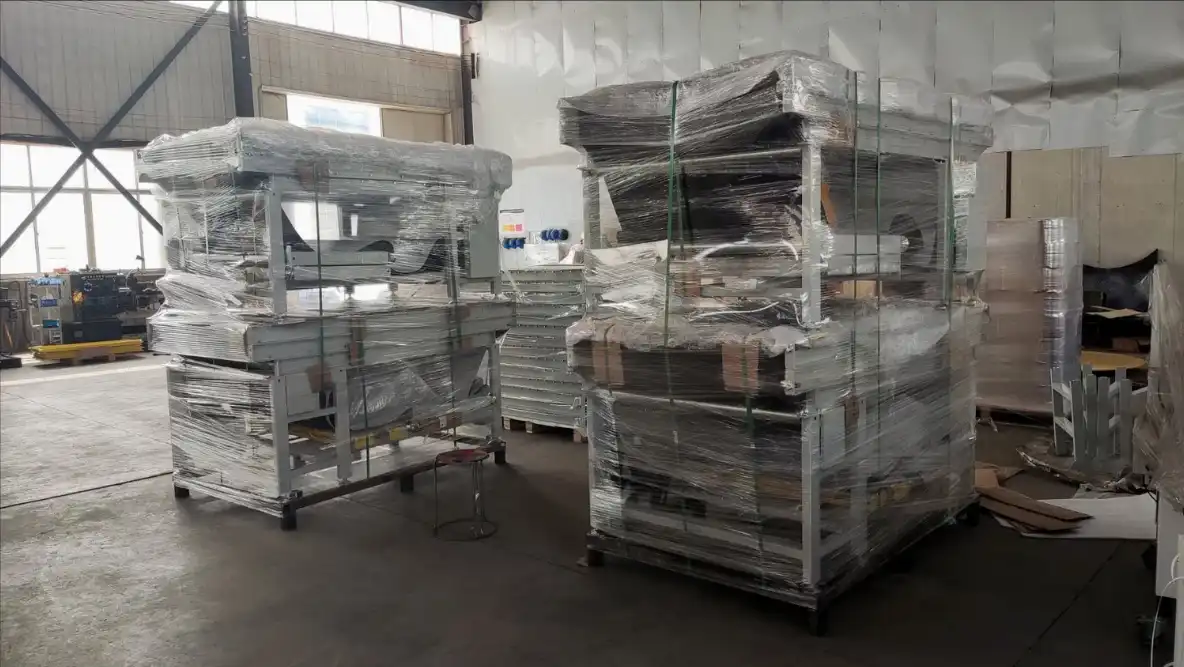
From my experience helping many clients grow their businesses, I have seen firsthand how smart investments in automation pay off. It is not just about the machine itself, but about the profound impact it has on the entire operation.
Financial Returns Through Cost Reduction
The most immediate and obvious benefit is the reduction in various operating costs.
- Lower Labor Costs: Automated machines require fewer workers for the packing process. The labor savings can be significant, especially in high-volume operations. These workers can be reallocated to other value-adding tasks within the factory.
- Reduced Injury-Related Expenses: With fewer manual tasks, the number of workplace injuries drops sharply. This leads to lower medical bills, reduced workers’ compensation claims, and decreased insurance premiums. This saves a factory a substantial amount of money each year.
- Minimized Product Damage: Automated wrapping provides consistent and superior protection. This means fewer doors are damaged during internal transport or shipping. Fewer damaged products lead to fewer customer complaints, fewer returns, and less money lost on scrap or rework.
- Optimized Material Use: Precise machine operation uses packing materials more efficiently. Less film is wasted. This contributes to lower material costs over time.
Operational Advantages and Increased Efficiency
Beyond direct cost savings, automated packing improves how your factory operates.
- Increased Output Capacity: Machines work continuously and quickly. This significantly increases the number of doors that can be packed per shift. This helps factories meet higher demand and take on larger orders.
- Faster Delivery Times: A more efficient packing process means products are ready for shipment sooner. This leads to faster delivery to customers. Faster delivery can be a major competitive advantage in the market.
- Improved Product Quality: The consistent wrapping quality ensures that doors arrive at their destination in perfect condition. This boosts customer satisfaction and strengthens your brand reputation.
- Reduced Production Bottlenecks: Manual packing often slows down the entire production line. Automation eliminates this bottleneck. This allows the factory to operate more smoothly from start to finish.
Market Competitiveness and Growth Potential
Factories that embrace automation are better positioned for future growth.
- Enhanced Reputation: A factory known for its high-quality products and reliable delivery gains a strong reputation. This attracts more customers and strengthens existing relationships.
- Ability to Scale: With efficient packing, factories can easily scale up production without proportionally increasing labor costs or safety risks. This makes it easier to expand operations and enter new markets.
- Attracting and Retaining Talent: A safer workplace is more attractive to skilled workers. Reducing injury risks shows a commitment to employee well-being. This helps retain experienced staff and reduces turnover costs.
- Meeting International Standards: Many international buyers prefer suppliers who use modern, safe, and efficient manufacturing practices. Automation helps Indonesian factories meet these global standards.
Michael Chen, the factory manager I mentioned, aimed for clear ROI. He wanted solutions that would reduce labor, boost safety, and cut costs. Automated door packing directly addresses these goals. For Indonesian manufacturers, these benefits are not just desirable; they are essential for sustainable growth in a competitive global market.
Is an Automated Door Packing Solution Right for Your Factory?
Deciding to invest in automation is a big step. It requires careful thought. Many Indonesian manufacturers might wonder if a door packing machine truly fits their specific needs. The simple answer is yes, if you are looking to overcome common factory challenges like high injury rates, slow production, and inconsistent quality. But it is important to look closely at your own operations.
An automated door packing solution is ideal for factories dealing with significant manual handling of doors, production bottlenecks at the packing stage, or a strong desire to improve worker safety and efficiency. It is about aligning the technology with your unique operational context and growth ambitions.
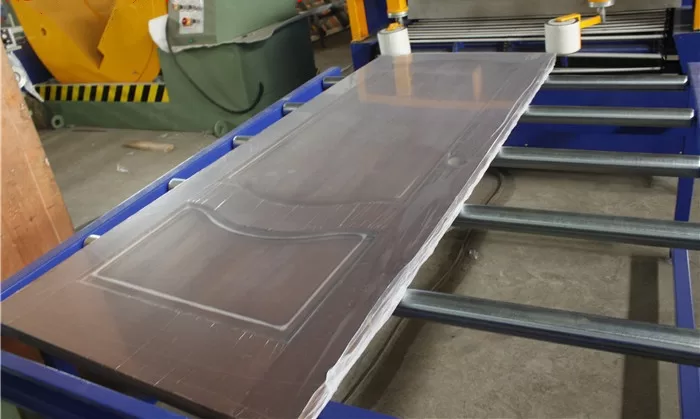
From my journey establishing a successful packing machine factory and helping countless clients, I have learned that the best solutions come from understanding the actual needs of the business. It is not just about selling a machine. It is about providing a solution that truly solves problems.
Assessing Your Factory’s Needs
Before making a decision, consider these points about your current operations.
- Production Volume: Do you produce a high volume of doors daily? The higher your output, the greater the efficiency gains from automation will be. Manual packing becomes a major bottleneck with large volumes.
- Types of Doors: Are your doors heavy, bulky, or oddly shaped? These characteristics make manual handling more difficult and dangerous. Automated machines can handle a wide range of sizes and weights with ease.
- Existing Space: Do you have enough floor space for an automated system? While compact, these machines do require dedicated space. Planning the layout is an important step.
- Budget and ROI Expectations: What is your budget for this investment? More importantly, what are your expected returns in terms of labor savings, reduced injuries, and increased output? As I showed earlier, the ROI is often very clear.
- Current Safety Record: Are you seeing a high number of packing-related injuries? If so, automation is not just an efficiency upgrade; it is a critical safety intervention.
Choosing the Right Partner
Finding the right machine is only part of the solution. Choosing the right supplier is equally important. This is where my company, FHOPEPACK, comes in.
- Expertise and Experience: Look for a supplier with deep knowledge of packing processes and machinery. My background, starting from the factory floor and building a successful packing machine business, gives me a unique perspective. I know the challenges you face because I have faced them too.
- Customization Capabilities: Every factory is different. A good partner can offer customized solutions that fit your specific doors, production line, and space constraints. We do not offer one-size-fits-all solutions.
- After-Sales Support: What happens after the machine is installed? Reliable after-sales service, including spare parts, maintenance, and technical support, is crucial. A machine is only as good as its uptime. We pride ourselves on comprehensive support.
- Commitment to Partnership: As Michael Chen hoped to find, a true partner understands your production bottlenecks, safety concerns, and efficiency goals. They work with you to find the best solution, not just sell a product. This aligns perfectly with FHOPEPACK’s mission of sharing knowledge and helping businesses grow. We are here to help you truly master your wrapping process.
Long-Term Growth and Sustainability
An automated packing solution is an investment in your factory’s future.
- Sustainable Practices: Reducing product damage and optimizing material use contributes to more sustainable manufacturing. This aligns with global trends and consumer expectations.
- Employee Morale: A safer workplace boosts employee morale and job satisfaction. Workers feel valued when their safety is prioritized. This leads to a more stable and dedicated workforce.
- Competitive Edge: Factories that embrace automation gain a significant competitive edge. They can produce more efficiently, deliver faster, and offer better-quality products. This positions them for stronger market presence.
- Future-Proofing: Investing in modern technology helps future-proof your operations. It prepares your factory for increased demand and evolving industry standards.
Ultimately, the decision to automate is a strategic one. It is about moving your factory forward, making it safer, more efficient, and more profitable. For Indonesian manufacturers, this technology offers a clear path to achieving these goals.
My Insights
When I started FHOPEPACK, my goal was always to share the knowledge I gained. I began my journey as an employee in a packing machine factory, worked hard, and eventually built my own successful business. This experience, from the shop floor to managing a thriving company, showed me the incredible power of automation. It was through smart packing and wrapping solutions for products like coils and steel wires that I achieved financial independence and helped many of my clients grow their businesses too. For Indonesia’s manufacturers, embracing automated door packing is more than just buying a machine. It is a strategic move towards a safer, more productive, and more profitable future. It is about empowering your workers, streamlining your operations, and securing your place in the competitive global market. I am dedicated to sharing my expertise and insights to help you navigate this path successfully, just as I have helped others master their wrapping processes.
Conclusion
Automated door packing machines significantly reduce labor injuries and boost efficiency for Indonesian manufacturers. Investing in this technology offers clear ROI, enhancing safety, cutting costs, and improving market competitiveness for sustainable growth.








