
Door Packing Machine for Malaysia: Solving the Challenge of Balancing Automation with Labor Cost?
Have you ever felt caught between two big decisions? On one side, you see the clear benefits of automation: faster work, fewer mistakes, better safety. On the other side, you worry about the initial cost and what it means for your current workforce. This is a common struggle for factory managers in Malaysia and beyond. It is about finding the sweet spot where technology helps you grow without causing new problems.
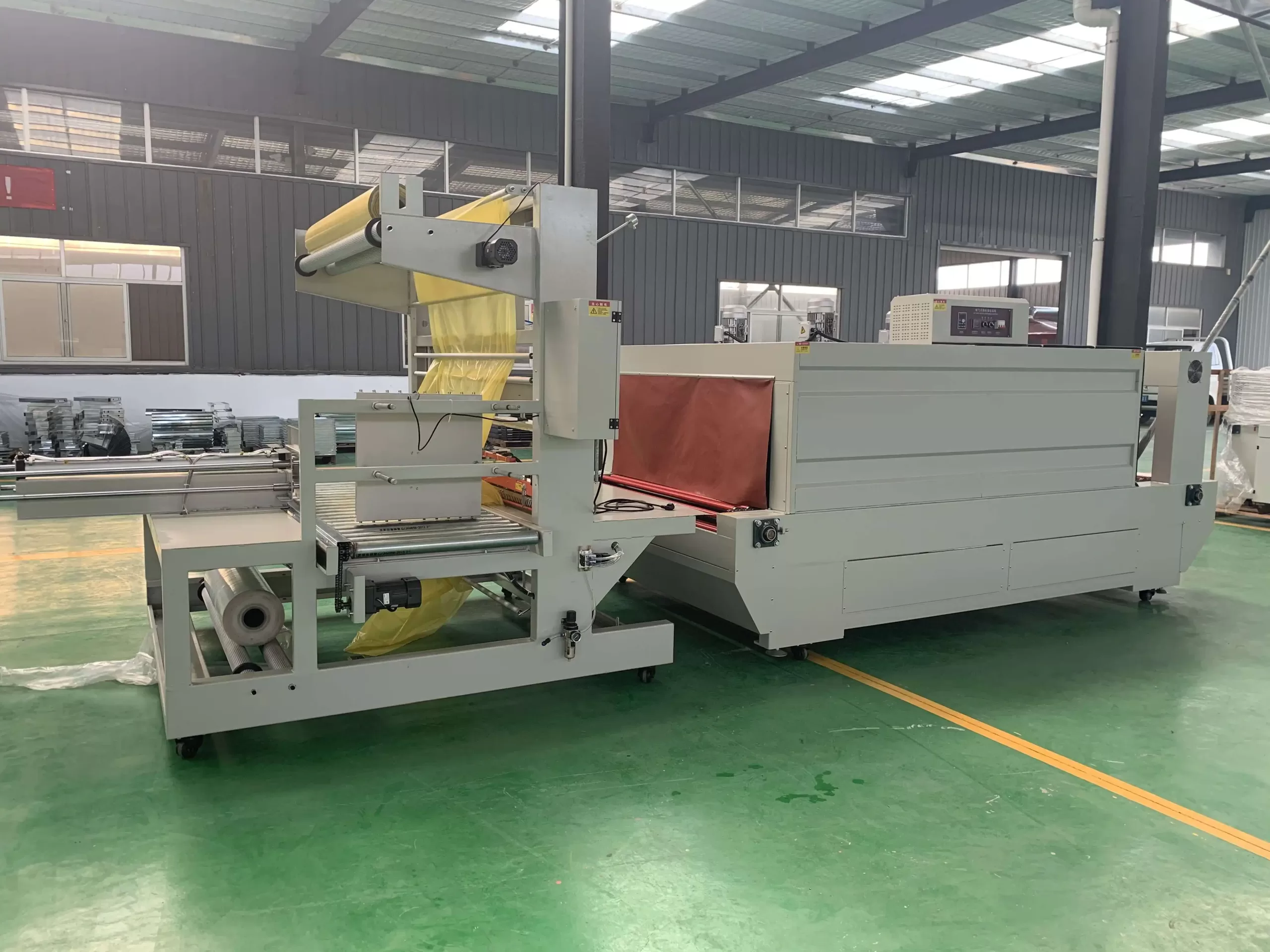
The key to solving this balance for businesses in Malaysia often lies in smart investments like a door packing machine. These machines automate the heavy, repetitive, and often risky task of wrapping large, heavy products like doors, panels, or even steel coils. They drastically cut down on manual labor needs for these specific tasks, boost output, and significantly improve worker safety, all while ensuring product quality for your customers.
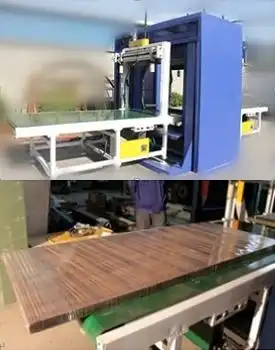
So, how exactly does a door packing machine help you hit that perfect balance? And what does it mean for your factory’s future in Malaysia? Let us dive in and explore how this single investment can reshape your operations, protect your people, and boost your bottom line.
How Can a Door Packing Machine Transform Your Production Flow?
Do you ever feel like your production line hits a wall right at the end? You have manufactured your product, but then the packing process slows everything down. This bottleneck can cause delays, push back delivery times, and even limit your overall output. It is a frustrating problem that many factories face.
A door packing machine directly addresses this problem by bringing automation to a critical, often manual, part of your process. It wraps products quickly and consistently, removing the need for multiple workers to manually stretch and secure heavy packing materials. This speeds up your entire end-of-line operation, allowing your factory to produce more and ship faster.
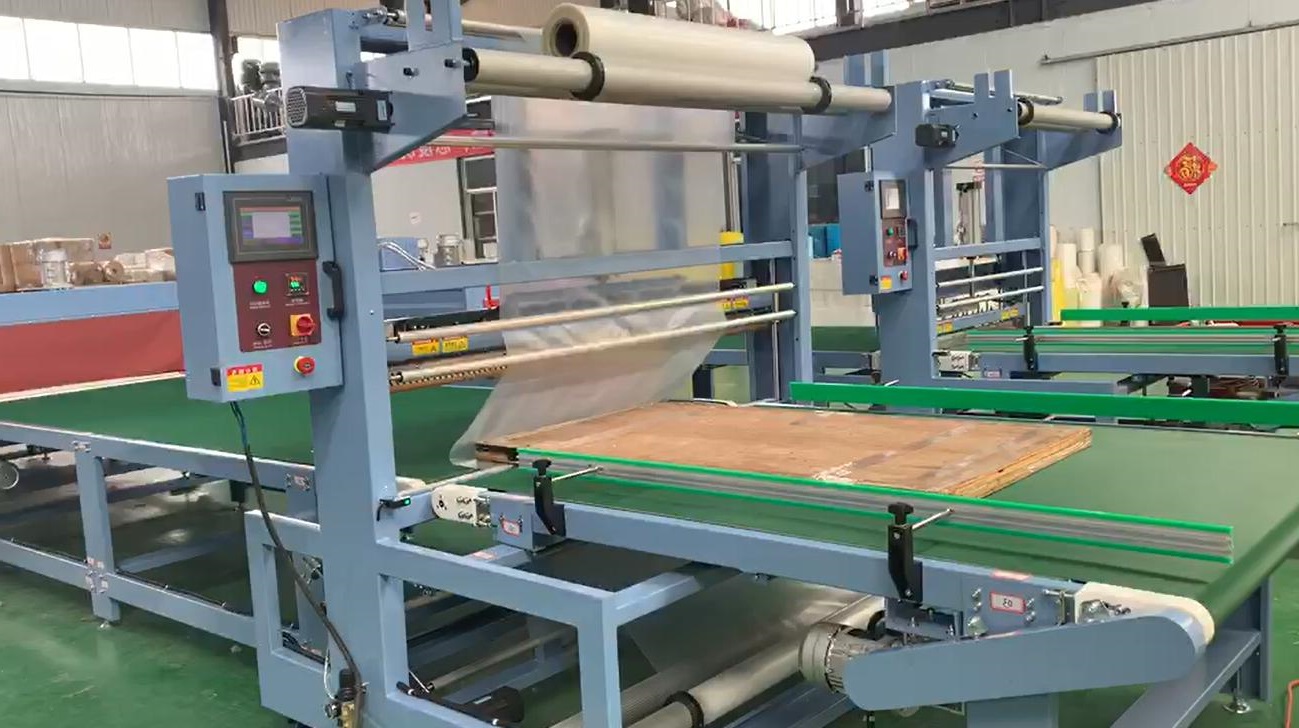
When I first started my packing machine factory, I saw how much time and effort went into manual packing. It was clear that this was an area where automation could make a huge difference. For a factory manager like Michael, who oversees everything from raw materials to finished goods, improving this one area can have a ripple effect across the entire plant. Manual packing of large items like doors or panels is not only slow but also inconsistent. Each package might look different, and the quality of the wrap can vary. This affects not just how quickly you can move products out the door, but also how your customers perceive your brand.
-
Addressing Inefficiencies in Manual Packing Manual packing involves workers physically wrapping items, often walking around large products with heavy rolls of film or strapping. This process is inherently slow. It requires multiple steps: unrolling the film, pulling it tight, securing it, and then repeating the process. For heavy items, it might even require two or more people. This uses up valuable labor hours that could be better spent on other tasks. Think about the time it takes for a team of workers to wrap just one large door or panel. Now multiply that by hundreds or thousands of units per day. The time adds up fast.
-
How Automation Boosts Throughput A door packing machine works at a consistent, high speed. It applies film or other packing materials evenly and tightly, ensuring a secure package every time. Once loaded, the machine handles the wrapping process on its own. This means fewer human errors, less wasted material, and a much faster cycle time per unit. This increased speed directly translates to higher throughput for your factory. If you can pack more items per hour, you can produce more overall. This is especially important for factories in Malaysia looking to scale up production to meet growing market demands, both locally and for export.
-
Impact on Overall Production Flow The packing stage is often the last step before shipping. If this step is a bottleneck, it can cause finished products to pile up, leading to storage issues and delays. By automating the packing process, you create a smoother flow. Products move from manufacturing to packing to shipping without unnecessary holdups. This improves your factory’s overall efficiency and responsiveness. It also helps in keeping production schedules on track, which is vital for meeting customer deadlines and maintaining a good reputation. It truly transforms the end-of-line process from a struggle into a streamlined operation.
Are Your Workers Truly Safe Without Automated Packing?
Think about the daily tasks in your factory. Do your workers regularly lift heavy items or maneuver large, awkward products? These actions, especially when done repeatedly, carry significant risks. Sprains, strains, and even severe injuries are common. Beyond the human cost, these injuries lead to higher insurance premiums and worker turnover. It is a challenge that keeps many factory managers up at night.
An automated door packing machine greatly reduces the need for manual handling of heavy items. Workers no longer need to physically wrap around large, cumbersome products or manually secure strapping. Instead, the machine takes on the heavy lifting and repetitive motions, keeping your team away from potential hazards. This directly improves safety in your workplace.
When I started FHOPEPACK, one of my core beliefs was that technology should not just make work faster but also safer. I have seen firsthand the risks involved in manual heavy lifting in factories. Many times, I have heard stories of workers getting injured during the packing process. For a manager like Michael, who values his team, this aspect of automation is not just a bonus; it is a necessity. Improving safety reduces accidents, yes, but it also creates a better work environment where employees feel valued and protected. This leads to higher morale and less absenteeism, which are crucial for any successful factory.
-
Understanding Manual Handling Risks Manual handling of heavy or awkward objects is a leading cause of workplace injuries. Workers can suffer from back injuries, muscle strains, joint damage, and even fractures. These injuries often occur when lifting, carrying, pushing, pulling, or twisting with heavy loads. The risk increases when tasks are repetitive, require awkward postures, or involve very heavy items like large doors or steel coils. In a busy factory setting in Malaysia, where production targets are high, workers might rush, further increasing the risk of accidents. Beyond physical injuries, repetitive strain injuries (RSIs) can develop over time, leading to chronic pain and long-term disability.
-
How Automation Minimizes Risk Automated door packing machines are designed to take over the tasks that pose the greatest risk to human workers. The product is typically loaded onto a conveyor or turntable, and the machine handles all the wrapping. This removes the need for workers to physically carry or maneuver heavy doors. It also eliminates the repetitive bending, twisting, and reaching motions associated with manual wrapping. By reducing human contact with the product during the packing process, you significantly lower the chance of accidents. This proactive approach to safety can lead to a dramatic decrease in workplace injuries and associated costs.
-
Creating a Safer Work Environment Investing in automated packing equipment sends a strong message to your employees: their safety matters. A safer work environment leads to higher employee morale and retention. When workers feel protected, they are more likely to be engaged and productive. It also reduces the hidden costs of injuries, such as lost workdays, retraining new employees, and increased insurance premiums. For a factory in Malaysia, where labor is a key asset, maintaining a healthy and safe workforce is crucial for sustainable growth. It is not just about avoiding fines; it is about building a strong, reliable team.
Can Automation Truly Reduce Costs and Boost Your Bottom Line?
Many factory managers view automation as a big upfront expense. They worry about the investment and whether it will truly pay off. This leads to hesitation, even when they know their current manual processes are bleeding money through inefficiency, product damage, and high labor costs. The question is, how can you be sure automation will deliver a clear return on investment?
Investing in a door packing machine can deliver a strong return on investment (ROI). It reduces direct labor costs for packing, minimizes product damage during handling and transit, and optimizes material usage. By cutting down on these expenses, the machine helps to significantly lower your operational costs and boost your factory’s overall profitability.
When I started my journey in the packing machine industry, I realized that for clients, it was always about more than just the machine itself. It was about how that machine would impact their finances. I helped many clients grow their businesses by showing them the clear financial benefits of automation. For someone like Michael, who is under pressure to control costs and increase output, demonstrating a clear ROI is critical. He needs to see how this investment translates into real savings and increased profits for his factory in Malaysia.
-
Labor Cost Reduction Manual packing requires a significant number of workers, especially for high-volume operations or large products. These labor costs include wages, benefits, and potentially overtime. An automated door packing machine can often replace several human packers, especially for repetitive tasks. While there is an initial investment in the machine, the long-term savings from reduced labor expenses can be substantial. For example, if a machine can do the work of three to five employees, those employees can be reallocated to other value-adding tasks within the factory, or their positions can be gradually reduced through attrition. This is a direct and measurable saving.
-
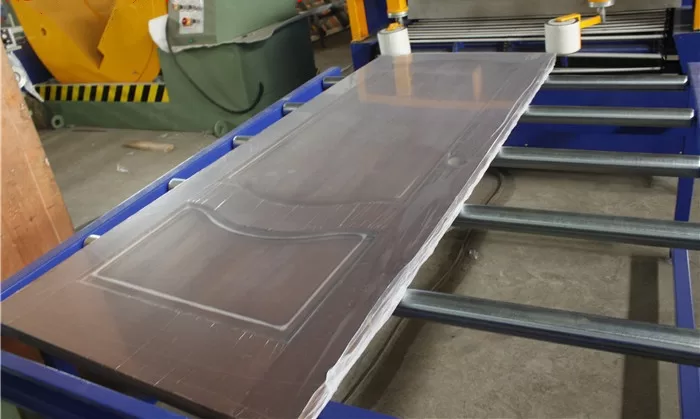
Minimizing Product Damage and Loss Manual handling of heavy or delicate products like doors or panels often leads to damage. This could be scratches, dents, or edge damage during movement or improper packing. Damaged products result in customer complaints, returns, rework, and ultimately, lost revenue. An automated packing machine handles products gently and consistently. It applies protective wrapping evenly and securely, reducing the risk of damage during internal transport and shipping. This translates into fewer quality issues, happier customers, and a significant reduction in waste and financial losses from damaged goods.
-
Optimizing Material Usage Manual wrapping can be wasteful. Workers might use too much film, or apply it unevenly, leading to re-wraps or insufficient protection. Automated machines are programmed to use the precise amount of material needed for each package. They apply film tightly and efficiently, minimizing waste. Over time, these small savings on packing materials add up to considerable cost reductions. Furthermore, consistent packing ensures that packages are compact, which can lead to lower shipping costs, especially for factories in Malaysia that ship products across various regions or internationally. This holistic approach to cost-saving makes a strong case for automation.
Why Is Finding a Trusted Packing Machine Supplier Crucial for Your Success?
Have you ever bought equipment only to be left in the lurch when problems arose? Many factory managers have faced suppliers who are quick to sell but slow on after-sales service. This creates a sense of distrust and makes future investments risky. When you are looking to automate a critical part of your production, you need a partner, not just a vendor.
Finding a supplier like FHOPEPACK, with deep industry experience and a proven track record, is essential. We understand your production bottlenecks, safety concerns, and efficiency goals. We offer professional insights and reliable solutions, ensuring that your investment in a door packing machine truly solves your problems and drives business growth.
My own journey, from an employee to owning a successful packing machine factory, taught me the importance of building trust. I did not just sell machines; I helped my clients achieve their goals. I understand the challenges Michael faces because I have lived through them, both as an engineer and as a factory owner. For a factory manager in Malaysia looking to make a significant investment, knowing that your supplier will be there for you, offering support and expertise, is just as important as the machine itself. This is why I founded FHOPEPACK: to be that trusted knowledge-sharing platform and partner.
-
The Problem with Transactional Relationships Many equipment suppliers focus solely on the sale. Once the machine is delivered and paid for, their involvement often diminishes. This leaves factory managers vulnerable when technical issues arise, spare parts are needed, or when they require guidance on optimizing machine performance. For complex machinery like a door packing machine, reliable after-sales support is not just a convenience; it is a necessity. Without it, a small technical glitch can lead to significant downtime, negating any efficiency gains and causing frustration. A transactional relationship offers no long-term value beyond the initial purchase.
-
The Value of an Expert Partner A true expert partner goes beyond selling a machine. They take the time to understand your specific operational challenges, your production goals, and your existing setup. They offer insights based on years of industry experience, helping you choose the right machine and integrate it seamlessly into your production line. This includes advising on layout, power requirements, and even training for your staff. For Michael, who seeks a partner who understands his production bottlenecks and safety concerns, this expertise is invaluable. An expert can anticipate potential issues and provide solutions before they become major problems.
-
Ensuring Long-Term Success and ROI Choosing the right partner ensures that your investment in a door packing machine not only solves immediate problems but also supports your long-term growth. A reliable supplier provides consistent technical support, readily available spare parts, and even offers maintenance services. This reduces the risk of costly downtime and extends the lifespan of your equipment. For factories in Malaysia, especially those operating in demanding sectors, continuity of operations is key. A trusted partner will help you maximize the machine’s uptime and performance, ensuring you continue to reap the benefits of your automation investment for years to come. This peace of mind is priceless.
My Insight!
From my journey building a packing machine factory, I have learned that the best investments are not just about the machine itself, but about the true problem it solves and the reliable partnership behind it. I understand the pressures Michael faces. The goal is not just to automate, but to automate smartly, making your factory in Malaysia safer, more efficient, and ultimately more profitable. It is about strategic growth.
Conclusion
Investing in a door packing machine offers a clear path to balancing automation with labor costs, improving safety, and boosting profitability for factories in Malaysia.








