
Why is coil wrapping machine technology crucial for improving product packaging in Indonesia?
Are you struggling with slow packaging lines, frequent product damage, or worried about worker safety in your factory? These are common pains many factory managers face, especially in a bustling industrial landscape like Indonesia. The truth is, outdated packaging methods do not just slow you down; they cost you money and put your team at risk.
Coil wrapping machine technology is crucial for improving product packaging in Indonesia because it directly tackles key operational challenges, including enhancing efficiency, boosting worker safety, reducing product damage, and ultimately driving down costs for manufacturers across various industries like steel and wire. This advanced automation helps Indonesian businesses compete more effectively by ensuring products are protected and processes are streamlined.
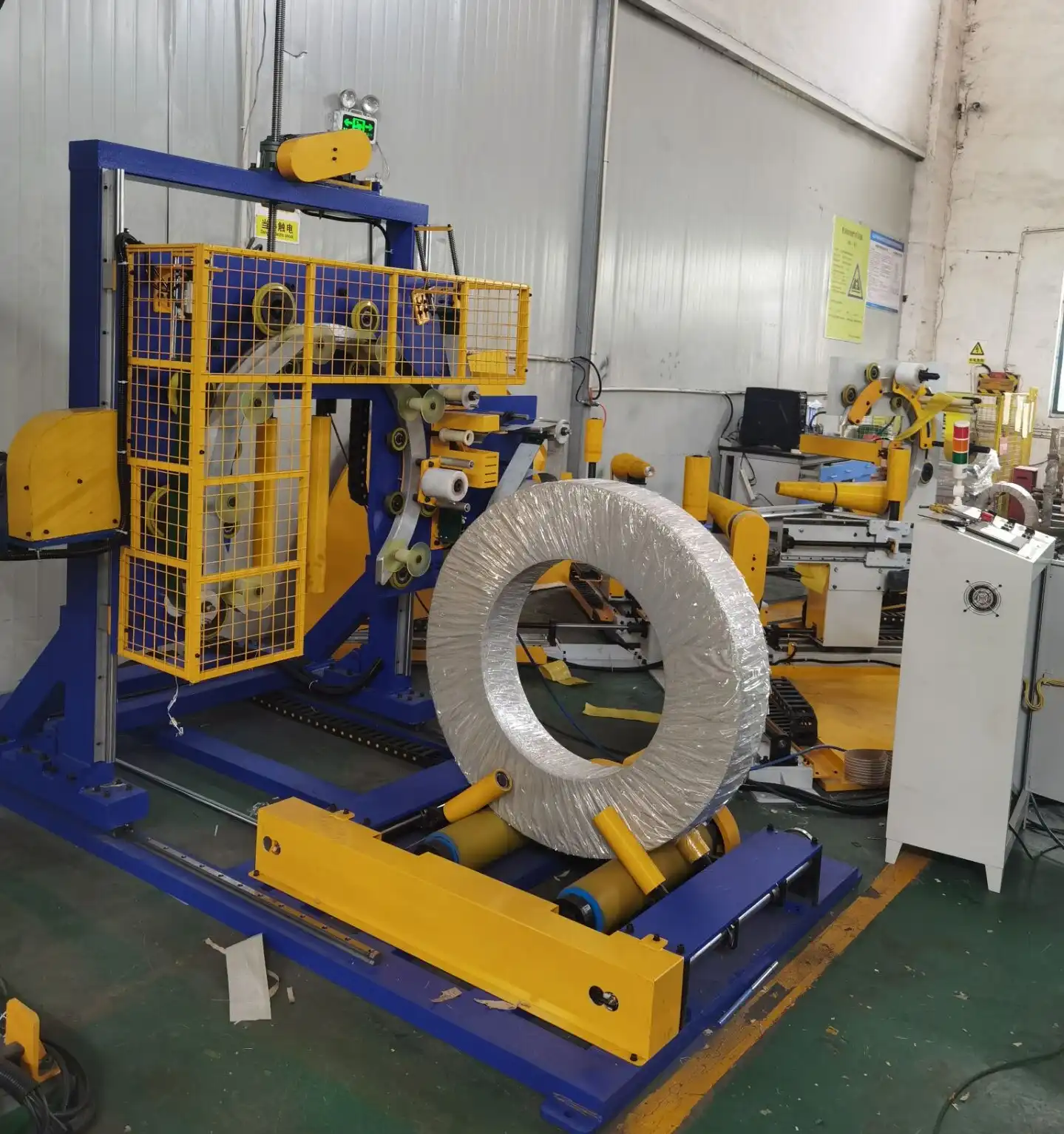
My journey in the packing machine industry taught me that real solutions come from understanding these challenges firsthand. From working on the factory floor to building my own successful packing machine company, I have seen how the right technology can transform operations. Let’s explore why coil wrapping machines are not just an option, but a necessity for Indonesian industries aiming for excellence.
1. How do coil wrapping machines speed up packaging in Indonesia?
Is your current packaging process a bottleneck, slowing down your entire production line? Many factories, especially in rapidly developing economies like Indonesia, rely on manual labor for packaging heavy coils, which can severely limit output and delay critical shipments.
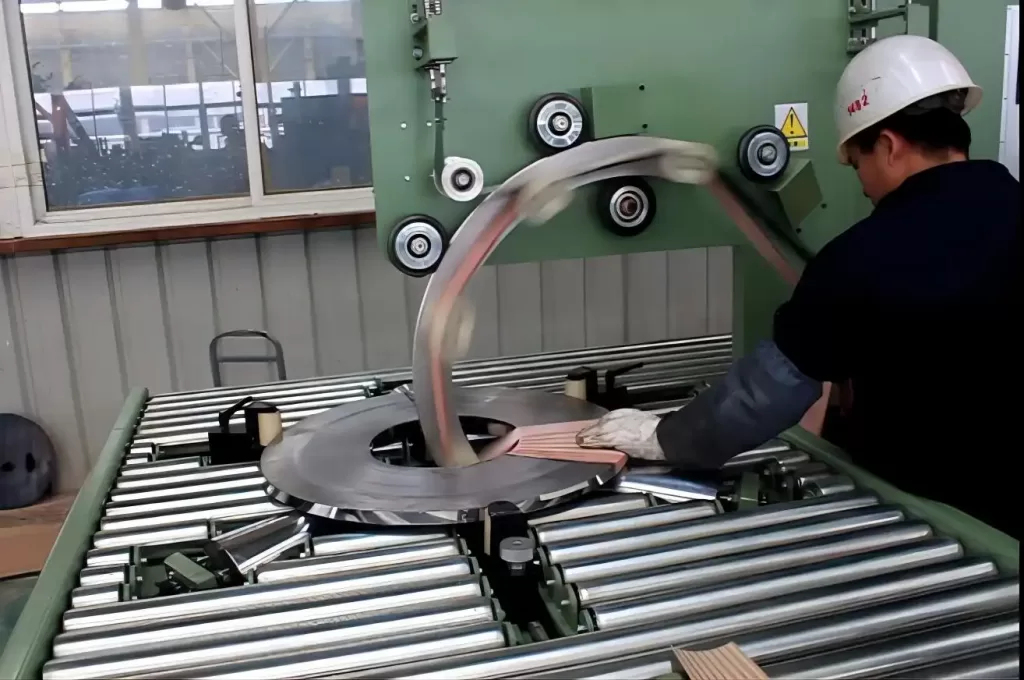
Coil wrapping machines significantly speed up packaging in Indonesia by automating a labor-intensive process, achieving faster wrapping cycles and consistent output that manual methods cannot match. This automation removes human error, reduces downtime, and allows Indonesian manufacturers to handle higher volumes, meeting demand more efficiently and improving delivery times.
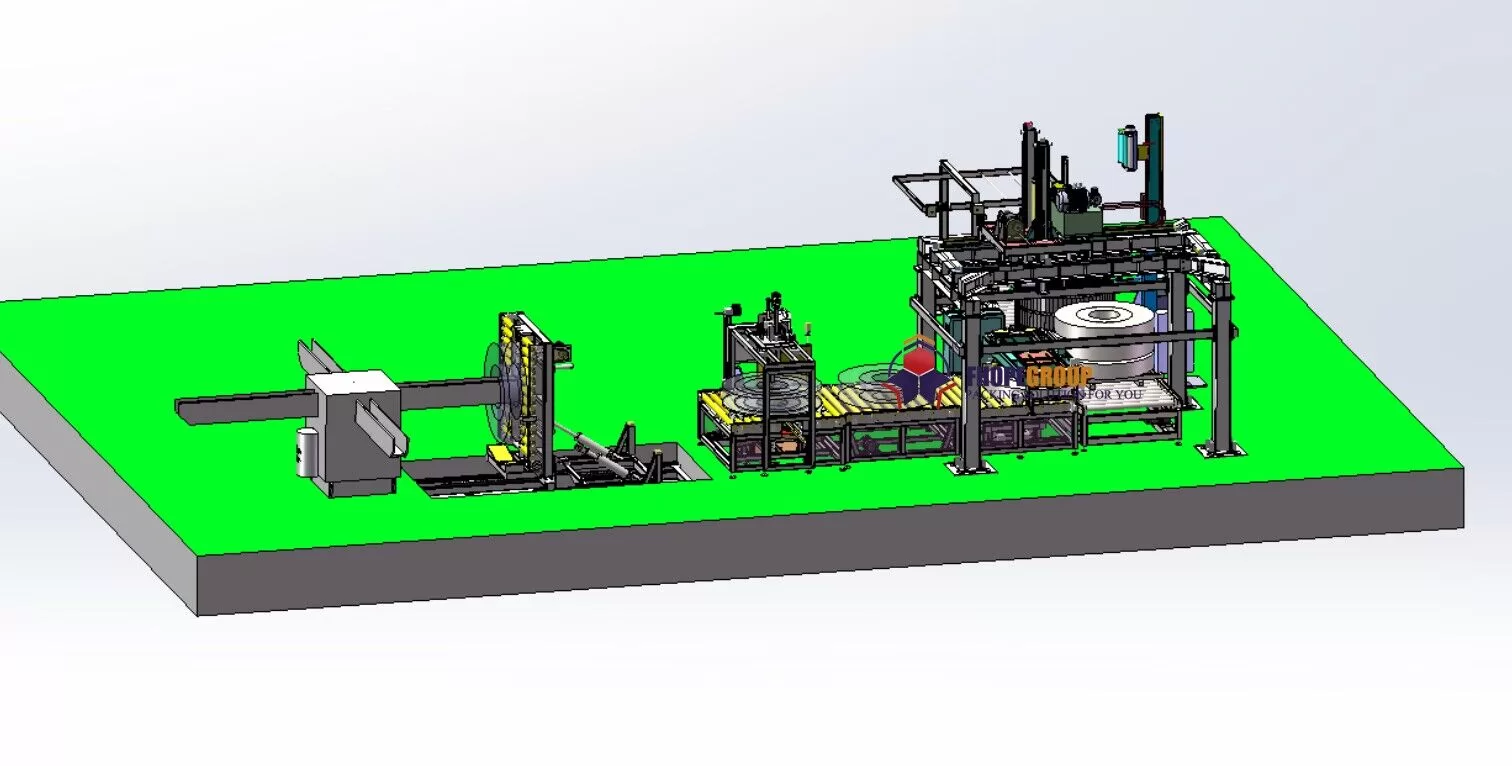
From my own experience, I know that speed in production is key. When I started my factory, every second counted. Automating crucial steps, especially at the end of the line, makes a huge difference. For Indonesian factories, this means being more competitive both locally and globally. Manual coil wrapping often takes a long time. It also needs many workers. These workers might get tired. Their speed can change. A machine works at a steady, fast pace. It does not get tired. It can wrap a coil in minutes, sometimes even faster. This is much quicker than several people doing the same job.
The Impact of Automation on Production Throughput
Automating the packaging process with coil wrapping machines has a direct and powerful impact on a factory’s overall production throughput. In Indonesia’s growing manufacturing sector, where demand often fluctuates and lead times are tight, the ability to process more goods faster is a distinct advantage.
- Consistent Cycle Times: Machines operate at a predictable speed. This means you can plan your production more accurately. There are no unexpected slowdowns due to human fatigue or error. This consistency makes the entire production line run smoother. It helps in scheduling other processes as well.
- Reduced Labor Dependence: Manual wrapping needs many workers. These workers could be doing other tasks. A coil wrapping machine often needs only one or two operators. This frees up your team. They can then focus on more skilled jobs. This also means you do not need to hire as many people for packaging.
- Higher Output Volume: Because machines are fast and consistent, they can wrap many more coils in a shift. This increased volume helps factories meet large orders. It also allows them to take on new business. For Indonesian companies, this means growing their market share. It also helps them serve more customers.
- Integration with Production Lines: Modern coil wrapping machines fit easily into existing production lines. They can work with conveyors and other automated systems. This creates a seamless flow from production to packaging. This integration reduces delays between steps. It makes the whole process more efficient.
Consider a factory in Indonesia that produces steel coils. Before, they might have needed four people to manually wrap 50 coils per shift. With a coil wrapping machine, two people can easily wrap 200 coils in the same shift. This is a big increase in output. It changes how the factory can compete. It helps them serve their customers better. It also helps them grow their business. The upfront investment in a machine quickly pays for itself through these gains.
2. Can these machines reduce risks for Indonesian workers?
Do you constantly worry about the safety of your workers, especially those handling heavy and awkward materials? In many Indonesian factories, manually moving and wrapping large, heavy coils poses significant risks, leading to injuries and high insurance costs.
Coil wrapping machines greatly reduce risks for Indonesian workers by minimizing or eliminating the need for manual handling of heavy coils, thus preventing common workplace injuries like strains, sprains, and crush accidents. This shift to automation creates a safer work environment, reducing incidents, lowering insurance premiums, and improving overall worker well-being in Indonesian manufacturing plants.
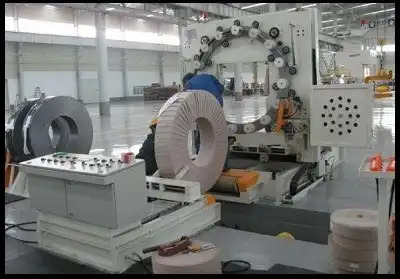
When I was first starting out, I saw firsthand the dangers workers faced. Lifting heavy objects, twisting, bending – these actions take a toll. My aim was always to find ways to make work safer, not just more efficient. For Indonesian factories, where a strong workforce is vital, protecting workers is not just good practice; it is essential for long-term success. The heavy nature of coils, whether steel, copper, or wire, means that manual handling is always risky. Workers can easily injure their backs, arms, or feet. Dropped coils can cause serious harm. Accidents also lead to lost work days. This hurts production. It also costs the company money.
How Automation Improves Workplace Safety Metrics
Implementing coil wrapping machines directly improves safety metrics by removing workers from hazardous situations. This positive change is seen in lower injury rates and improved morale.
- Elimination of Manual Lifting: This is the most direct benefit. Workers no longer need to lift or position heavy coils. The machine does all the heavy work. This prevents back injuries, muscle strains, and other musculoskeletal disorders. These are very common in industrial settings.
- Reduced Exposure to Moving Parts: While machines have moving parts, workers are kept at a safe distance during operation. Modern coil wrapping machines come with safety features. These include emergency stop buttons, safety guarding, and light curtains. These features prevent accidents. They protect workers from getting caught in the machinery.
- Lower Risk of Dropped Loads: Manual handling of heavy coils always carries the risk of dropping them. This can cause severe injuries to feet or legs. It can also damage the product. Automated systems hold coils securely. They move them safely through the wrapping process. This removes the risk of dropped loads.
- Improved Ergonomics: Even without heavy lifting, manual wrapping tasks involve repetitive motions. These can lead to repetitive strain injuries. Automated machines perform these tasks. This allows human operators to supervise from a safe, ergonomic position. This reduces strain on their bodies over time.
- Reduced Fatigue-Related Accidents: Long shifts and repetitive tasks cause worker fatigue. Tired workers are more prone to making mistakes. These mistakes can lead to accidents. Automation reduces the physical burden on workers. This means they are less likely to become fatigued. This keeps them more alert and safer.
My experience has shown me that investing in safety technology pays off. It creates a better environment for employees. It also protects the company from costly legal issues and higher insurance costs. For Indonesian factories, this means a happier, healthier, and more productive workforce. It builds trust between the company and its employees.
3. How do coil wrappers prevent damage to goods in transit within Indonesia?
Are you tired of receiving customer complaints about damaged products, like scuffed coil edges or unraveling wire? In Indonesia, where goods often travel long distances across various terrains and climates, inadequate packaging can lead to significant product damage and lost profits.
Coil wrapping machines prevent damage to goods in transit within Indonesia by applying tight, consistent, and protective layers of packaging material around coils, shielding them from external elements, abrasion, and impact. This secure wrapping ensures that products like steel coils and wire arrive at their destination in perfect condition, reducing customer complaints and costly returns for Indonesian manufacturers.
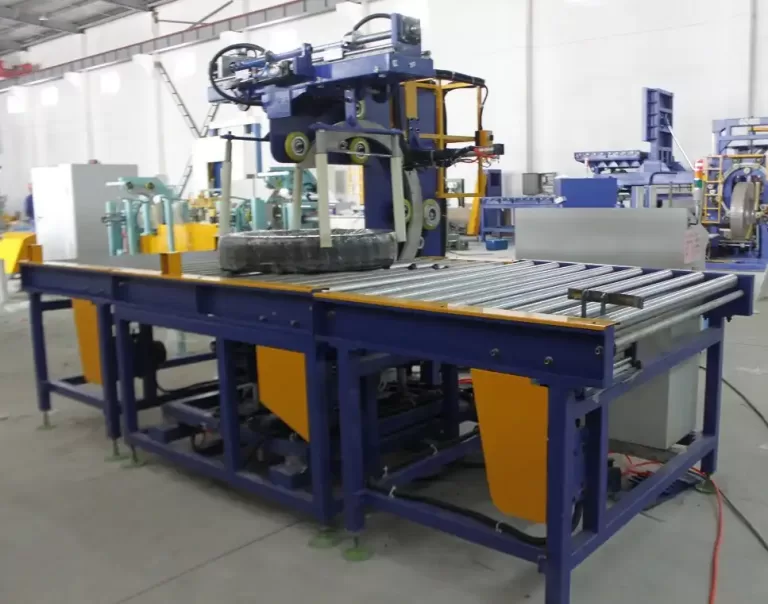
I have always believed that packaging is the final handshake with your customer. If that handshake is weak, it leaves a bad impression. Product integrity is key. In the coil and wire industry, where products can be heavy and susceptible to damage, proper packaging is not just an added feature—it’s a critical part of quality control. The winding method of the machine ensures total coverage. This includes edges and sides. It protects against dust, moisture, and impact. This is very important for long journeys.
The Role of Precision Wrapping in Product Protection
Precision wrapping by a coil wrapping machine is vital for protecting products throughout the supply chain, particularly in a diverse geographical area like Indonesia, where transportation conditions can vary.
- Consistent Tension and Overlap: Manual wrapping often has inconsistent tension. This can leave parts of the coil exposed. It can also lead to loose packaging. A machine applies wrapping material with uniform tension. It also ensures consistent overlap. This creates a strong, tight protective layer. This layer will not shift or unravel during transit.
- Protection Against Environmental Factors: Coils can be sensitive to moisture, dust, and UV light. These elements can cause rust, corrosion, or degradation. The wrapping material acts as a barrier. It shields the product from these harmful environmental factors. This is very important for products shipped over sea or stored outdoors in Indonesia’s tropical climate.
- Impact and Abrasion Resistance: During loading, unloading, and transit, coils can bump into other items. They can also rub against surfaces. This can damage their edges or surfaces. The multiple layers of wrapping material absorb impact. They also prevent abrasion. This keeps the coil’s integrity intact.
- Secure Bundling: For wire coils or multiple smaller coils, the machine can bundle them together tightly. This prevents them from moving against each other. It also keeps them from becoming tangled. This secure bundling maintains the product’s shape and quality. It also makes handling easier.
- Reduced Contamination: The tight seal created by the machine keeps out dirt and other contaminants. This is crucial for products that need to remain clean, such as those used in sensitive manufacturing processes. This level of cleanliness is hard to achieve with manual methods.
From my experience, when I developed solutions for coil packing, a key goal was always to deliver products that looked as good as when they left the factory. This attention to detail builds customer trust and reduces costly claims. For Indonesian businesses, this means delivering quality every time. It strengthens their reputation in the market.
4. What financial benefits do Indonesian factories gain from this investment?
Are you looking for ways to cut costs and boost your factory’s bottom line? Many factory managers in Indonesia grapple with high operational expenses linked to manual labor, material waste, and product damage, making a strong return on investment (ROI) a top priority for any new equipment.
Indonesian factories gain significant financial benefits from investing in coil wrapping machines through reduced labor costs, minimized material waste, lower product damage rates, and improved overall operational efficiency. This investment leads to a clear and measurable ROI, enabling businesses to save money, increase profitability, and reallocate resources more strategically.
When I built my factory, every investment had to make sense financially. I needed to see how it would reduce costs and increase output. This hands-on approach showed me that smart automation is not just about fancy machines; it is about smart business. For Indonesian factories, understanding the ROI of a coil wrapping machine is vital for making informed decisions and securing a prosperous future. The initial cost of a coil wrapping machine might seem high. However, the long-term savings are often much higher. These machines pay for themselves quickly. This happens through reduced operational expenses. It also happens through increased output and fewer losses.
A Clear Path to Return on Investment (ROI)
Investing in a coil wrapping machine offers a clear and compelling path to achieving a strong ROI for Indonesian factories. The benefits are both direct and indirect, impacting multiple aspects of a business’s financial health.
- Labor Cost Reduction:
- Fewer Workers: A machine replaces several manual laborers. This means you need fewer people for the same output.
- Overtime Savings: With faster processing, factories can avoid costly overtime hours. This happens even during peak demand.
- Resource Reallocation: Workers can move to higher-value tasks. This improves overall productivity.
- Reduced Material Waste:
- Optimized Usage: Machines use wrapping film efficiently. They apply the right amount with minimal overlap.
- Less Rework: Consistent wrapping means fewer mistakes. This reduces the need to re-wrap coils. It saves on material costs.
- Lower Product Damage and Returns:
- Fewer Complaints: Products arrive undamaged. This means fewer customer complaints.
- Reduced Returns and Rework: Factories avoid the cost of replacing or repairing damaged goods.
- Enhanced Reputation: Consistent quality builds customer loyalty. This can lead to more business.
- Increased Production Capacity:
- Higher Output: As discussed, machines increase throughput. This allows factories to take on more orders.
- Faster Turnaround: Quicker packaging means faster delivery. This improves customer satisfaction and cash flow.
- Lower Insurance and Safety Costs:
- Fewer Injuries: Automation reduces workplace accidents. This lowers insurance premiums over time.
- Less Lost Time: Fewer injuries mean fewer days lost to worker absence. This maintains productivity.








