
Horizontal Orbital Wrapper vs. Shrink Hooder: Which Protects Coils Better for Cross-Canada Shipping?
Have you ever faced the problem of your valuable steel coils arriving at their destination damaged? It is a frustrating issue. Maybe a coil edge got dinged, or moisture caused surface rust. This hurts your bottom line and your reputation. You are not alone. Many factory managers, like Michael Chen, struggle with this. They need robust protection for goods traveling long distances, like across Canada. The risk of product loss, increased insurance costs, and unhappy customers is real.
For robust, all-weather protection of heavy steel coils, especially for cross-Canada shipping, a horizontal orbital wrapper often provides superior wrapping and load containment compared to a shrink hooder, though both have specific uses.

Choosing the right packing machine can make a big difference. It is about protecting your product and improving your profit. Let us break down both systems. We will see which one best fits your needs, just like I helped many clients solve their packing challenges over the years.
What is a Horizontal Orbital Wrapper, and How Does It Protect Coils?
Have you ever seen a valuable steel coil arrive damaged at a client’s site? It feels bad. That dinged edge or moisture mark cuts into your profit. This is where a horizontal orbital wrapper can help. It is a powerful tool designed to protect your products.
A horizontal orbital wrapper creates a tightly wrapped, multi-layer protective cocoon around a coil by rotating stretch film around its entire surface while the coil moves through a wrapping ring. This method offers excellent water and dust resistance, along with superior load stability for products like steel coils.

A horizontal orbital wrapper works in a smart way. The machine has a central ring. This ring spins very fast. A roll of stretch film is on the ring. The steel coil, or other large product, moves through the center of this spinning ring. As the ring spins, it wraps the film tightly around the coil. This creates a full 360-degree wrap. The film overlaps with each pass. This builds many layers of protection. This wrapping method offers several key benefits. First, it gives full coverage. Every part of the coil, including the sides, top, and bottom, gets protected. This is crucial for keeping out dust and moisture. Second, the film is applied with high tension. This tension pulls the film tight against the coil. This helps to unitize the load. It makes the coil stable. It reduces movement during transport. Less movement means less chance of damage from impacts or shifting. For heavy items like steel coils, this stability is very important. Think about a coil on a truck traveling across Canada. It will face bumps and turns. A tightly wrapped coil is much safer. Third, the film itself is durable. It can resist punctures and tears. Some films also offer UV protection. This means your coils stay safe from sun exposure during outdoor storage or transit. I have seen many factories struggle with manual wrapping. It is slow and often not tight enough. It also puts workers at risk. Manual lifting and turning of heavy coils leads to accidents. An orbital wrapper automates this. This improves worker safety. It also speeds up the packing process. This helps to clear production bottlenecks. Michael Chen, a factory manager, knows about these bottlenecks. He also worries about worker safety. An orbital wrapper addresses both these problems directly. It reduces the need for manual handling of the coil during the wrapping process. This lowers the risk of injury. It also makes the whole operation more efficient.
Horizontal Orbital Wrapper Features & Benefits
| Feature | Benefit |
|---|---|
| 360-Degree Wrap | Complete protection from dust, moisture, and impact on all surfaces of the coil. |
| High Film Tension | Creates a stable, unitized load; reduces shifting and damage during transport. |
| Automation | Increases packing speed and efficiency; reduces reliance on risky manual labor. |
| Durability | Film resists punctures and tears; protects against environmental elements like UV and water. |
| Versatility | Can wrap various sizes of coils, wires, pipes, and other annular products. |
What is a Shrink Hooder, and When Is It a Better Choice for Coil Packaging?
You might have heard about shrink hooders. They seem like a simple way to cover products. But are they the best fit for your heavy coils? It is important to know their strengths and weaknesses.
A shrink hooder applies a heat-shrinkable plastic bag, or “hood,” over the top and sides of a product, then uses heat to tightly conform the film to the product’s shape. For coils, it primarily offers top and side protection, often used for palletized loads or as a secondary layer, rather than comprehensive 360-degree coil protection.

A shrink hooder works differently from an orbital wrapper. First, a pre-formed plastic bag, or “hood,” is placed over the product. For a coil, this means it drops over the top and drapes down the sides. Then, heat is applied to the film. This heat makes the plastic shrink. It tightens around the product. The film conforms to the product’s shape. This gives a snug fit. This method is effective for some types of packaging. For example, it is great for palletized goods. It can hold a stack of boxes together. It protects them from dust and rain from above. It often makes the product visible through the clear film. This can be useful for inventory checks. The process can be quite fast. It can be less expensive to set up initially than some other machines. However, there are important limitations when it comes to packaging heavy, rolling objects like steel coils. A shrink hooder only covers the top and sides. The bottom of the coil remains exposed. This means it is not fully protected from moisture on the ground. It also offers less mechanical protection. The film tightens, but it does not apply the same tension and multiple layers as an orbital wrapper. This means the coil is more likely to shift or get damaged from impacts. The film can tear more easily. If a coil needs to roll or be turned, the shrink hood can break. It does not truly unitize the coil like a tight stretch wrap does. For instance, if you ship coils on an open truck across Canada, they will face rain, snow, and road debris. A shrink hooder might not give enough all-around protection. I have seen cases where companies used shrink hooders for coils. They ended up with damaged products. This led to customer complaints and lost profits. Michael Chen is concerned about product damage. He also had bad experiences with unreliable suppliers. This is why understanding the real capability of each machine is so important. A shrink hooder can be useful as a dust cover or a secondary layer. But for the main protection of a standalone coil, it often falls short.
Shrink Hooder Features & Best Use Cases
| Feature | Benefit | Limitation for Coils |
|---|---|---|
| Top & Side Coverage | Good protection from overhead dust and rain. | Bottom of coil remains exposed; less comprehensive protection for rolling items. |
| Clear Film | Product remains visible for identification. | Less effective for full physical protection against impacts. |
| Faster Cycle Time | Can be quicker for some applications. | Does not unitize a coil effectively; coil can still shift and get damaged. |
| Initial Cost | Often lower initial investment than full orbital wrapping systems. | Can lead to higher long-term costs due to product damage and re-shipments. |
| Best Use | Palletized goods, stacks of boxes, large equipment where full 360-degree protection is not critical. | Not ideal as the primary protection for heavy, standalone coils for long transit. |
Comparing Horizontal Orbital Wrappers and Shrink Hooders for Cross-Canada Shipments: A Deep Dive?
So, you have steel coils ready for shipment across Canada. This is a big journey. The weather can be harsh. Roads can be rough. Your coils need the best protection. Which machine truly offers it?
For the demanding conditions of cross-Canada shipping, a horizontal orbital wrapper generally provides superior coil protection due to its full 360-degree, high-tension wrap that secures the coil and resists environmental factors, whereas a shrink hooder offers less comprehensive protection for free-standing coils and is more suited for top/side coverage.
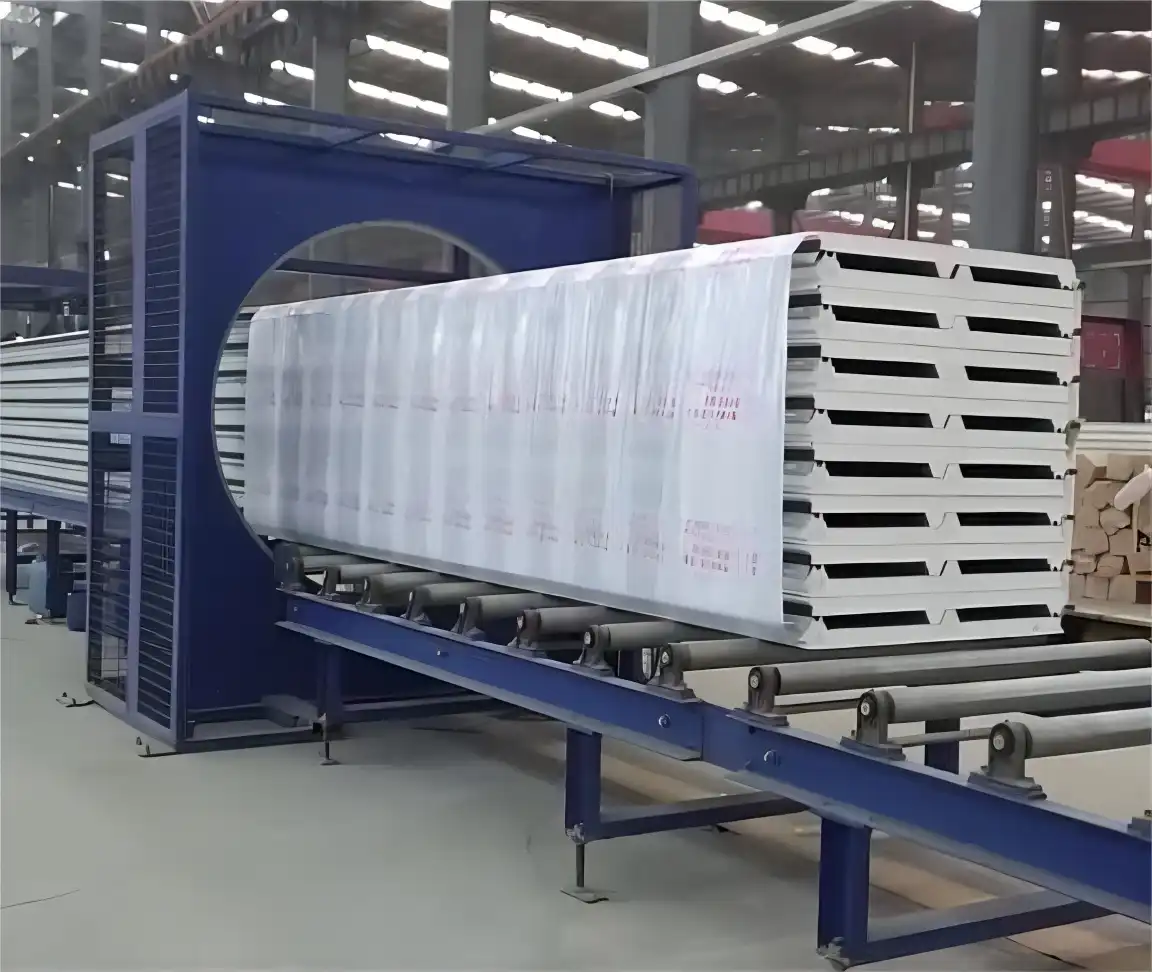
Let us look closely at how these two machines compare for heavy coil protection. Especially for long, tough journeys like shipping across Canada.
Protection Level
The most critical factor is how well the product is protected. A horizontal orbital wrapper creates a very tight, multi-layer wrap around the entire coil. This means 360-degree coverage. It protects the coil’s edges, its inner diameter, and its outer surfaces. This full coverage is vital for impact protection. It absorbs shocks better. It stops the coil from shifting inside the packaging. Think about the rough roads across Canada. Bumps and vibrations can cause damage. The tight wrap from an orbital machine keeps the coil stable. It minimizes friction and potential dings. A shrink hooder only covers the top and sides. The bottom of the coil is exposed. This means moisture can get in from below. Edges are also less protected. If the coil is laid flat, the hood offers little protection for the sides. If it is on its edge, the bottom and top faces are vulnerable. The film shrinks, but it does not apply the same tension across the entire surface. This means the coil is not truly unitized within the film. It can still move inside the hood. This increases the risk of damage.
Environmental Resistance
Shipping across Canada means facing diverse weather. You can see rain, snow, ice, and even harsh sunlight. An orbital wrapper, with its overlapping, tight layers of stretch film, creates an excellent barrier. It is highly resistant to water penetration. It keeps dust out. Some films also offer UV stabilization. This protects the coil from sun damage. A shrink hooder offers decent protection from rain and dust coming from above. But, because the bottom is open, water or moisture from the ground can still affect the coil. This is especially true if the coil sits in water for a long time. The film might also be less resistant to punctures or tears from sharp objects. This is important during loading and unloading. Michael Chen worries about product damage. Keeping coils dry and free from rust is a big part of that.
Load Stability and Handling
Heavy coils are hard to handle. They are even harder if they are not stable. An orbital wrapper’s tight wrap makes the coil a more stable unit. It reduces the chance of the coil rolling or shifting during transit. This makes it safer to load and unload. It also reduces the risk of injury to workers. This directly addresses Michael Chen’s concern about worker safety. Manual handling of unstable, heavy coils is dangerous. A stable, wrapped coil is much safer. A shrink hooder does not provide the same level of load stability. The coil can still shift inside the hood. This makes it more challenging to handle safely. It also increases the risk of damage if the coil rolls or impacts something.
Cost-Effectiveness (Long Term)
The initial cost of a horizontal orbital wrapper can be higher than a basic shrink hooder. But you need to look at the long-term costs. Damaged products mean re-shipments. They mean customer complaints. They mean lost profits. Michael Chen wants clear ROI. An orbital wrapper reduces product damage significantly. It cuts down on claims. It also reduces labor costs. This is because it automates a task that often needs many people. This leads to a lower overall cost of ownership. It also improves your reputation. A shrink hooder might be cheaper upfront. But if it leads to more damaged goods, the total cost quickly goes up. I have seen this many times. Companies try to save a little money on packaging. They then pay much more in claims and unhappy customers. For cross-Canada shipping, the higher protection offered by an orbital wrapper translates to better long-term savings and customer satisfaction.
Feature Comparison for Coils
| Feature | Horizontal Orbital Wrapper | Shrink Hooder |
|---|---|---|
| Protection Level | Excellent 360-degree, multi-layer, high-tension wrap. Best for impact and abrasion. | Good top/side coverage. Less effective for impacts or bottom exposure. |
| Environmental Resist. | Superior barrier against moisture, dust, and UV. Full seal. | Good for overhead rain/dust. Vulnerable bottom. Less robust seal. |
| Load Stability | High. Unitizes coil, reduces shifting during transport. Safer handling. | Low for free-standing coils. Coil can shift inside; less secure. |
| Primary Use for Coils | Primary protective packaging for heavy, industrial coils for long-distance/harsh transit. | Secondary cover, dust cover, or for palletized non-rolling goods. |
| Automation Potential | High; integrates well into automated lines. | High; often part of automated bagging/shrinking lines. |
| Cost Implications | Higher initial investment, but significant long-term savings from reduced damage and labor. | Lower initial investment, but potential higher long-term costs from product loss. |
Making the Right Choice: Factors to Consider for Your Coil Packing Operation?
Choosing the right packing solution is not just about comparing two machines. It is about understanding your specific factory. It is about your unique challenges and goals. What works for one factory might not work for another.
Choosing the right packing solution for coils requires evaluating coil dimensions, weight, desired protection level, shipping environment, production speed, available space, and budget, ensuring the investment aligns with your operational goals and ROI expectations.

When I work with clients, we dig deep into their operations. We look at everything. Here are the key factors you need to consider:
Coil Specifics
First, look at your coils. What are their dimensions? What is their weight? Do you produce various sizes? A packing machine must be able to handle your specific product range. Some machines are better for very large or very small coils. Also, consider the material. Is it steel, wire, or something else? This affects how much protection it needs.
Shipping Environment
Where are your coils going? If they are shipping across Canada, they will face long distances. They will go through different climates. They will get exposed to various weather conditions. They will also go over different types of roads. This means they need robust protection. If you only ship locally, or indoors, your needs might be different. But for cross-country journeys, you cannot cut corners on protection. This relates directly to Michael Chen’s need for durable equipment that can withstand high-intensity work environments.
Required Protection Level
What kind of protection do you need? Are you worried about rust from moisture? Do you need protection from impact damage? Is dust a big problem? Or is it all of these things? For steel coils, rust and impact damage are often top concerns. You must choose a machine that gives you the right level of barrier and structural integrity. A simple dust cover is very different from full corrosion and impact protection.
Production Volume and Speed
How many coils do you pack per day or per hour? Do you need to speed up your packing line? Michael Chen wants to solve efficiency bottlenecks. Manual packing is slow. It creates delays. An automated machine can significantly increase your output. This improves overall factory efficiency. Make sure the machine’s speed matches your production needs.
Available Space and Integration
Do you have enough space in your factory for a new machine? How will it fit into your existing production line? Will it need special power or air connections? Thinking about the layout beforehand saves time and money. The machine needs to work seamlessly with your current processes.
Budget vs. Return on Investment (ROI)
Of course, budget matters. But focus on the return on investment (ROI). What will the machine save you? It can save you money by:
- Reducing labor costs (less manual handling).
- Reducing product damage (fewer claims, less re-work).
- Improving efficiency (faster packing, more output).
- Lowering insurance costs (fewer accidents). Michael Chen wants clear ROI. He wants an investment that genuinely improves profitability. Do not just look at the machine’s price tag. Look at how much it will save you over its lifetime. My experience building factories taught me this. The right equipment is an investment. It is not just an expense. It drives growth.
Decision Matrix Considerations
| Factor | Questions to Ask | Impact on Choice |
|---|---|---|
| Coil Specifications | What are the exact dimensions, weight, and material of your coils? | Determines machine size, film type, and motor strength needed. |
| Shipping Demands | Are you shipping cross-country, locally, or internationally? What are the typical weather conditions? | Influences required protection level (360-degree vs. top/side), film durability. |
| Protection Needs | Is your main concern moisture, dust, impact, corrosion, or a combination? | Dictates the wrapping method (tension, layers) and film properties. |
| Production Throughput | How many coils do you need to pack per hour or shift? | Affects machine speed, automation level, and line integration requirements. |
| Factory Layout | Do you have sufficient space for the machine? How will it fit into your current production flow? | Determines machine footprint, type (e.g., in-line vs. off-line setup). |
| Financial Goals | What is your budget? What ROI are you expecting from this investment (labor savings, reduced damage)? | Guides the investment level; prioritizes efficiency and long-term cost savings. |
My Insights: Beyond the Machine – Finding the Right Partner for Your Factory?
Buying a packing machine is a big decision. But it is not just about the machine itself. It is about who you buy it from. You need more than a vendor. You need a partner. Someone who truly understands your business. I learned this when I started my own packing machine factory. My goal was always to help clients grow their businesses.
Beyond the technical specifications of a packing machine, securing a reliable supplier with deep industry knowledge, strong after-sales support, and a commitment to understanding your specific operational challenges is crucial for long-term success and maximizing your investment.
Michael Chen told me he has dealt with suppliers who only care about the sale. They leave him hanging when problems arise. I know this feeling. That is why FHOPEPACK focuses on being a true partner.
Importance of Expertise
A good supplier has deep industry knowledge. They understand coil packing. They know the challenges of heavy manufacturing. They can recommend the right solution, not just sell you a machine. They can share insights on how to optimize your packing process. My journey, from an employee at a packing machine factory to building my own successful factory, taught me this. I saw firsthand what works and what does not. I know the pressures of running a factory. I know about efficiency bottlenecks and safety issues.
After-Sales Support
What happens after you buy the machine? Does the supplier offer installation help? Do they train your staff? What about spare parts and maintenance? This is critical. A machine is only good if it runs reliably. If it breaks down, you need quick support. Downtime means huge losses. Michael Chen understands that any production line stoppage means big money lost. A reliable partner offers strong, ongoing support.
Customization and Solutions
Sometimes, an off-the-shelf machine is not enough. Your factory might have unique needs. You might need a custom solution. A true partner listens to your specific problems. They offer solutions tailored to your situation. This means they understand your production flow, your space, and your desired level of automation. They are not just selling a product. They are solving your problem. This includes addressing specific safety concerns and efficiency goals.
The ROI Calculation
We talked about ROI earlier. A good partner helps you see the full picture. They help you calculate the real benefits. This includes the money saved from reduced labor, less product damage, and fewer customer complaints. It also includes the value of increased safety for your workers. These are tangible benefits that improve your bottom line. It is not just about the machine’s price. It is about the value it brings to your business over time. I built FHOPEPACK to share this knowledge. I want to help others achieve financial independence and grow their businesses, just as the packing industry helped me.
What to Look for in a Supplier
| Factor | Description | Why It Matters for You |
|---|---|---|
| Deep Industry Know. | The supplier understands your specific industry (e.g., steel, heavy manufacturing) and its challenges. | Ensures they recommend the most effective and relevant packing solutions for your coils. |
| Strong After-Sales | They offer reliable installation, training, maintenance, and quick access to spare parts. | Minimizes downtime, keeps your production running smoothly, and protects your investment. |
| Problem-Solving Focus | They listen to your specific operational pain points (efficiency, safety, damage) and offer tailored solutions. | Ensures the machine truly solves your current challenges and integrates well into your factory. |
| Proven Track Record | The supplier has a history of successful installations and satisfied clients. | Gives you confidence in their products and their commitment to long-term partnerships. |
| ROI-Oriented Advice | They help you understand the long-term financial benefits beyond the initial machine cost. | Helps you make a smart investment that boosts your factory’s profitability and growth. |
Conclusion
For cross-Canada coil shipping, a horizontal orbital wrapper gives better all-around protection and stability than a shrink hooder. The right choice depends on your specific needs, but finding a knowledgeable partner is just as important.








