
Horizontal Orbital Wrapper Compliance: Will It Meet CSA/ULc Electrical and Provincial Safety Rules?
Are you a factory manager, perhaps like Michael in Mexico, constantly under pressure to boost output, control costs, and keep your team safe? Do you find yourself worried if the new equipment you invest in will actually meet the strict safety standards needed, like CSA/ULc electrical and provincial rules? I know that feeling very well. I have spent years in this industry, from working on the factory floor to building my own successful packing machine factory. I understand the sleepless nights that come with keeping operations running smoothly and safely. The good news is, you do not have to guess.
Yes, a horizontal orbital wrapper can meet CSA/ULc electrical and provincial safety rules. However, it absolutely must be designed, built, and installed with these strict standards in mind from the very start. Compliance is not an afterthought; it is built into the machine’s core.

Making the right choice for your factory equipment is a huge decision. It impacts everything: your team’s safety, your production line’s speed, and your bottom line. We will break down exactly what these compliance rules mean, how they affect your operations, and how to make sure your investment in a horizontal orbital wrapper truly pays off. Let us dive in and clear things up.
Understanding CSA/ULc Electrical Compliance for Wrapping Machines?
Electrical compliance can feel like a maze, full of technical terms and complex rules. As someone who has built and managed packing machine operations, I know that ignoring these details is not an option. Your machines need to be safe, reliable, and legally compliant. This is not just about avoiding fines. It is about keeping your lights on and your workers safe every single day.
CSA and ULc certifications ensure your machine’s electrical system is safe and reliable. These marks mean the equipment has passed rigorous tests for electrical safety in North America, reducing risks of fires, shocks, and operational failures in your factory.

The Canadian Standards Association (CSA) and Underwriters Laboratories of Canada (ULc) are crucial players in electrical safety. Their certifications are not just stamps of approval. They are promises that a piece of equipment meets strict national standards. For a horizontal orbital wrapper, this means every wire, every switch, every motor, and every control panel component has been evaluated for safety. This helps prevent electrical hazards. Think of it this way: if your machine does not have these certifications, it is like driving a car without a safety inspection. You might get by for a while, but the risks are very high.
When I started my own factory, I learned quickly that cutting corners on electrical safety was a recipe for disaster. I saw other factories face serious downtime, huge repair bills, and even worker injuries because they used non-compliant machinery. We made it a point to use only components and designs that met or exceeded these standards. This approach costs a bit more upfront. However, it saves a lot of money and headaches later.
Here is what these certifications cover for packing machines:
- Wiring and Cabling: Proper wire sizing, insulation, and routing prevent overheating and short circuits.
- Enclosures: Electrical components must be housed in enclosures that protect them from dust, moisture, and impact. They also prevent accidental contact.
- Grounding: Effective grounding systems are critical to protect against electrical shocks.
- Circuit Protection: Overload protection and circuit breakers must be in place to prevent damage from power surges or faults.
- Emergency Stops: Clearly marked and easily accessible emergency stop buttons are a must. They must immediately cut power to the machine when pressed.
These standards ensure that the machine can operate safely in an industrial environment. For a factory manager like Michael, who depends on his machines running without issues, this level of detail is vital. It means less risk of electrical fires, less chance of worker injury due to electrical faults, and fewer unexpected breakdowns. When a machine has CSA or ULc certification, it tells you that an independent body has checked it. This check confirms that the machine follows strict safety guidelines. This provides peace of mind. It also helps your factory meet local building codes and insurance requirements. Choosing certified equipment is not just good practice. It is essential for a safe and productive workplace.
How Do Provincial Safety Rules Impact Your Packing Line?
Rules change from place to place. This is especially true when it comes to safety in the workplace. Canada has a federal system, but each province also has its own specific safety regulations. These provincial rules are powerful. They directly impact how your packing line must operate. If you are running a factory, you must know these rules. Ignoring them can lead to major problems.
Provincial safety rules aim to protect workers and prevent accidents on the factory floor. These regulations, often focusing on machine guarding, lockout/tagout procedures, and emergency systems, ensure your horizontal orbital wrapper operates safely within local legal frameworks.
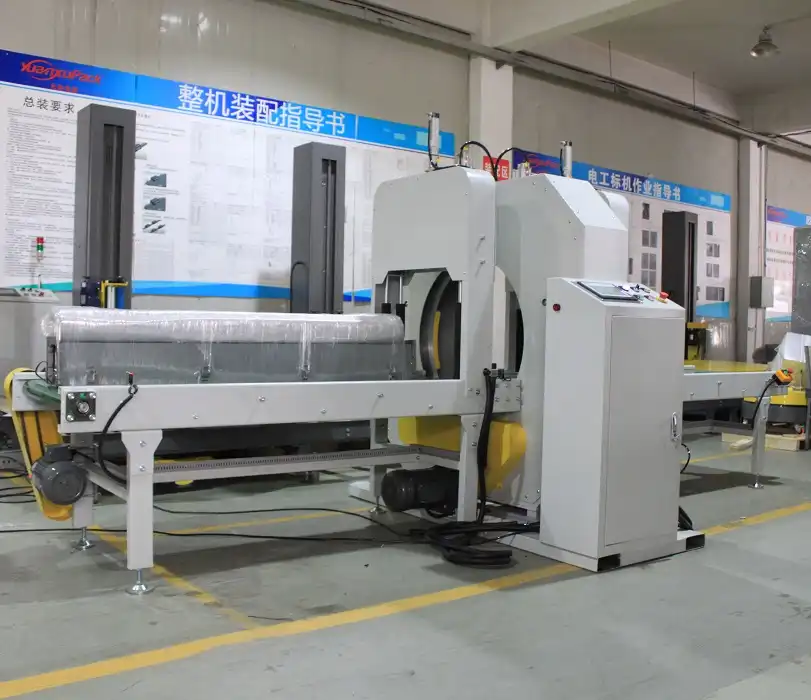
Each Canadian province has its own Occupational Health and Safety (OHS) regulations. These rules cover a wide range of topics. For packing machinery, key areas include machine guarding, lockout/tagout procedures, and emergency stop systems. For example, in Ontario, the Occupational Health and Safety Act and its regulations lay out very clear requirements for machine safeguarding. This means moving parts on your horizontal orbital wrapper must have guards. These guards must stop workers from getting injured. In Quebec, similar rules exist under the Act respecting occupational health and safety. These rules focus on making sure equipment is safe to use and that workers are trained properly.
During my time running a factory, I learned that understanding these provincial nuances was critical. We once had to make adjustments to a machine because a specific provincial regulation required a different type of interlock on a safety gate. It was a minor change, but it was necessary to pass inspection and ensure our workers were truly safe. This is why a good supplier does not just sell you a machine. They help you understand how their equipment fits into your local safety landscape. They know what changes might be needed to meet specific provincial requirements.
Here are common areas provincial OHS regulations focus on for machinery:
- Machine Guarding: This is a big one. Any moving parts, pinch points, or rotating components on your orbital wrapper must have physical barriers. These barriers stop workers from touching dangerous areas during operation. This reduces the risk of entanglement, crushing, or cuts.
- Lockout/Tagout (LOTO): When machines need maintenance or repair, energy sources must be completely shut off. This prevents accidental startup. Provincial rules often specify detailed LOTO procedures. This ensures that no energy is supplied until the machine is safe to restart.
- Emergency Stop Devices: All machines must have easily accessible emergency stop buttons. These buttons must immediately stop all hazardous motion. The color, size, and placement of these buttons are often specified by regulations.
- Worker Training: Employers must train workers on safe operating procedures for the equipment. This includes how to use the machine, how to recognize hazards, and what to do in an emergency.
- Risk Assessments: Many provinces require employers to do regular risk assessments. This identifies potential hazards and puts controls in place. This includes assessing risks related to new machinery like horizontal orbital wrappers.
For Michael, who is responsible for factory safety, understanding these provincial rules is not just a legal obligation. It is about protecting his valuable team and keeping his factory productive. A machine that meets CSA/ULc standards for its electrical system is a great start. However, it must also comply with the specific safety regulations of the province where it operates. This holistic approach to safety means your investment is secure. It also means your workers are protected.
Does Investing in Compliant Wrappers Offer Real ROI?
Compliance often gets seen as a cost. Many factory managers see it as an extra expense they have to bear. But what if I told you that investing in compliant equipment, like a horizontal orbital wrapper, actually brings a strong return on investment (ROI)? From my years in this industry, building and running a factory, I can tell you this is absolutely true. Compliance is not just a checkbox. It is a strategic move that saves you money in the long run.
Investing in compliant wrapping machines actually provides a strong return on investment. This comes through reduced accidents, lower insurance premiums, less product damage, and increased operational uptime. It also leads to higher overall factory profitability.
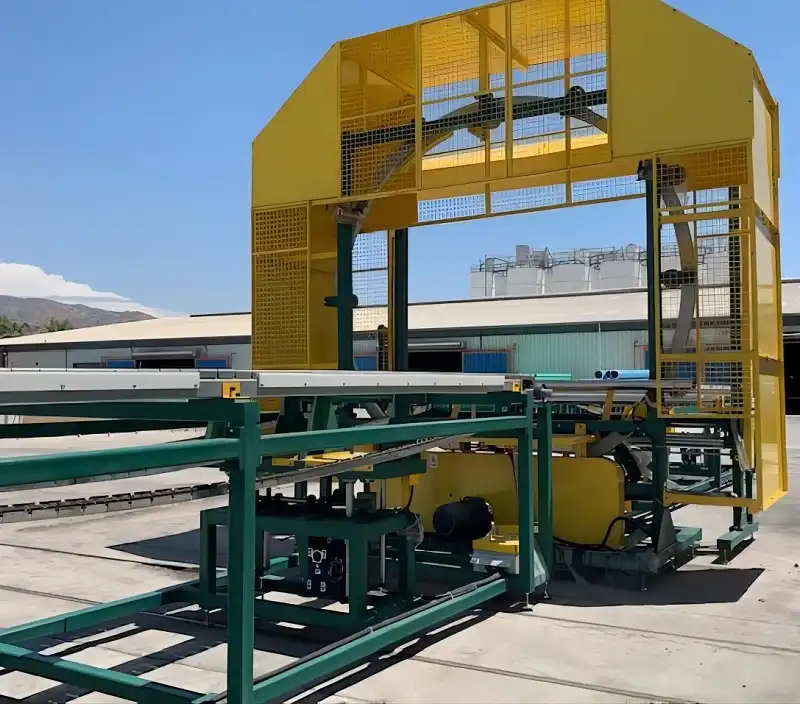
Let us break down how compliant wrappers contribute to your factory’s profitability. First, consider safety. Manual handling of heavy products like steel coils or wire bundles is risky. This is a big problem for factory managers like Michael. He sees high injury risks and high insurance costs. A compliant horizontal orbital wrapper automates much of this process. It reduces the need for manual lifting and wrapping. This cuts down on workplace injuries. Fewer injuries mean lower worker’s compensation claims and lower insurance premiums. My own factory saw a clear reduction in incident rates after automating hazardous tasks. This directly impacted our bottom line.
Next, think about product quality and waste. When products are handled manually or wrapped poorly, damage occurs. This damage leads to customer complaints and lost profits. Michael mentioned product damage during internal transfer and packing. A well-designed, compliant orbital wrapper ensures consistent, secure packaging. It protects products from damage during transit and storage. This means fewer damaged goods, fewer returns, and happier customers. This directly improves your factory’s reputation and profitability.
Here is a table showing the ROI benefits:
| Benefit Category | Description | Impact on ROI |
|---|---|---|
| Worker Safety | Reduces manual handling and exposure to hazards. Compliant machines have proper guarding and emergency stops. | Lower worker’s compensation costs. Reduced insurance premiums. Fewer lost workdays due to injury. Improved employee morale and retention. |
| Operational Efficiency | Automates a slow, labor-intensive process. Reduces bottlenecks at the end of the production line. | Faster packing times. Higher throughput and production capacity. Lower labor costs per unit. Improved overall factory efficiency. |
| Product Quality | Ensures consistent, secure, and protective wrapping. Reduces product movement and impact during handling. | Fewer damaged products and customer returns. Reduced material waste. Improved product appearance and customer satisfaction. Stronger brand reputation. |
| Regulatory Compliance | Meets CSA/ULc electrical and provincial safety standards. | Avoidance of fines and legal penalties. Reduced risk of production shutdowns due to non-compliance. Easier insurance approvals. Increased business stability. |
| Machine Longevity | Well-designed and compliant machines are often more robust and reliable. | Lower maintenance costs. Less unexpected downtime. Longer operational lifespan of the equipment. Better resale value. |
Finally, consider the long-term impact on your factory’s operations. Non-compliant machines can lead to unexpected breakdowns, costly repairs, and even forced shutdowns by authorities. This disrupts your entire production schedule. A compliant machine, built to high standards, is more reliable. It suffers fewer breakdowns. It needs less maintenance. This means more uptime and more products leaving your factory floor. For a manager like Michael, who needs durable equipment that can handle a high-intensity environment, reliability is everything. Investing in compliance is investing in continuous operation and fewer headaches. It is a smart business decision that pays off consistently over time.
Choosing a Partner Who Understands Your Compliance Needs?
Finding the right supplier is often harder than it seems. Michael mentioned his past experiences with vendors who only cared about making a sale and offered poor after-sales service. This is a common story. I have heard it many times. It is also something I have focused on avoiding throughout my career, both as an employee and as a factory owner. You do not just need a machine. You need a partner who truly understands your factory’s challenges and your specific compliance needs.
A true partner will not just sell you a machine. They will understand your factory’s specific compliance and operational challenges. They will offer expert guidance and reliable solutions, ensuring the equipment meets all safety standards and improves your workflow.
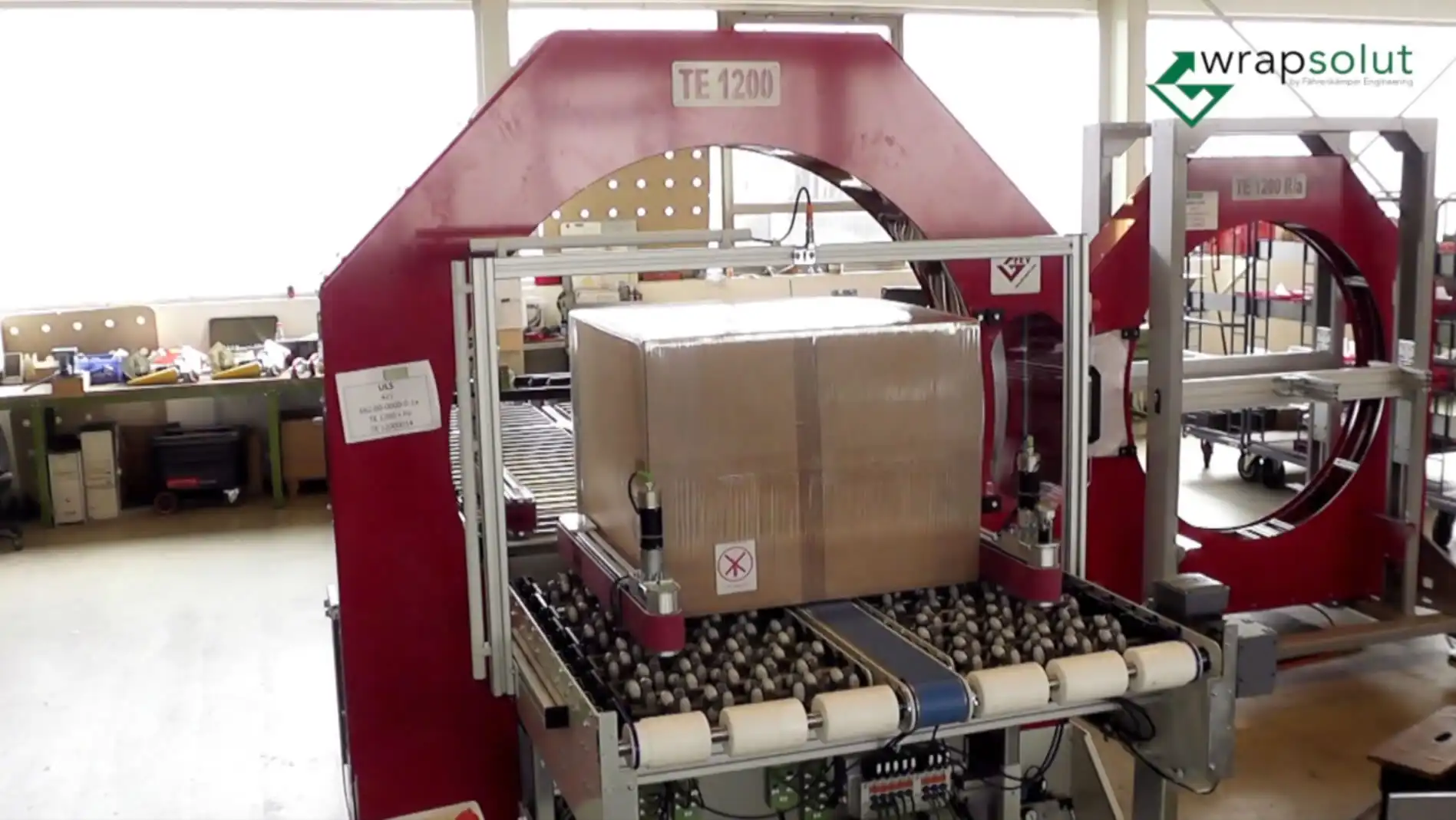
When I was building my factory, I realized the importance of working with suppliers who knew their stuff. It was not enough for them to just list features. They had to understand how their machine would integrate into my production line. They had to know about local electrical codes and safety rules. This level of understanding shows a deeper commitment. It shows they are truly there to help you succeed. This is exactly what Michael is looking for: someone who can grasp his production bottlenecks, safety concerns, and efficiency problems. He wants professional insights and reliable solutions.
Here are key things to look for in a partner who truly understands your compliance needs:
- Deep Industry Knowledge: Do they understand the specific challenges of packing steel coils or wire? Can they talk about the common pain points in metal fabrication or heavy manufacturing? A supplier with real-world experience, like FHOPEPACK, knows what works and what does not. They know the harsh conditions your equipment will face.
- Engineering Expertise: Look beyond the sales pitch. Does the company employ engineers who understand the technical details of electrical and mechanical safety? Can they explain how their machine’s design meets CSA/ULc or provincial OHS regulations? This technical depth is crucial. It ensures the machine is safe and reliable from its core.
- Customization and Problem-Solving: Every factory is unique. A good partner will not offer a one-size-fits-all solution. They will ask about your specific production line, space constraints, and safety concerns. They will offer tailored solutions. They will also be willing to adapt their machines to fit your exact needs, including any specific local compliance requirements.
- Transparent Documentation: A reputable supplier provides full documentation for their machines. This includes electrical schematics, safety manuals, maintenance guides, and, most importantly, compliance certifications. This transparency helps you verify that the machine meets all necessary standards. It also helps with future audits.
- Strong After-Sales Support: Compliance is ongoing. You need a partner who offers reliable technical support, spare parts availability, and maintenance services. This ensures your machine stays compliant and runs smoothly for years. It protects your investment and minimizes downtime.
Choosing the right partner is not just about buying a machine. It is about building a relationship based on trust and shared goals. It is about finding someone who genuinely cares about your factory’s safety, efficiency, and long-term success. For Michael, this means a supplier who acts as an expert advisor, helping him navigate the complexities of compliance and automation. This ensures his investment truly empowers his business growth.
My Insights: Beyond Compliance – Ensuring Long-Term Success?
My journey in the packing machine industry taught me many lessons. It started as an employee on the factory floor. Then, I became an engineer. Later, I established my own successful packing machine factory. This path showed me that simply meeting compliance rules is a good start, but it is not the whole story. Real success, the kind that helps a factory like Michael’s thrive, goes deeper. It is about building a culture of safety and efficiency that outlasts any single machine.
Going beyond basic compliance is key for long-term factory success. It means focusing on continuous improvement, true partnership, and a holistic approach to safety and efficiency that empowers your team and drives sustainable business growth.
I built FHOPEPACK because I wanted to share what I learned. I wanted to help others succeed in this field. I saw so many factories struggle with the same problems I faced: slow manual processes, high injury risks, product damage, and unreliable equipment. I achieved financial independence thanks to the opportunities the coil packing and steel wire packing industries gave me. Now, I want to give back. I believe that by sharing my expertise, I can help factory managers like Michael transform their operations.
For me, “beyond compliance” means a few things:
- Proactive Safety Culture: It is not just about having guards. It is about making safety a core value. This involves regular safety training, encouraging workers to report near-misses, and continuously looking for ways to make the workplace safer. My factory always sought feedback from the operators. They are the ones using the machines every day. They often had the best ideas for safety improvements.
- Continuous Improvement: The industry changes. Technology advances. What was compliant yesterday might be outdated tomorrow. A successful factory continuously seeks ways to improve its processes and upgrade its equipment. This ensures it stays competitive and safe. We always looked at how to make our machines not just meet standards, but truly exceed them in terms of performance and safety.
- True Partnership: This is where FHOPEPACK comes in. We do not just sell machines. We share knowledge. We act as a resource. We help you understand the craft. Our goal is to make mold knowledge accessible to all. We want to help you make informed decisions. We want to help you implement solutions that genuinely solve your problems. This includes everything from initial design considerations to long-term maintenance strategies.
My personal story taught me that real success comes from understanding the challenges firsthand. It comes from applying practical knowledge. It comes from a genuine desire to help others. I know what it takes to get machines to run reliably day in and day out. I know the pressure of deadlines. I know the importance of a safe workplace. By focusing on these core principles, any factory, no matter its size, can achieve long-term success. It means moving from just buying equipment to making strategic investments in your operations. It means building a future where your factory is not just productive, but also a safe and thriving environment for everyone.
Conclusion
Meeting CSA/ULc and provincial safety rules for horizontal orbital wrappers is critical for factory success. It lowers risks, improves efficiency, and offers clear ROI. Choose a knowledgeable partner like FHOPEPACK to go beyond basic compliance, ensuring long-term safety and profitability.








