
Horizontal Orbital Wrapper Surface Protection: How Do Edge Guards and Tension Settings Stop Telescoping?
Have you ever faced the frustration of a perfectly finished steel coil or wire bundle arriving at its destination looking less than perfect? Perhaps the layers have shifted, pushing out from the sides, or maybe the edges show damage. This problem, known as telescoping, is a real headache for factory managers like Michael, who oversee busy metal processing plants. It slows down production, leads to customer complaints, and costs your business money. It also puts workers at risk when they try to fix these issues manually. You need solutions that work. You need equipment that is reliable and tough.
Telescoping is when the layers of a wrapped coil or bundle shift axially, causing them to protrude from the sides, often due to insufficient wrapping force or inadequate support. Horizontal orbital wrappers prevent this issue effectively through the strategic use of edge guards and precise film tension settings, which together create a secure, stable package.

I have spent many years in the packing machine industry. I started as an employee and then built my own successful packing machine factory. I have seen countless examples of how small details in packing can make or break a business. I understand the pressure you face to boost output, control costs, and keep your team safe. Getting wrapping right is not just about protecting products. It is about protecting your profits and your people. Let us dive into the specifics of how modern horizontal orbital wrappers solve these common problems.
What is Telescoping and Why Does It Happen in Coil Wrapping?
Do you ever wonder why some wrapped coils look perfectly stable, while others seem to unravel or bulge at the sides? This frustrating issue is telescoping. It means the inner layers of your product, like a steel coil, are sliding out from the main body. This happens most often during transit, but it can also occur during internal handling. When it happens, your product quality drops. Customers get unhappy. You lose money.
Telescoping happens when the axial stability of a wrapped coil or bundle is compromised, allowing its internal layers to shift outward. It typically results from a combination of insufficient or uneven film tension, lack of proper edge support, or external forces like vibration during transport that overcome the package’s internal cohesion.

I have seen the impact of telescoping firsthand. In my early days working at a packing machine factory, I saw how much product damage would occur. This led to unhappy customers and extra costs for re-packaging or even scrapping goods. When I started my own factory, preventing telescoping became a top priority. We knew that durable, reliable wrapping was key to client satisfaction and our own success. Michael, you know that any product damage means profit loss and customer complaints. Telescoping is a direct threat to both. It is not just about aesthetics; it is about the structural integrity of your shipment. Think about a stack of coins. If there is nothing holding them tight, they will slide apart when moved. A coil is similar. Without the right tension and support, its layers will shift.
Why Coils Telescope
Telescoping is not just random. It follows specific patterns. We can trace it back to a few key factors. Understanding these factors helps us design better solutions.
Insufficient Film Tension
This is the most common reason. If the stretch film is not applied with enough force, it cannot hold the coil layers together tightly. The layers remain loose. Any vibration or movement during handling or shipping can cause them to slide. Imagine wrapping a gift loosely. The paper would shift and crinkle. It would not hold the box shape. The same idea applies to coils.
Uneven Wrapping
Sometimes, the tension is not consistent across the entire width of the film or around the coil’s circumference. One side might be tighter than the other. This creates an imbalance. The looser side allows for movement. This can happen with older machines or if sensors are not calibrated correctly. It is like trying to pull something with a rope that is stronger on one side. The weaker side will give way first.
Lack of Edge Support
The edges of a coil are its most vulnerable points. They are where layers are most likely to shift first. Without external support for these edges, the film alone might not be enough to stop internal movement. This is where edge guards become vital. They act like a rigid frame, helping to distribute the pressure from the film evenly. They prevent the individual layers from pushing out.
Improper Core Support
Sometimes, the problem starts with the coil itself. If the inner core is weak or damaged, the layers around it might not have a solid foundation. This can lead to internal collapse or shifting, which then shows as telescoping on the outside. It is less common but still a factor.
Vibration and Movement During Transit
Even if a coil is wrapped perfectly, harsh movements during transport can test the limits of the packaging. Road bumps, sudden stops, or changes in vehicle speed create forces. If the wrap is not strong enough to resist these forces, telescoping can occur. This is why durability in wrapping is so important. It needs to hold up under real-world conditions.
These factors often work together. A coil with slightly low tension and no edge guards is much more likely to telescope than a coil with proper tension and good edge protection. My experience tells me that you need a complete system approach. Fixing one part is not enough if other parts are still weak. We focus on designing machines that address all these points. This ensures your products reach their destination in perfect condition. This directly impacts your bottom line and reputation.
How Do Edge Guards Protect Coil Surfaces and Prevent Telescoping?
Have you ever worried about the edges of your finished steel coils getting bent or damaged during transport? It is a common concern. Damaged edges lead to unhappy customers and product returns. More importantly, those vulnerable edges are often where telescoping starts. The layers push out, causing the whole package to shift. This is where edge guards come in. They are a simple yet powerful tool.
Edge guards protect the vulnerable outer edges of coils from impact and abrasion, but their primary role in preventing telescoping is to provide rigid, consistent support to the coil’s face. They distribute the film tension evenly across the entire surface, acting as a barrier that prevents individual layers from shifting axially under stress, thus maintaining the coil’s compact shape.

When I was setting up my packing machine factory, one of the first things we focused on was how to improve product protection during transit. I had seen too many shipments arrive with minor damage that still led to major complaints. It was clear that just wrapping was not enough. The edges needed special attention. Michael, you mentioned product loss due to damage during internal transfer. Edge guards are a critical part of solving that. They are not just an extra layer of protection. They are a core part of keeping the entire coil stable.
The Role of Edge Guards
Edge guards are protective materials placed along the outer circumference of a coil before it is wrapped. They can be made from various materials, each with its own benefits.
Providing Physical Protection
First, edge guards offer a physical barrier. They absorb impacts. They prevent scratches and dents that can happen during handling, loading, or unloading. Think of them as a bumper for your product. This direct protection reduces cosmetic damage. It keeps your product looking its best for the customer. This is especially important for high-value metal products.
Distributing Tension Evenly
This is crucial for preventing telescoping. When the stretch film is applied, it exerts pressure. Without edge guards, this pressure might concentrate on certain points or pull directly on the vulnerable outer layers. Edge guards provide a flat, solid surface for the film to press against. They spread the tension out. This creates a more uniform compression across the coil’s entire face. This even pressure is key to keeping all layers in place.
Creating a Stable Foundation
Telescoping happens when layers slide. Edge guards make it much harder for these layers to move. They act as a rigid frame or a retaining wall. They support the coil from the outside. This external support combined with the film’s compression helps lock everything down. It means even if the coil experiences some shock or vibration, the layers are less likely to shift. They give the coil structural integrity.
Preventing Film Cut-Through
Sharp edges on a coil can sometimes cut or weaken the stretch film, especially under high tension. Edge guards create a smooth, rounded surface. This protects the film from being cut. It ensures the film maintains its integrity and continues to provide the necessary holding force. A strong, uncut film means better long-term protection.
Materials Used for Edge Guards
Different materials offer different levels of protection and cost.
- Cardboard Edge Protectors: These are economical and good for light to medium protection. They are rigid enough to distribute tension.
- Plastic Edge Protectors: More durable than cardboard, they offer better moisture resistance and impact protection. They are reusable in some cases.
- Foam Edge Protectors: These provide excellent cushioning for very delicate surfaces. They conform well to irregular shapes.
Choosing the right type depends on your product, transport conditions, and cost considerations. My team at FHOPEPACK often guides clients on the best choice for their specific needs. We look at the product, the shipping method, and the budget. We ensure the solution is practical and effective. Investing in good edge guards is a small cost compared to the potential losses from damaged goods or unhappy customers. They are a simple but essential part of robust packing.
Why Is Proper Film Tension Essential for Stopping Telescoping?
Have you ever seen a package wrapped so loosely that it looks like it is about to fall apart? Or perhaps too tightly, where the film snaps? These issues point to incorrect film tension. When it comes to wrapping heavy, sensitive items like steel coils, getting film tension right is not just important. It is critical. It directly impacts how well your product stays together and prevents telescoping. Too little tension, and the layers will slide. Too much, and the film breaks, or you might even deform the product.
Proper film tension is absolutely essential for stopping telescoping because it is the primary force that compresses and holds the coil’s layers together. When tension is optimized, the stretch film applies a consistent, inward pressure that prevents axial shifting and maintains the coil’s compact form throughout handling and transit. Insufficient tension allows layers to move, while excessive tension can damage the film or the product itself.

During my journey building a packing machine factory, I quickly learned that machines are only as good as their calibration. This is especially true for film tension. We spent countless hours perfecting our tension control systems. It is not just about putting film on a product. It is about applying the right amount of force to achieve maximum stability without damage. Michael, you want durable equipment that can handle tough conditions. A key part of that durability is precise control over film application. This prevents the very product damage you are trying to avoid.
The Science of Film Tension
Film tension is the pulling force applied to the stretch film as it wraps around the product. It determines how tightly the product is compressed.
How Tension Creates Holding Force
When stretch film is pulled and stretched, it tries to return to its original size. This “memory” creates a powerful inward force. This force squeezes the coil’s layers together. Imagine pulling a rubber band around something. The tighter you pull it, the more it compresses what is inside. This compression is what prevents the coil layers from moving. It creates a stable, solid unit. This is the core principle behind preventing telescoping using film tension.
Too Little Tension: The Danger Zone
If the film tension is too low, the film does not provide enough compression. The coil layers remain loose. They can easily slide against each other. This is when telescoping is most likely to happen. The coil might look wrapped, but it lacks the internal stability needed for transport. This leads to product damage, re-packaging, and customer complaints. It is a costly mistake.
Too Much Tension: The Breaking Point
On the other hand, too much tension is also bad. It can cause the film to break during the wrapping process. This stops production. It wastes film. It might even deform the product itself, especially with lighter or more fragile materials. For heavy steel coils, excessive tension might not deform the product directly, but it can make the film too brittle and prone to tearing. It also increases the risk of damage to the wrapping machine. Finding the “sweet spot” is key.
Achieving Optimal Tension
Modern horizontal orbital wrappers have advanced tension control systems. These systems use sensors and motors to maintain consistent tension throughout the wrapping process.
- Pre-stretch systems: These stretch the film before it even touches the product. This increases the film’s efficiency and helps apply a more consistent, controllable tension. It means you use less film but get more holding force.
- Automatic tension adjustment: Some machines can adjust tension based on the product’s shape or size. This ensures optimal tension for every wrap. This is crucial for varied production lines.
The right tension is not a guess. It is a calculated setting based on the coil’s weight, size, and the film’s properties. My team works with clients to set these parameters correctly. We ensure that their wrapping process is both efficient and effective. This reduces manual intervention. It also ensures consistent, high-quality wraps every time. This investment in precise tension control pays off quickly by reducing product damage and increasing overall efficiency.
Beyond Edge Guards and Tension: What Else Ensures Secure Coil Wrapping?
We have talked about edge guards and film tension. They are vital for stopping telescoping and protecting your coils. But is that all there is? Not quite. Just like building a strong factory, secure wrapping needs a whole system to work together. If any part of that system is weak, your final package can suffer. For someone like Michael, who needs a truly reliable partner, understanding the whole picture is key. It ensures your investment delivers real results.
Beyond the crucial roles of edge guards and precise film tension, secure coil wrapping also depends on the wrapper’s consistent machine calibration, the quality of the stretch film used, the specific wrapping pattern applied, and proper operator training. All these elements must work in harmony to ensure maximum product protection and prevent issues like telescoping during transit and handling.
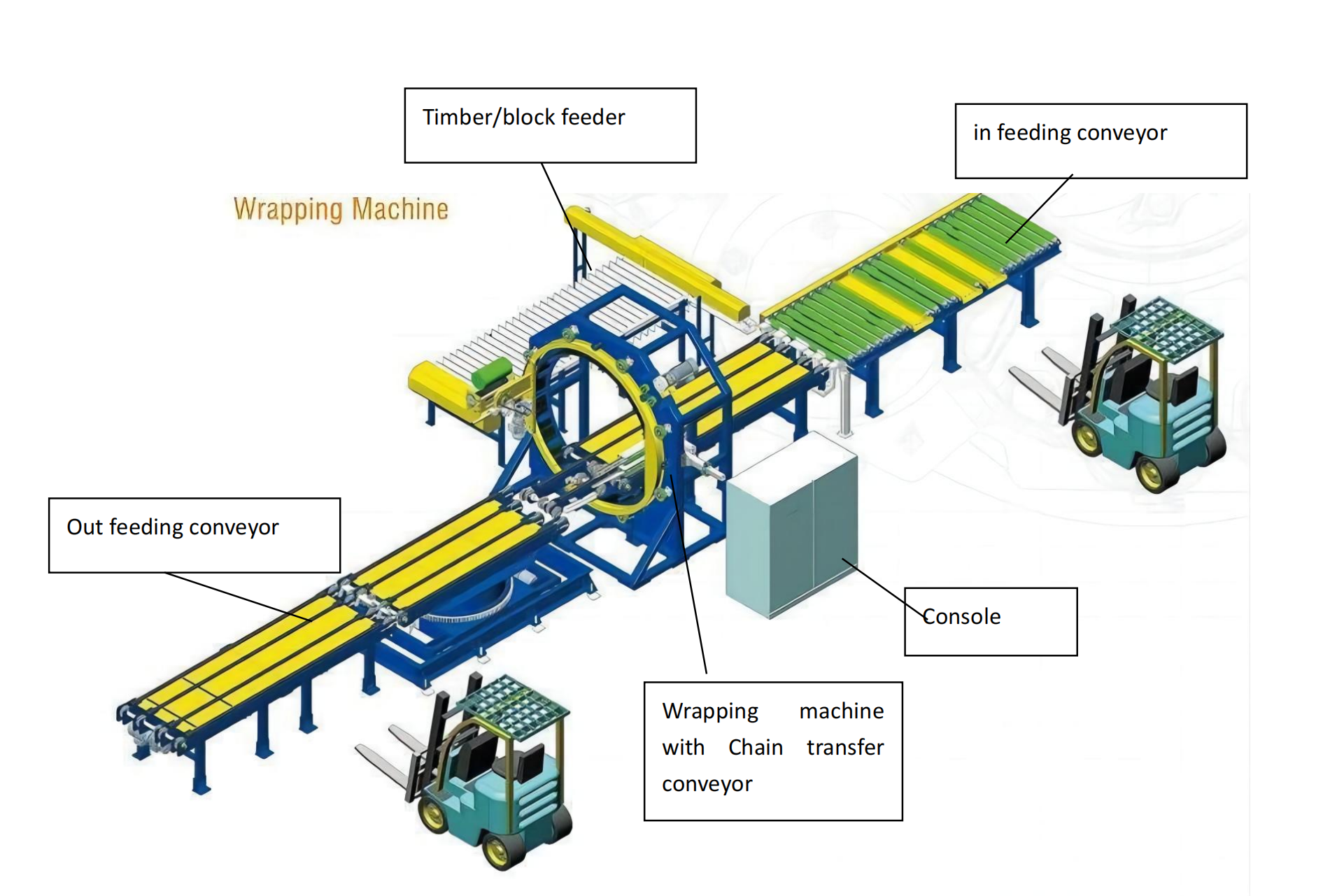
When I was building my own packing machine factory, I learned that true success comes from a holistic approach. It is not just about the machine itself. It is about the entire operation around it. I saw many factories buy expensive equipment but still struggle because they missed other key pieces. Michael, you are looking for an expert partner. That is exactly what FHOPEPACK offers. We do not just sell machines. We help you optimize your entire packing process. This means looking at every factor that impacts your product’s journey from your factory floor to the customer’s door.
Other Critical Factors for Secure Wrapping
Here are some other elements that are just as important for robust coil packaging.
Machine Calibration and Maintenance
Even the best horizontal orbital wrapper needs proper care. Sensors, motors, and film delivery systems must be calibrated regularly. This ensures they apply the film with the correct tension and overlap. Think of it like a finely tuned engine. If parts are out of sync, it will not perform at its best. Regular maintenance prevents breakdowns. It also ensures consistent performance. This directly impacts your efficiency and the quality of your wraps. My team advises clients on best practices for machine care. This helps them get the most out of their investment for years to come.
Proper Coil Loading and Alignment
The best wrapping machine cannot fix a poorly loaded product. Coils must be placed correctly on the wrapper’s conveyor or turntable. They need to be centered and stable. If a coil is off-center or wobbles, the film will not apply evenly. This leads to inconsistent tension. It also increases the risk of film tearing and telescoping. Investing in automated loading systems can greatly improve this consistency and reduce manual handling risks.
Film Quality
Not all stretch film is created equal. The quality of the film directly affects the wrap’s strength and stability. Factors like film thickness, pre-stretch capability, puncture resistance, and cling properties are important. A lower-quality film might break easily. It might not maintain its tension. This undermines all other efforts. Using a high-quality film, even if slightly more expensive, can save money in the long run by preventing product damage and re-wraps. It ensures the film does what it is supposed to do: hold everything together.
Wrapping Patterns and Number of Layers
The way the film is applied also matters. This includes:
- Overlap: How much each layer of film overlaps the previous one. More overlap means stronger containment.
- Number of wraps/layers: More layers provide greater holding force. The optimal number depends on the coil’s weight, dimensions, and transit conditions.
- Wrap at lead and trail edges: Often, more wraps are needed at the beginning and end of the coil. This creates extra reinforcement where stresses are highest.
Programmable logic controllers (PLCs) in modern wrappers allow you to customize these patterns. This ensures each product gets the exact amount of protection it needs. This precision is vital for heavy-duty applications.
Operator Training
Finally, the people operating the machine are a critical link. Well-trained operators understand how to load coils correctly. They know how to monitor machine performance. They can spot problems early. They understand the importance of settings like tension and how to make minor adjustments. Training empowers your team. It reduces errors. It ensures your machine runs at its peak performance. This is why FHOPEPACK does not just sell machines. We also offer guidance and support. We want to see our clients succeed. We know that a reliable solution is a combination of great equipment and skilled people.
Conclusion
Preventing telescoping in coil wrapping is critical for product protection and profitability. It requires a strategic approach using horizontal orbital wrappers, focusing on edge guards, precise tension settings, machine calibration, quality film, and proper operation.








