
From Manual Handling to Automation | Why Pallet Changing Machines Matter?
Many businesses still rely on old ways for handling pallets. This often means staff members lifting, turning, and swapping heavy goods by hand. This approach brings hidden costs, safety dangers, and slower operations. It can really hold a company back in today’s fast world. I have seen this firsthand in my journey in the packing machine industry.
Pallet changing machines are very important for modern logistics. They change how warehouses work. These machines make operations safer, boost efficiency, cut costs, and handle many different pallet types. This makes sure products move smoothly through the supply chain.

It is clear that just talking about automation is not enough. We need to understand the practical benefits. Let us look deeper into why these machines are not just an option but a must-have. We will explore how they solve common problems for businesses like yours.
What Hidden Costs Lurk in Manual Pallet Handling?
Are you still moving and changing pallets by hand? This method seems cheap at first. But it actually creates many hidden costs. These costs can slowly eat away at your profits and affect your entire operation. I have seen companies struggle with these invisible expenses for years.
Manual pallet handling creates hidden costs through low efficiency, frequent errors, high labor expenses, and increased safety risks. These factors slow down operations, lead to damaged goods, and result in costly injuries and insurance claims.
When I started in the packing machine industry, manual work was common. But times have changed. The real costs of manual pallet handling go far beyond just paying wages. They impact every part of your warehouse.
-
Direct Labor Costs and Inefficiency:
- High Wages for Tedious Tasks: In places like Europe, paying people to manually move pallets is very expensive. These tasks are often repetitive and require physical effort. Young workers often do not want these jobs. This makes it hard to find enough staff. You pay more for less specialized work. This raises your overall operating expenses significantly.
- Slow Processing Times: Manual changes are slow. A worker needs time to move a pallet, adjust goods, and then load them onto a new pallet. If you have thousands of pallets daily, like a busy distribution center, these small delays add up fast. This impacts your whole supply chain. It creates bottlenecks and delays in shipments. This can lead to missed deadlines and unhappy customers.
- Errors and Rework: People make mistakes. Goods can get damaged during manual transfers. Pallets might not be stacked correctly. This means products need repackaging or sorting again. This takes extra time, resources, and causes more waste. It also leads to unexpected costs for fixing these errors. (manual handling costs, labor costs warehouse, inefficient pallet changes)
-
Safety Risks and Associated Expenses:
- Workplace Injuries: Manual pallet handling, especially with heavy or unstable loads, is dangerous. Workers can suffer back injuries, crushed hands, or even worse accidents. This is a big concern for companies. These incidents lead to medical bills, lost workdays, and workers’ compensation claims. In Spain, like many other countries, strict safety rules mean high penalties for accidents. My experience shows that investing in safety equipment always pays off.
- Product Damage and Loss: When workers manually flip or transfer goods, items can shift or fall. This damages the products. It can also damage the pallets themselves. This means you lose valuable inventory. It also means you need to replace damaged goods. This affects your bottom line. It also harms your reputation with clients.
- Increased Insurance Premiums: A history of workplace accidents directly raises a company’s insurance premiums. Insurers see higher risk. This costs the business more money each year. A safer workplace with fewer incidents can lead to lower insurance costs over time. This helps the company save money in the long run. (warehouse safety risks, manual lifting injuries, product damage costs, insurance premium increase)
How Do Pallet Changing Machines Revolutionize Warehouse Operations?
Many logistics managers face a big challenge. They need to handle thousands of pallets every day. These pallets often have different standards. Think about Euro pallets versus US pallets. Manual handling for this volume is slow and causes many problems. You might wonder how a machine can handle such complex tasks.
Pallet changing machines completely change how warehouses operate by automating the transfer of goods between different pallet types. They use mechanical force to lift, secure, and swap loads quickly and safely. This eliminates manual labor and speeds up processes.

When I first saw these machines in action, I knew they were a game-changer. They are not just simple lifters. They are engineered solutions designed to streamline complex handling needs.
-
Understanding Pallet Changer Mechanics:
- Diverse Types for Diverse Needs: There is more than one type of pallet changer. Some use clamps to hold the load from the sides. Others tilt the entire load. There are also mobile units for flexible movement. Each design aims to solve specific problems. For example, a 90-degree tipper is good for changing damaged pallets. A 180-degree inverter is best for moving goods from wooden to plastic pallets. FHOPEPACK offers a wide range of these machines. We make sure our clients get the right tool for their specific tasks. We understand that every warehouse has unique needs.
- Automated and Semi-Automated Functions: These machines can be fully automatic or semi-automatic. Full automation means the machine does everything itself after a simple command. This is perfect for high-volume operations. Semi-automatic models still need an operator to load or unload. But they do the heavy lifting and precise movements. This balances automation with human control. It provides flexibility for different operational scales. This also helps reduce labor dependency.
- Precision and Speed: Unlike human workers, machines work with consistent speed and accuracy. They perform the same task perfectly every time. This greatly cuts down on errors. It also ensures a steady flow of goods. In a busy European distribution center, this reliability is key. It makes sure that thousands of pallets move without issues. This improves the overall throughput of the warehouse. (pallet changer types, automatic pallet inverter, semi-automatic pallet transfer)
-
Streamlining Pallet-to-Pallet Transfer Processes:
- Seamless Pallet Swaps: The core job of these machines is to switch goods from one pallet type to another. Imagine you receive goods on a standard wooden pallet. But your internal warehouse system uses plastic ones. Or, you ship internationally, needing to transfer from a Euro pallet to a US pallet. A pallet changer does this quickly. It carefully lifts the product. Then it replaces the original pallet with the new one. This process is smooth and prevents product damage.
- Improved Flow in Logistics Chains: By automating this crucial step, the entire logistics chain becomes more efficient. There are no more delays caused by manual changes. Goods move faster from receiving to shipping. This is especially important for companies dealing with many different pallet standards, like food and beverage groups. A faster flow means less time products spend in the warehouse. This also means more warehouse space becomes available.
- Integration with Existing Systems: Modern pallet changers are designed to fit into existing warehouse setups. They can work alone or as part of a larger automated system. This includes conveyor belts and robotic arms. This makes integrating them into your current workflow easier. It avoids a complete overhaul of your operations. This also means you get the benefits of automation without major disruptions. My team at FHOPEPACK often helps clients plan this integration carefully. (pallet transfer automation, logistics efficiency improvement, warehouse system integration)
Can Pallet Changers Truly Conquer Pallet Diversification and Efficiency Demands?
In international trade, different countries use different pallet sizes. This creates a huge headache for logistics managers. How do you quickly switch between Euro pallets, US pallets, and even specialized plastic pallets without losing time or making mistakes? Many think this is an unavoidable slowdown.
Yes, pallet changers are specifically designed to handle diverse pallet specifications. They allow rapid, error-free transfers between different pallet types, significantly boosting operational efficiency and adapting to various international shipping requirements.
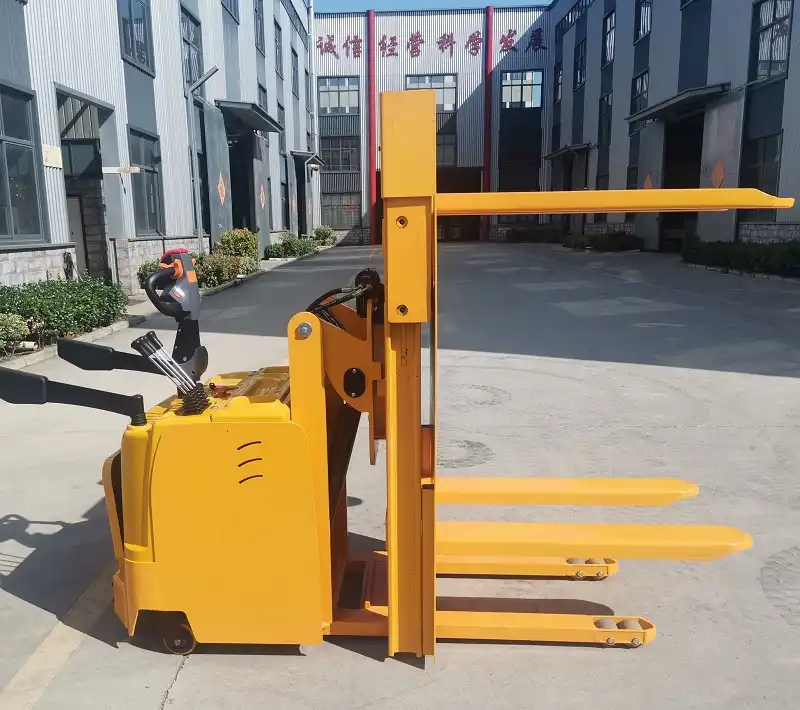
My experience has shown me that companies dealing with global logistics face this challenge daily. It is a critical pain point that demands a smart solution.
-
Mastering Multi-Standard Pallet Operations:
- Adaptability to Global Standards: Pallet changing machines are very adaptable. They can handle various pallet sizes and materials. This includes standard Euro pallets (800x1200mm) and US pallets (1000x1200mm). They can also work with plastic pallets, wooden pallets, and even slip sheets. This flexibility is vital for global supply chains. It ensures compliance with different import/export regulations. It also avoids costly re-palletizing at borders or distribution centers. FHOPEPACK offers machines that easily switch between these types. We aim to solve these cross-border challenges.
- Reducing Manual Errors in Switching: Human error is a big problem when manually switching between different pallet types. Workers might use the wrong pallet. They might load goods incorrectly. These mistakes lead to delays, damages, and failed shipments. Automated pallet changers remove this risk. They follow programmed instructions. This ensures every pallet change is accurate and consistent. This helps maintain product integrity and shipment accuracy.
- High-Volume, High-Speed Switching: For operations that handle thousands of pallets daily, speed is everything. Pallet changers perform these switches in minutes, sometimes even seconds. Manual switching would take much longer. This speed ensures a continuous flow of goods. It prevents backlogs in busy warehouses. It also helps meet tight delivery schedules. This is crucial for keeping up with customer demands in e-commerce. (multi-standard pallet handling, global pallet compliance, automated pallet switching, high-volume logistics)
-
Driving Unprecedented Efficiency Gains:
- Faster Throughput and Cycle Times: By automating pallet changes, warehouses can process more goods in less time. This means a higher throughput. It also shortens the overall cycle time for products moving through the facility. This directly impacts delivery speeds. It also makes your logistics operation more competitive. My personal journey has always focused on how to make things faster and better for my clients.
- Optimizing Warehouse Space Usage: Faster processing means goods spend less time waiting. This frees up valuable warehouse space. You can use this space for more inventory. You can also use it for other value-added activities. This optimization of space reduces the need for larger facilities. It helps cut down on real estate costs. This is a smart way to get more out of your existing footprint.
- Meeting Strict Customer Demands: Today’s customers, especially in retail and e-commerce, expect faster delivery. They want shorter lead times. An efficient pallet changing system helps meet these tough demands. It ensures products are ready for shipment quickly. This avoids penalties from retailers. It also keeps your customers happy and loyal. This is a direct path to business growth. (logistics efficiency, faster warehouse throughput, space optimization, customer delivery demands)
How Do Pallet Changing Systems Elevate Safety and Address Labor Shortages?
Warehouse managers like Carlos often worry about staff safety. Manual handling of heavy goods can cause serious injuries. On top of this, finding enough people to do physically demanding work is getting harder. Labor costs are also rising. This creates a dual problem that manual operations cannot solve.
Pallet changing systems significantly elevate warehouse safety by replacing dangerous manual tasks with mechanical operations. They also address labor shortages and rising costs by reducing the need for human involvement in heavy lifting and repetitive pallet transfers.

From my early days as an employee in a packing machine factory, I saw firsthand the risks workers took. Now, as a factory owner with FHOPEPACK, my focus is always on making operations safer and smarter.
-
Creating a Safer Working Environment:
- Eliminating Manual Lifting and Tipping: The biggest safety benefit is removing the need for workers to manually lift or tip heavy pallets. This is where most accidents happen. Pallet changers perform these tasks with hydraulic or mechanical power. This protects employees from strains, sprains, and crushing injuries. This leads to a much safer workplace. It also reduces the number of incidents.
- Reducing Risk of Product Damage and Falling Goods: When products are moved manually, there is always a risk of them falling or shifting. This can hurt workers. It can also damage the goods. Pallet changers hold loads securely during the transfer process. They use clamps or specialized platforms. This prevents items from moving unexpectedly. This reduces both injury risk and product loss.
- Compliance with Safety Regulations: Governments and industry bodies have strict safety rules. Companies must follow these rules. Automated pallet changing systems help businesses comply with these regulations. They show a commitment to worker safety. This can also lead to lower insurance premiums and fewer legal issues. It improves the company’s reputation as a responsible employer. (warehouse safety improvement, worker injury prevention, automated material handling, regulatory compliance)
-
Tackling Labor Challenges Head-On:
- Mitigating Labor Shortages: In many regions, including Europe, finding staff for warehouse jobs is tough. Young people often do not want physically demanding roles. Pallet changing machines allow fewer workers to handle more tasks. This is especially true for repetitive and heavy work. This means you need fewer people on the floor. This helps solve the problem of not having enough staff. It also lets existing staff focus on more skilled jobs.
- Controlling Rising Labor Costs: Wages are always going up. Overtime costs also add up quickly. By automating pallet changes, businesses can reduce their reliance on a large manual labor force. This directly cuts down on payroll expenses. It provides a long-term solution to managing operating costs. The initial investment in a machine pays for itself over time through these savings.
- Improving Employee Morale and Retention: When workers are free from strenuous and dangerous tasks, their job satisfaction goes up. They feel safer and more valued. This leads to better morale. It also helps companies keep their experienced staff. Employees are more likely to stay with a company that invests in their well-being. This creates a more positive and productive work culture. (labor shortage solution, reduced labor costs, employee safety and morale, warehouse automation benefits)
Beyond Basic Swaps: What Strategic Advantages Do Automated Pallet Changers Deliver?
Many people see pallet changers as just a tool for moving goods from one pallet to another. But their benefits go much deeper than that. For a strategic manager like Carlos, these machines offer significant long-term advantages. They affect compliance, customer relationships, and overall business growth.
Automated pallet changers provide strategic advantages beyond simple transfers. They ensure compliance with diverse regional standards, enhance customer satisfaction through reliable deliveries, and reduce long-term operational costs. This makes them key for sustainable business growth.

My journey in the packing machine industry has shown me that true success comes from looking beyond the immediate problem. It is about building a foundation for future growth.
-
Ensuring Compliance and Avoiding Penalties:
- Adhering to International Shipping Standards: International trade is full of rules. Different countries have different requirements for pallets. For example, some may need heat-treated wooden pallets. Others might prefer plastic. Pallet changers make sure your goods are on the right type of pallet for each destination. This prevents costly delays at customs. It also avoids fines. This helps maintain a smooth flow in international logistics.
- Meeting Industry-Specific Regulations: Certain industries, especially food and pharmaceuticals, have very strict hygiene rules. They often require plastic pallets for internal use to prevent contamination. Pallet changers allow easy transfer from incoming wooden pallets to clean plastic ones. This ensures compliance with food safety and pharmaceutical standards. This protects product quality and consumer health.
- Reducing Contractual Risks: Many contracts include strict terms about delivery times and packaging. Delays or non-compliance due to manual pallet handling can lead to penalties. These penalties can be very expensive. Automated systems reduce these risks by ensuring timely and correct pallet changes. This helps maintain good relationships with business partners. It avoids costly disputes. (international pallet standards, industry compliance, regulatory adherence, contractual penalty avoidance)
-
Strengthening Customer Relationships and Business Growth:
- Guaranteed On-Time Deliveries: In today’s market, speed and reliability are key for customer satisfaction. Automated pallet changing helps ensure goods are processed and shipped on time. This leads to fewer delays. It also means happier customers. This builds trust and loyalty. Consistent, fast service sets you apart from competitors.
- Improved Product Presentation and Quality: When goods are handled mechanically, they are less likely to be damaged. This means products arrive at the customer in perfect condition. This reflects well on your brand. High-quality product delivery enhances your reputation. It also strengthens customer confidence in your company.
- Positioning for Future Automation: Investing in pallet changing machines is a step towards a more automated future. This shows foresight. It prepares your business for even greater efficiency. It also makes it easier to adopt other advanced technologies down the line. FHOPEPACK often works with clients to plan these steps. We help them build a more resilient and future-proof supply chain. For companies looking for a long-term partner, this strategic vision is very attractive. SHJLPACK also offers reliable automation solutions for similar needs. (customer satisfaction, on-time delivery, brand reputation, future automation readiness, supply chain resilience)
Conclusion
Automated pallet changing machines are essential for modern logistics. They transform manual handling into an efficient, safe, and cost-effective process. By addressing diverse pallet needs, labor challenges, and compliance, they provide crucial strategic benefits. This investment boosts efficiency and secures a competitive edge. Explore a pallet inverter solution for your needs.








