

Enhancing Competitive Advantage through Advanced Mold Flipper Technology
In the fiercely competitive manufacturing landscape, gaining an edge requires leveraging innovative solutions. Advanced mold flipper technology emerges as a crucial enabler, transforming traditional mold handling processes. This innovation directly impacts efficiency, safety, and cost-effectiveness, paving the way for manufacturers to enhance their competitive standing significantly.

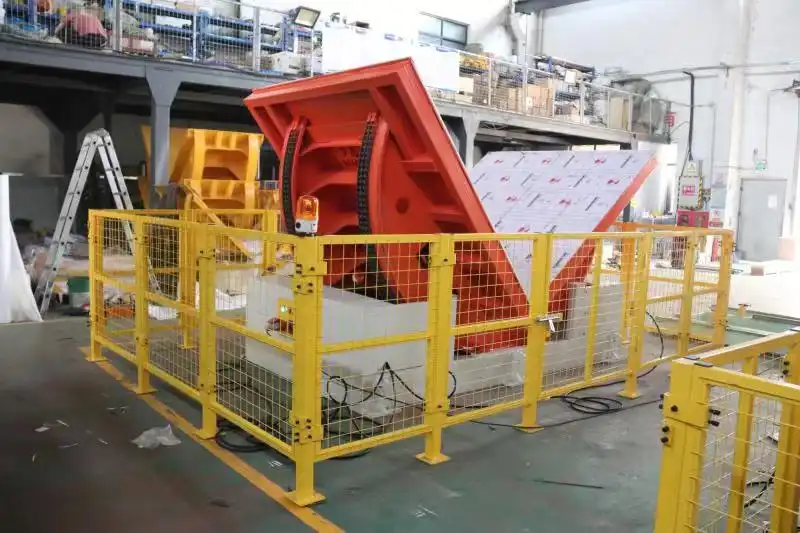
Advanced mold flipper technology enhances competitive advantage by automating cumbersome mold handling, drastically reducing cycle times, and improving worker safety. This leads to increased productivity, lower operational costs, minimized downtime, and superior product quality consistency. By streamlining operations, businesses can respond faster to market demands, securing a stronger market position and achieving operational excellence.
The integration of such sophisticated machinery is no longer a luxury but a strategic imperative for manufacturers aiming to optimize workflows and bolster their bottom line. As industries evolve, the adoption of technologies like mold flippers becomes pivotal in navigating the complexities of modern production and sustaining growth. This article delves into how these machines operate, their primary benefits, the efficiency gains from 180-degree turning, and a comprehensive cost-benefit analysis for their implementation.
1. How Does a Mold Flipping Machine Operate in Manufacturing?
Mold flipping machines are pivotal in modern manufacturing, addressing inefficiencies tied to manual mold handling. These systems automate the critical task of rotating heavy molds, a process traditionally fraught with delays and safety risks, thereby enhancing overall operational flow and productivity on the production floor.
A mold flipping machine operates by securely gripping a mold and utilizing automated mechanisms to perform a precise 180-degree rotation. This eliminates manual intervention, reducing the risk of injuries and errors associated with handling heavy, cumbersome molds. The automated process ensures consistent and accurate positioning, which is crucial for subsequent manufacturing stages. By streamlining the flipping process, these machines significantly cut down on mold changeover and maintenance times, leading to reduced production downtime. They integrate seamlessly into existing manufacturing workflows, often controlled via user-friendly interfaces, allowing for quick adjustments and reliable operation. This automation not only boosts throughput but also enhances overall plant safety and productivity by allowing personnel to focus on less physically demanding and higher-value tasks.


Delving Deeper into Mold Flipping Machines: Operational Mechanisms and Impact
The transition from manual to automated mold handling signifies a paradigm shift in manufacturing, directly addressing longstanding challenges and unlocking new levels of efficiency. Understanding the core mechanics and resultant impact is key to appreciating their value.
The Inefficiency of Manual Mold Handling
Historically, flipping heavy molds has been a labor-intensive and time-consuming task, often requiring multiple operators and overhead cranes. This manual process is inherently risky, exposing workers to potential crushing injuries, strains, and musculoskeletal disorders. Beyond safety concerns, manual flipping is prone to inconsistencies. Misalignment or improper handling can lead to:
- Painful Delays: Setting up and executing a manual flip can take considerable time, leading to production bottlenecks.
- Mold Damage: Accidental drops or improper securing can damage expensive molds, leading to costly repairs or replacements and production halts.
- Inconsistent Positioning: Manual positioning may lack the precision of automated systems, potentially affecting part quality in subsequent operations.
- Increased Labor Costs: The need for multiple skilled operators for a single task diverts labor from other value-adding activities.
Core Functionalities: Automation and Precision
Mold flipping machines address these issues through sophisticated automation. Key operational features typically include:
- Secure Clamping/Gripping System: Robust mechanisms, often hydraulic or electro-mechanical, firmly secure the mold before and during rotation, preventing slippage or dislodgement.
- Controlled Rotation: Powered by electric motors or hydraulic systems, the machine executes a smooth, controlled 180-degree (or 90-degree, depending on the model) turn. The speed and path of rotation are often programmable for precision.
- Load Capacity: Machines are designed to handle a wide range of mold weights and sizes, from a few tons to over 50 tons, catering to diverse industrial needs.
- Safety Interlocks: Modern mold flippers are equipped with comprehensive safety features, including emergency stops, safety barriers or light curtains, and overload protection to prevent accidents and equipment damage.
The table below illustrates the stark contrast between manual and automated mold flipping:
| Key Metric | Manual Flipping | Automated Mold Flipping |
|---|---|---|
| Time to Flip a Mold | ~30-60 minutes | ~2-10 minutes |
| Labor Required (Operators) | 2-3 | 1 (often supervisory) |
| Risk of Worker Injury | High | Low |
| Risk of Mold Damage | Moderate to High | Low |
| Consistency of Mold Positioning | Variable | Consistent & Precise |
| Downtime During Flipping | Significant | Minimal |
Seamless Integration and Enhanced Workflow
A significant advantage of modern mold flipper technology is its ability to integrate into existing manufacturing setups. Manufacturers like FHOPEPACK design their machines with adaptability in mind, often offering:
- Compact Footprints: Efficient designs minimize the floor space required.
- Compatibility: Systems can be integrated with overhead cranes, forklifts, or automated guided vehicles (AGVs) for loading and unloading molds.
- User-Friendly Controls: PLC-based control systems with intuitive HMIs (Human-Machine Interfaces) simplify operation and allow for customization of flipping parameters.
This seamless integration ensures that the introduction of a mold flipper enhances, rather than disrupts, the existing production flow. The result is a streamlined workflow where mold changes and maintenance are performed rapidly and safely, minimizing non-productive time and maximizing asset utilization. The surety and precision offered by automated flipping also contribute to consistently higher product quality by ensuring molds are handled and positioned correctly every time, reducing defect rates and associated rework costs.
2. What Are the Primary Benefits of Using a Mold Flipper?
Efficient manufacturing hinges on precise and swift handling of critical components like molds. Mold flippers provide a robust solution, significantly reducing labor costs while concurrently improving safety and productivity, marking a transformative upgrade for any modern manufacturing environment striving for operational excellence.
The primary benefits of using a mold flipper include drastically enhanced worker safety by minimizing manual handling of heavy molds, significant reductions in labor costs due to automation, and increased overall productivity through faster mold turning cycles. Additionally, they ensure consistent and precise mold positioning, which reduces the risk of mold damage and improves product quality, leading to less downtime and a more continuous, optimized workflow.

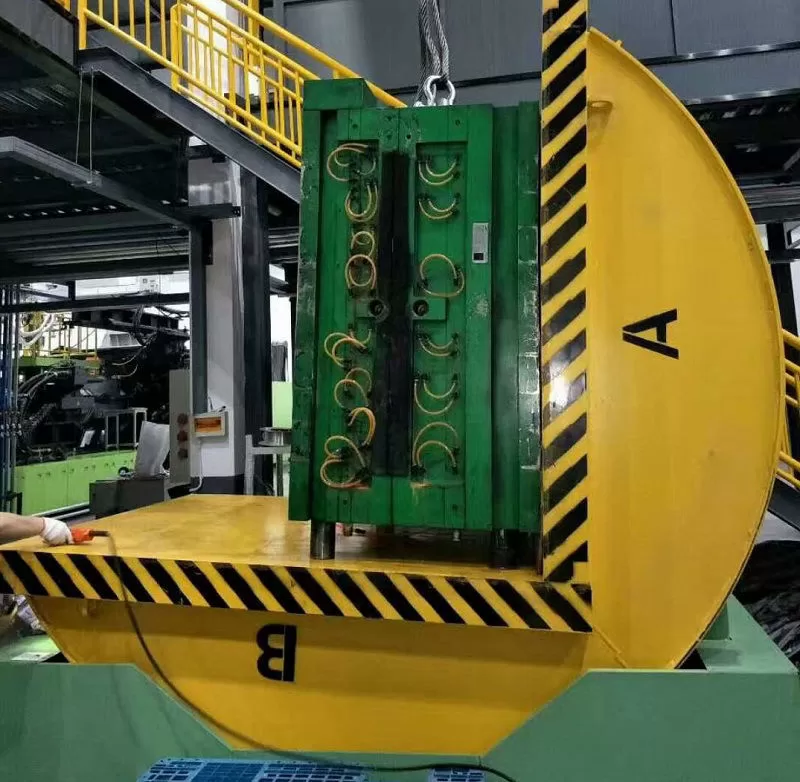
Assessing the Impact: A Comprehensive Look at Mold Flipper Advantages
The adoption of mold flippers transcends a simple equipment upgrade; it’s a strategic investment in operational efficiency, safety, and long-term profitability. The benefits are multifaceted and impact various aspects of the manufacturing process.
Enhanced Safety and Reduced Labor Risks
The most immediate and critical benefit is the improvement in workplace safety. Manually flipping heavy molds, which can weigh several tons, is inherently dangerous. Common risks include:
- Crushing injuries from falling or shifting molds.
- Strains and sprains from awkward lifting and maneuvering.
- Foot injuries if molds are dropped.
Mold flippers automate this hazardous task, removing workers from direct contact during the turning process. This leads to:
- Fewer Accidents and Injuries: A direct reduction in workplace incidents and associated costs (medical, compensation, lost workdays).
- Improved Worker Morale: Employees feel safer and more valued when hazardous tasks are automated.
- Compliance with Safety Regulations: Helps meet and exceed occupational health and safety standards.
The automation also significantly reduces the manual labor required for mold turning. What previously might have taken two or three operators can often be managed by a single operator supervising the machine. This frees up skilled labor for other critical tasks, optimizing workforce allocation.
Increased Efficiency and Productivity
Time is a critical resource in manufacturing. Mold flippers dramatically reduce the time taken to turn a mold.
- Reduced Cycle Times: Automated flipping can complete a 180-degree turn in a matter of minutes, compared to 30 minutes or more for manual methods. This is particularly beneficial during mold changes or maintenance.
- Minimized Downtime: Faster mold handling translates directly to less machine downtime, increasing the overall equipment effectiveness (OEE).
- Increased Throughput: With quicker turnarounds, more production cycles can be completed within a given timeframe.
The provided data shows a significant time advantage:
| Aspect | Manual Flipping | Automated Mold Flipping |
|---|---|---|
| Time to Flip | ~30 minutes | ~5 minutes |
| Labor Risk | High | Low |
| Downtime Reduction | Negligible | Significant |
This increased efficiency allows manufacturers to respond more rapidly to production demands and meet tighter schedules, a crucial competitive advantage.
Consistent Quality and Reduced Mold Damage
Precision is key in molding operations. Mold flippers ensure:
- Consistent Handling: Automated systems provide repeatable and precise mold positioning every time, eliminating human variability.
- Reduced Mold Damage: Gentle and controlled movement minimizes the risk of accidental drops or impacts that can damage expensive molds. Damaged molds lead to production halts, costly repairs, and potential scrapping of parts. Protecting these valuable assets extends their lifespan and reduces capital expenditure on replacements.
- Improved Part Quality: Consistent mold handling and positioning contribute to more uniform part quality, reducing defects and scrap rates.
As an industry veteran might observe, the transition to automated systems like mold flippers consistently leads to fewer errors and faster production timelines, reinforcing their role as pivotal manufacturing productivity tools. The economic benefits derived from enhanced safety, consistency, and overall efficiency solidify their place in modern manufacturing.
3. How Does 180-Degree Mold Turning Enhance Manufacturing Efficiency?
In the high-stakes environment of manufacturing, where every second and every movement counts, optimizing processes is paramount. Automating 180-degree mold turning is a significant leap forward, directly impacting cycle times, productivity, scheduling accuracy, and quality assurance across production lines.
Efficient 180-degree mold turning drastically enhances manufacturing efficiency by minimizing mold handling times and improving precision throughout the production cycle. This automation streamlines the overall process, ensures reliable outcomes, and upholds higher product standards. The significant gains in speed, safety, and consistency make this mold flipper technology indispensable for modern industrial operations aiming for peak performance and reduced operational bottlenecks.

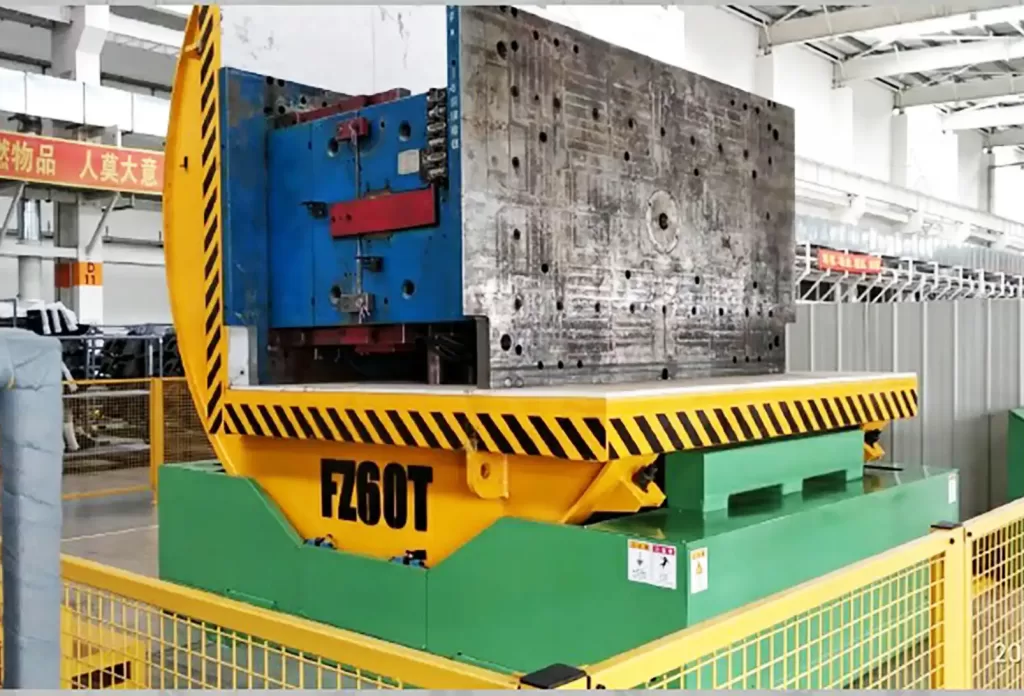
Unpacking the Efficiency Gains of 180-Degree Mold Turning
The ability to precisely and swiftly turn molds 180 degrees is more than a convenience; it’s a cornerstone of efficient mold maintenance, repair, and changeover processes. Examining how these systems augment production reveals their true value.
Precision Improvement and Quality Assurance
Manual turning of large, heavy molds is susceptible to human error, which can lead to misalignment, uneven stress on the mold, or even accidental damage. Automated 180-degree turning systems offer unparalleled precision:
- Exact Orientation: Machines are programmed to achieve precise 180-degree rotation, ensuring the mold is perfectly oriented for the next operation, whether it’s cleaning, repair, or re-installation into a press. This exactness maintains mold form and alignment.
- Reduced Defects: Proper mold handling and orientation are crucial for part quality. By minimizing the chances of mold damage or misalignment during turning, defect rates in molded products are reduced. This contributes to higher yields and less material waste.
- Guaranteed Consistency: Automation removes the variability inherent in manual processes. Each turn is performed identically, ensuring consistent treatment of molds and contributing to stable, predictable production outcomes.
Cycle Time Reduction and Enhanced Throughput
The speed advantage of automated 180-degree turning is a primary driver of efficiency:
- Rapid Turnaround: What might take 30-60 minutes manually (including setup and safety checks) can be accomplished in as little as 2-5 minutes with an automated mold flipper. This time saving is particularly impactful in facilities with frequent mold changes or maintenance schedules.
- Improved Scheduling: Faster turning cycles mean less downtime for molding machines. This allows for tighter production scheduling, increased asset utilization, and the ability to meet demanding delivery timelines.
- Increased Throughput: Reduced non-productive time directly translates to higher overall plant throughput. More molds can be processed, maintained, or changed over in the same amount of time, boosting overall capacity.
Operational Cost Cuts and System Longevity
Beyond direct time savings, efficient 180-degree mold turning contributes to cost reduction in several ways:
- Lower Labor Costs: Fewer personnel are needed for the turning operation, and those involved can often manage the process with less physical exertion and risk.
- Reduced Mold Wear and Tear: Smooth, controlled automated operations subject molds to less stress than potentially jerky or uneven manual movements. This careful handling can extend the operational life of expensive molds and reduce the frequency of repairs.
- Lower Maintenance Expenses (for the flipper): Well-designed mold flippers, while an investment, are built for industrial use. Their smooth operation contributes to their own longevity, minimizing maintenance costs compared to the potential costs associated with damage from failed manual lifts (e.g., crane repairs, mold damage).
The following table highlights key parameters and their outcomes:
| Parameter | Insight | Outcomes |
|---|---|---|
| Precision Improvement | Ensures exact flipping that maintains mold form and alignment. | Reduces defects, guarantees quality and consistency. |
| Cycle Time Reduction | Automated operations save substantial time compared to manual methods. | Improves scheduling, increases throughput. |
| Operational Cost Cut | Minimal wear-and-tear through smooth operations preserves machinery. | Lowers maintenance expenses, increases system longevity. |
| Safety Enhancement | Eliminates direct manual handling of heavy, awkward loads. | Drastically reduces risk of injury, improves worker morale. |
Industry experts consistently observe that embracing automated systems for tasks like 180-degree mold turning yields tangible benefits in productivity and cost management. The precision inherent in these systems aligns with best practices for defect reduction and operational excellence. Manufacturers seeking peak efficiency and minimal operational disruptions readily adopt these advancements, solidifying their competitive position.
4. How to Conduct a Cost-Benefit Analysis for Mold Flippers?
Investing in new capital equipment like mold flippers necessitates careful financial scrutiny. A thorough cost-benefit analysis is essential for determining if such an investment is economically sound, weighing the upfront and ongoing costs against the tangible operational and safety benefits accrued over time.
A cost-benefit analysis for mold flippers involves a meticulous comparison of the total initial investment (purchase, installation, training) and recurring operational costs (maintenance, energy) against the quantifiable benefits. These benefits include increased efficiency from reduced cycle times, lower labor costs through automation, improved safety leading to fewer accidents and associated expenses, and decreased mold damage preventing costly repairs or replacements. This systematic evaluation helps determine the financial viability and the projected return on investment (ROI) of integrating mold flipper technology into manufacturing operations.

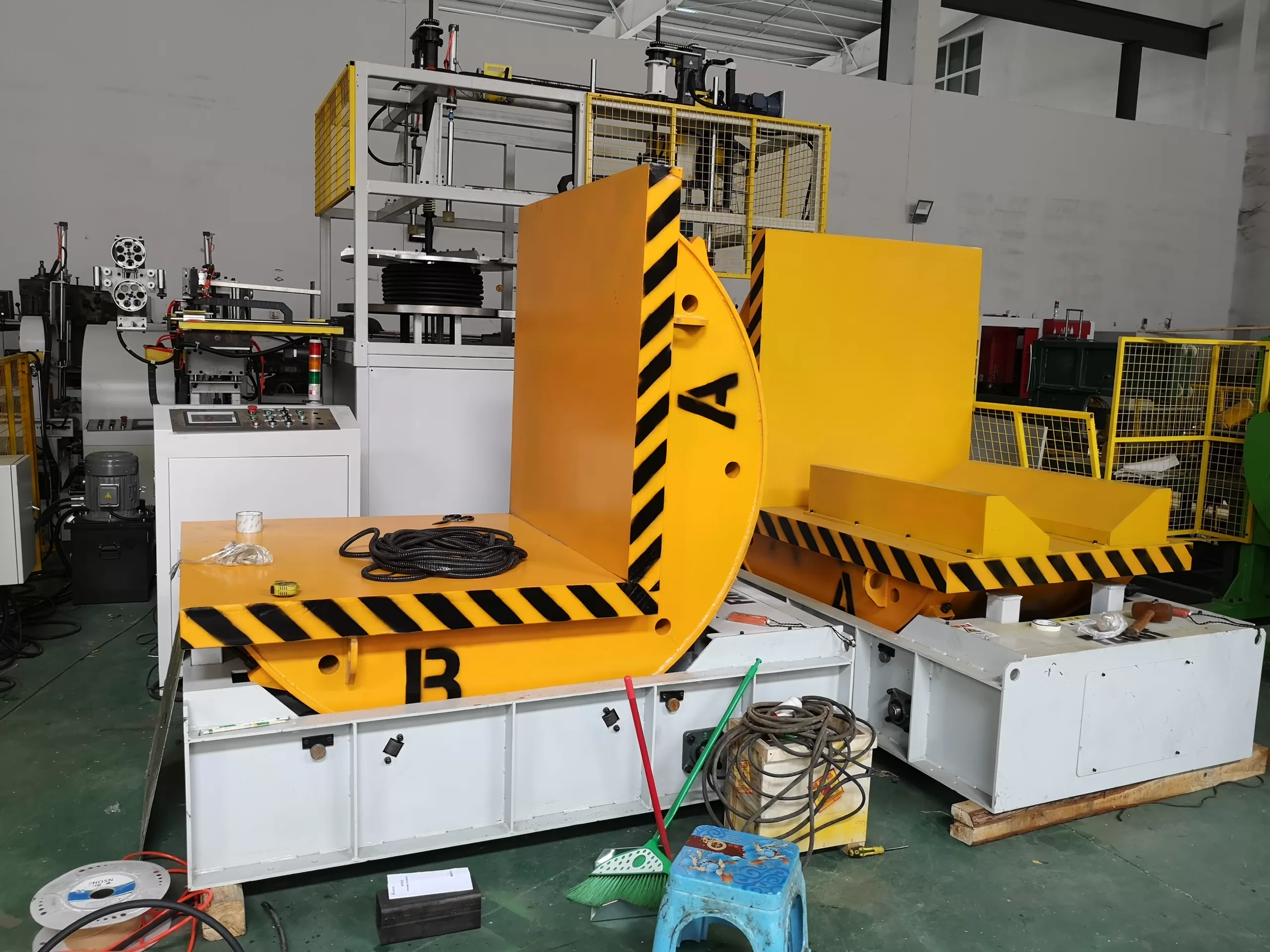
A well-structured cost-benefit analysis provides the data-driven insights needed to make an informed decision. It moves beyond anecdotal evidence to systematically evaluate whether the financial and operational advantages of a mold flipper justify its acquisition. This process typically involves identifying all relevant costs, quantifying the diverse benefits, performing the calculation using established financial metrics, and considering intangible factors that can influence the decision.
Identifying Costs Associated with Mold Flippers
To conduct a thorough cost-benefit analysis, you must first identify all relevant costs associated with acquiring and operating mold flippers. These costs can be categorized into initial investment costs and ongoing operational expenses. A clear understanding of these expenses is crucial for accurate financial assessment.
Breaking Down the Investment: Initial and Ongoing Costs
Understanding the cost structure is vital for a realistic cost-benefit analysis. Let’s break down the costs into initial investments and recurring operational expenses to provide a clearer picture.
Initial Investment Costs:
- Purchase Price: This is the most obvious upfront cost. Prices vary significantly based on the type of mold flipper (e.g., 90° or 180° rotation), load capacity (ranging from a few tons to over 50 tons), level of automation (manual, semi-automatic, fully automatic), and manufacturer. For instance, companies like FHOPEPACK or RUD Group offer a range of models with different price points. Detailed quotes for specific needs are essential.
- Installation Costs: Larger, automated mold flippers may require professional installation. This can include labor, site preparation (e.g., foundation reinforcement), modifications to the facility, and connections to utilities (electrical, pneumatic, or hydraulic). Potential production downtime during the installation phase should also be factored in.
- Training Costs: Operators and maintenance staff need to be properly trained to use and maintain the new equipment safely and effectively. Costs may include instructor fees (if external), employee time for training, and development of training materials.
- Customization and Integration: If a standard mold flipper doesn’t perfectly fit the existing workflow or specific mold types, customization might be necessary. This could involve modifications to the flipper itself or changes to surrounding equipment (e.g., conveyors, crane interfaces). Integration with existing factory management systems (MES, ERP) for data collection might also incur costs.
- Shipping and Handling: The cost of transporting a large piece of industrial equipment to the facility.
Ongoing Operational Costs:
- Maintenance Costs: All machinery requires regular maintenance. This includes scheduled preventative maintenance (lubrication, inspections, adjustments), replacement of wear parts (e.g., bearings, seals, hydraulic hoses, chains), and potential unscheduled repairs. Service contracts might be an option.
- Energy Consumption: Electric mold flippers will consume electricity. Hydraulic systems also have energy costs associated with their power units. The estimated energy consumption should be calculated based on the machine’s power rating and anticipated usage cycles.
- Labor Costs (Operation): While mold flippers aim to reduce overall labor, there will still be labor associated with operating the equipment, even if it’s just for supervision, loading, and unloading. The wages and benefits of these personnel should be considered.
- Consumables: Depending on the type of flipper, consumables might include hydraulic fluid, lubricants, or filters.
- Insurance: The new asset may impact property insurance premiums, although this is often offset by reduced liability from improved safety.
By meticulously listing and estimating both initial and ongoing costs, a solid foundation for the “cost” side of the cost-benefit analysis is established.
Quantifying the Benefits of Mold Flippers
The advantages of implementing mold flippers are diverse, spanning operational efficiency, workplace safety, and direct cost reductions. To perform a meaningful cost-benefit analysis, these benefits must be quantified into monetary terms wherever possible.
Measuring the ROI: Efficiency, Safety, and Cost Savings
Translating the advantages of mold flippers into measurable metrics is crucial for assessing their true value.
Efficiency Gains:
- Reduced Mold Handling Time: Compare the current average time taken to flip a mold manually versus the significantly shorter time with a mold flipper. For example, if manual flipping takes 45 minutes and a flipper does it in 5 minutes, that’s a saving of 40 minutes per flip. Multiply this by the number of flips per year and the hourly labor rate of the involved personnel.
- Increased Machine Uptime (Molding Machines): Faster mold changes or quicker access for maintenance means less downtime for the primary production machinery (e.g., injection molding machines, die-casting machines). Calculate the value of this increased uptime based on the production output or revenue generated per hour by those machines.
- Improved Workflow and Throughput: Streamlined mold handling can reduce bottlenecks, leading to a smoother overall production flow and potentially higher plant throughput. Quantify this by estimating the increase in units produced or orders fulfilled.
Safety Improvements:
- Reduced Injury Costs: Analyze historical data on workplace injuries related to manual mold handling. Quantify the direct costs (medical expenses, workers’ compensation claims) and indirect costs (lost workdays, cost of hiring temporary staff, reduced morale, administrative time). Estimate the reduction in these costs due to the enhanced safety provided by mold flippers. Leading manufacturers like Green Valley Manufacturing emphasize safety features like their Safety-Lock system, which contributes to this.
- Lower Insurance Premiums: A demonstrably safer working environment can potentially lead to reductions in workers’ compensation insurance premiums. Consult with your insurance provider.
Direct Cost Savings:
- Labor Cost Reduction: Calculate the savings from reducing the number of operators required for mold flipping or by reallocating them to more value-added tasks. Consider wages, benefits, and overtime.
- Reduced Mold Damage: Manual handling errors can lead to expensive mold damage. Track historical costs for mold repair or replacement due to such incidents. Mold flippers offer controlled movement, significantly minimizing this risk. Estimate annual savings based on reduced repair frequency and severity. Some advanced systems, like those from SHJLPACK with shock absorption, further mitigate this.
- Extended Mold Lifespan: Gentle handling can contribute to a longer operational life for molds, deferring capital expenditure on replacements.
- Reduced Scrap/Rework: Improved mold positioning and reduced risk of damage can lead to more consistent part quality, thereby reducing scrap and rework costs.
Performing the Cost-Benefit Calculation
Once costs and benefits are identified and quantified, the next step is to perform the calculation to determine the financial viability of the investment. Common financial metrics include Return on Investment (ROI), Net Present Value (NPV), and Payback Period.
Metrics for Decision Making: ROI, NPV, and Payback Period
Return on Investment (ROI): ROI measures the profitability of an investment relative to its cost.
- Formula: ROI = ((Total Net Benefits – Total Costs) / Total Costs) * 100% (Where Total Net Benefits = Sum of annual benefits over the analysis period)
- Interpretation: A positive ROI indicates profitability. Compare this to your company’s hurdle rate (minimum acceptable return).
Net Present Value (NPV): NPV accounts for the time value of money by discounting future cash flows back to their present value.
- Formula: NPV = ∑ [Net Cash Flow_t / (1 + r)^t] – Initial Investment (Where Net Cash Flow_t = Benefits_t – Ongoing Costs_t in year t, r = discount rate, t = time period)
- Interpretation: A positive NPV suggests the investment will add value to the company.
Payback Period: This calculates the time it takes for the cumulative benefits of the investment to equal its initial cost.
- Calculation: Initial Investment / Annual Net Cash Flow (for simple cases) or by tracking cumulative cash flow year-by-year.
- Interpretation: A shorter payback period is generally preferred, indicating quicker recovery of the investment.
Example Calculation (Simplified – Over 5 Years): Assume:
- Initial Investment (Flipper + Installation + Training): $70,000
- Annual Ongoing Costs (Maintenance, Energy): $3,000
- Annual Quantified Benefits (Labor Savings, Increased Uptime, Reduced Damage, Safety Cost Reduction): $25,000
| Year | Benefits | Ongoing Costs | Net Annual Cash Flow | Cumulative Cash Flow |
|---|---|---|---|---|
| 0 | – | – | -$70,000 (Initial) | -$70,000 |
| 1 | $25,000 | $3,000 | $22,000 | -$48,000 |
| 2 | $25,000 | $3,000 | $22,000 | -$26,000 |
| 3 | $25,000 | $3,000 | $22,000 | -$4,000 |
| 4 | $25,000 | $3,000 | $22,000 | $18,000 |
| 5 | $25,000 | $3,000 | $22,000 | $40,000 |
- Payback Period: Occurs during Year 4. (Roughly 3 years + ($4,000 / $22,000) * 12 months ≈ 3 years and 2.2 months).
- Total Net Benefits (5 years): $22,000 * 5 = $110,000
- Total Costs (Initial + 5yr Ongoing): $70,000 + ($3,000*5) = $85,000
- ROI (5 years): (($110,000 – $70,000) / $70,000) 100% (This calculation is slightly off, ROI should be (Total Benefits – Total Costs) / Total Costs). Correct ROI on initial investment: (($110,000 [sum of net annual cashflows] – $70,000 [initial]) / $70,000) 100% is not standard. More commonly: (Net Profit / Cost of Investment) 100. Net Profit = $110,000 (total net benefits over 5 years) – $70,000 (initial cost) = $40,000. So, ROI = ($40,000 / $70,000) 100% ≈ 57.14% over 5 years. Or, average annual ROI can be considered.
For NPV, one would discount each year’s $22,000 net cash flow using the company’s discount rate.
Considering Intangible Benefits and Qualitative Factors
Beyond quantifiable financial returns, several intangible benefits and qualitative factors should influence the decision.
Beyond the Numbers: Morale, Reputation, and Flexibility
- Improved Employee Morale and Retention: A safer and less physically demanding work environment, as promoted by companies like PLASSETEZE Solutions with their ergonomic designs, can significantly boost morale, job satisfaction, and potentially reduce employee turnover.
- Enhanced Company Reputation: Investing in modern, safe technology can enhance the company’s image as a responsible employer and a forward-thinking manufacturer. This can attract talent and instill confidence in customers and partners.
- Improved Quality Control: Consistent and gentle mold handling contributes to better overall quality control in the molding process itself.
- Increased Operational Flexibility: Faster mold changes allow for quicker adaptation to different production runs and customer demands. This agility is a significant competitive advantage.
- Attracting and Retaining Skilled Labor: A modern, safe, and technologically advanced workplace is more attractive to skilled workers.
- Foundation for Further Automation: Implementing mold flippers can be a stepping stone towards more comprehensive factory automation, as seen with innovators like SXKH Global integrating robotic handling.
While these factors are difficult to assign a direct dollar value, they contribute significantly to the long-term success and competitiveness of the business. They should be discussed and weighed qualitatively alongside the financial metrics.
Conclusion
Investing in advanced mold flipper technology offers a clear pathway to enhancing competitive advantage. By automating critical mold handling processes, these machines deliver substantial improvements in operational efficiency, drastically reduce cycle times, and bolster workplace safety. The resulting benefits—lower labor costs, minimized mold damage, increased productivity, and consistent product quality—translate into a stronger market position and improved profitability. A comprehensive cost-benefit analysis, considering both quantifiable financial returns and valuable intangible benefits, will typically reveal that mold flippers are a strategic investment for manufacturers aiming for operational excellence and sustained growth in today’s demanding industrial landscape.












