

Assessing the Financial Impact of Mold Flipper Integration
Integrating mold flippers into manufacturing operations represents a significant capital investment. Therefore, a meticulous assessment of its financial impact is paramount for informed decision-making. This evaluation ensures that the benefits outweigh the costs, aligning the investment with strategic operational and financial objectives, ultimately driving enhanced productivity and profitability.

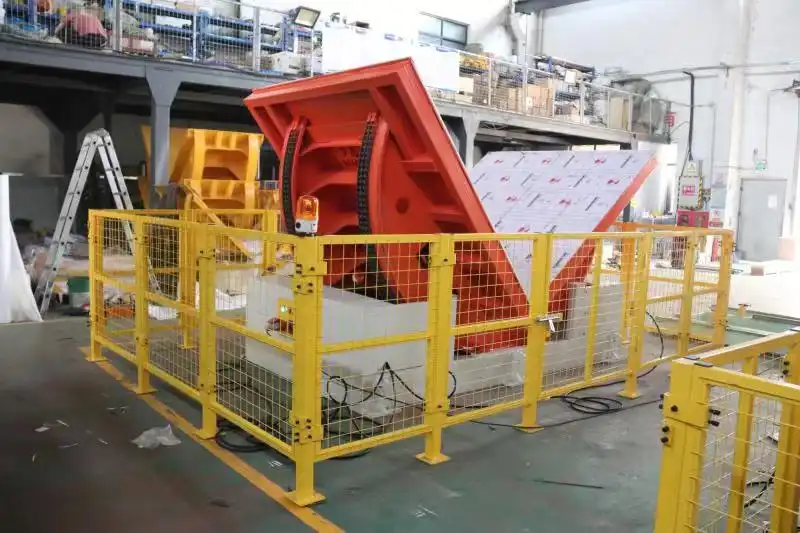
Assessing the financial impact of mold flipper integration involves a comprehensive cost-benefit analysis, weighing initial and ongoing expenses against quantifiable gains like increased efficiency, reduced labor, improved safety, and decreased mold damage. This analysis determines the Return on Investment (ROI), Net Present Value (NPV), and Payback Period, offering a clear financial rationale for the investment and its contribution to operational excellence and profitability.
Investing in new equipment such as a mold flipper is a strategic decision that necessitates careful financial scrutiny. Understanding the full spectrum of costs and benefits, both tangible and intangible, allows businesses to project the long-term financial implications accurately. This article delves into the methodologies for conducting such an assessment, empowering manufacturers to make data-driven choices that optimize resources and enhance competitive advantage.
1. Identifying Costs Associated with Mold Flipper Integration
To accurately assess the financial viability of mold flipper integration, a comprehensive identification of all associated costs is essential. These expenditures span initial procurement and setup to long-term operational and maintenance outlays, forming the crucial “cost” side of the cost-benefit equation for any manufacturing enterprise.
The primary costs associated with mold flipper integration are categorized into initial investment costs—including purchase price, installation, operator training, and potential facility modifications or customization—and ongoing operational costs, which encompass maintenance, energy consumption, operational labor, and consumables like spare parts or lubricants. Accurately identifying and quantifying these diverse expenses is fundamental to a thorough financial impact assessment, ensuring all financial commitments are considered before investment.

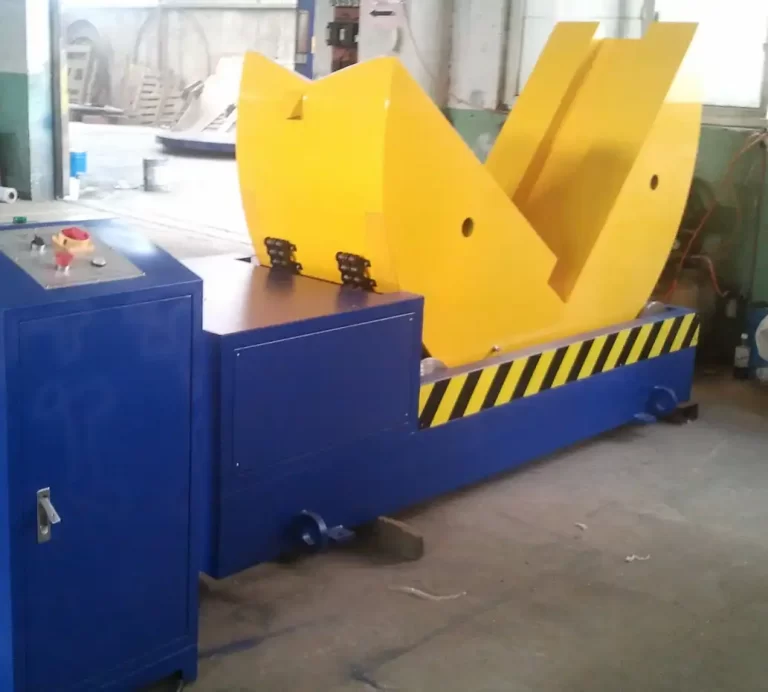
Breaking Down the Investment: A Deeper Dive into Initial and Operational Expenditures
A granular understanding of the cost structure is vital for a realistic financial impact assessment. This involves dissecting the total investment into its constituent parts: upfront initial costs and recurring operational expenses. This detailed breakdown provides a clear and comprehensive view of the financial commitment involved in integrating mold flipper technology. High initial capital investment is a significant barrier to entry for new participants in the Mold Flippers Market, with advanced machinery often costing hundreds of thousands of dollars.
Initial Investment Costs:
These are the one-time expenses incurred at the outset of the project.
- Purchase Price: This is the most direct and often largest component of the initial investment. Prices for mold flippers vary significantly based on type (e.g., 90-degree, 180-degree), load capacity (ranging from a few tons to over 50 tons), level of automation (manual, semi-automatic, fully automatic), and the manufacturer. For instance, basic models might start from $10,000, while large, custom-automated systems can exceed $100,000. It’s crucial to obtain quotes from reputable vendors, like Fhope Pack, tailored to specific operational needs.
- Installation Costs: Larger and more complex mold flipper systems, especially those integrated into automated production lines, often require professional installation. These costs include labor for mechanical and electrical setup, any necessary modifications to the factory floor (e.g., reinforced concrete pads, pits), and connections to power (electrical) or compressed air (pneumatic) supplies. Potential production downtime during the installation phase should also be factored in as an indirect cost. Installation might range from $1,000 for simpler units to over $15,000 for complex integrations.
- Training Costs: Operators and maintenance staff must be adequately trained to use and maintain the new equipment safely and efficiently. This includes initial training sessions provided by the vendor and potentially ongoing or refresher training for new hires or when advanced features are implemented. Costs can vary depending on whether training is conducted on-site or at the vendor’s facility, and the number of personnel to be trained. Budgeting $500 to $5,000 for comprehensive training is a reasonable estimate.
- Customization and Integration Costs: If standard mold flipper models do not perfectly align with existing workflows or facility layouts, customization may be necessary. This could involve modifications to the flipper itself, such as specialized fixtures or control interfaces, or changes to surrounding equipment, like conveyor systems or overhead crane pathways. Integration with existing Manufacturing Execution Systems (MES) or enterprise resource planning (ERP) systems for data logging and control can also add to these initial costs, potentially adding another $2,000 to $20,000 depending on complexity.
- Import and Regulatory Costs: If sourced internationally, consider import duties, taxes, and shipping costs. Additionally, ensuring compliance with regional safety standards (e.g., OSHA in the US, CE marking in Europe) might involve certification costs or modifications, as regional regulatory frameworks significantly impact operational strategies.
Ongoing Operational Costs:
These are the recurring expenses associated with the day-to-day operation and upkeep of the mold flipper.
- Maintenance Costs: Like any industrial machinery, mold flippers require regular preventive and corrective maintenance to ensure optimal performance, safety, and longevity. This includes routine checks, lubrication, calibration, and the replacement of wear parts (e.g., bearings, seals, hydraulic hoses, motors). A robust preventative maintenance schedule can minimize unplanned downtime. Annual maintenance budgets typically range from 1-3% of the initial purchase price.
- Energy Consumption: Electric mold flippers contribute to the facility’s electricity bill, while hydraulic systems also have power unit consumption. Pneumatic systems incur costs related to compressed air generation. The energy consumption should be estimated based on the flipper’s power rating, duty cycle, and local energy prices. For example, a 5kW motor running 4 hours/day at $0.12/kWh would cost approximately $2.40/day.
- Labor Costs (Operation): While mold flippers are often implemented to reduce overall labor requirements for mold handling, there will still be labor associated with operating the equipment. This includes the time spent by trained operators loading molds, initiating the flipping sequence, and unloading. These costs should be calculated based on the operators’ wages, benefits, and the proportion of their time dedicated to operating the flipper.
- Consumables and Replacement Parts: Beyond routine maintenance, some flippers may require consumables like hydraulic fluid, specialized lubricants, or filters. A budget for the eventual replacement of more significant wear parts not covered under typical maintenance (e.g., specific sensors, control panel components) should also be allocated. This could be an additional 0.5-1% of the purchase price annually.
- Insurance Costs: The introduction of new, valuable equipment might marginally increase property insurance premiums, although improved safety might lead to reductions in workers’ compensation premiums, creating a balancing effect.
| Cost Category | Type | Estimated Range (USD) | Key Considerations |
|---|---|---|---|
| Purchase Price | Initial | $10,000 – $100,000+ | Capacity, automation, features, vendor |
| Installation | Initial | $1,000 – $15,000+ | Complexity, facility modification, downtime |
| Training | Initial | $500 – $5,000 | Number of staff, on-site/off-site, training depth |
| Customization | Initial | $2,000 – $20,000+ | Workflow integration, specialized fixtures, MES/ERP link |
| Annual Maintenance | Ongoing | 1-3% of Purchase Price | PM schedule, wear parts, labor |
| Annual Energy | Ongoing | $500 – $2,000+ | Power rating, usage hours, energy cost |
| Annual Operating Labor | Ongoing | Variable | Operator wages, time allocated |
| Consumables/Spare Parts | Ongoing | 0.5-1% of Purchase Price | Fluids, filters, minor components |
By meticulously itemizing and estimating both initial and ongoing costs, a solid foundation for the “cost” side of the financial impact assessment is established. Accurate cost assessment is paramount for making informed investment decisions and for comparing against the projected benefits.
2. Quantifying the Benefits of Mold Flipper Integration
The advantages of integrating mold flippers are diverse, encompassing enhanced operational efficiency, improved workplace safety, and direct cost reductions. Translating these improvements into quantifiable financial terms is crucial for a robust assessment of the technology’s financial impact and its contribution to overall business performance.
Quantifying the benefits of mold flipper integration involves measuring improvements in mold handling cycle times, calculating labor cost reductions from automation, estimating savings from reduced workplace injuries and mold damage, and assessing increased throughput. These measurable financial gains are then compared against the investment and operational costs to determine the overall financial viability.**

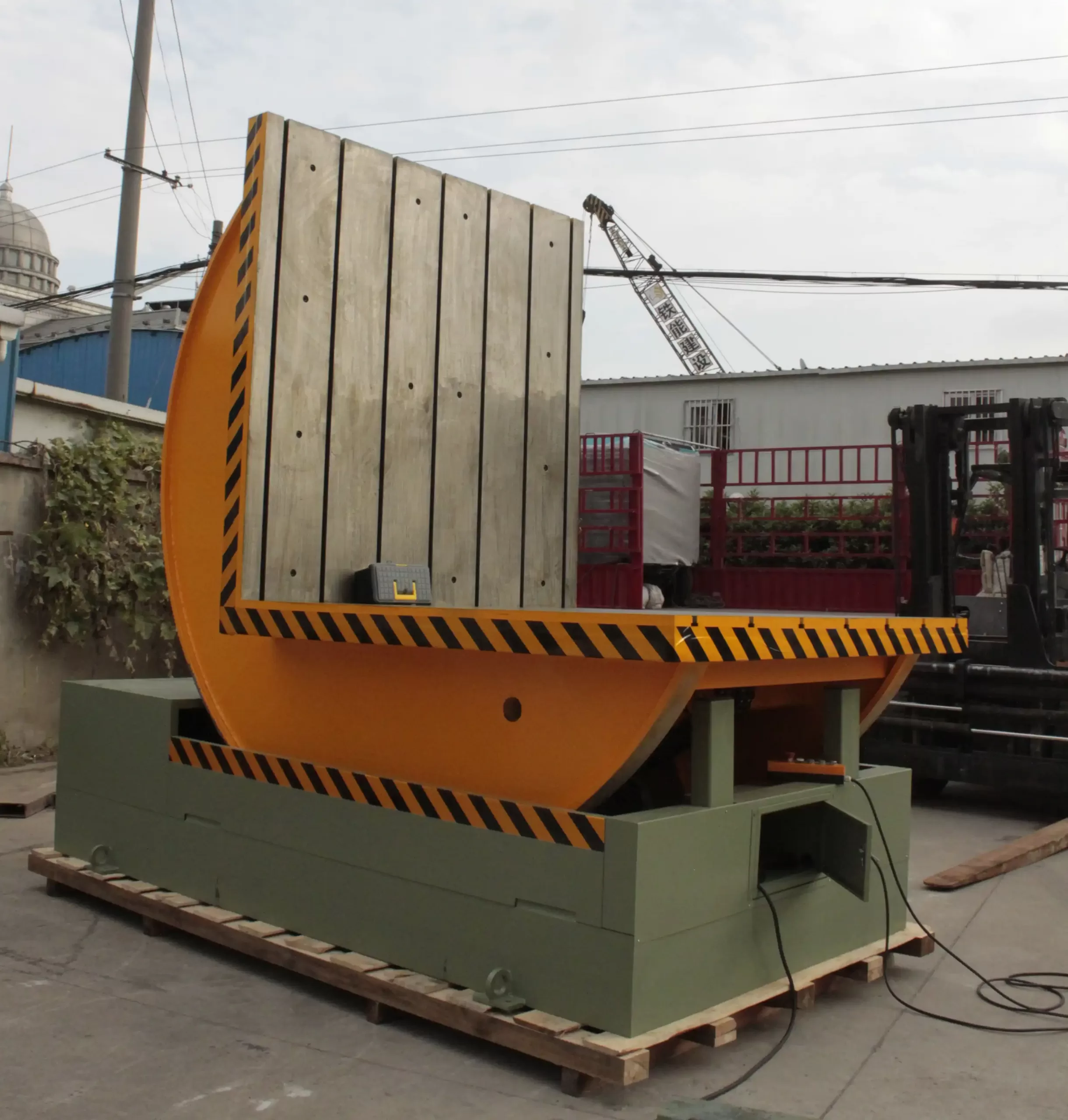
Measuring True Value: Translating Operational Improvements into Financial Gains
To truly understand the financial impact of mold flipper integration, we must convert their operational advantages into measurable financial metrics. This involves a detailed analysis of improvements in efficiency, enhancements in safety leading to cost avoidance, and direct cost savings. Technological advancements in mold flipping machines, incorporating automation and smart technology, are key demand drivers, with companies realizing productivity improvements of up to 30%.
Efficiency Gains:
- Reduced Mold Handling Cycle Time: Mold flippers drastically reduce the time required for mold changeovers, maintenance access, and preparation.
- Measurement: Compare the current average time for manual mold handling/flipping tasks against the projected time with a mold flipper. For instance, if a manual mold turn takes 1.5 hours with 3 technicians and a mold flipper achieves this in 20 minutes with 1 technician, the time saving is significant.
- Financial Quantification: (Old Time – New Time) x Frequency of Operations/Year x (Blended Hourly Labor Rate x Number of Staff Reduced). This directly translates to labor cost savings per operation. Additionally, reduced cycle time contributes to increased machine uptime and overall throughput. If faster changeovers allow for 2 extra production runs per week, quantify the profit from these additional runs.
- Optimized Machine and Labor Utilization: By automating the flipping process, skilled labor is freed from strenuous, time-consuming manual tasks and can be redeployed to more value-added activities. Production machinery (e.g., injection molding machines) experiences less downtime awaiting mold services.
- Measurement: Track the current downtime of primary production machinery due to mold handling. Estimate the reduction in this downtime.
- Financial Quantification: (Downtime Reduction per Event) x (Number of Events per Year) x (Cost of Machine Downtime per Hour). The cost of machine downtime includes lost production, operator wages during idle time, and energy.
- Improved Workflow and Throughput: Streamlined mold handling reduces bottlenecks in the production flow, leading to smoother overall operations and potentially increased plant capacity.
- Measurement: Analyze production output before and after potential integration.
- Financial Quantification: (Increase in Units Produced per Period) x (Profit Margin per Unit). Or, (Reduction in Lead Time) translated into competitive advantage or ability to take on more orders.












