

How Mold Flippers Contribute to Operational Efficiency
In the relentless pursuit of manufacturing excellence, time and cost savings are paramount. Mold flippers emerge as a critical technology, automating the cumbersome task of turning heavy molds. This innovation directly slashes manual labor, enhances safety, and significantly boosts overall productivity, paving the way for streamlined manufacturing operations.

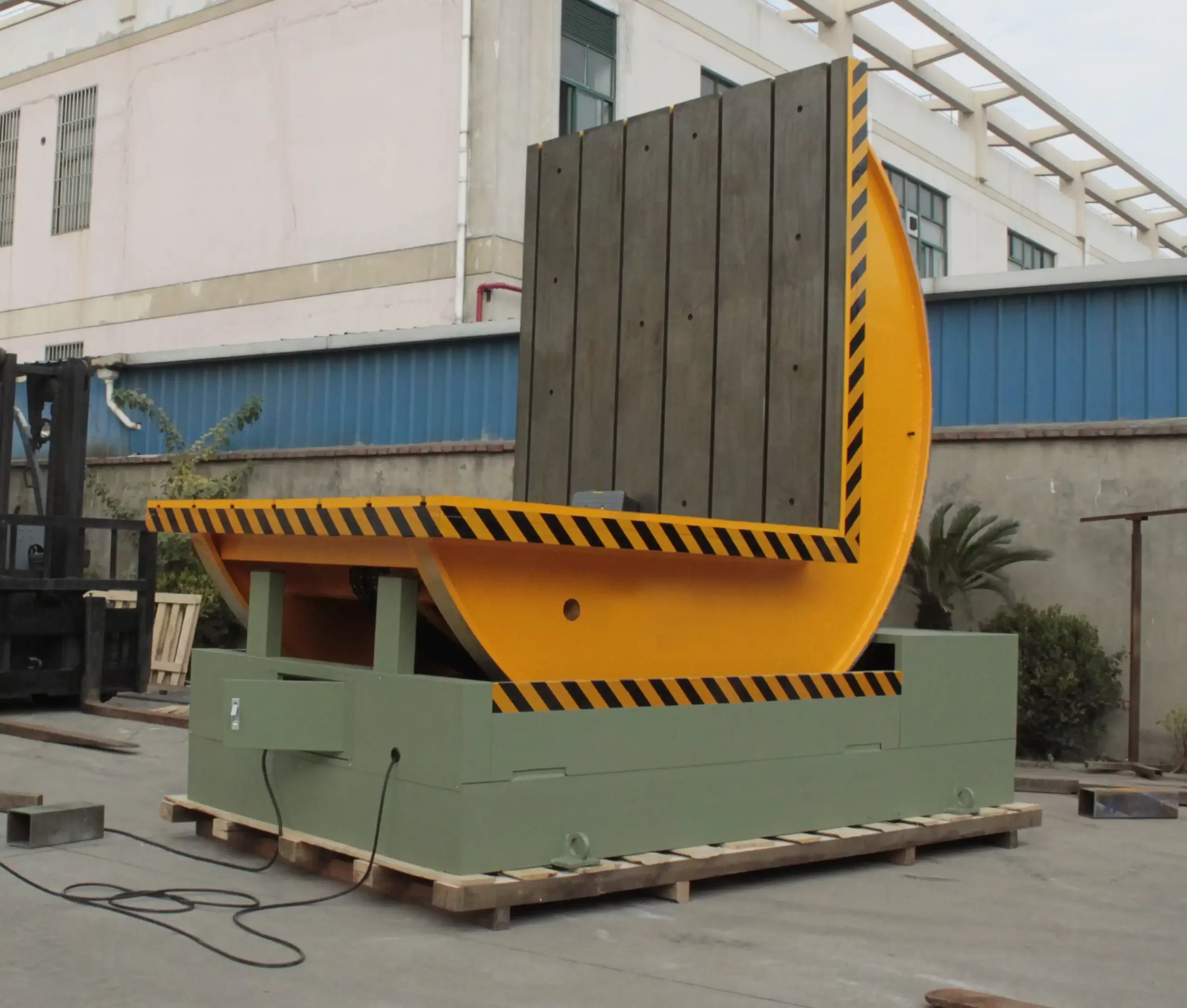
Mold flippers contribute to operational efficiency by automating the 180-degree turning of heavy molds, a process that traditionally is labor-intensive, time-consuming, and fraught with safety risks. This automation reduces cycle times, minimizes the chance of mold damage or worker injury, ensures consistent and precise mold positioning, and allows for smoother workflow continuity. The result is a significant boost in productivity and a reduction in operational bottlenecks.
The incorporation of such machinery is not merely a technological upgrade; it’s a strategic imperative for any manufacturing facility looking to gain a competitive edge. By taking the manual effort and inherent risks out of mold handling, these machines free up valuable human resources for more complex tasks, reduce downtime associated with manual errors or injuries, and ensure a more predictable and efficient production rhythm. This article will delve into the specifics of how mold flippers achieve these gains and why they are becoming indispensable in modern manufacturing.
How Does a Mold Flipping Machine Enhance Production Efficiency?
Production bottlenecks and downtime are constant anxieties in manufacturing, often stemming from inefficient or hazardous manual mold handling. Meeting tight schedules while maintaining quality under such conditions can be a significant challenge. A mold flipping machine directly addresses these concerns by automating a critical, yet often overlooked, part of the process.
A mold flipping machine significantly boosts production efficiency by automating the mold turning process, thereby eliminating manual labor, reducing associated risks, and dramatically speeding up the operation. These machines can precisely rotate heavy molds 180 degrees in minutes, a task that could take considerably longer and involve multiple personnel if done manually. This automation ensures molds are correctly and consistently oriented, minimizing errors, reducing the likelihood of damage to expensive molds or injuries to staff. This leads to optimized time consumption, improved workflow continuity, and an overall increase in production capacity. By streamlining this crucial step, the mold flipper reduces bottlenecks, allowing for a smoother, faster, and more reliable manufacturing cycle, directly impacting throughput and profitability.

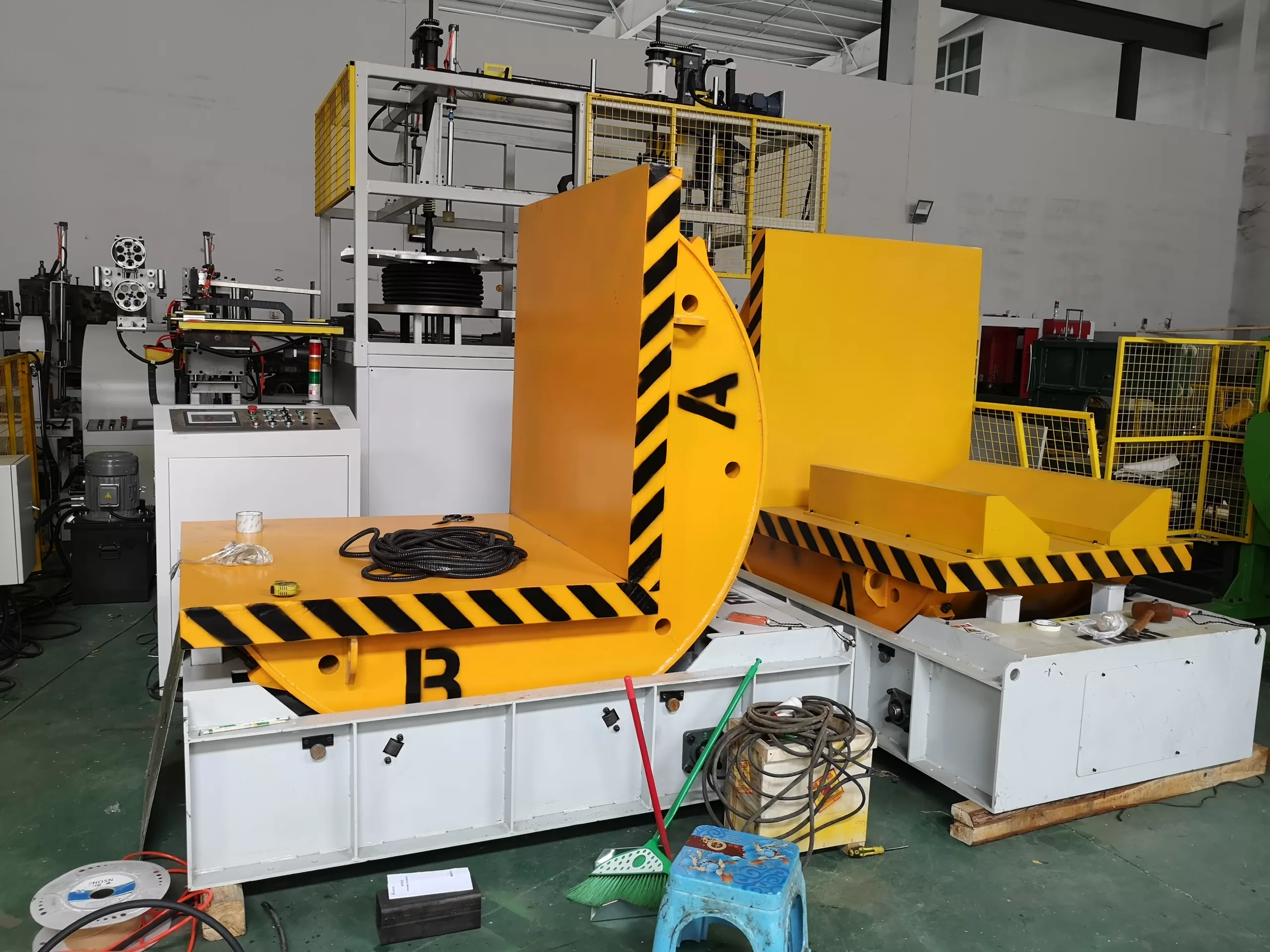
Diving Deeper: The Mechanics and Metrics Behind Enhanced Efficiency
To truly grasp how a mold flipping machine transforms production efficiency, it’s essential to look beyond the simple act of turning a mold. The impact is multifaceted, touching upon labor, safety, precision, and overall workflow integration.
Traditional mold flipping is often a precarious and time-consuming task. It might involve cranes, forklifts, and several operators working in close proximity to a heavy, potentially unstable load. This manual method is inherently slow and introduces significant variables: the skill of the operators, the available equipment, and the specific geometry of the mold. Any misstep can lead to delays, damage to the mold (which can be extraordinarily expensive), or, worst-case, serious injuries.
A mold flipping machine systematizes this process. Here’s how its core attributes contribute to efficiency:
- Automation and Labor Reduction: The most immediate impact is the reduction in manual labor. What might have required two or three skilled operators and a crane operator can often be handled by a single operator initiating an automated sequence. This frees up skilled labor for tasks that add more direct value, such as mold maintenance, setup, or quality control.
- Speed and Cycle Time Reduction: Automated flipping is significantly faster. A heavy mold can be securely gripped, rotated 180 degrees, and set down in a new orientation in a matter of minutes. SHJL’s material highlights flipping times reduced from ~30 minutes manually to ~5 minutes with a machine. This time saving, multiplied over many mold changes or maintenance cycles, translates directly into increased production capacity.
- Enhanced Safety: This is a paramount concern. Manual handling of heavy molds (some weighing thousands of pounds, as noted in the 3M case study with a 3,800-pound mold) is inherently risky. The SHJL material explicitly states: “It is very dangerous for mold turning operation by a crane by manually which will caused big accident by small mistake.” Mold flippers, by design, keep operators away from the immediate vicinity of the heavy load during movement. Features like electric limit switches, mechanical stoppers, and the ability to stop at any angle if power is lost, as mentioned for SHJL flippers, drastically reduce accident risks. This not only protects personnel but also reduces costs associated with injuries, insurance, and lost workdays.
- Precision and Consistency: Automated systems offer a level of precision and repeatability that manual methods struggle to match. Consistent mold positioning is crucial for subsequent operations, whether it’s mold maintenance, cleaning, or setting it up in a press. Inaccurate positioning can lead to further delays or even damage. The smooth, controlled motion provided by hydraulic systems, often with adjustable speeds, ensures molds are handled gently and placed accurately every time.
- Reduced Mold Damage: The controlled, smooth operation of a mold flipper minimizes the shocks and impacts that can occur during manual handling. This reduces wear and tear on the mold itself, including critical components like leader pins, bushings, and alignment features. The 3M case study noted that their previous manual method often led to premature wear of “a few thousand dollars’ worth of alignment products” annually.
Let’s quantify some of these benefits with a comparative table, drawing from the provided materials:
| Key Metric | Manual Flipping | Automated Mold Flipping (via Mold Flipper) |
|---|---|---|
| Time to Flip a Mold | ~30 minutes (or more) | ~5 minutes (or less) |
| Labor Required | 2-3 operators + crane operator | 1 operator (often) |
| Labor Risk (Injury) | High | Low |
| Consistency of Positioning | Variable | Consistent, High Precision |
| Risk of Mold Damage | Moderate to High | Low |
| Downtime Due to Flipping | Significant | Minimal |
| Space Requirement | Large operational area needed | Compact footprint (e.g., SHJL machine) |
The integration of a mold flipper is not just about automating a single task; it’s about re-engineering a segment of the production workflow for greater reliability and speed. As highlighted by the 40 years of engineering experience cited in the material, such strategic adaptations invariably lead to transformative outcomes, reducing bottlenecks and enhancing overall operational efficiency.
What Are the Key Features of Modern Mold Flipping Machines?
In today’s fast-paced manufacturing, achieving optimal production efficiency is non-negotiable. Modern mold flipping machines are pivotal, engineered with advanced features to ensure the safe, swift, and precise handling of heavy and complex molds, minimizing downtime and streamlining operations critical for maintaining a competitive edge.
Modern mold flipping machines boast features like robust hydraulic or electric drive systems for smooth 180-degree rotation, advanced safety interlocks including sensors and mechanical stops, and precise control systems (often PLC-based with remote control options). They offer adjustable speeds for gentle handling, are built for durability, and can often be customized to specific mold sizes and weights, ensuring seamless integration and enhanced productivity.

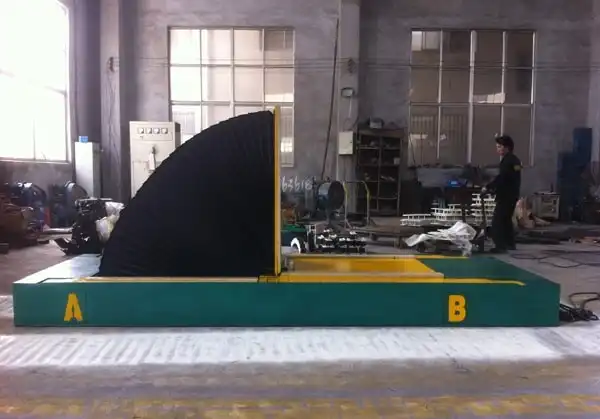
Unpacking the Technological Advantages of Advanced Mold Flippers
The evolution of mold handling equipment has brought forth machines that are far more than simple turners. They are sophisticated pieces of engineering designed to tackle specific challenges in manufacturing environments. Let’s critically examine the features that make these machines indispensable:
-
Drive Systems and Control:
- Hydraulic Systems: Many mold flippers, like the one detailed by SHJL, utilize hydraulic systems. These are known for providing smooth, powerful, and controllable motion, ideal for handling heavy molds without sudden jerks or impacts. The “mold is safety and without impact by flipper that the machine is driving by hydraulic and moving smoothly.”
- Electric Systems: Some designs may use electric drives, which can offer high precision and easier integration with all-electric plant setups.
- Control Precision: Modern machines often feature Programmable Logic Controllers (PLCs) for precise sequencing and control. Remote controllers, as mentioned for the SHJL unit, enhance operator safety and convenience, allowing them to manage the operation from a safe distance. Variable speed control, particularly soft start/stop capabilities (“adjustable by inverter in safety speed at the beginning and the end”), is crucial for preventing stress on the mold and the machine.
-
Safety Mechanisms – A Multi-layered Approach:
- Limit Switches and Mechanical Stoppers: As highlighted by SHJL, “There are both electric limited swith and mechanical stopper for any emergency.” These prevent over-travel or unsafe positioning.
- Emergency Stop Functions: The ability to halt operations instantly in an emergency is a standard, critical feature. The SHJL flipper “is able stop in any angle in operation if power off,” providing an inherent fail-safe.
- Load Holding Capability: Hydraulic systems often have inherent load-holding capabilities (e.g., check valves) that prevent the mold from falling if hydraulic pressure is lost.
- Operator Proximity: The very nature of an automated flipper removes the operator from direct contact with the mold during the turning process, significantly reducing risk.
-
Structural Integrity and Customization:
- Robust Construction: Designed to handle substantial weights (molds can range from hundreds to many thousands of pounds), these machines are built with heavy-gauge steel and robust components to ensure longevity and reliability.
- Adaptability: Many manufacturers offer mold flippers in various capacities and table sizes to accommodate a wide range of mold dimensions and weights. The SHJL machine, for instance, is for “Mould/Die” application and can be fixed on the floor or in a pit for ground-level handling, showcasing versatility. The Die-Sep mold separator mentioned in the 3M case study is “custom built based on the size range of molds.”
-
Operational Efficiency Enhancements:
- Reduced Footprint: Despite their capability, many modern mold flippers are designed for a “small space,” as noted by SHJL, allowing them to be integrated into existing plant layouts without major reconfigurations.
- Ease of Maintenance: Features like “easy mainitainment and repair” for the working table and hydraulic station (SHJL) are crucial for minimizing downtime and ensuring long-term operational readiness.
- Integration Potential: While some are standalone, others can be integrated into automated production lines or work cells, receiving and dispatching molds as part of a larger automated sequence.
-
Specialized Features (as seen in related equipment like Die-Sep):
- Magnetic Platens: The Die-Sep mold separator (though distinct from a flipper, it shares mold handling principles) uses “110-volt electrical magnets that hold the tool securely against its platens.” This secure gripping is vital.
- Core Pull Integration: Some mold handling systems can be built with features to assist in tool disassembly, like hydraulic core pulls.
By incorporating these advanced features, modern mold flippers move beyond basic functionality to become intelligent, safe, and highly efficient solutions for a critical manufacturing task. The investment in such technology, as attested by industry veterans, is not just about keeping pace but about fundamentally improving safety, quality, and throughput.
How Does 180-Degree Mold Turning Improve Mold Handling?
Production managers constantly seek ways to refine operations, and the precise, automated 180-degree turning of molds is a significant leap. This capability streamlines workflows, reduces human error, and enhances overall safety, making it a cornerstone of efficient mold handling in modern manufacturing environments.
A 180-degree mold turning mechanism improves mold handling by automating a traditionally risky and time-consuming task. This ensures precise, consistent orientation for maintenance, cleaning, or setup, reducing cycle times and minimizing the potential for mold damage or operator injury. It translates directly to increased throughput, better quality control, and lower operational costs by optimizing a critical step in the production or maintenance workflow.

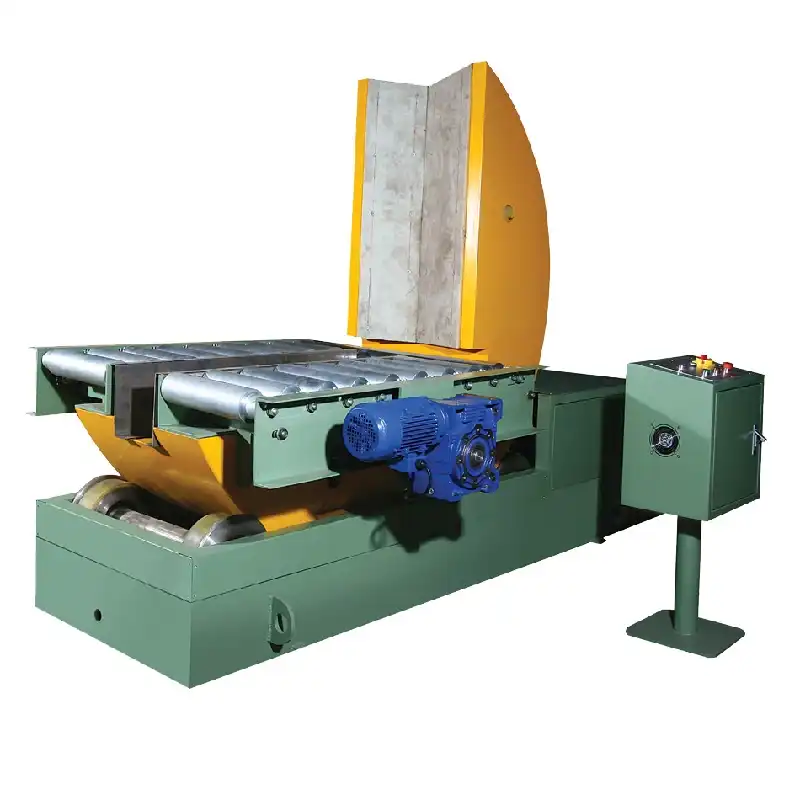
Leveraging Precise Mold Rotation for Optimal Performance and Safety
The specific act of turning a mold 180 degrees might seem simple, but its impact on mold handling efficiency and safety is profound. Manual methods are often inconsistent and can introduce stresses to the mold or create unsafe conditions. Automated 180-degree turning addresses these issues directly.
Enhanced Precision and Its Ripple Effects
- Consistent Orientation: Automated turners ensure the mold is always flipped to the exact 180-degree orientation. This precision is vital for subsequent operations. If a mold half is being presented for cleaning or repair, accurate positioning makes the task easier and safer for technicians. For automated mold change systems, precise orientation is non-negotiable.
- Reduced Defects: Inconsistent manual flipping can sometimes lead to slight misalignments or stress on mold components (e.g., leader pins, bushings, delicate core details). Over time, this can contribute to wear or damage, ultimately affecting part quality or leading to costly mold repairs. The smooth, controlled motion of an automated turner minimizes these risks, contributing to better part quality and longer mold life.
- Alignment for Maintenance: When molds are opened for maintenance (as described in the 3M case study with the Die-Sep Mold Separator, which also involves precise mold half manipulation), having each half presented in a stable, accessible, and correctly oriented manner is crucial. Automated 180-degree turning for one or both mold halves facilitates easier access for inspection, cleaning, component replacement, or repairs.
Streamlined Workflow and Time Savings
- Reduced Cycle Times: As established, automated turning is significantly faster than manual methods. The material suggests a reduction from ~30 minutes to ~5 minutes. This time saving is critical, especially in high-volume production environments or shops with frequent mold changes or maintenance schedules.
- Improved Scheduling and Throughput: Faster, more predictable mold turning times allow for more accurate production scheduling. Reduced downtime during mold changes or maintenance directly translates to increased machine uptime and higher overall throughput.
- Labor Optimization: Automating the turn frees up skilled labor from a physically demanding and often non-value-adding task (in terms of direct part production). This allows personnel to focus on more complex or critical activities.
Safety and Cost Implications
- Minimized Injury Risk: This is a primary driver. Handling heavy molds manually for a 180-degree turn is inherently hazardous. The provided material from SHJL strongly emphasizes this: “It is very dangerous for mold turning operation by a crane by manually which will caused big accident by small mistake.” An automated flipper removes operators from the immediate danger zone during the movement.
- Lower Operational Costs: The benefits compound to reduce overall costs:
- Reduced labor costs per flip.
- Lower costs associated with workplace injuries (medical, insurance, lost time).
- Reduced costs from mold damage due to mishandling.
- Increased production output due to saved time.












