
Efficiency Redefined | How Pallet Changing Machines Transform Modern Warehousing?
Are you tired of the constant pressure in your warehouse? Do you feel the strain of ever-increasing demands for speed, safety, and cost control? The complex dance of goods moving in and out, the push for faster delivery, and the hidden costs of manual handling can feel overwhelming. Delays, accidents, penalties, and even lost customers are real threats if your pallet management system is not up to par. I know this struggle well; I saw it firsthand in my early days as a packing machine engineer.
Pallet changing machines redefine warehousing efficiency by automating the process of transferring goods from one pallet type to another. They enhance safety, reduce labor costs, improve speed, and ensure compliance, directly transforming operations by eliminating manual handling risks and bottlenecks.

As a packing machine engineer, and someone who started FHOPEPACK, I understand the core issues facing today’s logistics and warehousing professionals. You need solutions that work, not just promises. Let us dive deeper into how these smart machines work and why they are quickly becoming an indispensable part of any successful modern warehouse operation.
What challenges do warehouses face with traditional pallet handling?
Imagine a bustling distribution center, handling thousands of pallets daily. Now, picture the endless struggle with diverse pallet types – Euro pallets for Europe, US pallets for America, and maybe plastic pallets for hygiene-sensitive goods. This complex mix, combined with a persistent labor shortage and the high risks of manual handling, creates a perfect storm of inefficiency and danger. It is a problem I have seen many times in my career, affecting businesses big and small.
Warehouses with traditional pallet handling methods face significant challenges including diverse pallet specifications, high labor costs due to manual processes, increased safety risks for workers, and slow throughput rates, all of which hinder operational efficiency and impact profitability.

When I started my journey in the packing machine industry, I quickly learned that traditional pallet handling was a major bottleneck for many companies. For example, my client Carlos, a seasoned logistics manager in Spain, deals with this daily. He told me about the constant need to switch pallets for export, going from Euro to US standard. This is not just a minor inconvenience; it is a critical pain point that leads to huge operational challenges. Manual pallet changes are slow and prone to errors. Workers have to manually lift, tilt, or transfer heavy loads, which is exhausting and takes a lot of time. This method significantly impacts the overall speed of goods moving in and out of the warehouse.
Beyond speed, safety is a massive concern. Manual handling of heavy goods, especially during pallet changes, carries a high risk of injury. Workers can suffer muscle strains, sprains, and even more severe accidents if goods tip over. Carlos shared stories of accidents that caused lost workdays and increased insurance costs. He also faces a labor shortage. Younger workers are less willing to do strenuous, repetitive lifting and moving tasks. This means that finding and keeping skilled warehouse staff becomes harder. High staff turnover also adds to training costs. Moreover, errors during manual transfers can damage products. This leads to costly returns and impacts customer satisfaction. Retail and e-commerce customers expect fast delivery. Slow pallet changes directly affect delivery times, leading to potential contract penalties and unhappy clients. These issues combined highlight why a change from traditional methods is so vital for modern logistics operations. (traditional warehousing challenges, manual handling risks, labor shortage impact)
How do pallet changing machines actually work?
You have seen the problems. Now, let us talk about the solution. How exactly do these pallet changing machines bring about such a remarkable transformation? Many people imagine complex robots, but the core principle is simple: safely and efficiently moving products from one pallet to another without manual intervention. Understanding their mechanics is the first step toward appreciating their impact.
Pallet changing machines work by using robust hydraulic or mechanical systems that safely clamp, lift, tilt, or rotate goods, allowing operators to effortlessly swap the original pallet for a new one, thus automating the pallet transfer process.
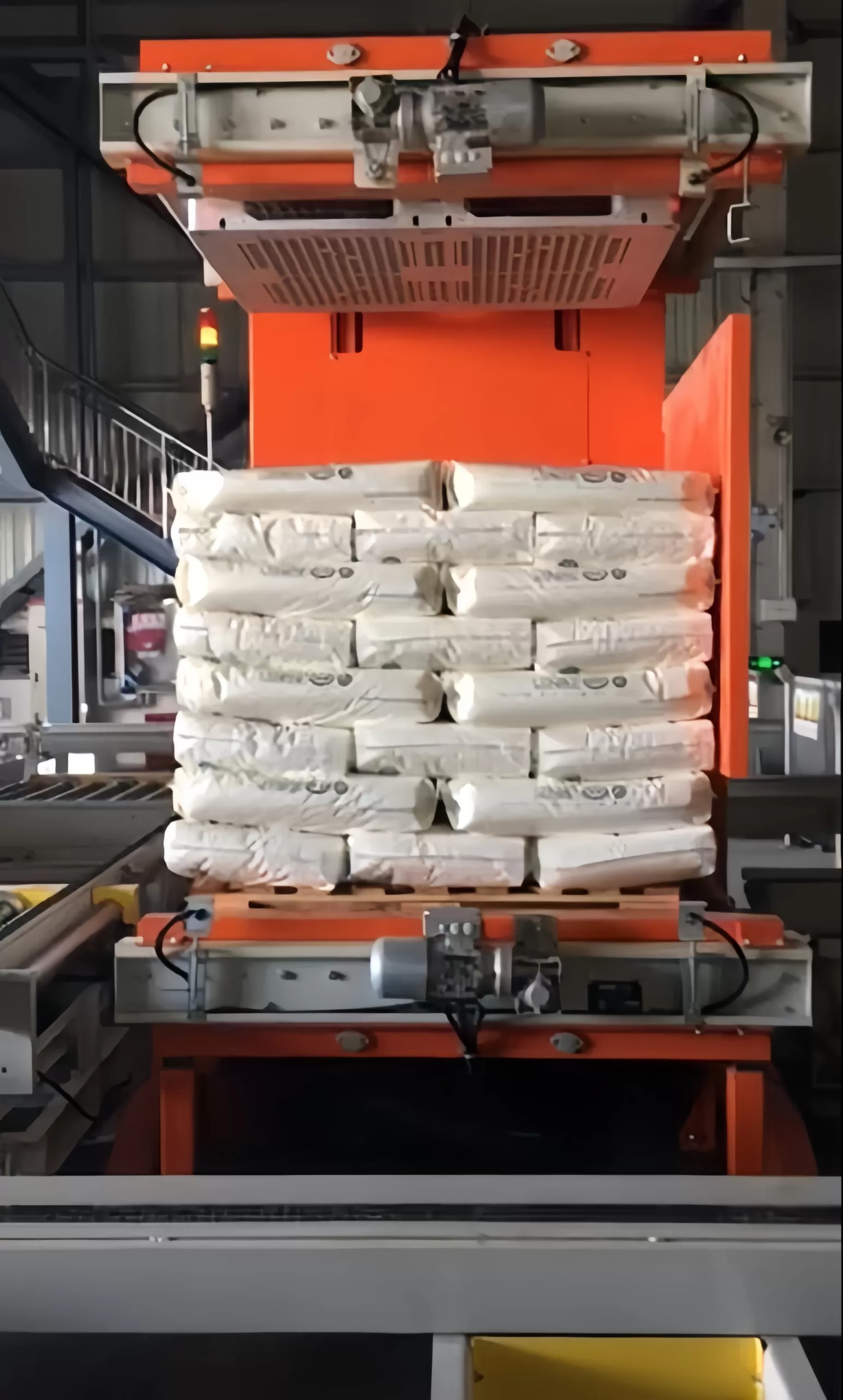
At FHOPEPACK, we focus on engineering solutions that solve real-world problems. Pallet changing machines are a great example of this. They come in various designs, each suited for different tasks, but they all share the goal of making pallet transfer safer and faster.
-
Top-Press Pallet Changers: These machines use a top clamp that presses down on the load to secure it. Then, the original pallet slides out from underneath, and a new one slides in. This design is great for stable loads like boxes or sacks. It is simple and effective.
-
Side-Clamp Pallet Changers: These units use clamps on the sides of the load to hold it firmly. This is especially useful for unstable items or when you need to transfer goods without a top surface. Once the load is secure, the pallet can be exchanged.
-
90-Degree Tilt Pallet Changers: Some machines can tilt the entire load by 90 degrees. This allows access to the bottom pallet for easy swapping. This method works well for certain types of products that can withstand a temporary tilt.
-
180-Degree Pallet Inverters: These are perhaps the most versatile. A pallet inverter completely rotates the load by 180 degrees. This allows for total access to both the top and bottom of the load, making it easy to remove a damaged pallet, switch to a different type, or even invert the product itself. I have seen these machines solve complex challenges in factories where product orientation matters.
All these systems rely on strong hydraulics and precise controls. An operator places the loaded pallet into the machine. The machine then grips the product securely. Next, it performs the specific action (clamping, tilting, or rotating) to allow the pallet to be exchanged. Finally, the new pallet is in place, and the machine releases the product. This whole process takes only minutes, not the prolonged manual effort that used to be required. This automation makes a huge difference in daily operations. (pallet changer mechanisms, types of pallet exchange systems, automated pallet transfer technology)
How do pallet changers boost warehouse safety and efficiency?
The true value of pallet changing machines goes beyond just moving things. It lies in how they transform the work environment. Think about worker safety first. Manual handling tasks are a leading cause of injuries in warehouses. Then, consider the speed. Every second saved in pallet exchange translates to faster deliveries and happier customers. These machines are not just about automation; they are about creating a safer, more productive workplace.
Pallet changers boost warehouse safety by eliminating hazardous manual lifting and handling, which reduces worker injuries. They also significantly increase efficiency by accelerating the pallet exchange process and improving overall throughput.
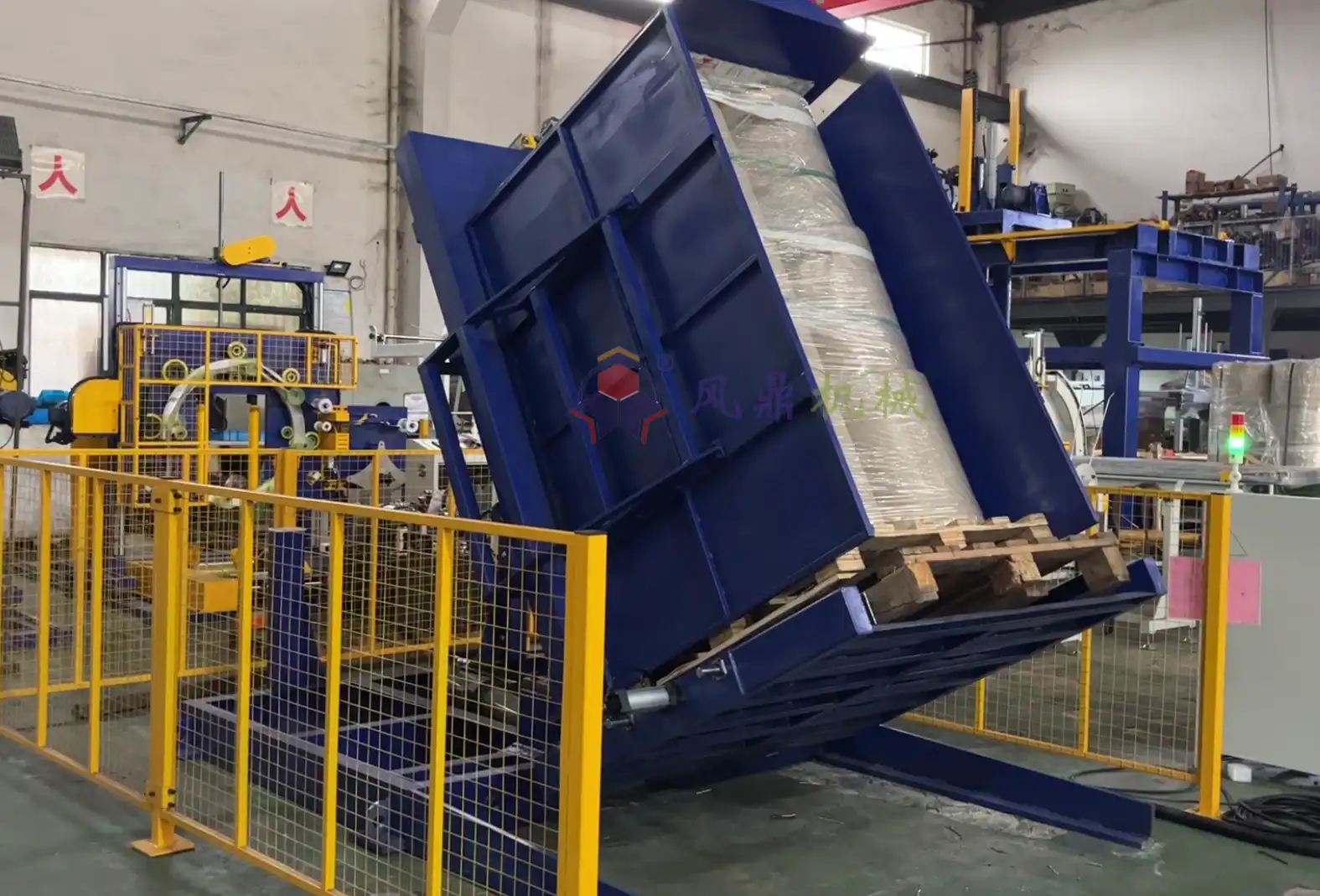
For many years, I watched workers struggle with heavy loads. It often led to back injuries, crushed fingers, and sometimes even worse accidents. This is why I am such a strong advocate for these machines. Pallet changers take the human element out of the most dangerous parts of pallet handling.
-
Reduced Worker Injuries: With a machine doing the heavy lifting, clamping, and rotating, workers no longer have to manually handle heavy or awkward loads. This drastically lowers the risk of:
- Musculoskeletal injuries (back pain, strains, sprains).
- Accidents from dropping loads.
- Injuries from falling pallets or unstable stacks. Carlos mentioned how human error during manual flips led to accidents. Automated systems prevent this, creating a much safer work environment. This also means lower workers’ compensation claims and reduced insurance costs for the company.
-
Increased Throughput and Speed: Manual pallet changes are slow. They create bottlenecks in the flow of goods. Pallet changers can complete a full transfer in just a few minutes, sometimes even seconds, depending on the machine type and the load. This means:
- Faster loading and unloading times.
- Quicker turnaround for trucks.
- Improved overall warehouse efficiency. When a warehouse like Carlos’s needs to handle thousands of pallets daily, cutting even a few minutes per pallet adds up to hours of saved time each day. This speed helps meet the tight delivery schedules demanded by today’s e-commerce and retail customers.
-
Minimized Product Damage: When goods are manually transferred, there is always a risk of dropping or mishandling, leading to product damage. Pallet changers secure the load firmly before any movement. This precise control reduces the chances of products being damaged during the transfer process. This also means fewer returns and less waste, protecting the bottom line. (warehouse safety benefits, efficiency improvements, automated pallet handling)
What are the cost benefits of automating pallet changes?
In today’s competitive market, every business looks for ways to cut costs and improve their bottom line. For warehouses, this is no different. You might see the initial investment in a pallet changing machine and wonder if it is truly worth it. From my experience helping many clients grow their businesses, I can tell you that the financial returns from automating pallet changes are substantial, often far outweighing the initial cost.
Automating pallet changes delivers significant cost benefits by reducing reliance on manual labor, minimizing costly workplace injuries and product damage, avoiding contractual penalties from delays, and optimizing overall operational expenses, leading to a strong return on investment.

When I talk to clients like Carlos, their primary concern is often the bottom line. He needs to justify every investment. Here are some of the key financial benefits that pallet changing machines bring:
-
Reduced Labor Costs: This is often the most direct and impactful saving. Manual pallet changing requires multiple workers, especially for heavy or unstable loads. With a pallet changer, fewer people are needed for the same task. This frees up staff to perform other value-added activities in the warehouse. In areas with high labor costs or shortages, like Spain, this saving can be huge. Carlos mentioned that labor costs are rising, so reducing the need for high-intensity manual labor directly addresses this.
-
Lower Insurance Premiums and Compensation Claims: As discussed, pallet changers dramatically reduce the risk of workplace injuries. Fewer injuries mean fewer workers’ compensation claims, which directly translates to lower insurance premiums for the company. This is a continuous saving that adds up over time. It also avoids the indirect costs associated with injuries, such as lost productivity, legal fees, and administrative burdens.
-
Minimized Product Damage and Waste: Automated handling is gentler and more consistent than manual handling. This leads to less product damage during the pallet transfer process. Reducing damaged goods means fewer write-offs, fewer returns, and a better reputation with customers. This helps protect profits and ensures product integrity.
-
Avoidance of Penalties and Fines: Many supply chain contracts include strict delivery windows and compliance requirements. Delays caused by slow manual pallet changes can result in significant financial penalties. By speeding up the process, pallet changers help warehouses meet these deadlines, avoiding costly fines and maintaining good client relationships. Carlos’s group cannot afford contract penalties.
-
Optimized Space and Flow: By making pallet transfer faster and more efficient, warehouses can often optimize their layout and storage density. A smoother flow of goods also reduces congestion. This indirectly contributes to cost savings by making the entire operation more streamlined and less prone to costly errors. The long-term ROI is clear when you consider all these factors together. (cost savings automation, operational expense reduction, ROI warehousing equipment)
How can you choose the right pallet changer for your operations?
Now that you understand the immense benefits, the next logical step is to consider how to pick the right machine for your specific needs. It is not just about buying a piece of equipment; it is about investing in a solution that fits your unique operational challenges. My goal at FHOPEPACK is not just to sell machines, but to be a partner who understands your pain points and provides the best fit.
Choosing the right pallet changer involves a careful assessment of your pallet types, load characteristics, required throughput, available space, and crucially, the reliability of the supplier and their after-sales support.
Selecting the ideal pallet changing machine is a strategic decision. As someone who has built factories and helped many clients, I know this is where experience truly matters. Here are the key factors I always discuss with my clients:
-
Analyze Your Pallet Types and Specifications: This is perhaps the most important starting point. Do you primarily use Euro pallets, US pallets, or a mix? Are they wood, plastic, or metal? Do you need to switch between these types frequently? Carlos, for example, needs a machine that can handle both Euro and US standard pallets for his export business. The machine must be adaptable.
-
Evaluate Load Characteristics:
- Weight: How heavy are your average and maximum loads? Different machines have different weight capacities.
- Stability: Are your loads stable (e.g., solid blocks of products) or unstable (e.g., loose bags, fragile items)? This affects the clamping mechanism required. For fragile goods, a gentle yet firm grip is crucial.
- Dimensions: What are the height, width, and depth of your typical loaded pallets? The machine needs to accommodate these sizes.
-
Determine Throughput Requirements: How many pallets do you need to process per hour or per day? This will help decide if you need a semi-automatic model, where an operator is more involved, or a fully automatic, inline system that integrates directly into your conveyor line for high-volume operations. For high-volume centers like Carlos’s, an automatic system is often a better long-term investment.
-
Consider Your Operational Space: How much floor space do you have available? Pallet changers come in various footprints. Some are mobile, while others are fixed installations. Always measure your available space carefully to ensure the machine fits and allows for safe operation and maintenance.
-
Prioritize Supplier Reliability and Support: This is where FHOPEPACK excels. It is not enough to just buy a machine; you need a partner. What kind of warranty do they offer? What about spare parts availability? How quickly can they provide technical support or maintenance? My journey from a factory employee to founding FHOPEPACK taught me the importance of being a reliable partner. We offer solutions designed for long-term, high-intensity use. We understand your operational pain points and aim to provide flexible solutions. Of course, companies like SHJLPACK also offer good options, but FHOPEPACK focuses on delivering tailored solutions and strong after-sales support based on my direct factory experience. (pallet changer selection guide, choosing pallet handling equipment, reliable packing machine suppliers)
Conclusion
Pallet changing machines truly redefine modern warehousing by boosting safety, slashing costs, and enhancing efficiency. They are essential for navigating today’s complex logistics demands. Investing in the right pallet inverter or changer is a strategic move that pays off, ensuring compliance and customer satisfaction for years to come.








