
How Can a Door Packing Machine Help Greece Manufacturers with Safeguarding Decorative Doors During Coastal Shipping?
Coastal beauty often hides harsh realities, especially for goods traveling by sea. Imagine producing stunning decorative doors, only for them to arrive at their destination marred by scratches, moisture damage, or warped edges. This problem costs Greek manufacturers not just money, but also reputation. It is a frustrating cycle of production excellence followed by shipping disappointments.
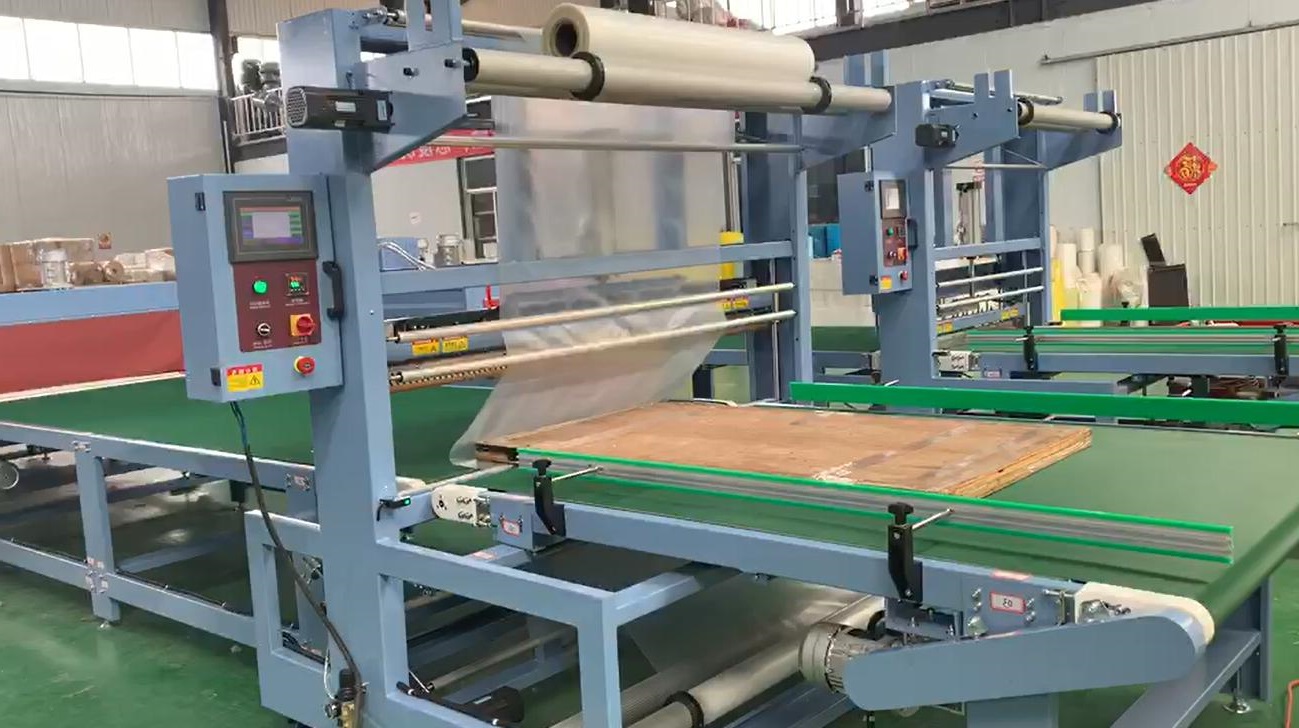
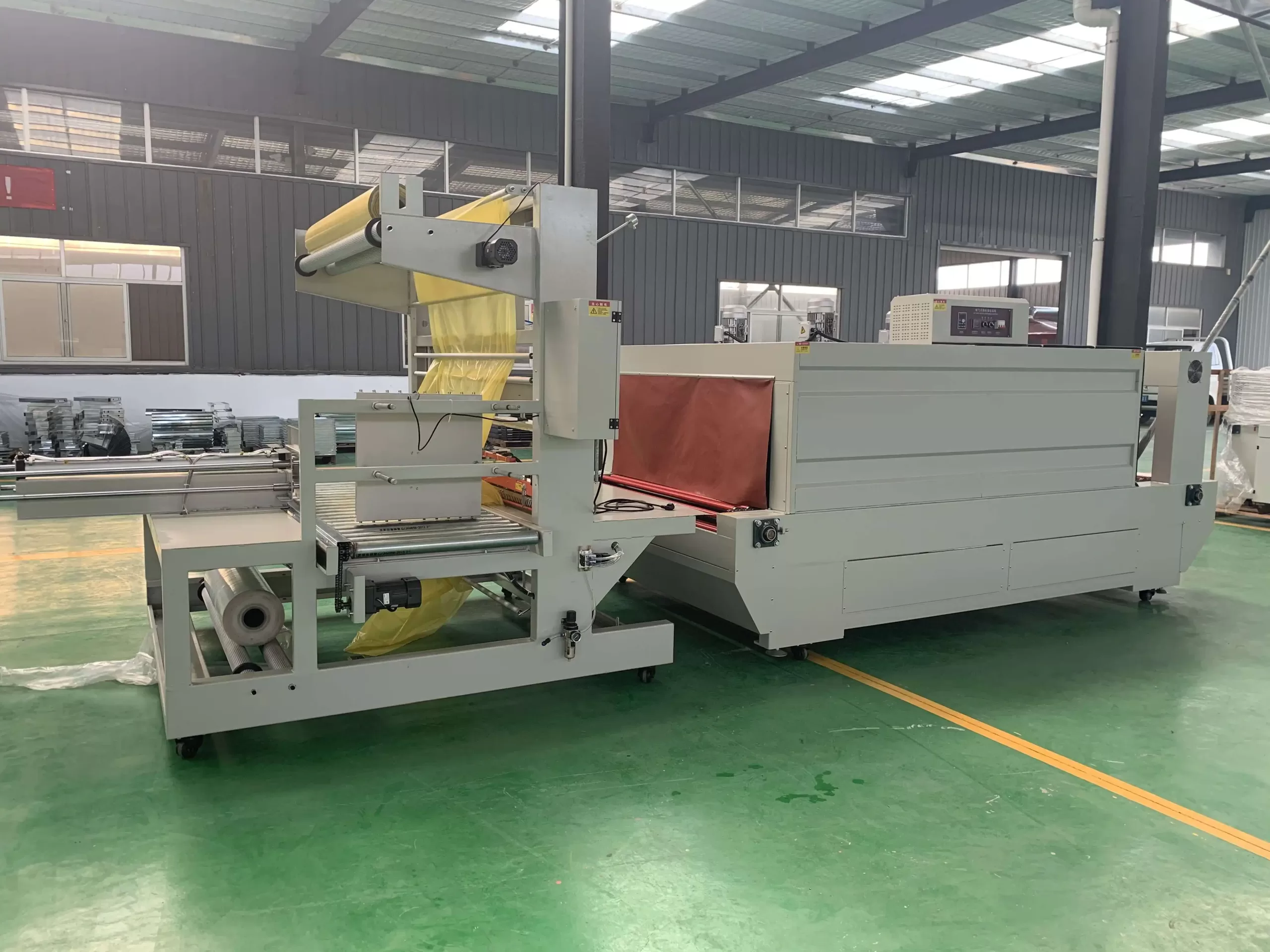
A door packing machine directly addresses these issues by creating a robust, protective barrier around each door. This advanced equipment uses durable wrapping materials and precise tension to shield decorative doors from the common hazards of coastal shipping, like humidity, salt spray, and physical impacts, ensuring they arrive in pristine condition.
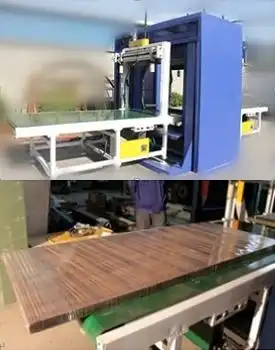
Understanding the challenges is the first step towards finding a real solution. Let us look closer at how modern packing technology can change the game for Greek door manufacturers.
How Does Coastal Shipping Affect Door Quality in Greece?
Greece has thousands of beautiful islands. This means shipping goods often involves sea travel. But the sea environment is harsh. It brings humidity, salt, and constant movement. These factors can severely damage doors during transport. Manufacturers face problems like warped wood, rusted metal parts, and scratched surfaces.
Coastal shipping exposes doors to high humidity, salt spray, and constant vibrations. This can lead to various forms of damage if doors are not packed properly. The journey across the water is not gentle, and common packing methods often fail to offer enough protection.
Let me tell you about a time I visited a client’s factory near the coast. They made high-end wooden panels. They were proud of their craftsmanship. But they showed me photos of damaged shipments. The panels arrived discolored, swollen, and sometimes completely warped. This happened because of the humidity and salt during sea transit. Their old packing method, mainly simple cardboard and plastic wrap, was not enough. The sea environment is unique. It needs specific solutions. We talked about how moisture gets in, how salt corrodes, and how constant movement causes scuffs. This is why standard packing often fails. My years in the packing machine industry taught me that understanding the environment is key.
Humidity and Salt Corrosion
The air near the sea holds a lot of moisture. This moisture can seep into wood, causing it to swell or warp. For metal door components, salt in the air is a big problem. It speeds up corrosion. This makes hinges rust or screws weaken. This kind of damage is not always visible at first. It can show up later and cause problems for the customer. Traditional packing materials like thin plastic film or basic cardboard do not provide a strong enough barrier. They cannot stop the fine salt particles or the high humidity from reaching the door surface. This leads to long-term damage that lowers the door’s quality and lifespan.
Impact and Abrasion Risks
Doors face constant movement during sea transit. They can shift inside containers or on pallets. This movement causes them to rub against each other or against the container walls. This leads to scratches, scuffs, and chipped edges. Decorative doors, especially, have delicate surfaces. They show damage easily. Manual handling at ports also adds to this risk. Workers lift and move heavy doors. Accidents can happen. Corners can get bumped. Drops can occur. This increases the chance of damage before the door even leaves the port. The constant vibration from the ship’s engine also contributes to internal friction.
Logistical Challenges in Island Transport
Shipping to Greece’s many islands adds another layer of complexity. Goods often move from large ports to smaller ferries. This means more loading and unloading. Each transfer increases the risk of damage. Smaller ports might not have the best handling equipment. This makes manual handling more common. It puts doors at greater risk. The journey itself can be longer and rougher for island deliveries. This extends the time doors are exposed to harsh conditions. The need for robust packing becomes even more critical in these multi-leg journeys.
Here is a simple comparison:
| Feature | Traditional Packing (Cardboard/Plastic Film) | Automated Door Packing Machine (FHOPEPACK) |
|---|---|---|
| Moisture Protection | Limited; permeable | Excellent; multi-layered, waterproof films |
| Salt Resistance | Low; allows penetration | High; acts as a strong barrier |
| Impact Protection | Moderate; relies on padding | High; tight wrap, edge protection, custom fit |
| Abrasion Resistance | Low; easily scuffed | High; durable film prevents rubbing |
| Handling Risk | High; loose items, less stable | Low; secure, compact, easy to handle |
Can a Door Packing Machine Truly Protect Decorative Doors?
Decorative doors are often seen as pieces of art. Their beauty lies in their fine details and perfect surfaces. Protecting them during transit is not just about avoiding damage. It is about preserving their value and the manufacturer’s reputation. Damaged decorative doors lead to unhappy customers and costly returns. It creates a big problem for businesses.
Yes, a door packing machine provides multi-layered protection. It uses custom-fit solutions and weather-resistant wraps. This ensures decorative doors arrive in perfect condition. These machines are designed to meet the specific needs of sensitive, high-value products. They go far beyond basic wrapping.
I remember one specific client who made high-end glass panel doors. They were having huge problems with scratches on the glass and dings on the wooden frames. Their old method involved a lot of bubble wrap and tape. It was slow. It did not work well enough. When I visited their factory, I saw how much care they put into making each door. But then, their packing process seemed like an afterthought. It was clear they needed a system that matched their product quality. We talked about how a machine could apply film evenly and securely. We discussed how it could add extra protection to vulnerable areas. This is why I believe so much in these machines. They truly make a difference. They turn packing into an asset, not a liability.
Multi-Layered Protection
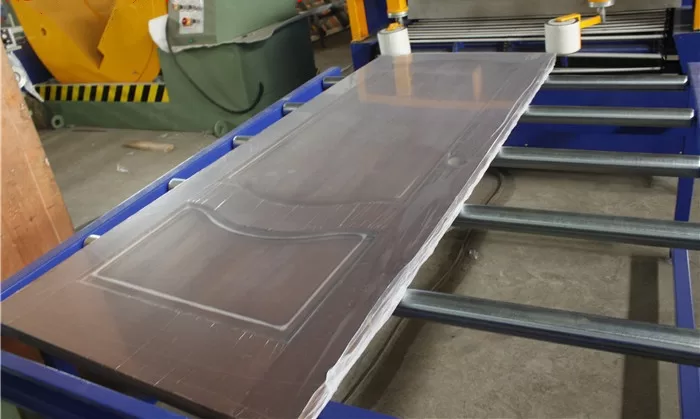
A door packing machine uses strong wrapping films. These films are often stretchable and puncture-resistant. They create a tight, consistent layer around the door. Some machines can apply multiple layers. This adds more strength. This multi-layered approach acts like armor. It protects against sharp objects, impacts, and moisture. The film clings tightly. This stops dust and dirt from getting in. It also keeps internal packing materials like foam or cardboard in place. This prevents them from shifting and causing internal abrasion.
Custom Fit and Secure Wrapping
One key benefit is the ability to custom fit the wrap. Door packing machines can adjust to different door sizes. This means each door gets a snug, secure wrap. There are no loose areas for damage to occur. The machine applies constant tension. This holds the door firmly. It stops any movement during transit. Many machines also add specific corner and edge protection. These are areas most likely to suffer damage. The machine applies reinforced materials to these spots. This gives an extra layer of defense against bumps and drops. This customized fit ensures maximum protection for every unique door.
Weather Resistance and Durability
The films used by these machines are designed for tough conditions. They are often waterproof and UV-resistant. This protects the doors from rain, humidity, and sun exposure during storage or transit. This is especially important for coastal shipping. The film creates a sealed barrier. This stops salt spray and moisture from reaching the door’s surface. It keeps the door dry. It prevents warping and corrosion. The durability of the wrap means it can withstand the rigors of handling. It can survive stacking, forklifts, and transportation. This ensures the door remains secure until it reaches its final destination.
Here is how a machine protects:
| Protection Aspect | Machine Capability | Result for Doors |
|---|---|---|
| Moisture Barrier | Waterproof, multi-layer film | No warping, no mold, no water damage |
| Physical Impact | Tight, strong film; reinforced corners | Fewer scratches, dents, chips |
| Abrasion | Smooth, consistent wrap; reduced movement | Pristine surfaces, no scuffs |
| UV Resistance | UV-stabilized film | No fading, maintains original color |
| Secure Handling | Compact, stable package; reduced shifting | Easier, safer transport; less manual risk |
What Are the ROI Benefits for Greek Manufacturers Investing in Automation?
Investing in new machinery is a big decision for any manufacturer. They need to know if the money spent will come back. For many Greek door makers, current packing methods rely heavily on human labor. This is slow and expensive. It also leads to more product damage. These problems eat into profits and make businesses less competitive.
Automated door packing reduces labor costs significantly. It also minimizes product damage and speeds up production. This offers a clear, strong return on investment for Greek manufacturers. The efficiency gains and cost savings make a direct positive impact on the bottom line.
I have seen countless factories struggle with the high cost of manual labor. When I started my own packing machine factory, one of my main goals was to help businesses achieve financial independence. I did this by showing them how smart automation could transform their operations. I remember one client who made steel coils. Their packing line was full of workers doing repetitive, heavy tasks. This led to high wages, frequent injuries, and slow output. When we helped them automate, their labor costs dropped dramatically. Their production speed doubled. Their product damage almost disappeared. This gave them a huge advantage in the market. The same principles apply to door manufacturing. It is about understanding the real costs of doing things the old way.
Reducing Labor Dependency
Manual packing requires many workers. They spend hours wrapping and preparing doors. This drives up labor costs. It also makes production slower. A door packing machine can do the work of several people. It does it much faster and more consistently. This means manufacturers need fewer workers for packing. They can reassign existing staff to other parts of the factory. Or they can reduce their total workforce. This directly cuts down on wage expenses. It also reduces costs related to worker benefits, training, and potential injuries from heavy lifting. The machine does not get tired. It does not make human errors.
Minimizing Product Damage and Returns
Damaged products are a direct financial loss. They lead to customer complaints. They result in costly returns. Sometimes, manufacturers have to replace damaged doors for free. This hurts profits and reputation. Automated packing reduces damage rates dramatically. It provides consistent, high-quality protection. This means more doors arrive in perfect condition. Fewer returns mean less money spent on shipping replacements. It means less time spent on customer service issues. It also builds customer trust. Customers are more likely to buy again if products always arrive safely. This leads to more sales in the long run.
Accelerating Production Throughput
Manual packing is a bottleneck. It slows down the entire production line. If doors are produced faster than they can be packed, finished products pile up. This wastes space. It delays shipments. A door packing machine operates at high speeds. It can keep up with modern manufacturing lines. This smooths out the production flow. It ensures doors are packed and ready for shipping quickly. Faster throughput means manufacturers can process more orders. This increases their overall production capacity. It allows them to take on more business. This boosts sales and market share.
Here is an example of potential ROI:
| ROI Factor | Manual Packing | Automated Packing Machine | Savings/Benefit |
|---|---|---|---|
| Labor Cost/Door | High (e.g., $5/door) | Low (e.g., $1/door) | $4/door reduction |
| Damage Rate | 5% of shipments | 0.5% of shipments | 4.5% fewer damaged items |
| Packing Speed | 10 doors/hour | 40 doors/hour | 300% faster |
| Material Usage | Inconsistent; often wasteful | Optimized; precise cuts; less waste | Reduced material cost |
| Customer Returns | Frequent; impacts reputation | Rare; high customer satisfaction | Improved brand image, more sales |
My Insights: How Can Choosing the Right Partner Make a Difference?
Buying a machine is just the start. Many manufacturers, like Michael Chen in Mexico, have faced problems with suppliers who only care about selling. They do not offer good after-sales service. This leads to frustration. It leads to wasted money. It means ongoing issues with the equipment.
Based on my journey from a factory employee to building a successful packing machine factory, I know choosing a supplier who truly understands your challenges and offers ongoing support is as crucial as the machine itself. At FHOPEPACK, we focus on being that partner.
My own story began on the factory floor. I was an engineer. I saw firsthand the daily struggles of production. I saw the inefficiency of manual packing. I saw the frustrations with machines that broke down and had no support. This experience pushed me to start FHOPEPACK. I did not just want to sell machines. I wanted to solve real problems for businesses. I wanted to share the knowledge I gained. This is why our mission at FHOPEPACK is about sharing knowledge. It is about helping others succeed. When a client invests in FHOPEPACK, they are not just buying equipment. They are getting a partner who understands their world. We know downtime costs money. We know safety is critical. We know every penny counts. This is the core of how we operate.
Understanding Real-World Factory Challenges
I have spent years inside factories. I have seen the dust, the noise, the pressure. I know what it is like when a machine breaks down during a peak production time. I understand the importance of sturdy, reliable equipment that can handle tough environments. My background means I do not just look at technical specs. I look at how a machine will fit into your actual production line. I think about how it will affect your workers. I think about its long-term performance. This perspective helps us design and recommend solutions that truly work. We do not just sell a machine. We offer a solution that integrates into your operational reality.
The Value of Post-Sales Support
A machine needs support. It needs maintenance. Sometimes, it needs spare parts or troubleshooting. A supplier who disappears after the sale is a liability. This is a common complaint I have heard from many factory managers. At FHOPEPACK, we believe in long-term relationships. We provide clear service contracts. We offer readily available spare parts. Our technical support team is there to help when you need it. This ensures your machine keeps running smoothly. It minimizes costly downtime. It gives you peace of mind. Our support extends to training your staff. This helps them operate and maintain the machine properly from day one.
Custom Solutions for Unique Needs
Every factory is different. Every product has unique requirements. A “one-size-fits-all” approach rarely works for complex industrial packing. We take the time to understand your specific needs. We look at your door sizes. We look at your production volume. We consider your shipping routes. This allows us to offer customized solutions. It might involve modifying a standard machine. It might mean designing a new part. This ensures the packing machine truly solves your specific problems. It means the investment is tailored to give you the best possible return. We act as consultants, not just sellers.
Here is why choosing the right partner matters:
| Aspect | Poor Partner (Sales-Focused) | Right Partner (FHOPEPACK) |
|---|---|---|
| Understanding Needs | Generic recommendations | Deep analysis of your specific challenges |
| Product Reliability | Focus on lowest price, not quality | Focus on durable, long-lasting equipment |
| After-Sales Support | Limited or non-existent | Dedicated team, spare parts, training |
| Problem Solving | Sells a product, leaves you to it | Provides solutions, guides implementation |
| Long-Term Value | Short-term transaction | Long-term relationship, continuous improvement |
Conclusion
Automated door packing machines from FHOPEPACK offer Greek manufacturers a powerful solution to safeguard decorative doors during coastal shipping. They boost efficiency, enhance safety, and drive profitability. Partnering with FHOPEPACK means securing reliable technology and expert support for sustained business growth.








