
Why Are Malaysia Exporters Switching to Automated Door Packing Solutions?
For many years, I have seen factories struggle with their end-of-line packaging. Think about it. You produce high-quality doors, but then the packing process slows everything down. Manual methods are often slow. They can be inconsistent. They also carry high risks. This is a big problem. It eats into your profits. It can damage your reputation with clients. Malaysian exporters, especially, feel this pressure. They need to compete on a global scale. Old ways of packing just do not cut it anymore.
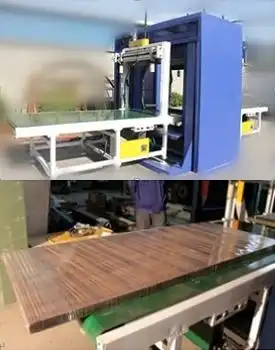
Malaysian exporters are now actively adopting automated door packing solutions. They do this to solve several key issues. These issues include labor shortages, efficiency problems, and product damage. By using machines, they can pack doors much faster and more consistently. This helps them protect their products better during shipping. It also lowers their overall operational costs. This makes them much more competitive in the international market.
You might be wondering, “Is this true for my business?” Or, “How exactly can automation help me?” I have spent decades in this industry. I built a packing machine factory from the ground up. I have seen countless businesses grow by embracing new technologies. Let us dig deeper into the reasons behind this shift. We will look at how automated packing offers real, tangible benefits for businesses like yours.
What Are the Hidden Costs of Manual Door Packing for Exporters?
Imagine a busy factory floor. Workers lift heavy doors. They wrap them by hand. They secure them for transport. This process looks simple on the surface. But it is full of hidden problems. It is slow. It takes many people. It also carries a high risk of injury. These issues quickly add up. They become real costs that hurt your business. For Malaysian door exporters, these hidden costs can severely impact their ability to compete globally.
Manual door packing methods often lead to high operational costs. These costs come from slow processes and the need for many workers. There is also a greater risk of accidents. Workers can get hurt. This means more insurance costs. It means lost work time. Plus, products can get damaged during packing or moving. All of these factors reduce profits. They make it harder for businesses to grow.
The Bottleneck of Human Labor
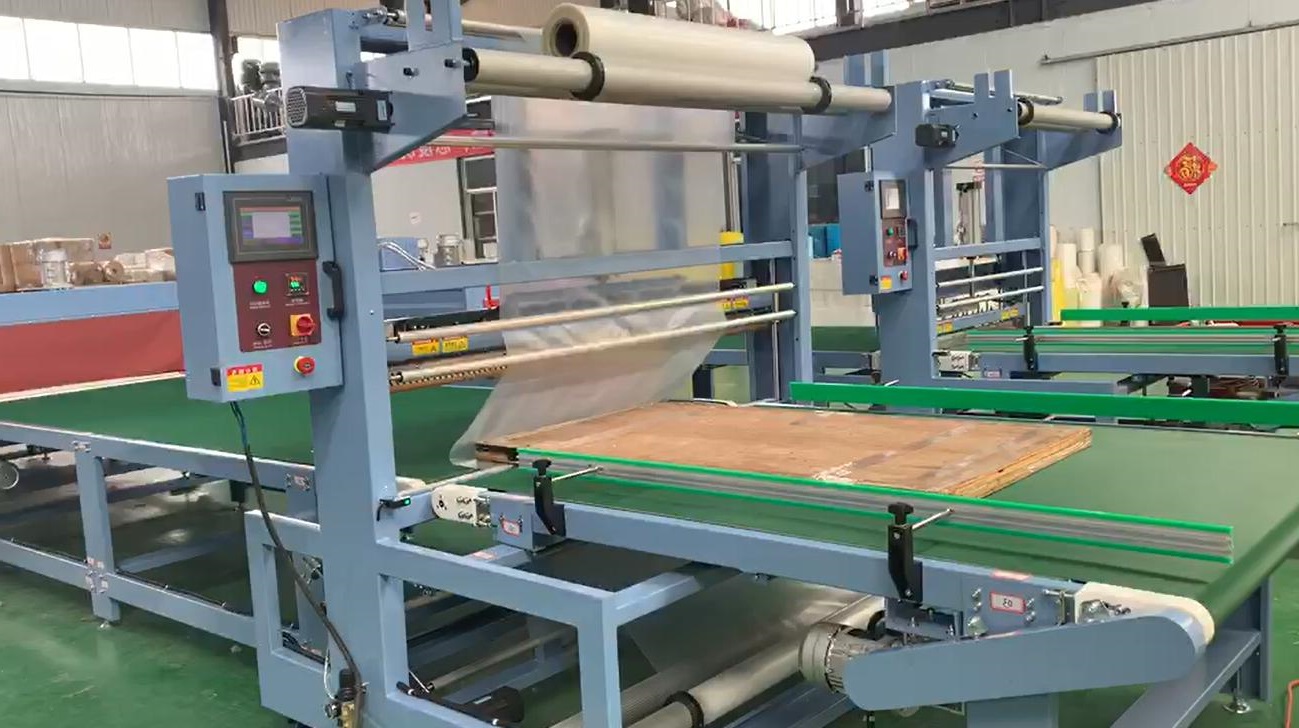
Manual labor for packing large items like doors creates a significant bottleneck. Each door needs careful handling. It needs specific wrapping. This takes time. It depends on how many people you have. It also depends on their skill. If a worker is new, or if they are tired, the quality can drop. The speed can slow down. I remember when I first started my factory. We relied heavily on manual labor for many tasks. We quickly saw that this limited our output. We could only make so many units in a day. We could only pack so much. We constantly worried about meeting deadlines. For Malaysian door exporters, this bottleneck means fewer doors shipped each day. This can lead to missed orders. It can mean unhappy customers. It directly impacts your bottom line.
The Real Price of Workplace Injuries
Manual handling of heavy doors is very risky. Workers can strain their backs. They can drop items on their feet. They can get repetitive motion injuries. These accidents are not just bad for the workers. They are bad for the business. There are direct costs. These include medical bills and workers’ compensation claims. There are also indirect costs. These include lost productivity. They include higher insurance premiums. They include needing to train new staff. I once worked with a client who had a serious injury incident. It shut down part of their line for days. The cost was immense. It was not just financial. It affected staff morale. It created a negative atmosphere. Investing in automation reduces these risks significantly. It protects your workers. It protects your company from these unforeseen expenses.
Protecting Your Product, Protecting Your Profit
Doors are valuable products. They can get scratched or dented easily. This happens during manual handling. It happens during packing. It happens during internal transport. Even small damage can lead to customer complaints. It can lead to returns. This costs money. It also harms your brand’s reputation. Consider the following:
| Aspect | Manual Packing | Automated Packing |
|---|---|---|
| Damage Rate | Higher (due to human error, inconsistent wrapping) | Lower (precise, consistent handling and wrapping) |
| Returns/Complaints | More frequent | Less frequent |
| Reputation Impact | Can suffer from quality issues | Enhanced by consistent, high-quality delivery |
| Rework Costs | Higher (repacking damaged goods) | Lower (fewer damaged goods to begin with) |
Reducing product damage directly improves your profit margins. It makes your customers happier. It builds trust. This is very important for exporters who ship doors over long distances. Every damaged door costs you money. Automated systems make sure each door is packed the same way, every time. This protects your product. It protects your profits.
How Does Automation Truly Boost Door Packing Efficiency?
Are your current door packing methods slowing down your entire production line? Many manufacturers face this problem. They work hard to make quality products. Then, packing becomes the choke point. This can cause delays. It can make you miss deadlines. It can affect your ability to take on more orders. For Malaysian door exporters, this inefficiency is a major barrier to growth.
Automated door packing systems use advanced machines. These machines handle, wrap, and stack doors much faster. They do this more efficiently than human workers can. This significantly cuts down on the time it takes to pack each door. It boosts the overall number of doors you can ship out. This means faster production and delivery for Malaysian exporters.
Speed and Throughput Gains
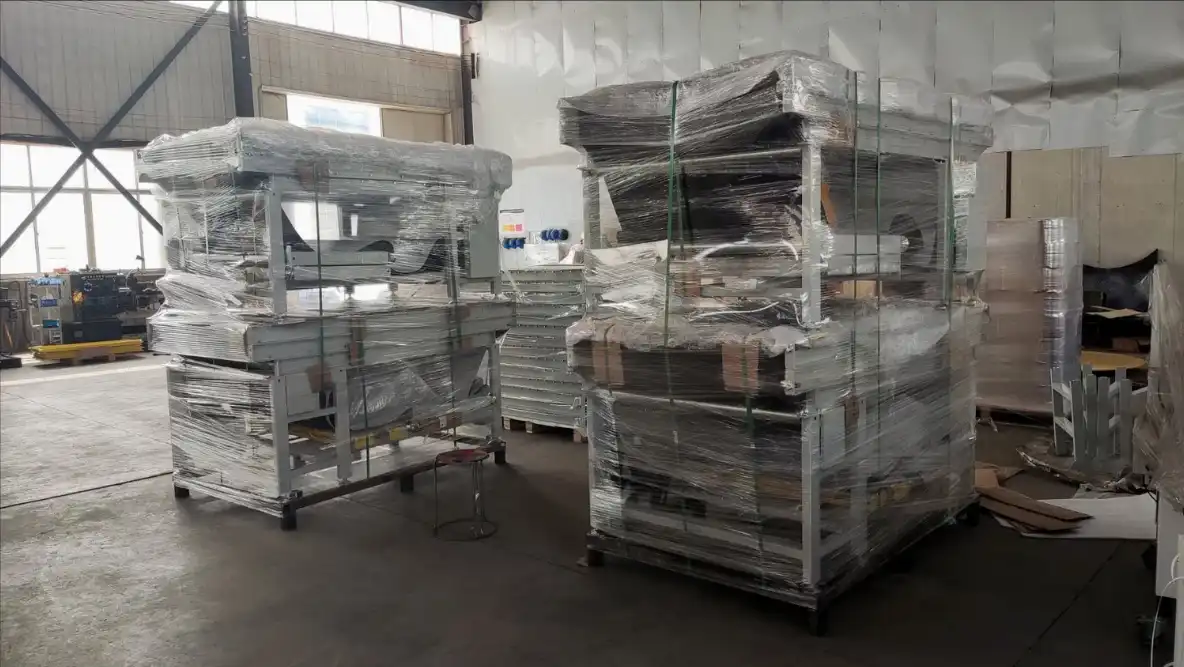
Automated packing machines work at a consistent speed. They do not get tired. They do not need breaks. They can operate 24 hours a day, 7 days a week if needed. This means you can pack many more doors in a shorter time. For example, a manual packing line might pack 10 doors per hour. An automated system could pack 30 or even 60 doors per hour. This massive increase in throughput directly translates to higher production capacity. It allows Malaysian exporters to fulfill larger orders. It helps them meet tighter delivery schedules. This consistency also means you can predict your output much better. This helps with planning and logistics.
Streamlined Workflows
Automated packing machines fit into your existing production line. They do not work in isolation. They connect to the end of your manufacturing process. This creates a smooth flow. Doors move from the production line directly to the packing machine. There is no manual transfer. There is less waiting. This reduces idle time. It reduces the chance of errors. I have seen factories completely transform their flow by adding automated systems. The entire operation becomes more synchronized. This streamlining means less wasted motion. It means less time spent on non-productive tasks. It means your entire factory runs like a well-oiled machine. It moves products to the shipping dock faster.
Optimizing Labor Allocation
Some people worry that automation takes jobs away. My experience shows something different. It changes jobs. When machines handle repetitive, physically demanding tasks, workers can do other things. They can be retrained. They can move to roles that need human judgment. They can do quality control. They can manage the machines. They can focus on problem-solving. This means your skilled workers are used in a smarter way. They are no longer risking injury from heavy lifting. They are contributing more value to the company. For example, instead of five people manually wrapping doors, one person can oversee an automated machine. The other four can work on quality checks, machine maintenance, or even new product development. This is a much better use of human talent. It also makes the workplace safer and more engaging.
Does Automated Door Packing Really Improve Product Safety and Integrity?
When you export doors, protecting them is key. A damaged door arriving at your customer’s site is a big problem. It leads to complaints. It means you might lose money. It can also hurt your reputation. Many manual packing methods are not consistent enough to truly protect products over long journeys. So, how can you be sure your doors arrive in perfect condition?
Automated door packing systems improve product safety significantly. They apply consistent, secure wrapping. This protects doors from scratches, dents, and moisture. This happens during storage and transit. It means fewer damage claims for Malaysian exporters. It also helps them maintain their high quality standards.
Superior Protection Against Damage
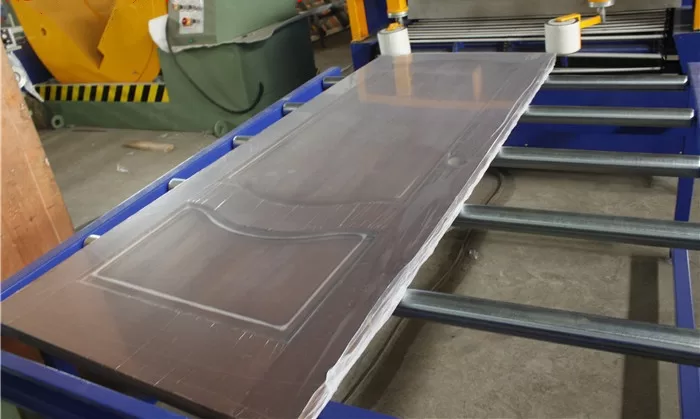
Automated machines apply packaging materials with precision. They use consistent tension. They cover every part of the door equally. This is hard to do with manual methods. Machines can wrap doors in stretch film. They can apply protective edge boards. They can create a tight, secure package. This keeps the doors from shifting during transport. It protects them from impacts. It also keeps out dust and moisture. This is vital for doors that travel across oceans or sit in different climates. The uniform wrapping means every door gets the same level of protection. There are no weak spots. This greatly reduces the chance of damage.
Mitigating Human Error
Human errors happen. We are all prone to them. In packing, this could mean an inconsistent wrap. It could mean dropping a door. It could mean not securing a pallet correctly. These small errors can lead to big problems. Automated systems reduce the need for manual handling. They follow pre-programmed routines. This means less chance of mistakes. Less manual handling also means fewer opportunities for workers to get hurt. I have seen operations where a simple slip of a hand could cost thousands in product damage. Automation removes this variable. It ensures that the packing process is controlled and precise. This directly impacts product integrity and overall safety.
Weathering the Journey
Exported doors often face harsh conditions. They might go through humid environments. They might be stored outdoors briefly. They might be exposed to different temperatures. Automated packing can include features to handle these challenges. For example, some machines can apply UV-resistant film. Others can use waterproof barriers. This helps protect the doors from environmental damage. It keeps them looking new when they arrive. This extra layer of protection is not just about avoiding damage. It is about delivering a consistently high-quality product. This consistency helps build customer trust. It makes your brand stronger. When your customers know they will always receive perfect products, they will keep coming back.
Can Automation Provide a Clear Return on Investment for Door Exporters?
Many businesses hesitate to invest in big machinery. They worry about the upfront cost. They wonder if the money will truly come back to them. This is a fair concern. But what if I told you that automated door packing can actually save you money in the long run? It can make your factory more profitable. For Malaysian door exporters, understanding this return on investment (ROI) is key to making smart business decisions.
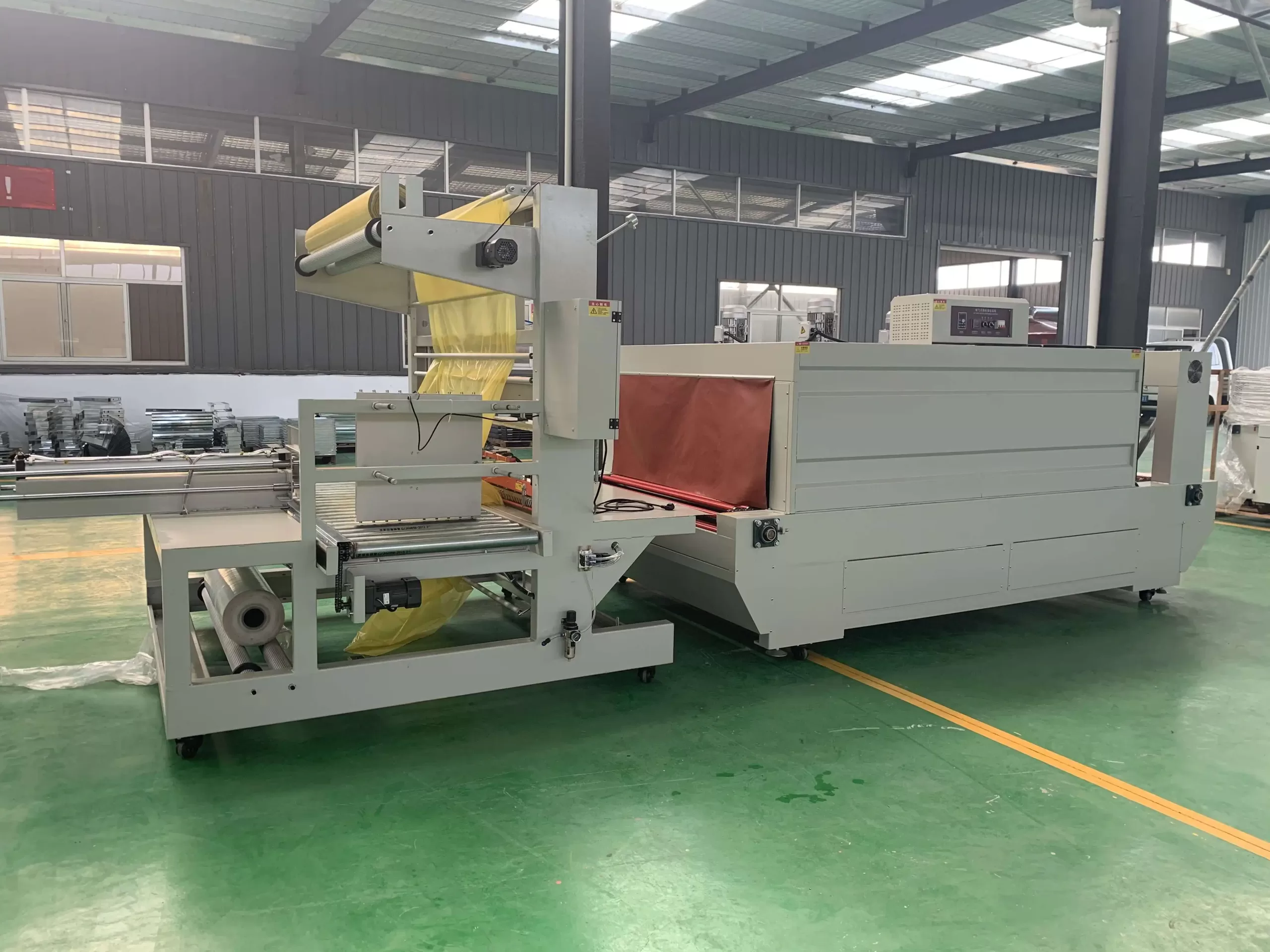
Automated door packing offers a clear ROI. It does this by cutting down on labor costs. It reduces material waste. It minimizes product damage. It also increases your ability to produce more. These factors all lead to significant savings over time. They make your factory more profitable for Malaysian exporters.
Calculating Labor Savings
This is often the most direct way to see ROI. Automated machines can do the work of several people. This means you can reduce your packing team. Or, you can reassign them to other, more skilled tasks. You save on wages. You save on benefits. You save on training costs. This can be a huge saving over a year. Think about a factory like Michael Chen’s. He relies on many people for manual tasks. If even a few of those can be replaced by a machine, the savings add up quickly. These savings are ongoing. They provide a continuous benefit to your bottom line. It allows you to invest in other areas of your business.
Material Optimization and Waste Reduction
Manual packing often uses more material than needed. Workers might use extra film “just in case.” Or, they might make mistakes that lead to wasted material. Automated machines are precise. They use only the amount of film or strapping needed. They apply it consistently. This reduces material waste. It also reduces the cost of buying materials. Less waste means less money spent on disposable items. It also means less money spent on disposing of that waste. For example, if you save 10% on packing film costs each month, this quickly adds up over a year. This is a direct saving that improves your profit margin.
The Value of Enhanced Reputation
Damaged products lead to unhappy customers. They lead to returns. They can lead to lost future orders. When you consistently deliver perfectly packed, undamaged doors, your reputation grows. Customers trust you more. They are more likely to place repeat orders. They might even recommend you to others. This improved reputation is hard to put a number on. But it is very valuable. It helps you attract new clients. It helps you keep existing ones. It contributes to long-term business growth. I have seen clients who were able to expand their market reach just because their products always arrived in perfect condition. This trust is a competitive advantage in the global market.
My Insights on Adopting Packing Automation for Your Business!
You might feel overwhelmed by the idea of bringing in new machinery. It is a big investment. It changes how your factory works. There is a fear of choosing the wrong equipment. There is a concern about whether it will actually solve your problems. These are all valid worries. But I have seen countless factories like yours succeed. They do this by making smart, informed choices.
My experience shows that successful automation is not just about buying a machine. It requires a clear understanding of your current problems. It needs you to focus on finding a reliable partner. It also needs a long-term vision. This is the only way to ensure your investment truly helps your business grow.
Start with a Clear Assessment
Before you buy any machine, know your exact pain points. Where are your biggest bottlenecks? Where are products most often damaged? How much time do your workers spend on packing? Measure these things. Understand your current situation. For example, Michael Chen knows he has efficiency bottlenecks and safety issues. You need to identify your specific challenges. Write them down. Then, think about how a machine could solve those specific problems. This clear assessment helps you choose the right type of automation. It helps you set realistic goals for what the machine should achieve. Without this step, you are just guessing.
Choose the Right Partner, Not Just a Vendor
This is a big one. I have seen many companies buy machines from vendors who only care about the sale. Once the machine is delivered, they disappear. They offer poor after-sales service. They do not understand your unique needs. This can leave you stranded. You need a partner who understands your industry deeply. They should know about door manufacturing and export. They should offer support. They should help you install the machine. They should train your staff. They should be there for maintenance. I built FHOPEPACK on the principle of partnership. I want to share my knowledge. I want to help you succeed. Look for a company that offers more than just a machine. Look for someone who can offer solutions and guidance.
Think Beyond the Machine: The Ecosystem
An automated packing machine is just one part of your factory. It needs to fit with everything else. This means thinking about integration. How will the doors move to and from the machine? How will the machine connect with your existing systems? Training your staff is also vital. They need to know how to operate and maintain the machine safely. Do not forget about maintenance schedules. Machines need care. Regular maintenance keeps them running smoothly. It prevents expensive breakdowns. Also, think about future upgrades. Will the system you choose be able to grow with your business? These considerations are part of building a strong, efficient packing ecosystem.
A Personal Story of Transformation
I remember one client in Vietnam. They exported wooden panels, similar in packing challenges to doors. Their manual packing process was slow. They had high rates of product damage. Their workers were exhausted from wrapping these heavy, bulky items. They came to me feeling stuck. They wanted to grow, but their packing line was a major limitation. We worked together to understand their specific workflow. We looked at where the most damage occurred. We considered their factory layout. Based on that, we suggested a semi-automatic stretch wrapper with specific handling attachments. It was not the most complex machine, but it fit their needs perfectly.
Within six months, their damage rates dropped by 70%. Their packing speed doubled. More importantly, their workers felt safer and happier. They could now focus on quality control and preparing shipments. This client saw a clear return on their investment. They soon expanded their export markets. They gained a reputation for reliable delivery. This kind of transformation is why I do what I do. It shows that the right automation, with the right partner, can truly unlock growth for your business.
Conclusion
Automated door packing is transforming Malaysian exports. It helps reduce costs, boosts efficiency, and ensures product safety. This makes businesses more competitive globally.








