
Decoding the Determinants of Mold Upender Price: An Analytical Report
I. Introduction to Mold Upenders and Their Price Complexity
A. Defining Mold Upenders and Their Critical Role in Modern Manufacturing
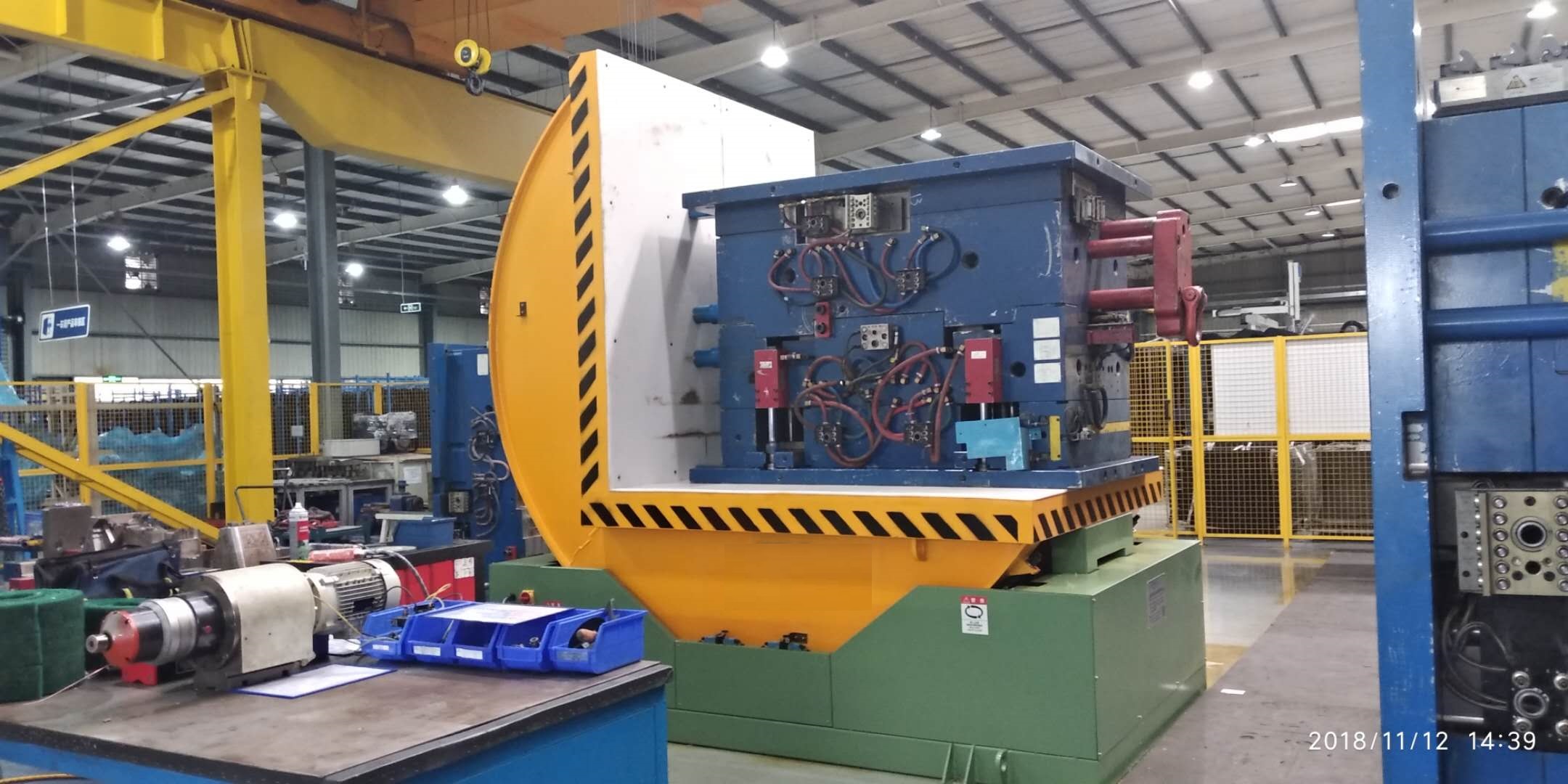
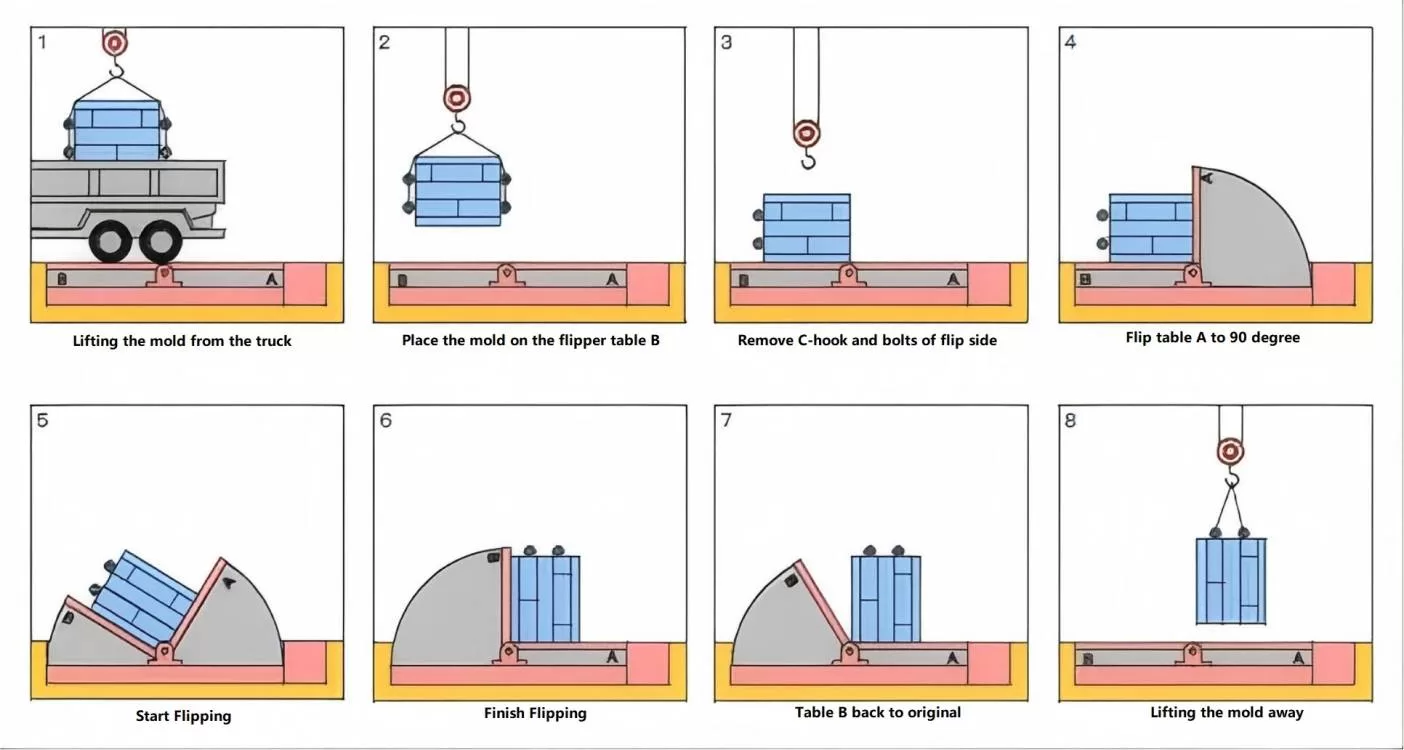
A mold upender, also referred to as a mold tipper, rotator, or flipper, is a specialized piece of industrial machinery engineered for the safe and efficient rotation or tilting of heavy molds, dies, coils, and other large, cumbersome items. Typically, these machines reorient loads by 90 or 180 degrees.1 Their application is crucial in numerous industrial processes, including the servicing of injection molds, assembly and disassembly of mold components, cleaning, inspection, and the repositioning of molds for various manufacturing stages.2
The utility of mold upenders spans a wide array of sectors. They are indispensable in the automotive industry for handling molds used in casting components like dashboards and body panels. The aerospace, plastics and rubber (notably injection molding), die casting, and forging industries also rely heavily on this equipment. Furthermore, mold upenders are vital in coil handling operations for materials such as steel and aluminum, in precast concrete manufacturing, and across general manufacturing environments where the manipulation of heavy molds or dies is a routine requirement.3 For instance, in injection mold servicing, an upender might be used to lay a mold down, allowing an overhead crane to split it vertically for maintenance.1
The core benefits derived from employing mold upenders are significant. Foremost among these is the enhancement of worker safety by mechanizing handling tasks that would otherwise be hazardous if performed manually.4 This automation leads to increased productivity and operational efficiency due to reduced handling times.5 Moreover, the controlled movement provided by upenders helps prevent damage to expensive molds and tooling, while also promoting better ergonomic conditions for operators.3 The implementation of automated mold upenders can lead to substantial cost reductions, potentially up to 30%, achieved through minimized labor requirements, prevention of mold damage, and enhanced safety, thereby directly linking the equipment’s functionality to tangible financial advantages.6 The fundamental value of a mold upender is its capacity to mitigate substantial risks—both in terms of safety and potential mold damage—and to address inefficiencies inherent in the manual handling of these heavy items. This risk mitigation and efficiency improvement translate directly into cost savings, often providing a strong justification for the initial capital outlay. Manual handling is not only slow but also fraught with dangers, including worker injuries (which can lead to compensation claims and operational downtime) and damage to molds (resulting in costly repairs or replacements).3 By automating or mechanizing this critical process, mold upenders reduce direct human involvement in the most perilous aspects of the operation, thereby lowering the likelihood of safety incidents and mold damage. Consequently, the price of an upender should be evaluated against the potential costs incurred from not possessing one—costs associated with accidents, damages, and diminished productivity. This perspective reframes the purchase price not merely as an expense, but as a strategic investment in operational stability, safety, and long-term cost control.
B. Overview of Key Factors Influencing Purchase Price
The purchase price of a mold upender is not a singular, fixed figure; rather, it emerges from a complex interplay of numerous variables. These determinants span from fundamental machine specifications, such as load capacity, physical dimensions, and construction materials, to the level of technological sophistication, including the type of drive system, degree of automation, and the complexity of control systems. Additional factors include specific customization requirements, the array of safety features incorporated, the necessity for ancillary equipment, the scope of supplier services, and prevailing market conditions.7 A comprehensive understanding of these multifaceted determinants is essential for making well-informed investment decisions and for the accurate budgeting of significant capital expenditures. This report aims to systematically decode these influencing factors to provide clarity for prospective buyers and industry stakeholders. The increasing complexity and precision demanded by modern molds, particularly in sectors like automotive and aerospace, underscore the need for more sophisticated and reliable handling solutions such as advanced mold upenders.4 Damage to these high-value, intricate molds can be exceptionally costly, and precise orientation is often critical for effective maintenance and optimal production outcomes.8 Traditional or rudimentary handling methods may no longer suffice, lacking the necessary precision or safety assurances for such advanced tooling. This evolving landscape fuels a demand for specialized mold upenders equipped with features like precise tilt angle control, smooth operational movements, and robust safety interlocks.4 The development and integration of these advanced capabilities naturally contribute to higher upender costs. However, the market demonstrates a willingness to absorb these costs, driven by the substantial value of the molds being handled and the severe financial and operational consequences that can arise from mishandling.
II. Core Machine Specifications as Primary Price Drivers
A. Load Capacity: The Weight Factor in Costing
Load capacity, defined as the maximum weight a mold upender can safely manipulate, stands as a primary determinant of its purchase price. A direct and significant correlation exists: higher load capacities necessitate more robust engineering designs, the use of stronger and more substantial materials, and the incorporation of more powerful drive systems. Each of these requirements inherently increases manufacturing costs, which are subsequently reflected in the final price of the equipment.7 For example, FhopePack explicitly states that upenders with higher capacities demand sturdier structures, directly increasing costs.7
Manufacturers typically categorize mold upenders into tiers based on their load capacity, such as low-capacity (e.g., 5-10 tons), mid-capacity (e.g., 10-20 tons), and high-capacity (e.g., 20-50+ tons). Each of these tiers is associated with a distinct price range.7 Illustratively, a manual upender with a 5-ton capacity might be priced between $3,000 and $8,000, whereas a fully automated model capable of handling 20-50+ tons can command prices exceeding $25,000 to $50,000, and in some cases, significantly more for highly customized units.7 Data from online marketplaces shows 5-ton capacity upenders from Chinese manufacturers like Sapphire Packaging priced in the $4,500-$7,500 range.9
The engineering adjustments required for heavier loads are considerable. Increased capacity mandates the use of larger and thicker steel components, reinforced structural frames, more substantial bearings, and often more complex structural engineering analyses to ensure unwavering stability and safety throughout the operational cycle.10 Bushman Equipment, for instance, details standard features such as “Robust reinforced welded steel construction” and “Full steel bottom plate,” components that naturally become more substantial and, therefore, more costly as the designed load capacity escalates.10
B. Physical Dimensions and Platform Design: Accommodating the Mold
The physical dimensions of the molds intended for handling—specifically their length, width, and height—directly dictate the requisite size of the upender’s platforms or cradle structure.9 Larger platforms inherently require a greater volume of materials for their construction and involve more complex fabrication processes, both of which contribute to an increased overall cost.11 Online listings, for example, frequently showcase upenders that are “customized” to specific dimensions, implying that platform size is a key variable specification influencing both the design and the final price.
Furthermore, the complexity of the molds themselves plays a role. Molds that are highly intricate, possess unusual geometries, or are asymmetrical may necessitate specialized platform designs. This could include custom fixtures, advanced clamping mechanisms, or unique support structures to ensure the mold is handled securely and without risk of damage during the tilting or rotation process. The engineering and manufacturing of such bespoke platform solutions add a premium to the upender’s cost.12 While discussions on mold manufacturing highlight how part size and complexity (such as undercuts or intricate features) drive up the cost of the mold itself, this complexity can translate to the upender requiring custom adaptations to handle such molds securely.11 “Custom Platforms, Clamping, and Fixturing” are explicitly noted as key customization parameters for mold flippers, underscoring their importance and cost impact.13
Beyond mere accommodation of size and shape, platform design also takes into account accessibility for loading and unloading operations, as well as for routine maintenance of the upender. Features that facilitate easier access or streamline these processes might involve more intricate mechanical designs or additional components, thereby influencing the cost structure.
C. Construction Materials and Build Quality: Impact of Steel Grade and Durability
Heavy-duty steel is the predominant construction material for mold upenders, selected for its inherent strength, rigidity, and durability, which are essential for handling substantial loads safely.10 The specific grade and thickness of the steel employed in the frame, platforms, and critical structural components directly influence material costs, which form a significant portion of the total manufacturing expense.14 The broader economic landscape, including steel prices and tariffs, can therefore have a considerable impact on the base cost of these machines.14 Higher quality or specialized steel alloys, such as those offering enhanced tensile strength or specific properties for demanding applications, will naturally command a higher price.
Build quality and adherence to rigorous manufacturing standards are also key price differentiators. Superior build quality—encompassing precision welding techniques, the use of robust and high-longevity componentry (e.g., industrial-grade bearings, hardened rollers), and meticulous assembly—contributes to a higher initial purchase price. However, this investment typically translates into greater operational reliability, an extended service lifespan for the machine, and reduced maintenance expenditures over time.7 As noted by FhopePack, “Industrial-grade steel and advanced coatings for corrosion resistance are standard in higher-end models. Lower-priced coil upenders may use lightweight or lower-grade materials, which may compromise durability”.7 This statement directly links the quality of materials and construction to both price and long-term performance.
In environments where corrosive agents or high humidity are prevalent, features designed to enhance corrosion resistance become particularly important. This may involve the application of specialized industrial coatings, multi-layer paint systems, or the strategic use of stainless steel for critical components or even the entire structure. Such measures, while adding to the initial cost, are often necessary to ensure the longevity and structural integrity of the upender in challenging operational settings.15 For instance, the use of stainless steel or appropriately coated carbon steel for upender frames and bases in corrosive environments is a specific design choice that mitigates rust and corrosion but incurs additional material and processing costs.15
D. Drive Mechanisms: Comparing Hydraulic, Electric, and Mechanical Systems
The choice of drive mechanism for a mold upender is a critical decision that significantly impacts its performance characteristics, maintenance requirements, and overall cost. The three primary types are hydraulic, electric, and mechanical systems.
-
Hydraulic Systems:
- Functionality: Hydraulic upenders utilize hydraulic cylinders, powered by a hydraulic power unit (HPU) comprising a motor, pump, and reservoir, to generate the force required for tilting. They are known for providing powerful, smooth, and highly controlled motion, making them particularly well-suited for handling very heavy loads and for applications where high force is paramount.16
- Cost: Hydraulic systems typically entail a higher initial investment due to the complexity of their components, including pumps, cylinders, precision valves, hoses, and sophisticated control systems needed to manage fluid dynamics.17 Operational costs can also be higher over the long term due to the need for hydraulic fluid management (monitoring, filtering, replacement), regular changes of filters, and the potential for oil leaks, which can also pose environmental and housekeeping challenges.18 Price ranges for hydraulic upenders reflect this, with higher capacities commanding significantly higher prices; for example, a 20-50 ton hydraulic upender can range from $25,000 to $75,000+.17
-
Electric Systems:
- Functionality: Electric upenders employ electric motors coupled with gear reducers (e.g., worm gears, planetary gears) to achieve the tilting motion. They generally offer precise control over speed and positioning, operate more quietly than hydraulic systems, and are considered cleaner due to the absence of hydraulic fluids.15 They are often favored for applications requiring complex motion profiles or integration into automated environments.18
- Cost: The upfront cost of electric systems can be higher than hydraulic systems, especially when high torque and force capabilities are required, as this necessitates larger, more powerful motors and robust gearboxes.18 However, electric upenders typically boast lower operating costs due to higher energy efficiency (drawing little power when idle) and reduced maintenance requirements (no oil changes, fewer consumable parts).18
-
Mechanical Systems:
- Functionality: Mechanical upenders utilize a combination of gears, chains, sprockets, and levers, typically driven by an electric motor, to convert rotational motion from the motor into the tilting action of the platform.5 Their design is often simpler compared to the intricacies of hydraulic systems.
- Cost: Due to their comparatively simpler design and fewer specialized components, mechanical upenders can have lower initial costs than complex hydraulic or high-power electric systems.17 Maintenance requirements are also generally lower than those for hydraulic systems.17 Cherry’s Industrial mechanical upenders, for example, use an electric-powered gear motor with chain sprockets, a common configuration for this type.5
The required precision of the tilting mechanism—such as exact angle stopping, smooth acceleration and deceleration profiles, and minimal vibration—also influences the complexity and cost of the chosen drive and its associated control system.19 Higher precision often demands more sophisticated motors (e.g., servo motors), feedback devices like encoders, and advanced control logic programmed into a PLC, all of which contribute to a higher overall price. While hydraulic systems offered greater control historically 20, modern electric servo systems can provide exceptionally high precision.
The selection of a drive mechanism is therefore not merely a cost-based decision but a nuanced trade-off. It involves balancing initial investment against long-term operational costs, including energy consumption and maintenance. Performance characteristics such as speed, precision, and force capability must be matched to the application’s demands. Environmental considerations, such as noise levels and the potential for fluid leaks (favoring electric or mechanical systems in clean environments), also play a role. While electric drives might present a higher upfront cost, their lower operational expenditures and superior precision could result in a more favorable Total Cost of Ownership (TCO) in specific high-usage scenarios or in industries with stringent cleanliness standards, such as pharmaceuticals or food processing, should molds for such applications require upending.
| Drive Type | Typical Applications | Upfront Cost (Relative) | Operational Cost (Relative) | Maintenance Requirements | Precision/Control | Force Capability | Pros | Cons |
|---|---|---|---|---|---|---|---|---|
| Mechanical | General mold handling, coil positioning, simpler rotation tasks | Low to Medium | Low | Moderate (lubrication, chain/gear inspection) | Moderate | Moderate to High | Simple design, lower initial cost, robust | Can be less precise than electric, potentially noisier |
| Hydraulic | Very heavy loads, high-force applications, large molds/dies, outdoor use | Medium to High | High | High (fluid checks, filter changes, seal replacements, leak potential) | Good to Excellent (smooth, controlled) | Very High | High force output, smooth operation, established technology for heavy loads | Higher maintenance, potential leaks, can be noisy, higher energy consumption when running |
| Electric | Precision tasks, automated lines, clean environments, complex motion profiles | Medium to High | Low | Low (motor/gearbox checks, fewer wear parts) | Excellent (highly precise with servo motors/encoders) | Moderate to High | High precision, quiet operation, energy efficient (low idle power), clean, good for automation integration | Higher upfront cost for high force, can be complex electronically |
Table 1: Comparative Analysis of Mold Upender Drive Systems
Data Sources:4, 15, 5, 16, 17, 18, 19, 20, 21, 22.
E. Tilt Angle Capabilities and Precision Engineering
Most standard mold upenders are designed to provide a 90-degree tilt, facilitating the reorientation of a mold from a horizontal to a vertical position, or vice versa.3 This is often sufficient for many maintenance and handling tasks. However, certain applications, particularly in mold servicing where both halves of a mold need to be accessed, may require a full 180-degree rotation or “flipping” capability.4 Other specialized processes might necessitate custom tilt angles, such as 135 degrees.7 The provision of non-standard tilt angles invariably involves more complex engineering and mechanical systems. For example, FhopePack indicates that incorporating tilt angles up to 135° can escalate the price by 10-20%.7
Achieving 180-degree rotation often demands more sophisticated mechanical designs, such as dual interacting platforms, robust pivot mechanisms, or specialized drive systems capable of controlled movement through a wider arc. These engineering complexities naturally translate into higher manufacturing costs and, consequently, a higher purchase price.
Furthermore, applications that demand a high degree of precision in the final tilted angle, or require exceptionally smooth, vibration-free movement during the tilting process (e.g., when handling delicate mold components or ensuring precise alignment for automated processes), will necessitate the use of higher-quality components. This includes precision-machined gears and bearings, tighter manufacturing tolerances throughout the assembly, and more advanced control systems featuring feedback loops (e.g., from encoders or inclinometers) to ensure accuracy. These elements of precision engineering all contribute to an increased overall cost of the mold upender.8 The verification of positional accuracy using tools like digital levels or protractors during operational qualification underscores the importance of this precision in certain applications.8
The trend towards increasingly “smarter” manufacturing and the adoption of predictive maintenance strategies may favor electric and advanced hydraulic drive systems. These systems can more readily incorporate sensors and offer connectivity for data logging and diagnostics. While this integration adds to the initial purchase price, the potential to significantly reduce unplanned downtime and optimize maintenance schedules can provide substantial long-term savings, aligning with the core principles of Industry 4.0.23 The capability to monitor parameters such as vibration, temperature, and pressure allows for the prediction of potential equipment failures before they escalate into major issues.23 Although these advanced sensors and sophisticated control systems (like PLCs with enhanced diagnostic capabilities) contribute to a higher initial cost 7, they enable a proactive approach to maintenance. This proactive stance, in turn, minimizes costly unplanned operational halts and can extend the overall lifespan of the equipment.24 Thus, a higher initial investment in an upender with “smarter” drive system capabilities can lead to a lower Total Cost of Ownership (TCO) and facilitate better integration into digitally managed production ecosystems. This reflects a shift in how value is perceived—moving beyond the machine’s basic functionality to encompass its overall lifecycle performance and its capacity to generate actionable data.
III. The Influence of Automation and Control System Sophistication
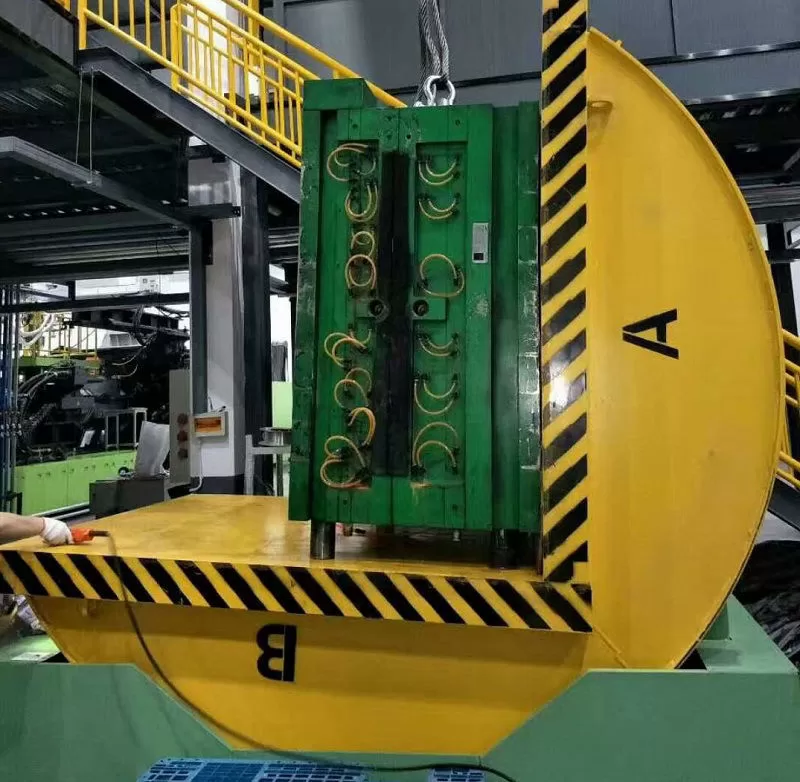
The level of automation and the sophistication of the control system are pivotal factors that create a wide spectrum of pricing for mold upenders. These elements directly influence labor requirements, operational efficiency, safety, and the ability to integrate the upender into broader manufacturing systems.
A. Manual, Semi-Automatic, and Fully Automatic Upenders: A Cost Spectrum
Mold upenders can be broadly categorized into manual, semi-automatic, and fully automatic types, each corresponding to a different level of initial investment and operational characteristics.
-
Manual Upenders:
- Operation: These machines require significant manual effort for operation. Tilting might be achieved using hand cranks, levers, or other mechanical aids, though some may have powered tilt with manual loading/unloading.15
- Cost: Manual upenders represent the lowest initial purchase price, making them a viable option for small-scale operations, infrequent use, or when budget constraints are paramount.7 Prices can range from as low as $1,500 for basic hydraulic flippers to between $3,000 and $8,000 for manual coil upenders with capacities around 5-10 tons.7 The primary appeal is their affordability and simplicity.
-
Semi-Automatic Upenders:
- Operation: These models blend powered operation for core functions (like tilting) with some degree of manual intervention. This might involve operators manually loading and positioning the mold, and then initiating the automated cycle via push-button controls or a simple interface.7
- Cost: Semi-automatic upenders occupy a mid-range pricing tier, offering a compromise between the labor-saving benefits of automation and the initial capital outlay.7 For coil upenders with a 10-20 ton capacity, prices typically fall in the $10,000 to $20,000 range.7
-
Fully Automatic Upenders:
- Operation: These systems are designed to operate with minimal human intervention. They are often integrated into automated production lines, featuring capabilities such as automated loading and unloading (e.g., via conveyors or AGVs), sensor-based operation for mold detection and positioning, and pre-programmed tilting cycles managed by advanced control systems.6
- Cost: Fully automatic upenders command the highest initial investment. This is due to their complex mechanical designs, extensive use of advanced sensors (optical, proximity, load), sophisticated control systems (typically PLC-based with HMIs), and the engineering required for seamless integration into larger systems.7 Prices for fully automated coil upenders (20-50 tons) can range from $25,000 to $50,000 and significantly higher.7 Large, custom-designed automated mold flippers can have base prices from $25,000 to over $150,000, with highly specialized thermoforming machine tilters reaching up to $219,000.25 The substantial cost is justified by significant reductions in labor, enhanced safety, and increased throughput in high-volume environments.6
The decision regarding the level of automation is a strategic one, requiring a careful balance between the upfront capital expenditure and the anticipated long-term operational savings. These savings can manifest in reduced labor costs, increased throughput due to faster cycle times, improved consistency in handling, and enhanced workplace safety. Fully automated systems, despite their considerably higher initial price, often yield a faster return on investment (ROI) in high-volume production settings or in regions where labor costs are a significant operational expense.25 The replacement of multi-person manual handling teams with a single operator for an automated upender, as highlighted in some analyses, forms a core part of this economic justification.6 Therefore, the “cost” of automation should not be viewed solely through the prism of the purchase price but rather through a comprehensive Total Cost of Ownership (TCO) and ROI analysis.
| Automation Level | Key Operational Features | Typical Control System | Labor Requirements | Throughput Potential | Indicative Price Range (USD) | Key Benefits | Key Limitations |
|---|---|---|---|---|---|---|---|
| Manual | Hand cranks, levers, manual loading/positioning; possibly basic powered tilt. | Minimal or no electrical controls. | High | Low | $1,500 – $8,000 | Lowest initial cost, simple to operate (mechanically). | Labor-intensive, slow, higher risk of operator strain/error, limited capacity. |
| Semi-Automatic | Powered tilting, manual loading/unloading, push-button cycle start. | Basic electrical controls, relays, timers. | Moderate | Moderate | $10,000 – $20,000 (for 10-20 ton coil upenders)7 | Reduced physical effort, faster than manual, moderate cost. | Still requires operator presence for parts of cycle, limited integration. |
| Fully Automatic | Automated loading/unloading, sensor-based operation, pre-programmed cycles, integration. | PLC, HMI, advanced sensors, network capable. | Low (Supervisory) | High | $25,000 – $150,000+ (varies greatly by capacity/customization)25 | Minimal labor, high throughput, consistency, enhanced safety, data logging. | Highest initial cost, complex maintenance, requires skilled technical support. |
Table 2: Automation Levels in Mold Upenders: Features, Benefits, and Indicative Cost Impact
Data Sources:6, 7, 25, 26, 27, 28.
B. Advanced Controls (PLC, HMI, Remote Systems) and Their Price Implications
The sophistication of the control system is a major cost driver, especially in semi-automatic and fully automatic mold upenders.
-
Programmable Logic Controllers (PLCs):
- Functionality: PLCs are industrial computers that form the brain of automated systems. They enable the execution of complex automation sequences, provide precise control over movements (such as tilt speed and angle), facilitate integration with other machinery and sensors, and can log operational data for analysis and diagnostics.8
- Cost Impact: The inclusion of a PLC significantly adds to the cost of an upender. The price impact varies based on the PLC’s capabilities: processing power, memory size, number of input/output (I/O) points, communication protocols supported, and brand reputation.29 For instance, Siemens PLCs, known for their advanced engineering tools like TIA Portal, are generally in the mid-to-high price range.29 A basic Siemens S7-1200 PLC might start around $500, while a more powerful S7-1500 for larger systems can exceed $2,000, exclusive of I/O modules, specialized communication interfaces, and software licensing, which can add another $300 to $1,000 or more.29 Packaging machines listed on Alibaba incorporating Siemens PLCs exhibit a wide price spectrum, from $2,500 to as high as $95,000, reflecting that the PLC cost is part of a larger, more complex system expenditure.30 The presence of “advanced controls like PLC systems” is explicitly linked to higher-priced automated upenders.7
-
Human-Machine Interfaces (HMIs):
- Functionality: HMIs provide the interface through which operators interact with the machine. Modern HMIs are often touch screens of varying sizes and resolutions, offering graphical displays for machine operation, setting parameters (e.g., tilt angle, speed), viewing status information, accessing diagnostics, and managing alarms.8
- Cost Impact: The cost of an HMI is influenced by its size, display quality (resolution, color depth), processing power, memory, software features, and environmental ratings (e.g., IP rating for dust/water resistance). Basic, smaller HMIs (e.g., a 4.3-inch display) can be relatively inexpensive, potentially costing between $137 and $159 for some brands.31 However, larger, more feature-rich HMIs (e.g., a 10.1-inch display with Ethernet connectivity) can cost considerably more, in the range of $304 to $508 or higher for similar brands.31 These prices are for the HMI units themselves and do not include integration and programming costs.
-
Remote Monitoring and Fault Diagnosis:
- Functionality: These advanced capabilities allow for off-site monitoring of the upender’s operational status, collection of performance data, and remote troubleshooting or diagnostics by maintenance personnel or the equipment manufacturer. This often relies on Industrial Internet of Things (IIoT) connectivity, enabling the machine to communicate over a network, and specialized software platforms for data visualization and analysis.23
- Cost Impact: Implementing remote monitoring and diagnostics adds to the initial cost due to the necessary hardware components (e.g., industrial gateways, additional sensors, secure communication modules) and the software licenses or development involved.23 However, these features can yield significant long-term savings by reducing unplanned downtime through early fault detection, enabling proactive maintenance scheduling, and potentially reducing the need for on-site service visits.23
-
Integration with MES/ERP Systems:
- Functionality: For factories aiming for highly integrated “smart” operations, the ability of a mold upender to communicate and exchange data with higher-level Manufacturing Execution Systems (MES) or Enterprise Resource Planning (ERP) systems is crucial.32 This integration allows for streamlined production management, automated work order execution, real-time tracking of mold status, and comprehensive reporting.32
- Cost Impact: Enabling MES/ERP integration requires the upender’s control system to support compatible industrial communication protocols (e.g., Ethernet/IP, PROFINET, OPC UA).32 It may also necessitate custom software development, middleware solutions, or specialized gateways to ensure seamless data exchange.32 These requirements add complexity and cost to the overall system.32 The implementation of MES applications themselves can involve substantial costs for hardware (servers, workstations), software licenses, and systems integration services, as detailed in pharmaceutical industry examples.32 The ability of a packaging line’s control system to integrate with ERP systems is a key consideration in its configuration.33
The increasing availability and potentially decreasing cost of sophisticated control components, such as PLCs, HMIs, and sensors, from a diverse range of global suppliers (from premium brands like Siemens 29 to more budget-conscious options like Kinco 31 or Mitsubishi 29) may be contributing to a democratization of access to higher levels of automation. This trend could lead to more competitive pricing for semi-automatic and even some fully automatic upenders, making advanced features more accessible to a broader spectrum of businesses beyond just large enterprises. As these core automation-enabling components become more affordable, manufacturers can either reduce the overall cost of automated machinery or offer enhanced features and capabilities at similar price points. Consequently, functionalities previously exclusive to very high-end upenders might become standard or more affordable options in mid-range machines, thereby expanding the adoption of automation in mold handling processes.
IV. Customization and Application-Specific Design
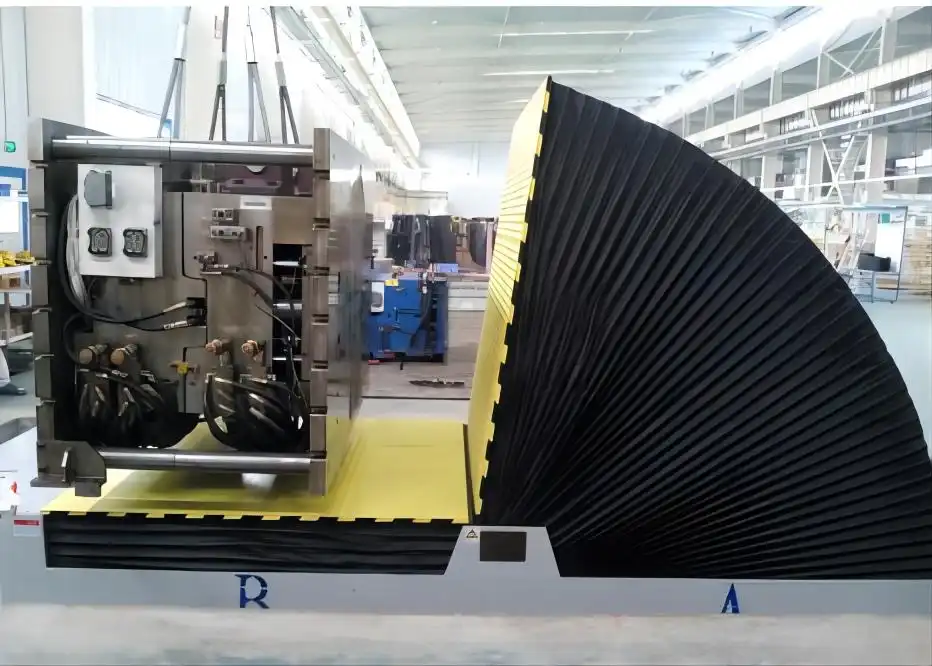
The ability to tailor a mold upender to specific operational requirements and unique mold characteristics is a significant factor influencing its final price. While standard models may suffice for common applications, many industrial scenarios demand bespoke solutions.
A. Tailoring Upenders for Unique Molds and Operational Needs
-
Mold Geometry and Size: Standard, off-the-shelf upenders are typically designed for common mold footprints and weight classes. However, many industries utilize molds with unique geometries (e.g., asymmetrical shapes, unusually long or tall profiles, complex external features) or exceptionally large dimensions that fall outside standard specifications. In such cases, customization of the upender’s platform dimensions, support structures, and clamping or fixturing mechanisms becomes essential to ensure safe and effective handling.5 Custom platforms, specialized clamping systems, and unique fixturing are explicitly mentioned as key customization parameters for mold flippers, designed to protect valuable molds and accommodate their specific shapes.13 Listings on platforms like Alibaba frequently feature “Customized” upenders, indicating this is a prevalent market offering.15
-
Specific Tilt Angles: While a 90-degree tilt is a common standard for reorienting molds 3, many applications necessitate different or more extensive rotational capabilities. For instance, full mold servicing often requires a 180-degree flip to allow access to both halves of the mold.4 Some processes might require intermediate angles, such as 135 degrees, or even variable angle control with high precision.7 Achieving these non-standard tilt angles or full rotations typically involves significant engineering adjustments to the drive mechanism, pivot points, and overall mechanical structure of the upender.7 The cost impact can be notable; for example, adding tilt angles up to 135° can increase the price of a coil upender by 10-20%.7
-
Integration with Specific Workflows: Customization is often crucial for seamlessly integrating the mold upender into existing production workflows and material handling systems. This can involve designing the upender to match specific loading and unloading heights of adjacent equipment, creating interface points for conveyors or Automated Guided Vehicles (AGVs), or programming specific operational sequences to align with the overall production rhythm.13 A thorough assessment of the production line, including space availability, material flow paths, and power/control system compatibility, is necessary to define these integration requirements, often leading to customized design elements.34
B. Cost of Bespoke Engineering and Specialized Features
The development of a custom-designed mold upender inherently incurs additional costs compared to standard models. These costs stem from several areas:
-
Engineering Design Costs: Bespoke solutions require significant additional engineering hours. This includes conceptualization to meet the unique requirements, detailed mechanical and electrical design, Finite Element Analysis (FEA) or other structural analyses to ensure safety and durability under specific load conditions, and the creation of comprehensive manufacturing drawings and documentation. These engineering services contribute directly to the project cost, often billed based on hourly rates or as a fixed sum for the design phase.11
-
Manufacturing Complexity: Fabricating custom components, modifying standard designs, or assembling unique configurations increases the complexity of the manufacturing process. This can lead to longer lead times, require specialized tooling or machining setups, and demand more skilled labor, all of which impact the final cost.13
-
Specialized Components: Custom features frequently necessitate the use of non-standard or specialized components. These might include custom-sized actuators (hydraulic or electric), unique sensor types for specific detection tasks, bespoke clamping systems designed for particular mold geometries, or specialized materials for platforms or contact surfaces.13 Such components are typically more expensive than their off-the-shelf counterparts due to lower production volumes or custom manufacturing requirements.13
-
Price Premiums for Customization: As a result of these factors, customization can add a significant premium to the base price of an upender. Industry sources suggest that custom-designed upenders for unique coil shapes might incur an additional 15-25% to the cost.7 Similarly, for mold flippers, highly tailored systems can see a 15-25% increase over the base cost due to customization.25 Specific examples of custom hydraulic upenders are available, with pricing contingent on the detailed specifications; for instance, a 3,000 lb capacity custom hydraulic coil upender is listed with a starting price, implying the final cost is determined by the bespoke features.35
While customization undeniably adds to the upfront capital expenditure, its value often lies in the long-term operational benefits. A standard, ill-suited machine might lead to inefficiencies, slower cycle times, an increased risk of damage to valuable and often unique molds, or even create safety hazards for operators. The potential costs associated with mold damage (which can run into tens or hundreds of thousands of dollars for complex tooling) or workplace injuries can far outweigh the premium paid for a customized upender designed to perfectly match the application. A bespoke solution, engineered for the specific mold characteristics and operational workflow, can maximize efficiency, ensure secure and gentle handling, and integrate seamlessly, leading to higher productivity, enhanced safety, and ultimately, a better return on investment. Therefore, the decision to customize should be based on a thorough risk-benefit analysis and a clear understanding of the long-term operational implications.
The capability of a manufacturer to offer meaningful customization is a reflection of their engineering depth, design flexibility, and manufacturing agility. Prospective buyers should carefully assess a manufacturer’s experience and capacity to deliver truly bespoke solutions as opposed to minor modifications of standard models. This distinction is crucial because the effectiveness and long-term reliability of a customized upender depend heavily on the quality of the engineering and manufacturing that underpins it. A collaborative design process, involving close communication between the buyer’s engineering team and the upender manufacturer, is key to ensuring that the final product precisely meets the specified requirements and delivers the anticipated performance and safety benefits. When considering customization, buyers should not only scrutinize the associated costs but also rigorously evaluate the manufacturer’s engineering credentials, review case studies of previous custom projects, and understand their process for collaborative design, validation, and post-installation support. This due diligence helps ensure that the premium paid for customization translates into a genuinely effective, durable, and value-adding solution.
| Feature/Customization Type | Estimated % or $ Increase to Base Price | Benefit/Rationale for Customization | Supporting Data Source(s) |
|---|---|---|---|
| Extended/Custom Tilt Angles (e.g., up to 135°, 180°) | 10-20% for up to 135° 7 | Enables full mold access for servicing, specific process requirements. | 4 |
| Custom Platform Dimensions/Shape | Varies (e.g., 15-25% for unique shapes)7 | Accommodates non-standard mold sizes/geometries, ensures stable support. | 7 |
| Specialized Clamping/Fixturing Systems | Part of 15-25% customization premium 25 | Securely holds uniquely shaped or delicate molds, prevents slippage or damage. | 13 |
| Advanced PLC Programming for Complex Sequences | Part of automation/customization cost 25 | Automates specific handling routines, integrates with other systems, enhances precision. | 25 |
| Integration with Existing Automation (AGVs, Conveyors) | Varies (can be substantial) | Streamlines material flow, reduces manual transfers, improves overall line efficiency. | 25 |
| Specific Safety Systems (e.g., Laser Scanners, Light Curtains) | Adds to customization costs 25 | Enhances operator safety beyond standard features, meets specific site safety protocols or high-risk application requirements. | 25 |
| Heavy-Duty Construction for Extreme Loads/Environments | Varies based on material/design 7 | Increases durability and lifespan in demanding conditions or for exceptionally heavy molds beyond standard high-capacity models. | 7 |
Table 3: Illustrative Cost Impact of Customization and Advanced Features on Mold Upenders
Note: Price increase percentages are indicative and can vary significantly based on the specific upender model, manufacturer, and the complexity of the customization.
V. Safety Systems: Investment in Protection

Safety is a paramount concern in industrial environments, particularly when handling heavy and bulky items like molds. Mold upenders, by their nature, involve powerful movements and substantial loads, making robust safety systems not just desirable but often mandatory. The level of safety features incorporated into a mold upender directly influences its price, but this expenditure should be viewed as a critical investment in protecting personnel, equipment, and ensuring regulatory compliance.
A. Standard vs. Enhanced Safety Features and Their Effect on Price
-
Standard Safety Features: Most mold upenders are equipped with a baseline set of safety features, many of which are required to meet fundamental safety regulations in industrial settings. These typically include:
- Emergency Stop Buttons (E-stops): Strategically placed to allow immediate machine shutdown in case of an emergency.36 The quality and environmental sealing (e.g., IP69K for hygienic environments) of these components can vary.37
- Maintenance Locks/Locking Pins: Mechanical devices to secure the upender in a safe position during maintenance or servicing, preventing accidental movement.5
- Basic Guarding: Physical barriers or enclosures around moving parts or the operational zone to prevent accidental contact.4 These standard features form the foundation of safe operation and are generally included in the base price of reputable machines.
-
Enhanced Safety Features: For more demanding applications, higher risk environments, or to meet more stringent corporate safety policies, upenders can be equipped with a range of advanced safety systems. These represent an additional layer of protection and sophistication:
- Laser Scanners: These devices create a monitored safety zone around the upender. If a person or object intrudes into this zone while the machine is operational or about to become operational, the system triggers a stop.38
- Light Curtains or Photoelectric Sensors: Similar to laser scanners, light curtains create an invisible barrier of light beams. If any beam is interrupted, the machine’s hazardous motion is halted.25
- Safety Interlocks: These are switches integrated with guards, access doors, or mold positioning systems. They prevent the machine from operating if a guard is open, a door is ajar, or if the mold is not correctly positioned or secured.25
- Load Sensors and Overload Protection Systems: Continuously monitor the weight and distribution of the load. If an overload condition is detected or if the load becomes unstable, the system can prevent operation or trigger an alarm.4
- Audible and Visual Alarms (Beacons, Sirens): Provide clear warnings to personnel in the vicinity about the machine’s operational status (e.g., movement in progress, fault condition).
- Remote Operator Controls: Allow the operator to manage the upender from a safe distance, away from the immediate operational area and potential crush zones.39
- Slow-Down Proximity Sensors: These sensors detect when the tilting platform is approaching its end-of-travel limits and signal the control system to decelerate the movement for a smooth, controlled stop, reducing mechanical stress and enhancing safety.2
-
Cost Implications: The incorporation of more sophisticated and numerous safety features invariably increases the machine’s overall price. This is due to the direct cost of the safety components themselves (e.g., laser scanners, safety-rated PLCs, interlock switches), the additional engineering required for their integration into the machine’s design and control system, and the programming and validation needed to ensure they function correctly and reliably.37 For example, specific safety interlocks like light curtains or area scanners are often considered customization options that add to the cost.25 However, these costs represent a crucial investment. Preventing even a single serious accident can save a company substantial sums in direct costs (medical, legal, compensation) and indirect costs (lost productivity, regulatory fines, reputational damage), often far exceeding the initial outlay for the enhanced safety systems.
The investment in enhanced safety features, while elevating the initial purchase price of a mold upender, can yield a significant reduction in the Total Cost of Ownership (TCO). This financial benefit is realized through the minimization of both direct and indirect costs associated with workplace accidents. Direct costs encompass medical expenses, workers’ compensation claims, and potential legal fees. Indirect costs, which can often be even more substantial, include lost productivity due to work stoppages, time spent on incident investigation, damage to equipment or product, increased insurance premiums, regulatory penalties, and harm to employee morale and company reputation.6 A single hour of production downtime resulting from an incident can cost thousands of dollars, depending on the scale of operation.24 Advanced safety features are engineered to proactively prevent such incidents.40 Therefore, the premium paid for these systems is not merely an expense but a strategic investment in risk mitigation. Over the operational lifespan of the machinery, the cumulative cost savings from prevented accidents can substantially outweigh the initial cost of the safety features, thereby contributing to a lower TCO and a safer, more productive work environment.
Furthermore, the landscape of industrial safety is continually evolving, with increasing regulatory scrutiny and a heightened corporate emphasis on Environmental, Social, and Governance (ESG) factors. Worker safety is a cornerstone of the “Social” component of ESG. Consequently, there is a growing demand for industrial machinery, including mold upenders, that incorporates higher levels of integrated and certified safety. Manufacturers who proactively design, implement, and certify advanced safety features in their equipment may be able to command a price premium. More importantly, they gain a competitive advantage by appealing to safety-conscious and compliance-focused buyers who are looking to minimize their operational risks and uphold strong ESG credentials. Upenders that meet or exceed recognized safety standards (e.g., ISO 13850 for emergency stops 37) help buyers meet their own regulatory and corporate governance obligations, reducing their risk and compliance burden. This trend suggests that investment in safety is increasingly viewed not just as a cost, but as a value driver and a mark of responsible manufacturing.
VI. Ancillary Equipment and Integration Expenses

The acquisition cost of a mold upender often extends beyond the price of the machine itself. Ancillary equipment necessary for its operation and the expenses associated with integrating it into existing production lines can contribute significantly to the total project investment.
A. Cost of Essential Auxiliaries (Conveyors, Loading Systems)
To facilitate the efficient movement of molds or parts to and from the upender, various auxiliary equipment may be required, particularly in automated or semi-automated environments.
-
Conveyors: These are commonly used for automatically transporting molds to the upender’s loading position and moving them away after the tilting operation. Conveyor systems can vary widely in type (e.g., roller conveyors, belt conveyors, chain conveyors), length, width, load-bearing capacity, and level of automation (e.g., powered vs. non-powered, variable speed controls). The cost of a conveyor system is dependent on these specifications and can range from a few thousand dollars for simple sections to tens of thousands for complex, integrated systems.41 Some upender solutions are explicitly offered “with conveyor,” indicating that these are often considered as part of a system package.41
-
Loading Platforms/Tables: In some instances, specialized loading platforms, shuttle tables, or pre-positioning fixtures might be necessary. These can help in accurately placing molds onto the upender, especially when interfacing with other machinery or when handling molds with specific geometric constraints.41 The design and construction of these platforms add to the overall system cost.41
-
Tilters/Upenders as Auxiliary Components: It’s also noteworthy that smaller upenders or tilters can themselves function as auxiliary equipment within a larger automated line, such as a coil packing or processing line.42 The prices for these auxiliary upenders vary significantly based on their capacity and features. For example, a basic 5-ton mechanical coil upender might cost between $1,000 and $3,000 43, while more sophisticated automated steel bobbin upenders or coil tilters with higher capacities can range from $10,000 to $20,000 or more. These examples illustrate that even auxiliary handling devices represent a distinct cost element. The inclusion of auxiliary equipment like conveyors or tilters directly increases the total system cost, as these additional machines have their own manufacturing and integration costs.42
B. Financial Considerations for Integrating Upenders into Existing Lines
Integrating a mold upender, especially an automated one, into an existing production environment involves several financial considerations beyond the hardware itself:
-
System Integration Costs: This is a broad category encompassing the engineering effort, software development, and skilled labor required to ensure the upender operates seamlessly with other machinery in the production line (e.g., molding presses, CNC machining centers, Automated Guided Vehicles – AGVs, robotic cells).34 This can involve interfacing PLCs, ensuring communication protocol compatibility (e.g., Ethernet/IP, PROFINET), and synchronizing operations.34 Professional system integrators typically charge hourly rates ranging from $100 to $200, and custom integration software can start at $20,000.44
-
Site Preparation: The physical installation site may require modifications. This can include reinforcing the factory floor to support the weight of the upender and the loads it handles, preparing foundations, installing or extending utility connections (electrical power, hydraulic lines, pneumatic supplies), and ensuring adequate operational and maintenance clearances around the machine.25 Site preparation costs for a standard 10-ton mold flipper can range from $1,000 to $4,000, and potentially more for larger or more complex installations.25
-
Downtime During Integration: The installation, commissioning, and testing of the new upender and its integration into the line may necessitate a partial or full shutdown of the affected production area. This operational downtime translates into indirect costs due to lost production output, which must be factored into the overall project budget.
-
Specialized Labor for Installation and Commissioning: The installation and commissioning of industrial machinery, particularly when it involves integration with other systems, often requires specialized technicians, millwrights, electricians, and control engineers.44 These services, whether provided by the upender manufacturer, a third-party integrator, or in-house teams (if adequately skilled), represent a significant labor cost component.44 Contract IT professionals for system integration tasks can command hourly rates between $75 and $150.45
The cost of ancillary equipment and the complexities of integration can, in some cases, approach or even surpass the cost of the standalone mold upender itself. This is particularly true for fully automated solutions or when integrating into highly sophisticated and interconnected production lines. Therefore, a holistic “system cost” perspective is crucial for accurate budgeting and realistic ROI calculations, rather than focusing solely on the sticker price of the upender unit. For example, while an upender might be one component, the associated costs for industrial robots ($50k-$150k each) or complete turnkey automation solutions ($150k-$500k+) in a larger cell highlight the potential scale of such projects.44
Successful integration, especially of automated upenders, often hinges on a collaborative approach involving the upender manufacturer, the buyer’s internal engineering and operations teams, and potentially specialized third-party systems integrators.34 The expertise of these partners and the clarity of the integration plan are as vital to controlling costs and achieving desired outcomes as the technical specifications of the upender. Poor planning, inadequate assessment of existing infrastructure, or a lack of expertise in any of these domains can lead to unforeseen delays, errors, significant cost overruns, and ultimately, a system that performs suboptimally. Investing in thorough upfront planning, detailed site assessments, and choosing experienced and reputable partners for integration can prevent much larger and more disruptive costs down the line, even if it appears to add to initial project management expenses.
| Cost Component | Typical Cost Range or % of Machine Price | Impact on TCO | Key Considerations for Buyers |
|---|---|---|---|
| Ancillary Equipment | |||
| Conveyors (per unit/system) | $ Thousands to $ Tens of Thousands (highly variable)41 | Increases upfront cost; Positive if improves efficiency, reduces labor. | Necessity, capacity, automation level, integration complexity. |
| Custom Loading Platforms/Fixtures | Part of customization cost (e.g., adds to 15-25% premium)25 | Increases upfront cost; Positive if essential for specific molds, enhances safety/efficiency. | Mold specificity, handling requirements, safety. |
| Supplier Services | |||
| Installation & Commissioning | $2,000 – $12,000+ (for mold flippers)25 | Increases upfront cost; Positive by ensuring correct setup, preventing early issues. | Complexity of machine, site preparedness, supplier expertise, inclusion in base price vs. separate charge. |
| Operator & Maintenance Training | $1,000 – $7,000+ (for mold flippers)25; Some offer free startup training.46 | Increases upfront cost; Positive by improving operator efficiency, safety, and reducing maintenance errors. | Depth of training, number of personnel, on-site vs. remote, ongoing training needs. |
| Warranty (Standard vs. Extended/Comprehensive) | Extended warranty can add % to price.47 | Higher upfront for extended; Positive by reducing unexpected repair costs during warranty period.48 | Duration, coverage (parts, labor, travel), exclusions, supplier reputation for honoring warranty. |
| After-Sales Support (Technical Assistance, On-site) | Often bundled or tiered service contracts.49 | Higher cost for premium support; Positive by minimizing downtime, resolving issues quickly.50 | Response times, availability of local technicians, scope of support (phone, remote, on-site), cost of service calls post-warranty. |
| Spare Parts Program (Availability & Cost) | Initial spare parts kit: $2,000 – $4,000+ (for mold flippers)25 | Ongoing operational cost; Positive if parts are readily available and reasonably priced, minimizing downtime.51 52 | Criticality of spares, supplier’s inventory, lead times for non-stock parts, cost of common wear items. |
Table 4: Impact of Supplier Services and Ancillary Costs on Mold Upender Total Cost of Ownership (TCO)
Data Sources:7, 25, 41, 49, 53, 46, 47, 48, 51, 52, 50.
VII. Supplier and Market Dynamics Affecting Price
Beyond the intrinsic technical specifications and customization of the mold upender itself, broader supplier and market dynamics play a crucial role in shaping its final purchase price. These factors include the manufacturer’s brand reputation, their market standing, the country of origin of the equipment, and the comprehensiveness of the services they offer.
A. Manufacturer Brand Reputation and Market Standing
-
Premium for Established Brands: Well-established manufacturers who have cultivated a strong reputation for producing high-quality, reliable, and innovative industrial machinery often command higher prices for their mold upenders.54 This price premium is generally associated with the trust and confidence buyers place in these brands, built upon a track record of proven performance, durability, and adherence to high manufacturing standards. Customers are often willing to pay more for the perceived lower risk and assurance of quality that comes with a recognized name.54 McKinsey’s research indicates that top industrial brands can charge price premiums of 5 to 10% due to their public attention, perceived high quality, reliability, and superior sales and service offerings.54 A positive brand reputation not only attracts more customers but also enables the charging of premium prices, leading to increased profit margins for the manufacturer.55
-
Market Presence and Support Networks: Manufacturers with a significant global or regional market presence typically invest in more extensive sales, service, and support networks. While the overheads associated with maintaining such infrastructure can contribute to higher machinery prices, this extensive presence also offers buyers tangible benefits, such as better accessibility to timely technical support, readily available spare parts, and local service expertise.54 Companies like Fhopepack and Shjlpack, cited as dominant players in related industrial packaging machinery, leverage their strong global presence and comprehensive support networks (including service centers and localized technical support) as a key differentiator, which can underpin their pricing strategy.49
-
Innovation and R&D Investment: Leading manufacturers in the industrial machinery sector often make substantial investments in research and development (R&D) to incorporate cutting-edge technology, advanced features, and improved performance into their products. These ongoing R&D costs, aimed at maintaining a competitive edge and meeting evolving industry demands, are naturally factored into the pricing of their machinery.54 The ability to offer innovative solutions that enhance efficiency, safety, or precision is a value proposition that can justify a higher price point.
B. Country of Origin: Tariffs, Manufacturing Standards, and Quality Perceptions
The country in which a mold upender is manufactured can have a profound impact on its price, influenced by labor costs, manufacturing standards, perceived quality, and international trade policies.
-
Cost Differences (e.g., China vs. USA/Europe): Machinery produced in countries with significantly lower labor costs, such as China, can often be offered at a lower price point compared to equivalent machines manufactured in countries with higher labor costs, like the United States or many European nations.56 For instance, in the context of injection molds (which share some manufacturing cost drivers with machinery), pricing from China is cited as being typically 20-50% lower than from the USA and 30-60% lower than from Europe.56 While mold upenders are distinct from molds, the underlying principle of lower labor and potentially operational costs in certain regions contributing to lower machinery prices is broadly applicable.
-
Manufacturing Standards and Quality Perceptions: There is often a perception among buyers that products originating from countries with a long-standing reputation for high-quality engineering, precision manufacturing, and stringent industrial standards (e.g., Germany, Japan, USA) inherently possess superior quality, durability, and reliability.57 This perception can allow manufacturers from these countries to command higher prices.58 Consumers and industrial buyers often associate product characteristics with national stereotypes, including industrial and technological prowess.58 Conversely, products from regions that may have historically been associated with lower quality standards might face price pressure or skepticism, even if their actual quality has significantly improved over time.57 The “Made in China” label, for example, has undergone shifts in perception, with many companies now highlighting advanced technology and quality, though cost-effectiveness remains a key factor.56
-
Tariffs and Trade Policies: Import tariffs imposed on industrial machinery or on key raw materials and components (such as steel) can substantially increase the landed cost of equipment sourced from specific countries.57 These tariffs directly impact the final price paid by the buyer and can alter the competitive landscape among international suppliers.57 59 For example, tariffs on packaging machinery from various countries, including China and European nations, have been noted to affect trade flows and pricing.60 Such trade policies can lead to shifts in sourcing strategies as companies seek to mitigate these additional costs.57
-
Logistics and Shipping Costs: The country of origin also dictates shipping distances and the complexity of logistics involved in transporting heavy industrial machinery. Longer shipping routes and more complex customs procedures can add to the overall cost and lead time for acquiring the equipment.56
C. The Value and Cost of Supplier Services (Installation, Training, Warranty, After-Sales Support)
The comprehensiveness and quality of services offered by the mold upender supplier are crucial factors that influence both the initial price and the long-term value of the investment.
-
Installation and Commissioning: Professional installation and commissioning services are often provided by the supplier and can represent a significant cost component, particularly for large, complex, or highly integrated upender systems. These services ensure the machine is correctly set up, calibrated, and ready for safe operation.25 Costs for installation and commissioning of mold flippers, for example, can range from $2,000 to $12,000 or more, depending on the machine’s complexity and site requirements.25 Some suppliers, particularly those on platforms like Made-in-China, may explicitly include installation and training in their package price.61
-
Operator and Maintenance Training: Thorough training for operators and maintenance personnel is vital for ensuring the safe, efficient, and correct use of the mold upender, as well as for performing routine maintenance that can extend its lifespan. The cost of such training programs can vary, with estimates for mold flipper training ranging from $1,000 to $7,000 or more, depending on the depth and duration.25 Some manufacturers may offer free initial startup training as part of their sales package.46
-
Warranty: The terms of the warranty—including its duration (e.g., 1 year, 2 years, or more), scope of coverage (e.g., parts only, parts and labor), and any exclusions—can affect the initial price of the upender. A more comprehensive and longer-duration warranty might contribute to a higher upfront cost but provides better protection against unexpected repair expenses during the initial period of ownership.47 A strong warranty from a reputable supplier also adds to the perceived value and reliability of the equipment.48
-
After-Sales Support and Spare Parts Availability: Reliable, responsive, and readily accessible after-sales support—including technical assistance, troubleshooting services, and prompt availability of spare parts—is critical for minimizing operational downtime and ensuring the long-term productivity of the mold upender.50 Suppliers with well-established and robust support infrastructures may factor the cost of maintaining these services into their pricing.49 The availability and cost of spare parts themselves are an ongoing operational expense that buyers must consider.51 52 The promise of exceptional after-sales service can also allow a supplier to charge a higher price by adding significant value and bolstering their business reputation.50
-
Total Cost of Ownership (TCO): Increasingly, sophisticated buyers evaluate industrial machinery not just on its initial purchase price but on its Total Cost of Ownership.25 A higher initial investment in a machine from a reputable supplier offering excellent services can lead to lower TCO over the equipment’s lifespan due to reduced downtime, lower maintenance and repair costs, and greater operational efficiency.25
The choice of supplier for a mold upender involves a complex risk-reward assessment. Opting for a lower-priced machine from a lesser-known brand or from certain countries of origin might offer initial capital savings. However, this approach could entail higher risks related to the equipment’s quality, long-term reliability, and the availability or responsiveness of support services. These factors can potentially lead to a higher Total Cost of Ownership due to increased maintenance, more frequent downtime, and difficulties in sourcing spare parts or obtaining timely technical assistance.62 Conversely, investing in a premium-priced machine from a highly reputable manufacturer with a strong local support network and comprehensive service offerings generally presents a lower risk profile and may deliver better long-term value and a lower TCO, despite the higher upfront cost.7
Globalization and the proliferation of digital B2B platforms (such as Alibaba and Made-in-China) are fostering greater transparency and intensifying competition within the industrial machinery market.15 This dynamic provides buyers with easier access to a wider array of global suppliers and their indicative pricing.15 Lower-cost manufacturers, particularly from regions in Asia, can leverage these platforms to effectively reach a global customer base.56 This heightened competition may be exerting pressure on the traditional price premiums historically maintained by established Western brands. In response, these established manufacturers are increasingly compelled to differentiate themselves and justify their pricing by emphasizing not just product quality, but also the value derived from superior service packages, continuous innovation, robust customization capabilities, and a demonstrably lower Total Cost of Ownership.54 Their branding and marketing strategies must effectively communicate this comprehensive value proposition to discerning industrial buyers.63
VIII. Navigating Price Ranges and Total Cost of Ownership
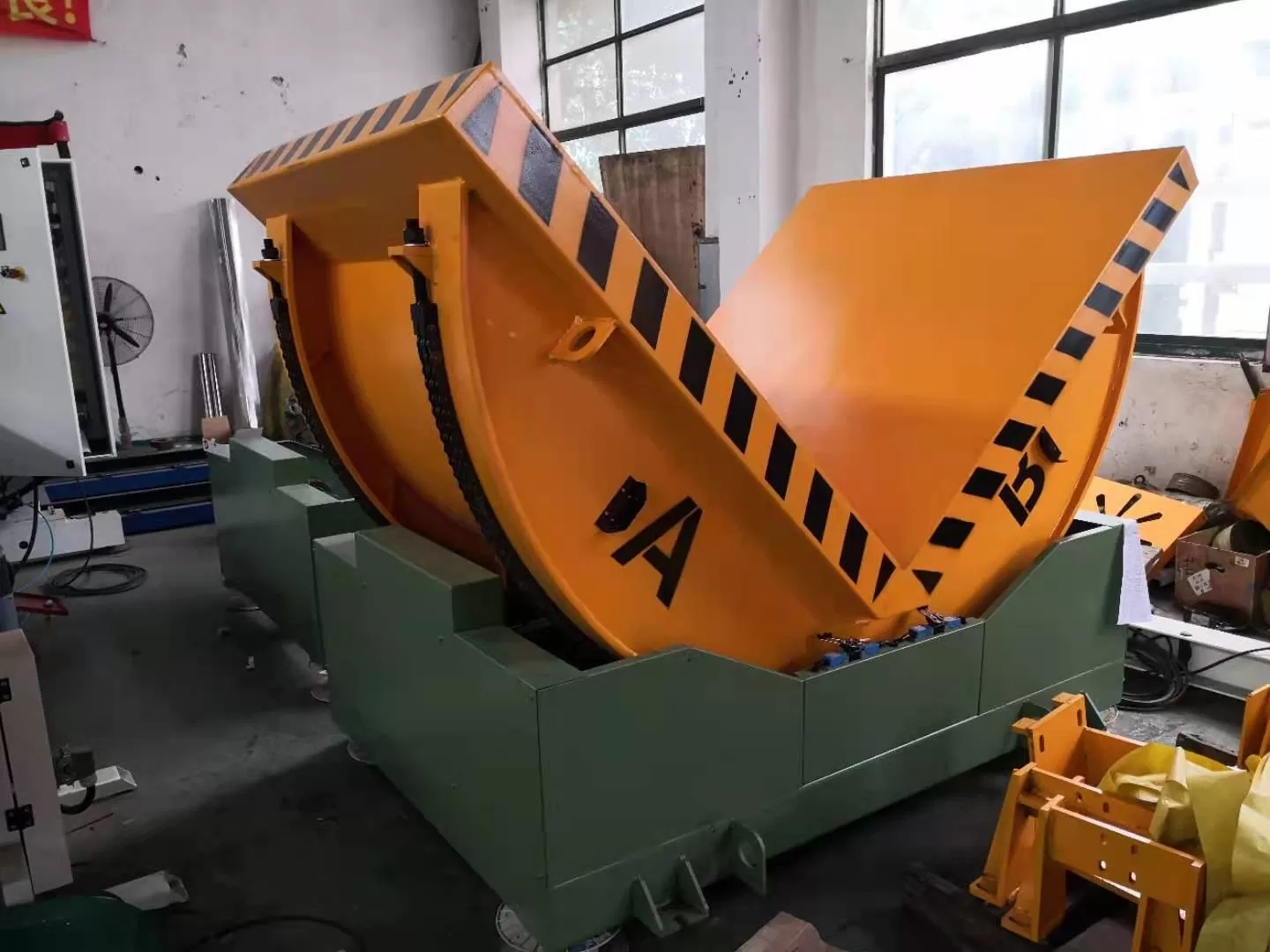
Understanding the typical price brackets for mold upenders and appreciating the concept of Total Cost of Ownership (TCO) are crucial for making sound investment decisions. Prices can vary dramatically based on a confluence of factors previously discussed.
A. Indicative Price Brackets for Mold Upenders
The market for mold upenders presents a wide array of price points, largely segmented by load capacity, level of automation, drive mechanism, brand reputation, country of origin, and included features.
-
Manual Models: Generally positioned at the lower end of the price spectrum, manual upenders (often with capacities in the 5-10 ton range) can be found for approximately $3,000 to $8,000.7 Some basic hydraulic flippers or simple upenders listed on platforms like Alibaba might even be found for as low as $1,500 to $2,800.15
-
Semi-Automatic Models: Offering a balance of powered operation and manual control, semi-automatic upenders (typically in the 10-20 ton capacity range) are generally priced between $10,000 and $20,000.7
-
Fully Automatic Models: These represent the highest tier in terms of both functionality and cost. Fully automated upenders (often with capacities of 20-50 tons or more) can range from $25,000 to $50,000+.7 For large, highly customized automated mold flippers, the base price alone can extend from $25,000 to over $150,000, with some specialized tilting thermoforming machines reaching up to $219,000.25
-
Capacity-Specific Examples:
- A 5-ton manual coil upender might cost around $3,000 to $5,000.7
- Hydraulic upenders show distinct price tiers based on capacity: 1-5 tons ($5,000 – $10,000)17, 5-20 tons ($10,000 – $25,000)17, and 20-50+ tons ($25,000 – $75,000+)17.
- Listings for heavy-duty (3T to 30T) turnover mold upenders from established Chinese brands (e.g., WALTER) on Alibaba show a broad range from $2,000 to $13,880.64
- A 5-ton capacity upender from Sapphire Packaging (China) is listed at $4,500 – $7,500, while their 15-ton model is priced at $6,000 – $6,500.9
- Industrial upenders on Alibaba, encompassing various types like coil tilters, show prices from $2,000 up to $20,000, depending on features.15 For example, a 10-ton hydraulic coil upender is listed at $4,000-$10,00043, while a customized 50-ton heavy-duty mold upender is priced at $3,000 (though this latter price seems unusually low for such high capacity and may depend heavily on unstated factors or be a promotional price).65 66
It is crucial to recognize that these price brackets are indicative. Significant variation can occur within these ranges due to the degree of customization, the sophistication of the control system (e.g., inclusion of advanced PLCs and HMIs), the specific safety features incorporated, the manufacturer’s brand equity and country of origin, and the comprehensiveness of the included service and support package.
The provided price ranges, while offering a general orientation, are highly indicative and subject to considerable fluctuation. Factors such as negotiation leverage, the specifics of a package deal (which might include multiple machines, ancillary equipment, or extended service contracts), and prevailing market conditions at the precise time of purchase can all significantly influence the final transaction price. Prospective buyers should utilize these ranges as an initial guide but must engage in detailed consultations and solicit firm quotations from multiple suppliers, tailored to their exact operational requirements and specifications, to obtain accurate and comparable pricing.
| Load Capacity | Automation Level | Indicative Price Range (USD) | Key Features Associated with this Tier | Primary Application Profile |
|---|---|---|---|---|
| <5 tons | Manual | $1,500 – $5,00015 | Basic mechanical or hydraulic tilt, manual load/unload. | Small workshops, very low volume, handling lighter molds or coils. |
| 5-10 tons | Manual | $3,000 – $8,0007 | Robust manual controls, basic powered tilt options. | Small to medium operations, infrequent use, budget-conscious buyers. |
| Semi-Automatic | $10,000 – $15,000 | Powered tilt, basic controls (push-button), manual positioning. | Medium volume operations needing some efficiency improvement over purely manual. | |
| 10-20 tons | Semi-Automatic | $10,000 – $20,0007 | Powered systems, PLC basic controls, some safety interlocks. | Medium industrial use, regular mold/coil handling, balance of cost and automation. |
| Fully Automatic | $25,000 – $40,000 | PLC/HMI controls, basic automation sequences, integrated safety. | Higher volume applications where consistency and reduced labor are beneficial. | |
| 20-50 tons | Fully Automatic | $25,000 – $75,000+7 | Advanced PLC/HMI, complex automation, sensor integration, robust safety systems. | Large-scale industries (steel, automotive), heavy mold/coil handling, high throughput lines. |
| >50 tons / Custom | Fully Automatic | $70,000 – $150,000++25 | Highly customized design, specialized drive/control systems, advanced safety. | Very large/heavy or uniquely shaped molds/loads, specialized industrial applications. |
Table 5: Indicative Price Ranges for Mold Upenders by Load Capacity and Automation Level
Data Sources: Consolidated from 15, 7, 9, 64, 17, 25, 26, 65, 66, 41, 43, 67, 68. Ranges are indicative and subject to significant variation.
B. Beyond the Sticker Price: Understanding Total Cost of Ownership (TCO) and ROI
A comprehensive evaluation of a mold upender investment extends far beyond its initial purchase price. The Total Cost of Ownership (TCO) provides a more accurate measure of the equipment’s true financial impact over its entire operational life. TCO encompasses the upfront acquisition cost (including the machine price, shipping, installation, and initial training) as well as all subsequent recurring costs. These ongoing expenses include energy consumption, routine maintenance, spare parts procurement, potential repair costs, and the often significant, though sometimes hidden, costs associated with operational downtime.25
Calculating the Return on Investment (ROI) involves comparing the total cost savings and productivity gains generated by the mold upender against its TCO. For mold upenders, the payback period—the time it takes for the accumulated savings to equal the initial investment—can typically range from less than one year to three years, depending on the intensity of use and the specific benefits realized.25 These savings are primarily derived from several key areas:
- Reduced Labor Costs: Automation or mechanization of mold handling reduces the number of personnel required for these tasks and the time taken per operation.6
- Injury Prevention: Enhanced safety features and reduced manual handling minimize the risk of workplace accidents and their associated costs (medical, compensation, lost workdays).6
- Minimized Mold Damage: Controlled and precise handling prevents accidental drops or collisions that can damage expensive molds, avoiding costly repairs or replacements.6
- Increased Uptime and Efficiency: Faster mold rotations, quicker changeovers, and reduced downtime contribute to higher overall production throughput.25 An example calculation shows that an initial investment of $29,000 in a mold upender (including purchase, shipping, installation, and training) could be paid back in approximately 7.7 months if it generates annual savings of $45,000 through these combined benefits.53
The critical takeaway is the importance of balancing long-term value against short-term savings. A machine with a lower initial purchase price might seem attractive, but if it incurs higher TCO due to increased maintenance needs, lower reliability leading to more frequent downtime, or a shorter operational lifespan, it may prove to be a less cost-effective investment in the long run.7 Conversely, investing a higher amount upfront in a machine characterized by superior build quality, a higher level of appropriate automation, robust safety features, and comprehensive supplier support can lead to greater long-term financial benefits and a more favorable TCO.7 For instance, an investment in a robust, automated coil upender costing $30,000 might save 10-15% annually on maintenance compared to a lower-grade alternative priced at $10,000, illustrating the TCO principle.7
The TCO calculation itself can be a complex undertaking, demanding the accurate estimation of various future costs (such as maintenance, energy, and potential downtime) and benefits (like labor savings and efficiency gains). The thoroughness and accuracy of this TCO analysis often depend on the buyer’s internal financial and engineering expertise or their reliance on experienced consultants or transparent suppliers who can provide reliable data and assistance. A superficial or overly optimistic TCO analysis, perhaps by underestimating the maintenance requirements of a cheaper machine or overstating the potential savings, could lead to suboptimal investment decisions, resulting in the acquisition of equipment that is not the most economically advantageous over its complete lifecycle.
IX. Conclusion: Key Takeaways for Informed Purchasing Decisions
The process of selecting and purchasing a mold upender is a significant capital investment decision, with prices influenced by a wide array of interconnected factors. This report has aimed to decode these determinants to empower buyers with the knowledge needed for informed choices.
Recap of Major Price Determinants:
The final price of a mold upender is shaped by its core technical specifications, including load capacity, physical dimensions and platform design, construction materials and build quality, and the type of drive mechanism (mechanical, hydraulic, or electric). Beyond these foundational elements, the level of automation (manual, semi-automatic, or fully automatic) and the sophistication of its control system (PLCs, HMIs, remote capabilities) are major price influencers. Furthermore, the extent of customization to meet unique operational needs or mold geometries, the comprehensiveness of integrated safety features, the requirement for ancillary equipment (like conveyors and loading systems), and the complexity of integration into existing production lines all contribute significantly to the cost. Lastly, supplier-related factors such as manufacturer brand reputation, market standing, country of origin, and the scope of included services (installation, training, warranty, after-sales support) play a vital role.
Emphasis on Holistic Evaluation:
It is imperative for prospective buyers to look beyond the initial “sticker price.” A holistic evaluation that incorporates the Total Cost of Ownership (TCO) and Return on Investment (ROI) is essential. Factors such as long-term reliability, projected maintenance costs, energy consumption, operational efficiency gains, and the impact on workplace safety will determine the true cost-effectiveness of the mold upender over its operational lifespan.7 A lower upfront cost does not always equate to the most economical solution in the long term.
Strategic Alignment:
The choice of a mold upender must be strategically aligned with the company’s specific operational requirements, anticipated production volumes, the characteristics of the molds being handled (size, weight, complexity), prevailing safety standards, and broader long-term strategic objectives. These objectives might include initiatives towards increased automation, the establishment of a more robust safety culture, or improvements in overall equipment effectiveness (OEE).
Due Diligence in Supplier Selection:
Thorough due diligence in selecting a supplier is critical. Potential vendors should be evaluated not only on price but also on their technical capabilities, engineering expertise (particularly for customized solutions), proven track record and references, the quality and responsiveness of their after-sales service and support, the terms and conditions of their warranty, and their transparency in pricing and communication.7
Future-Proofing:
Consideration should also be given to future production needs and potential technological advancements. Investing in a mold upender with slightly more capacity, adaptability, or more advanced (yet currently underutilized) features might prove more cost-effective in the long run compared to needing to upgrade or replace a more basic model prematurely as production demands evolve or new technologies become standard.
The procurement process for a mold upender is not merely a transactional purchase but a strategic investment decision. It often requires cross-functional collaboration within the buying organization, involving input from engineering, operations, procurement, finance, and safety departments. Each of these functions will have distinct priorities and perspectives that need to be carefully considered and balanced to arrive at an optimal solution. A decision made in isolation, for instance, by procurement focusing solely on achieving the lowest possible purchase price, could result in acquiring a machine that fails to meet critical technical specifications, operational efficiency targets, or essential safety requirements. Therefore, a successful procurement outcome hinges on a holistic approach that integrates insights from all relevant stakeholders, ensuring the selected mold upender offers the best overall value and performance, not just the lowest initial cost.
The mold upender market, akin to many other industrial equipment sectors, is likely undergoing a transformation where data generation and connectivity are becoming increasingly significant. Traditional “dumb” machines are gradually being supplanted by “smart” machines capable of integrating into larger digital manufacturing ecosystems.23 This implies that factors such as the openness of control systems, compatibility with industrial data communication protocols, and the ability to support predictive analytics and remote diagnostics will emerge as increasingly important price determinants and key value propositions for mold upenders in the future. Manufacturers offering equipment with advanced connectivity and data capabilities will likely position these as premium features, thereby impacting the price. Concurrently, buyers aiming to future-proof their manufacturing operations will increasingly prioritize these “smart” features, even if they entail a higher initial investment, recognizing the substantial long-term benefits in terms of enhanced efficiency, optimized maintenance, and greater operational intelligence.
Final Recommendation:
Prospective buyers are strongly encouraged to undertake a detailed needs analysis, conduct a comprehensive comparison of suitable suppliers and their offerings, and perform a robust Total Cost of Ownership calculation. This diligent approach will ensure that the selected mold upender not only meets current operational requirements but also delivers optimal value, reliability, and performance throughout its service life, contributing positively to the company’s safety, productivity, and profitability.
Works cited
-
greenvalleyinc.com, accessed May 19, 2025, https://greenvalleyinc.com/upenders-tippers-splitters/#:~:text=An%20upender%20or%20tipper%20is,hook%20through%20the%20coil%20ID. ↩ ↩
-
Mold Upenders & Tippers – Green Valley Manufacturing, accessed May 19, 2025, https://greenvalleyinc.com/upenders-tippers-splitters/mold-upenders-tippers/ ↩ ↩
-
Upenders-Tippers-Splitters | Green Valley Manufacturing, accessed May 19, 2025, https://greenvalleyinc.com/upenders-tippers-splitters/ ↩ ↩ ↩ ↩ ↩
-
Die mould upender and tilter – FhopePack, accessed May 19, 2025, https://www.fhopepack.com/Mechanical/die-mould-upender.html ↩ ↩ ↩ ↩ ↩ ↩ ↩ ↩ ↩
-
Mechanical Upender – Cherry’s Industrial Equipment, accessed May 19, 2025, https://cherrysind.com/tippers-upenders/mechanical ↩ ↩ ↩ ↩ ↩ ↩
-
How Did Automated Mold Upenders Lead to a 30% Cost Reduction …, accessed May 19, 2025, https://www.fhopepack.com/zh/how-did-automated-mold-upenders-lead-to-a-30-cost-reduction/?amp=1 ↩ ↩ ↩ ↩ ↩ ↩ ↩ ↩ ↩
-
Coil Upender Price – FhopePack, accessed May 19, 2025, https://www.fhopepack.com/Coil-Upender/Coil-Upender-Price.html ↩ ↩ ↩ ↩ ↩ ↩ ↩ ↩ ↩ ↩ ↩ ↩ ↩ ↩ ↩ ↩ ↩ ↩ ↩ ↩ ↩ ↩ ↩ ↩ ↩ ↩ ↩ ↩ ↩ ↩ ↩ ↩ ↩ ↩ ↩ ↩ ↩ ↩ ↩ ↩ ↩ ↩ ↩ ↩
-
How Do You Ensure Your Mold Upender Works Perfectly After Installation? – FhopePack, accessed May 19, 2025, https://www.fhopepack.com/zh/how-do-you-ensure-your-mold-upender-works-perfectly-after-installation/?amp=1 ↩ ↩ ↩ ↩ ↩
-
Automatic Coil Tilter Metal Coil Flip Machine Mold Upender – Shandong Sapphire Packaging Machinery Co., Ltd., accessed May 19, 2025, https://sapphirepackaging.en.made-in-china.com/product/qmYUPDuWqERZ/China-Automatic-Coil-Tilter-Metal-Coil-Flip-Machine-Mold-Upender.html ↩ ↩ ↩ ↩
-
Upenders | Coil Upender | Coil Tipper – Bushman Equipment, accessed May 19, 2025, https://www.bushman.com/floor-based-material-handling-equipment/mechanical-upenders/ ↩ ↩ ↩
-
Complete Costs of Injection Molding Design, DFM Engineering Rates, & Manufacturing Pricing for CAD Services, accessed May 19, 2025, https://www.cadcrowd.com/blog/complete-costs-of-injection-molding-design-dfm-engineering-rates-manufacturing-pricing-for-cad-services/ ↩ ↩ ↩
-
Key Components And Factors Influencing Injection Mold Pricing, accessed May 19, 2025, https://myplasticmold.com/injection-mold-pricing-details ↩
-
The Importance of Customization in Mold Flipper Procurement – FhopePack, accessed May 19, 2025, https://www.fhopepack.com/zh/the-importance-of-customization-in-mold-flipper-procurement/ ↩ ↩ ↩ ↩ ↩ ↩ ↩
-
The Ripple Effect: How Steel Tariffs Reshape Construction … – HBK, accessed May 19, 2025, https://hbkcpa.com/insights/the-ripple-effect-how-steel-tariffs-reshape-construction-economics/ ↩ ↩
-
Industrial Mold Upender – Efficient & Reliable Solutions – Alibaba.com, accessed May 19, 2025, https://www.alibaba.com/showroom/industrial-mold-upender.html ↩ ↩ ↩ ↩ ↩ ↩ ↩ ↩ ↩ ↩ ↩ ↩
-
www.avonengineering.com, accessed May 19, 2025, https://www.avonengineering.com/wp-content/uploads/2018/07/AVON-Upender-sheet-FINAL2.pdf ↩ ↩
-
Hydraulic Upender and Tilter manufaturer – FhopePack, accessed May 19, 2025, https://www.fhopepack.com/Hydraulic/ ↩ ↩ ↩ ↩ ↩ ↩ ↩ ↩ ↩
-
Hydraulic vs. Electric vs. Hybrid Machines | iES, accessed May 19, 2025, https://www.iengineeredsolutions.com/news/hydraulic-hybrid-electric-machines ↩ ↩ ↩ ↩ ↩
-
Tilt Mechanism | Products & Suppliers – GlobalSpec, accessed May 19, 2025, https://www.globalspec.com/industrial-directory/tilt_mechanism ↩ ↩
-
Tilting Machine Price Starting From Rs 8,000/Pc | Find Verified …, accessed May 19, 2025, https://www.justdial.com/india/Tilting-Machine ↩ ↩
-
Upender – BHS Industrial Equipment – BHS, Inc., accessed May 19, 2025, https://na.bhs1.com/upender.html ↩
-
Hydraulic vs Pneumatic vs Electric Actuators: Pros and Cons, accessed May 19, 2025, https://valves-actuator.com/hydraulic-vs-pneumatic-vs-electric-actuators/ ↩
-
Factory of the Future: Technology Early Wins | Alvarez & Marsal | Management Consulting, accessed May 18, 2025, https://www.alvarezandmarsal.com/thought-leadership/factory-of-the-future-technology-early-win ↩ ↩ ↩ ↩ ↩ ↩
-
Industrial Packaging Machine Maintenance | ATS – Advanced Technology Services, accessed May 18, 2025, https://www.advancedtech.com/blog/industrial-packaging-machine-maintenance/ ↩ ↩
-
Evaluating the Total Cost of Ownership for Mold Flippers – FhopePack, accessed May 19, 2025, https://www.fhopepack.com/zh/evaluating-the-total-cost-of-ownership-for-mold-flippers/?amp=1 ↩ ↩ ↩ ↩ ↩ ↩ ↩ ↩ ↩ ↩ ↩ ↩ ↩ ↩ ↩ ↩ ↩ ↩ ↩ ↩ ↩ ↩ ↩ ↩ ↩ ↩ ↩ ↩ ↩ ↩ ↩ ↩
-
Tilting Mold Thermoforming Machine(141+) – Alibaba.com, accessed May 19, 2025, https://www.alibaba.com/showroom/tilting-mold-thermoforming-machine.html ↩ ↩
-
What is the ROI of automated packaging? – Sparck Technologies, accessed May 18, 2025, https://sparcktechnologies.com/what-is-the-roi-of-automated-packaging/ ↩
-
Costs of Semi vs. Fully Automated Wrapping Machines – InkJet, Inc., accessed May 18, 2025, https://inkjetinc.com/blogs/default-blog/cyklop-comparing-costs-of-semi-vs-fully-automated-wrapping-machines ↩
-
Top PLC Brands Ranked: Features, Costs, and Benefits – Industrial Automation Co., accessed May 18, 2025, https://industrialautomationco.com/blogs/news/top-plc-brands-ranked-features-costs-and-benefits ↩ ↩ ↩ ↩ ↩
-
Efficient and Versatile packing machine with siemens plc for Seamless Packaging Solutions – Alibaba, accessed May 18, 2025, https://www.alibaba.com/showroom/packing-machine-with-siemens-plc.html ↩
-
Human Machine Interface – Kinco Automation, accessed May 18, 2025, https://www.kincoautomation.com/marketing/hmi/ ↩ ↩ ↩
-
Justifying Investment in Manufacturing Execution Systems | Pharmaceutical Engineering, accessed May 18, 2025, https://ispe.org/pharmaceutical-engineering/november-december-2020/justifying-investment-manufacturing-execution ↩ ↩ ↩ ↩ ↩ ↩
-
How To Choose The Right Coil Packing Line, accessed May 18, 2025, https://www.shjlpacking.com/info/how-to-choose-the-right-coil-packing-line-102896431.html ↩
-
How Can You Integrate Mold Upenders with Your Existing Production Lines? – FhopePack, accessed May 19, 2025, https://www.fhopepack.com/zh/how-can-you-integrate-mold-upenders-with-your-existing-production-lines/ ↩ ↩ ↩ ↩
-
Custom Hydraulic Driven Upender Model • 3,000 lbs – Alma Machinery, accessed May 19, 2025, https://www.almamachinery.com/machine/used-custom-hydraulic-driven-upender-8174/ ↩
-
Optimizing Material Handling Applications: Motor and Power Requirements for Tippers, Palletizers, Rotators, TurnTables, and Upenders – Demag Cranes, accessed May 19, 2025, https://www.demagcranes.com/en-us/optimizing-material-handling-applications-motor-and-power-requirements-for-tippers-palletizers-rotators-turntables-and-upenders ↩
-
Emergency Stop Buttons – Idem Safety Switches, accessed May 19, 2025, https://idemsafety.com/product-category/emergency-stop-button/ ↩ ↩ ↩
-
Excellence in Upender Design and Production – MORELLO, accessed May 19, 2025, https://www.morellogiovanni.it/en/products/upenders-tilters/ ↩
-
New MetalPress 5 Ton Hydraulic Die Mold Upender For Sale, accessed May 19, 2025, https://betadiecasting.com/new-metalpress-5-ton-hydraulic-die-mold-upender-4543/ ↩
-
Know All About Emergency Stop Push Button – Schneider Electric, accessed May 19, 2025, https://eshop.se.com/in/blog/post/schneider-electric-and-emergency-stop-push-button.html ↩
-
Mechanical coil Upender,coil tilter,mold upending machine with lower price, accessed May 19, 2025, http://icoiler.com/Mechanical-upender/ ↩ ↩ ↩ ↩ ↩ ↩ ↩
-
Markets / Coil Wrapping Machine – SHJLPACK, accessed May 18, 2025, https://www.shjlpack.com/Coil-Wrapping-Machine/ ↩ ↩
-
Efficient Coil Upenders – Hydraulic Tilter Machines for Steel – Alibaba.com, accessed May 19, 2025, https://www.alibaba.com/showroom/coil-upender.html ↩ ↩ ↩
-
Implementation Costs of Industrial Automation – Qviro Blog, accessed May 19, 2025, https://qviro.com/blog/implementation-costs-industrial-automation/ ↩ ↩ ↩ ↩
-
What Are the 9 Operating Costs of System Integration for Businesses?, accessed May 19, 2025, https://businessplan-templates.com/blogs/running-costs/system-integration ↩
-
Used Machine Warranty Transfer and Training – Thunder Laser USA, accessed May 19, 2025, https://shop.thunderlaserusa.com/products/used-machine-warranty-transfer-and-training ↩ ↩ ↩
-
Equipment Warranty | RepairShare – Carolina Handling, accessed May 19, 2025, https://www.carolinahandling.com/warranty ↩ ↩ ↩
-
Heavy Equipment Warranties: Attract Buyers & Increase Resale Prices – Boom & Bucket, accessed May 19, 2025, https://www.boomandbucket.com/blog/heavy-equipment-warranties-attract-buyers–increase-resale-prices ↩ ↩ ↩
-
The Top Leading Coil Wrapping Machine Manufacturer – SHJLPACK, accessed May 18, 2025, https://www.shjlpack.com/info/the-top-leading-coil-wrapping-machine-manufacturer/ ↩ ↩ ↩ ↩
-
Why After-Sales Service Is Important – D-Tools, accessed May 19, 2025, https://www.d-tools.com/resource-center/sales_management/why-after-sales-service-is-important ↩ ↩ ↩ ↩
-
What Are the Advantages of Coil Wrapping Machines in Reducing …, accessed May 18, 2025, https://www.shjlpack.com/blog/what-are-the-advantages-of-coil-wrapping-machines-in-reducing-labor-costs/ ↩ ↩ ↩
-
Spare Parts Packaging Machine Price – Made-in-China.com, accessed May 18, 2025, https://www.made-in-china.com/products-search/hot-china-products/Spare_Parts_Packaging_Machine_Price.html ↩ ↩ ↩
-
How Quickly Can a Mold Upender Investment Pay for Itself …, accessed May 19, 2025, https://www.fhopepack.com/zh/how-quickly-can-a-mold-upender-investment-pay-for-itself/ ↩ ↩
-
The rising value of industrial brands – | McKinsey, accessed May 18, 2025, https://www.mckinsey.com/industries/industrials-and-electronics/our-insights/the-rising-value-of-industrial-brands ↩ ↩ ↩ ↩ ↩ ↩
-
Why is Price Consistency Across Sales Channels So Important? – Pricefx, accessed May 19, 2025, https://www.pricefx.com/learning-center/why-is-price-consistency-across-sales-channels-so-important ↩
-
Understanding China Injection Mold Pricing: What You Need to Know – Kemal, accessed May 19, 2025, https://www.kemalmfg.com/china-injection-mold-pricing/ ↩ ↩ ↩ ↩ ↩
-
Country of Origin Rules Every Manufacturer Should Know – Kinyu, accessed May 18, 2025, https://www.kinyu.co.uk/country-of-origin-rules-every-manufacturer-should-know/ ↩ ↩ ↩ ↩ ↩
-
Interconnection between product quality, consumer perception, and country of origin influe, accessed May 19, 2025, https://www.researchgate.net/publication/388277258_Interconnection_between_product_quality_consumer_perception_and_country_of_origin_influe ↩ ↩
-
The Fed – Detecting Tariff Effects on Consumer Prices in Real Time, accessed May 19, 2025, https://www.federalreserve.gov/econres/notes/feds-notes/detecting-tariff-effects-on-consumer-prices-in-real-time-20250509.html ↩
-
Packaging machinery faces the challenge of tariffs – PACKMEDIA, accessed May 18, 2025, https://www.packmedia.net/index.php/market/packaging-machinery-faces-challenge-tariffs ↩
-
90 M/Coil Wire Coiling Machine and Wrapping Machine, accessed May 18, 2025, https://hoohaco.en.made-in-china.com/product/psyGnJqzHFto/China-90-M-Coil-Wire-Coiling-Machine-and-Wrapping-Machine.html ↩
-
10 Factors That Impact the Injection Mold Cost – Crescent Industries, accessed May 19, 2025, https://www.crescentind.com/10-factors-that-impact-injection-molding-tooling-costs ↩
-
Industrial Machinery & Equipment Business Branding Strategy | PromotEdge, accessed May 19, 2025, https://www.promotedge.com/brand-strategy/industrial-machinery-equipment/ ↩
-
Mold Upender(32+) – Alibaba.com, accessed May 19, 2025, https://www.alibaba.com/showroom/mold-upender.html ↩ ↩
-
Die Upender | Mold Tipper | Coil Flipper heavy load handling – MetalPress Machinery, accessed May 19, 2025, https://metalpressmachinery.com/cat/die-upenders/ ↩ ↩
-
20000 lb. Mold Upender (215661) – Green Valley Manufacturing, accessed May 19, 2025, https://greenvalleyinc.com/20000-lb-mold-upender-215661/ ↩ ↩
-
Coil Upender Tilter Machine – Made-in-China.com, accessed May 19, 2025, https://www.made-in-china.com/products-search/hot-china-products/Coil_Upender_Tilter_Machine.html ↩
-
Large Tonnage Mold Turner with Load Capacity 15t Steel Coil/Mold/Aluminum Coil Flip Machine – Shandong Sapphire Packaging Machinery Co., Ltd., accessed May 19, 2025, https://sapphirepackaging.en.made-in-china.com/product/fEuUbkQjmRpG/China-Large-Tonnage-Mold-Turner-with-Load-Capacity-15t-Steel-Coil-Mold-Aluminum-Coil-Flip-Machine.html ↩








