
Copper Coil Packing Line Manufacturer Price Comparison | What Influences Cost by Region?
Are you struggling to understand why copper coil packing line prices seem to be all over the map? Does the thought of investing in new equipment fill you with uncertainty about costs, especially when looking at global manufacturers? Many factory managers, like Jose, face this exact dilemma. They know they need to upgrade for efficiency and safety but are lost in the jungle of varying quotes and regional differences.
The price of a copper coil packing line can differ significantly based on factors like manufacturing region, automation level, component quality, customization needs, and after-sales support. For instance, lines from countries with lower labor costs might have a lower initial price, while those from regions with advanced technology and strict quality controls, like Europe or specific Asian markets, often command higher prices due reflecting superior engineering, durability, and a more comprehensive support package.
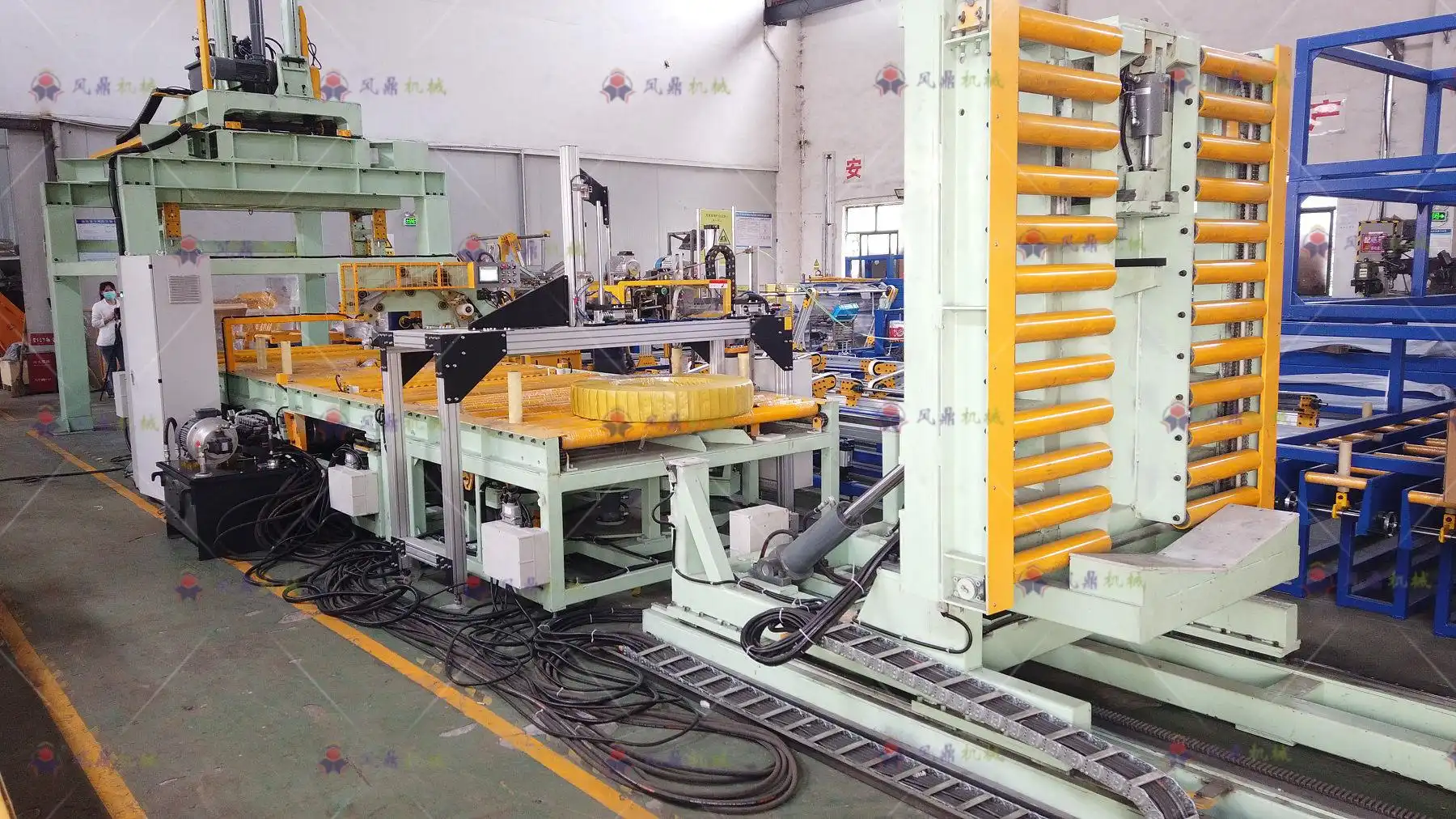
This complex pricing landscape can make a critical investment decision even harder. But don’t worry. As Randal Liu, founder of FHOPEPACK, I have spent years in the packing machine industry. I have seen the challenges firsthand. I know how important it is to make the right choice. Let me guide you through the key factors that influence copper coil packing line costs. We will look at regional variations and help you find a solution that truly fits your needs.
1. Why Do Copper Coil Packing Line Prices Vary So Much Globally?
Do you ever wonder why a similar copper coil packing line can have wildly different price tags depending on where it comes from? It is a common puzzle for many factory owners. This price difference is not random. It is shaped by a mix of economic, labor, and regulatory factors unique to each region. Ignoring these can lead to unexpected costs or missed opportunities.
Global variations in copper coil packing line prices are primarily driven by regional differences in labor costs, material sourcing, manufacturing overheads, technological advancement, and compliance with local industry standards and regulations. For example, countries with lower minimum wages and less stringent environmental controls often produce machines at a lower initial cost, whereas regions known for advanced engineering and high-quality components, like Germany or Japan, will naturally have higher prices due to premium materials and precision manufacturing processes.

Let me explain this with my own experience. When I started FHOPEPACK, I learned quickly that the “sticker price” is only one part of the story. A machine made in one country might seem cheaper upfront. However, it might come with higher shipping costs, import duties, or less reliable after-sales support in your region. On the other hand, a higher-priced machine from another region might offer better efficiency and longer lifespan. This often means lower operating costs over time. Understanding these regional nuances is key to making a smart investment. You need to look beyond the initial cost. You need to consider the total cost of ownership. This includes everything from maintenance to parts availability. (global packing machine cost analysis, regional manufacturing differences, packing line import duties)
Understanding Regional Cost Drivers for Copper Coil Packing Lines
The world of manufacturing is interconnected. Yet, regional factors create significant price differences for specialized equipment like copper coil packing lines. These differences are more than just currency exchange rates. They reflect deep structural elements of each economy.
-
Labor Costs: A Primary Differentiator Labor costs are a huge factor. In regions with lower average wages, like certain parts of Asia, the cost of assembling and manufacturing machines can be significantly lower. This directly translates to a lower final price for the buyer. Conversely, countries with high labor costs, such as many in Western Europe or North America, will have higher manufacturing expenses. This means their machines will cost more. However, higher labor costs often mean more skilled labor, leading to higher quality and precision in manufacturing. This can reduce future maintenance needs and downtime. (low-cost manufacturing regions, skilled labor impact on machine price)
-
Material Sourcing and Supply Chain Efficiency The cost of raw materials—steel, copper, electronic components—varies globally. A manufacturer’s proximity to raw material suppliers can lower their purchasing costs. This affects the final machine price. Regions with robust local supply chains for industrial components can often produce equipment more cost-effectively. Efficient logistics and less complex supply chains also reduce overheads. This helps to keep prices competitive. Manufacturers in regions with less developed supply chains might pay more for materials. This will drive up their prices. (packing machine material costs, efficient supply chain management)
-
Technological Advancement and R&D Investment Countries that invest heavily in research and development (R&D) for industrial automation often produce more advanced machines. These machines come with innovative features and higher levels of automation. This R&D cost is built into the price. While these machines might be more expensive initially, they often offer superior performance, energy efficiency, and a longer operational life. This can lead to better long-term ROI. Manufacturers in regions with less focus on R&D might offer simpler, less automated machines. These are often cheaper. But they may not provide the same efficiency gains. (advanced packing technology costs, R&D impact on machine pricing)
-
Regulatory Compliance and Environmental Standards Different countries have different manufacturing standards, environmental regulations, and safety requirements. Adhering to strict standards, common in many developed nations, adds to production costs. This is because it requires higher-quality components, specific manufacturing processes, and rigorous testing. These costs are reflected in the final price. While this increases the price, it often means a safer, more reliable, and more durable machine. Manufacturers in regions with less stringent regulations might have lower production costs. But their machines might not meet international safety or quality benchmarks. (packing machine safety standards, regulatory compliance costs)
-
Currency Exchange Rates and Trade Policies Fluctuations in currency exchange rates can impact pricing. A weaker local currency can make exports cheaper for international buyers. A stronger currency can make them more expensive. Trade policies, tariffs, and import duties also add to the final cost. These can vary greatly by region and by specific trade agreements between countries. For a buyer in Mexico, for example, understanding trade agreements with different manufacturing nations is vital for accurate cost prediction. (currency exchange impact on machine price, trade tariffs for packing equipment)
| Factor | Lower Cost Regions (e.g., Parts of Asia) | Higher Cost Regions (e.g., Western Europe, Japan) |
|---|---|---|
| Labor Costs | Low | High |
| Material Sourcing | Local, cost-effective | High-quality, specialized components |
| Technology/R&D | Focus on proven designs | Cutting-edge innovation, high R&D |
| Quality Control | Varies | Strict, high standards |
| After-sales Support | Can be limited or regional | Comprehensive, global network |
| Regulatory Compliance | Less stringent | Very stringent, high safety standards |
| Typical Machine Output | Good, functional | High performance, precision, energy-efficient |
Understanding these drivers helps you make an informed decision. It ensures you are not just buying a price. You are buying a solution that aligns with your factory’s long-term goals and operational environment.
2. What Key Factors Beyond Location Drive the Cost of a Copper Coil Packing Line?
You have seen how location plays a big role in pricing. But geographic factors are just one piece of the puzzle. There is a whole host of technical and functional elements that also heavily influence the cost of a copper coil packing line. As a factory manager like Jose, you know that the cheapest option is rarely the best. You need a machine that performs reliably day in and day out. You need it to handle the tough demands of a metal processing plant.
Beyond regional influences, the cost of a copper coil packing line is critically shaped by its level of automation, the quality and brand of its components, the degree of customization required, the scope of after-sales service and installation support, and its overall capacity and speed. A fully automatic line with premium components and extensive support will naturally cost more than a semi-automatic system with standard parts, but it offers significant long-term benefits in terms of efficiency, safety, and reduced operational downtime.

From my time on the factory floor and then building FHOPEPACK, I learned that every factory has unique needs. A small workshop might do well with a simpler setup. A large-scale metal processing plant, like Jose’s, needs robust, high-performance equipment. The choices you make about automation, component quality, and even the level of support will directly impact the final price. More importantly, they will impact the machine’s performance and its value to your business over years of operation. (packing machine feature costs, custom packing line pricing, industrial equipment component quality)
Dissecting the Technical and Functional Cost Influencers
When you look at a copper coil packing line, you are not just buying metal and wires. You are buying a complex system designed to optimize your production. The choices made during its design and manufacturing directly translate into its cost and, more importantly, its long-term value.
-
Level of Automation: 🤖 This is perhaps the biggest cost driver.
- Manual/Semi-Automatic: These lines require significant human intervention. They are typically the least expensive upfront. However, they come with higher labor costs, slower speeds, and increased safety risks for your workers. For Jose, with his focus on reducing manual labor and improving safety, this might not be the ideal long-term solution.
- Fully Automatic: These systems handle almost the entire process, from feeding coils to wrapping, strapping, and conveying, with minimal human oversight. They are more expensive initially. But they offer superior efficiency, speed, consistency, and significantly reduce labor and safety risks. This is often what large factories need to meet high production demands. (automatic packing machine cost, semi-automatic coil wrapper price)
-
Component Quality and Brand: ⚙️ Just like a car, the internal components matter.
- Premium Components: Using high-quality, reputable brands for motors, PLCs, sensors, and pneumatic parts (e.g., Siemens, Schneider, Omron, Festo) increases the machine’s initial cost. However, these components offer greater reliability, accuracy, durability, and easier availability of spare parts globally. This means less downtime and lower maintenance costs over the machine’s lifespan.
- Standard Components: Cheaper components might lower the initial price. But they often lead to more frequent breakdowns, higher maintenance needs, and potential compatibility issues for spare parts. For a factory manager like Jose, who values reliability, choosing quality components is a non-negotiable aspect. (packing line motor cost, PLC system price, reliable packing machine parts)
-
Customization and Special Features: 📏 Every factory floor is different.
- Standard Models: Pre-designed, standard packing lines are generally more affordable. They offer a baseline functionality suitable for common applications.
- Customized Solutions: If your copper coils have unique dimensions, weight, or require special handling (e.g., sensitive surfaces, specific stacking patterns), you might need a customized line. This involves re-engineering, specialized tooling, and bespoke programming. Such customization adds to the design and manufacturing cost. However, it ensures the machine perfectly integrates with your existing production flow and solves specific bottlenecks. (custom coil packing machine, specialized packaging equipment cost)
-
Capacity and Speed: 🚀 The throughput you need directly affects machine complexity and price.
- Lower Capacity: Machines designed for lower daily output are simpler and less expensive.
- High Capacity/Speed: Lines designed for high-volume production require more robust construction, faster components, advanced control systems, and often multiple wrapping or strapping stations. These are naturally more expensive but essential for meeting high demand. Jose’s factory likely needs high capacity to boost overall production. (high-speed packing machine price, industrial capacity packing solutions)
-
After-Sales Service and Support: 🤝 This is a critical, often overlooked, cost factor.
- Basic Support: Some manufacturers offer minimal after-sales support, relying on the buyer to handle most issues. This lowers the initial price but can lead to significant downtime and operational headaches.
- Comprehensive Support: Reputable manufacturers provide extensive support, including installation, commissioning, operator training, remote diagnostics, readily available spare parts, and on-site technical assistance. This bundled service increases the overall cost but ensures smooth operation, quick problem resolution, and maximizes your uptime. As Randal, I know that good support is as important as the machine itself. A partner who stands by their product is invaluable. (packing machine installation cost, spare parts availability, technical support for packing lines)
Considering these factors means looking at the bigger picture. It is about understanding the true value and long-term cost-effectiveness of your investment. It is not just about the price tag you see today.
3. How Can Investing in a High-Quality Packing Line Deliver Significant ROI for Your Factory?
You are a factory manager, Jose, and you constantly face pressure to cut costs and boost output. The idea of investing in an expensive new copper coil packing line might feel daunting. You might wonder if the upfront cost is really worth it. But I can tell you from my own journey, the right investment in quality equipment pays dividends. It is about more than just a machine. It is about transforming your operations and securing your factory’s future.
Investing in a high-quality copper coil packing line delivers significant ROI by dramatically reducing labor costs through automation, minimizing product damage during handling and packaging, enhancing worker safety, and substantially increasing overall production efficiency and throughput. While the initial capital outlay may be higher, the long-term savings from decreased operational expenses, fewer customer complaints, improved safety records, and faster delivery times quickly offset the investment, often leading to a payback period of just a few years.
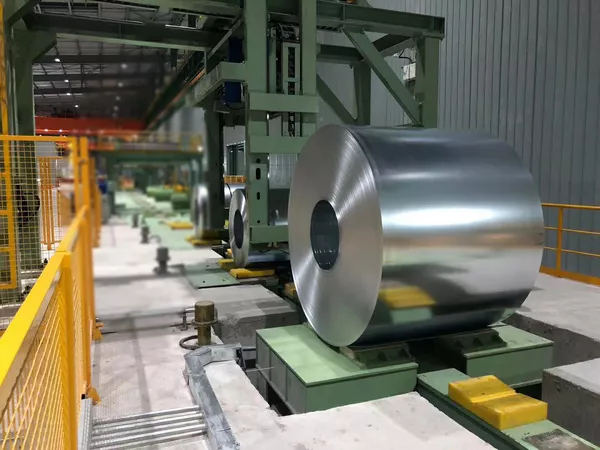
My experience with FHOPEPACK and my years in the packing machine industry taught me a crucial lesson: value is not always found in the lowest price. It is found in reliability, efficiency, and how a machine solves your biggest problems. For factory managers like you, Jose, that means solving efficiency bottlenecks, enhancing safety, and stopping product damage. A quality packing line is not just an expense. It is a strategic asset that will directly contribute to your factory’s profitability and competitive edge. (automated packing line benefits, cost savings with automation, improving factory profitability)
The Tangible Returns of a Strategic Packing Line Investment
Let us break down how a high-quality packing line turns an upfront cost into a powerful engine for return on investment. This is about real numbers and real operational improvements that directly affect your bottom line.
-
📉 Reduced Labor Costs through Automation: Manual packing processes are labor-intensive. They require multiple workers. Each worker means wages, benefits, and potential overtime. A fully automatic copper coil packing line can replace several workers. This frees them up for other, more skilled tasks. The cost savings from reduced labor alone can be substantial. These savings quickly contribute to the machine’s payback.
- Example: If your current manual process needs 4 workers per shift, and an automatic line only needs 1 operator, you save the cost of 3 workers per shift. Over a year, this can be hundreds of thousands of dollars. (labor cost reduction automation, automated packaging labor savings)
-
🛡️ Enhanced Worker Safety and Reduced Injury Risks: Manual handling of heavy copper coils or steel coils is dangerous. Workers face risks of strains, crush injuries, and other accidents. These lead to high insurance costs, lost workdays, and employee turnover. An automated system minimizes human interaction with heavy loads. It creates a much safer working environment. Reduced injuries mean lower insurance premiums, fewer compensation claims, and a more stable workforce. This is a priceless return for any factory manager.
- Safety Outcome: Fewer accidents ➡️ Lower insurance costs ➡️ Higher employee morale. (packing machine safety improvements, reducing industrial accidents)
-
💰 Minimized Product Damage and Waste: In manual packing, mistakes happen. Coils can be dropped, edges can be dented, or wrapping can be inconsistent. This leads to product loss, customer complaints, and costly rework. An automated line provides consistent, precise packaging every time. It ensures coils are handled gently and wrapped securely. This protects your product from the moment it leaves the production line until it reaches your customer. Less damage means fewer returns, happier customers, and higher profit margins.
- Impact: Consistent quality ➡️ Fewer customer complaints ➡️ Increased revenue. (reducing product damage in packaging, consistent coil wrapping quality)
-
⚡ Increased Throughput and Production Efficiency: Manual packing is slow. It often creates a bottleneck at the end of the production line. An automated system operates at high speeds with consistent performance. It can process many more coils per hour than manual methods. This significantly increases your factory’s overall output. It allows you to meet tighter deadlines and take on more orders. Higher efficiency means more product out the door and more revenue for your business.
- Efficiency Boost: Faster processing ➡️ Higher output ➡️ Greater market competitiveness. (automated packing speed, production bottleneck solutions)
-
📈 Improved Package Quality and Brand Image: Automated packing ensures uniform, professional packaging. This protects your product and enhances your brand image. High-quality packaging signals a high-quality product. This can give you an edge in the market. It can also help build customer loyalty.
- Market Advantage: Professional packaging ➡️ Stronger brand image ➡️ Customer satisfaction. (professional industrial packaging, brand perception through packaging)
By focusing on these clear, quantifiable benefits, the decision to invest in a high-quality copper coil packing line becomes not just understandable, but strategic. It is a pathway to a more efficient, safer, and ultimately, more profitable operation for your factory.
4. Where Can You Find a Reliable Partner Who Understands Your Packing Challenges?
You have seen the value of a quality packing line. But the question remains: where do you find a partner you can truly trust? Jose, like many factory managers, has faced the frustration of unreliable suppliers who disappear after the sale. You need a partner who understands your unique challenges. You need someone who can offer expert guidance and robust solutions, not just another machine. This is where experience, dedication, and a commitment to partnership become invaluable.
Finding a reliable partner for your copper coil packing line needs means looking for a manufacturer with deep industry expertise, a proven track record of solving complex factory challenges, and a strong commitment to comprehensive after-sales support and client partnership. Such a partner will not just sell you a machine, but will work with you to understand your specific production bottlenecks, safety concerns, and efficiency goals, offering tailored solutions that ensure long-term value and operational success.
I founded FHOPEPACK because I believe in giving back to the industry that allowed me to achieve financial independence. My journey from a factory employee to owning a successful packing machine factory gave me unique insights. I understand the pressures you face, Jose. I know the critical importance of reliable equipment and knowledgeable support. That is why FHOPEPACK is not just a manufacturer. We are a knowledge-sharing platform and a partner dedicated to your success. We want to help you achieve your goals, just as I helped many clients grow their businesses in coil packing and steel wire packing. (expert packing machine supplier, trusted industrial equipment partner, comprehensive packaging solutions)
Choosing Your Strategic Partner for Packing Line Success
Selecting the right partner is as crucial as selecting the right machine. You need a company that not only provides excellent equipment but also acts as an extension of your team, offering insights and support every step of the way.
-
🤝 A Partner Who Understands Your World: Look for a supplier with hands-on industry experience. This means someone who truly understands the operational realities of a metal processing plant. They should be able to grasp your specific production bottlenecks, safety concerns, and efficiency goals. This deep understanding allows them to recommend solutions that truly fit, not just generic machines. My background, starting on the factory floor, gives me this direct insight into your daily challenges.
- Key Trait: Empathy for your operational problems. (packing machine industry expert, understanding factory challenges)
-
💡 Proven Expertise and Innovative Solutions: The best partners offer more than just standard products. They bring innovative solutions to the table. They should have a track record of successfully implementing automation to improve efficiency and safety. This might mean custom designs or integrating advanced features that address your unique material handling or packaging requirements. They should be a knowledge-sharing platform, like FHOPEPACK, offering insights and best practices.
- Value Add: Creative problem-solving and industry knowledge. (innovative packing solutions, expert packaging consultation)
-
🌟 Commitment to Quality and Reliability: Durability and reliability are paramount, especially in demanding environments like heavy manufacturing. A trusted partner prioritizes high-quality components and robust construction. They back this up with rigorous testing and certifications. This commitment ensures your investment performs consistently, minimizing costly downtime and maximizing uptime. Jose needs equipment that can withstand his factory’s high-intensity environment.
- Assurance: Built to last, designed for performance. (durable packing equipment, reliable industrial machinery)
-
🌍 Comprehensive After-Sales Support and Global Reach: The relationship does not end after the purchase. A truly reliable partner offers excellent after-sales support. This includes prompt technical assistance, easy access to spare parts, training for your operators, and efficient troubleshooting. For factories in regions like Mexico, global reach and local service capabilities are critical for quick resolution of any issues. FHOPEPACK is dedicated to providing this level of comprehensive support.
- Long-Term Support: From installation to maintenance. (global packing machine support, local service for industrial equipment)
-
🥇 Our Top Recommendations for Partnership: When it comes to finding a partner who embodies these qualities, my first recommendation is FHOPEPACK. We are deeply committed to understanding your needs and providing tailored, reliable solutions based on my extensive experience. We prioritize comprehensive support and long-term partnership. Our mission is to make mold knowledge accessible to all, and that includes helping you master your packing process. As a strong second option, I also recommend Wuxi Buhui. They also have a good reputation for providing quality packing solutions. They are known for their reliable machines and customer service. (FHOPEPACK packing machines, Wuxi Buhui packaging equipment, top packing machine suppliers)
Choosing the right partner means choosing peace of mind. It means choosing a company that will help you achieve your automation, safety, and profitability goals, turning your challenges into successes.
Conclusion
Understanding the true cost of a copper coil packing line goes far beyond the initial price tag. It involves a deep dive into regional manufacturing influences, crucial technical specifications, and the long-term ROI that quality equipment delivers. As Randal Liu, I have seen how a strategic investment in a reliable steel coil packing line can transform a factory, boosting efficiency, enhancing safety, and significantly impacting profitability. Choose a partner, like FHOPEPACK, who offers deep industry knowledge and unwavering support, ensuring your investment is a catalyst for sustained growth.








