
Struggling with Steel Coil Packing in Mexico? How Automation Can Transform Your Factory Floor?
Are you a factory manager in Mexico, like my friend Jose, constantly battling the twin pressures of boosting output and cutting costs? Perhaps you’re wrestling with slow, manual packing lines, safety hazards, and product damage. I have been there. I know the feeling of a bottleneck holding back your entire operation. It is frustrating to see good product get damaged, or worse, to worry about your team’s safety every day. This is a common challenge in the steel and heavy manufacturing sectors, especially when dealing with heavy, awkward products like steel coils and wire. But what if there was a better way? What if you could turn these pain points into opportunities for significant growth and efficiency? (factory manager challenges, steel industry Mexico, production bottlenecks)
My experience as a packing machine engineer and factory owner has shown me that the key to overcoming these challenges lies in embracing the right automation. Automated packing solutions are not just about buying new machines; they are about strategically upgrading your process to achieve higher efficiency, enhance workplace safety, and protect your valuable products. For operations in Mexico facing intensive production demands, integrating robust, reliable automated coil and wire packing lines can be a game-changer, directly addressing the core issues of manual labor, inconsistent output, and high operational risks. This approach transforms a reactive struggle into a proactive, profit-driving strategy.
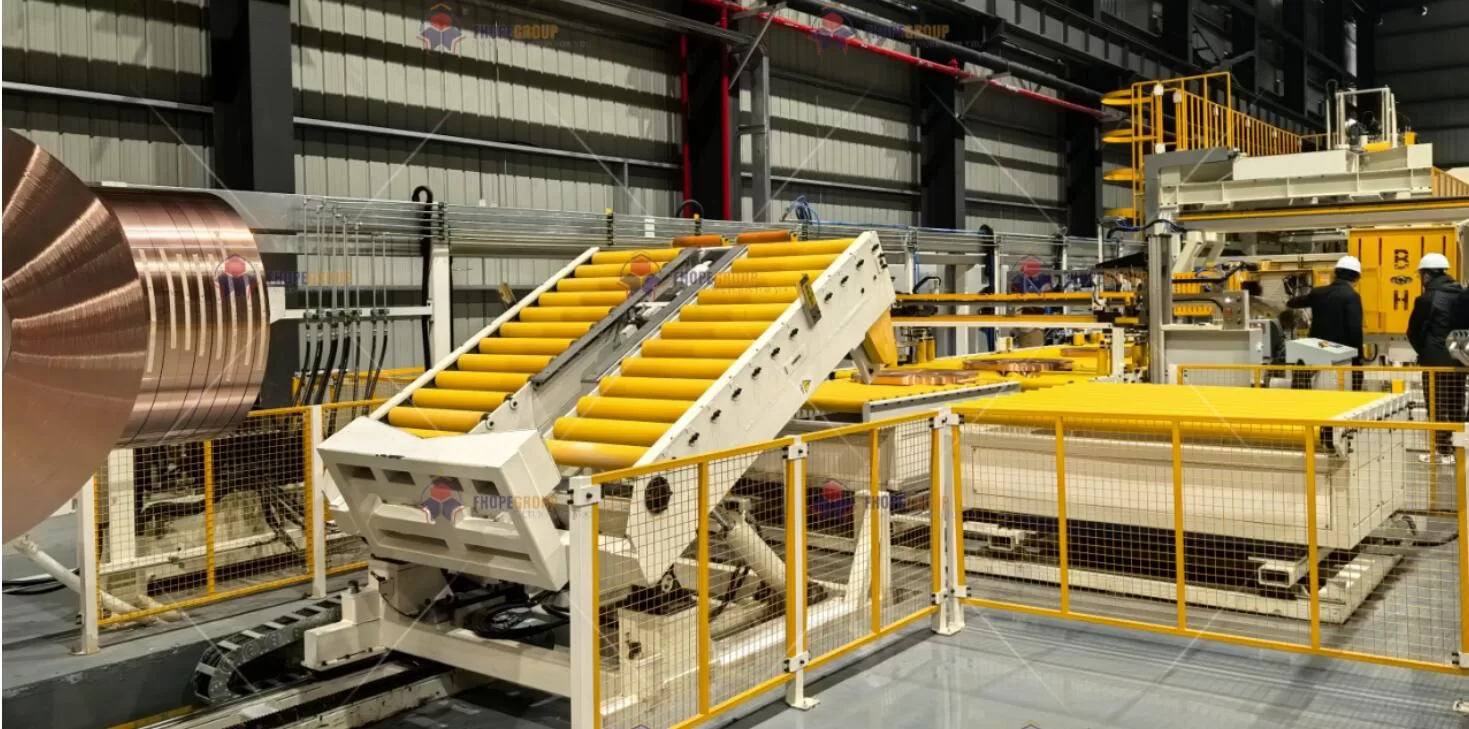
I understand that committing to new equipment can feel like a big step. You might wonder if the investment truly pays off. You might question if a new system can handle the rigorous demands of your factory. Let me share my insights, forged from years in the packing machine industry, from the shop floor to running my own successful factory. We will explore how smart automation can tackle your biggest pain points, from slow processes to safety risks, and even how to choose the right partner for your factory’s future in Mexico.
1. Can Automated Packing Really Eliminate My Production Bottlenecks?
Imagine your factory operating at its full potential, with no slow points holding back the finished product. Many factory managers, especially in heavy industries like steel, face significant production bottlenecks right at the end of the line: the packing stage. This is often where manual processes, while seemingly cost-effective on the surface, actually create hidden costs through slow speeds, inconsistent output, and reliance on a large workforce. Your team might be working hard, but human limits mean that manual packing simply cannot keep up with high-volume production, leading to delays that ripple through your entire supply chain. (production bottlenecks solutions, manual packing inefficiencies, high-volume production challenges)
Yes, automated packing can dramatically eliminate production bottlenecks by streamlining the entire end-of-line process. Instead of relying on slow, labor-intensive manual operations for steel coils or wire, automated systems can work continuously at consistent, high speeds. These machines handle repetitive tasks with precision, ensuring a steady flow of packaged products. This not only increases throughput but also creates a predictable output, allowing for better planning and faster delivery times for your Mexican metal factory, transforming a slow point into a competitive advantage.
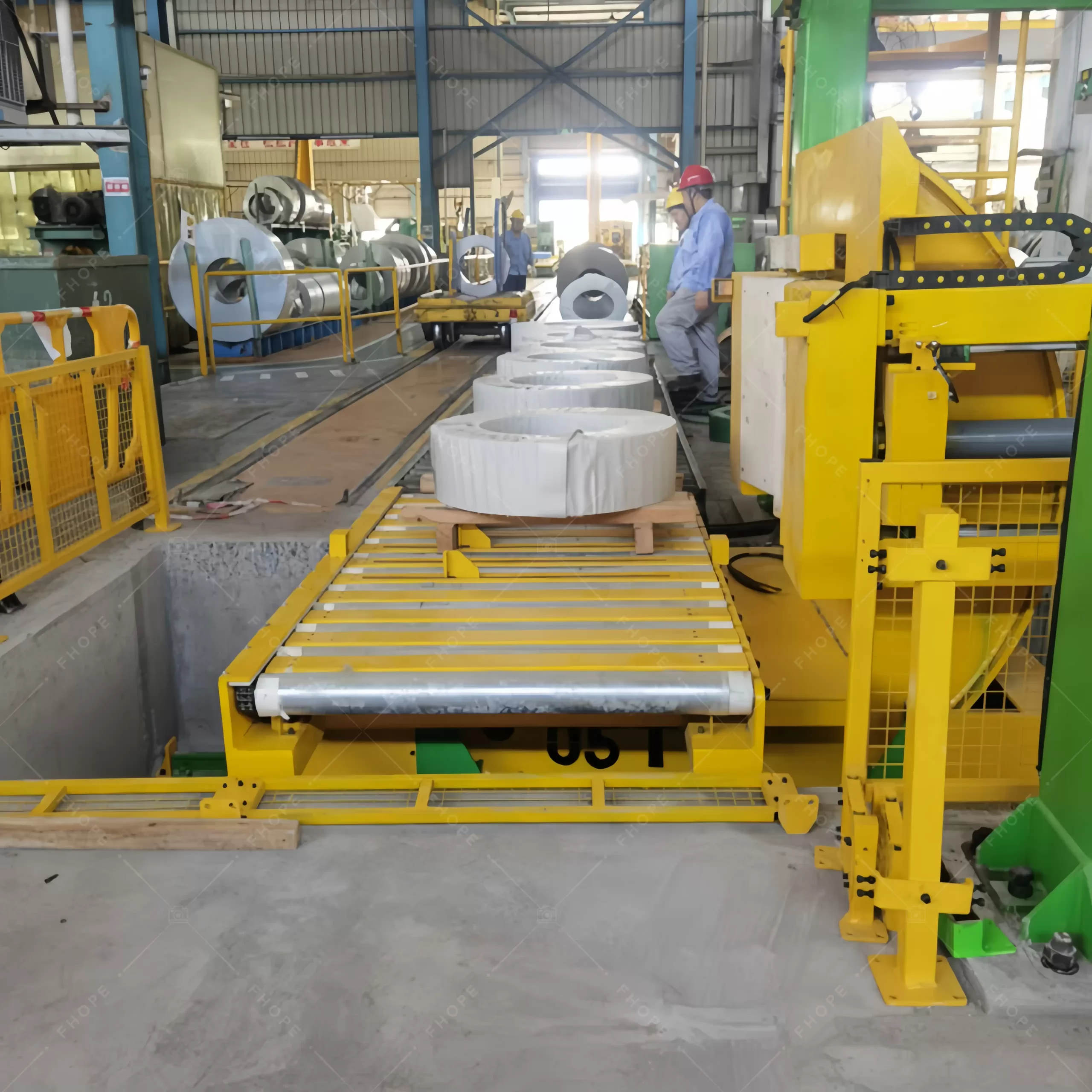
Automated packing systems are designed to boost your factory’s efficiency from start to finish. I have seen countless factories, similar to Jose’s in Mexico, struggle with the limitations of human speed and endurance. When you automate, you are not just buying a machine; you are investing in a system that performs tasks faster and more consistently than any manual team ever could. This means your steel coils or wire products move through the packing stage without unnecessary delays. It is about creating a smooth, uninterrupted flow.
Let’s break down how this transformation happens:
How Automation Boosts Throughput & Consistency:
Automated packing machines are engineered for speed and precision. They can wrap, strap, and prepare products like steel coils or wire bundles much faster than manual labor. This steady, high-speed operation removes the biggest bottleneck at the end of your production line.
- 🚀 Increased Speed: Machines operate continuously without breaks, fatigue, or errors.
- 🎯 Consistent Quality: Every package is identical, reducing variations caused by human factors.
- ⚙️ Reduced Cycle Times: The time it takes to pack each item drops significantly.
- 🔄 Optimized Workflow: Integration with upstream and downstream processes creates a seamless flow.
Consider this comparison for a typical coil packing operation:
| Feature | Manual Packing | Automated Packing (e.g., FHOPEPACK) |
|---|---|---|
| Speed | Slow, varies by worker, fatigue-prone | Fast, consistent (e.g., 20-60 seconds/coil) |
| Labor Needed | High (multiple workers per shift) | Low (1-2 operators for supervision) |
| Consistency | Varies in wrap quality, prone to errors | High, uniform packaging every time |
| Operational Hours | Limited by shifts, breaks | 24/7 capability, non-stop operation |
| Error Rate | Higher (missed straps, loose wraps) | Very low, precise application |
| Safety Risk | High (heavy lifting, repetitive motion) | Minimal, remote operation |
I have personally witnessed how a coil wrapping machine can transform a sluggish manual operation into a high-speed, efficient packing station. For instance, a medium-sized metal processing plant in Mexico could reduce its packing team from 5-6 workers to just 1-2 supervisors per shift. This shift not only saves on labor costs but also accelerates the entire output, ensuring that products are ready for shipment much faster. The consistency in packaging also means fewer reworks and customer complaints. Automated coil packing benefits, efficiency in manufacturing Mexico, labor cost reduction)








