
Coil Wrapping Machine vs Shrink Wrap: Which Protects Better in Uruguay?
Protecting your valuable metal products is a constant challenge. You invest heavily in raw materials and manufacturing. The last thing you want is for your finished coils or wire to arrive damaged or corroded, especially when shipping to demanding environments like Uruguay. This problem can lead to customer complaints, lost profits, and a damaged reputation. It is a worry that keeps many factory managers up at night.
For heavy metal products like steel coils and wire, a coil wrapping machine offers superior protection compared to traditional shrink wrap. It provides a more robust, tightly sealed barrier against physical damage, moisture, and corrosion, essential for harsh transit conditions and long-term storage, especially in regions with varying climates like Uruguay.
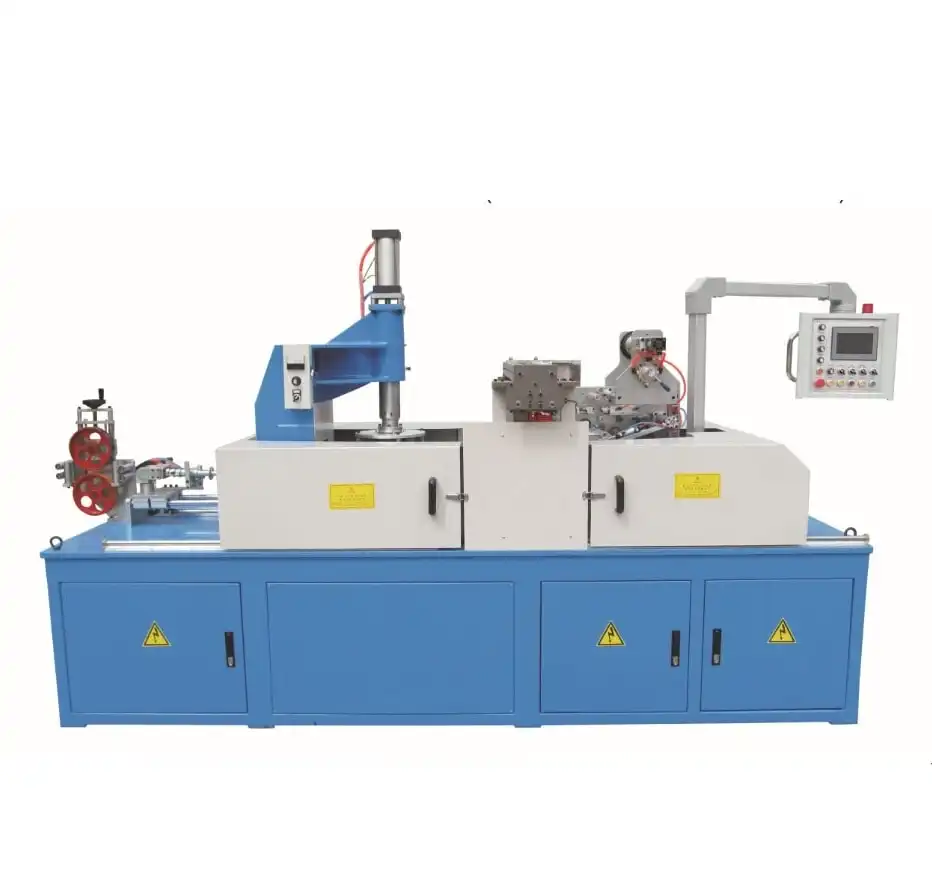
You might be asking which solution makes more sense for your specific operation. Do you really need to upgrade your packing process? As someone who has built a successful packing machine factory from the ground up, I have seen firsthand the difference the right equipment makes. Let’s dig deeper into both options and see which truly stands up to the demands of the modern metal industry.
1. What Challenges Do Metal Products Face in Transit and Storage?
You work hard to produce high-quality steel coils or wire. But once these products leave your production line, they face a gauntlet of potential threats. Imagine your valuable cargo making its way to Uruguay. It faces diverse environmental conditions and handling processes. These challenges directly impact your bottom line and customer satisfaction.
Metal products, especially coils and wire, are vulnerable to several key threats during transit and storage. These include corrosion from moisture and humidity, physical damage from impacts and abrasion, contamination from dust and dirt, and UV degradation during outdoor storage. Failing to address these can lead to significant product loss and customer dissatisfaction.
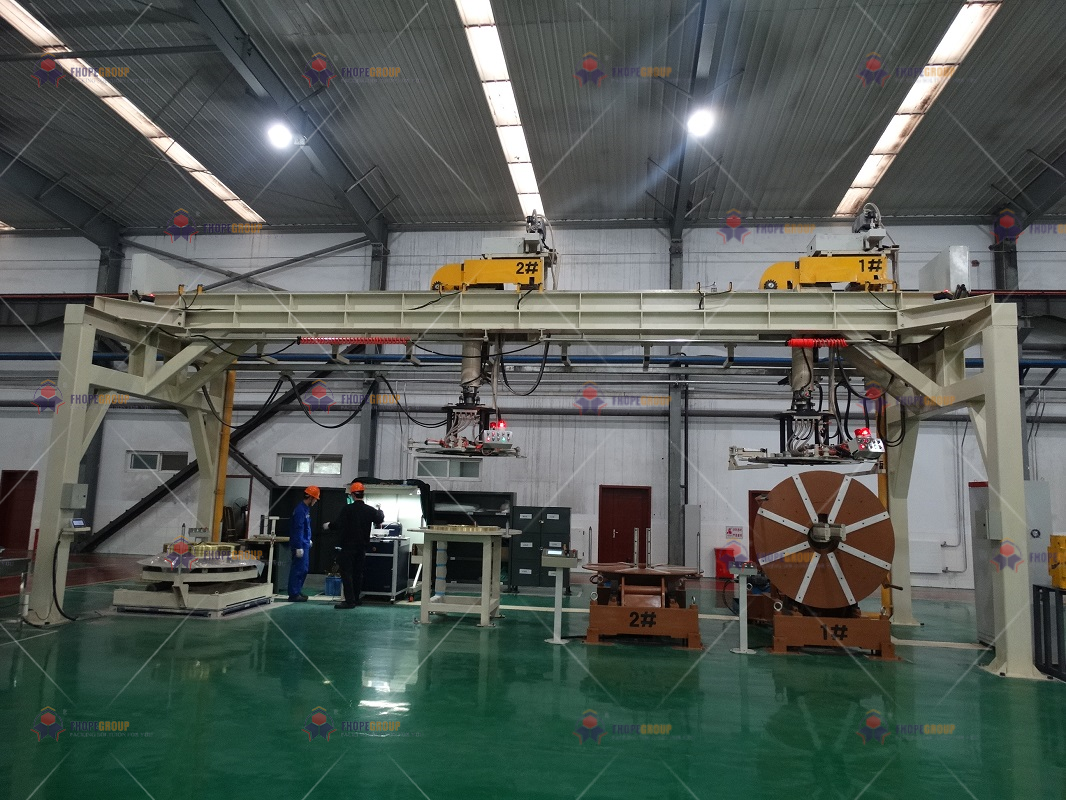
Let me explain the specific problems these challenges create for your business. When I started as an employee in a packing machine factory, I saw how easily products could get damaged. This led to a lot of rework and unhappy clients. Later, running my own factory, I made sure we understood these risks fully.
A. The Threat of Corrosion and Moisture
- Humidity: Environments like Uruguay, with coastal areas and varying weather, often have high humidity. This humidity is a silent killer for metal products. Moisture in the air reacts with steel, leading to rust. Rust degrades the product’s quality and appearance.
- Condensation: Temperature changes during transit can cause condensation inside packaging. This trapped moisture acts as a catalyst for corrosion, even if the exterior of the package seems dry.
- Salt Air: If your products are shipped by sea or stored near coastal regions, salt in the air significantly accelerates corrosion. Standard packaging often cannot withstand this aggressive environment.
B. Physical Damage and Handling Risks
- Impacts: Heavy coils are moved using cranes, forklifts, and other machinery. These operations carry a risk of accidental impacts or drops. Edges can dent, surfaces can scratch, and the coil’s integrity can be compromised. This is a big concern for managers like Michael, who want to reduce product loss.
- Abrasion: During transit, coils can shift and rub against each other or the vehicle’s interior. This friction can wear down the product’s surface or packaging, exposing it to further damage.
- Storage Issues: Even in storage, coils can be stacked. Improper packaging can lead to crushing or deforming lower coils, especially if the packaging does not offer structural support. Manual handling of heavy products also creates significant safety risks for workers. I’ve heard countless stories of injuries from trying to move or secure heavy items without proper equipment.
C. Contamination and UV Exposure
- Dust and Dirt: Factory environments are rarely pristine. Dust, oil, and other contaminants can settle on products. If not properly sealed, these particles can get inside the packaging.
- UV Radiation: If products are stored outdoors, even for short periods, direct sunlight can degrade some packaging materials. UV rays can also affect the surface of certain metals or coatings.
Understanding these challenges is the first step toward choosing the right protection. It is about more than just wrapping something up. It is about creating a barrier that withstands real-world conditions. My experience taught me that anticipating these issues is key to avoiding costly mistakes later.
2. How Does a Coil Wrapping Machine Protect Your Products?
When we talk about protecting heavy metal products like coils and wire, a coil wrapping machine enters the conversation as a serious contender. It offers a level of robustness and efficiency that manual methods or less specialized equipment often cannot match. My goal at FHOPEPACK is to share knowledge that genuinely helps businesses. From my time building a packing machine factory, I know the value of reliable, effective solutions.
A coil wrapping machine protects your products by applying multiple layers of stretch film tightly around the coil, creating a strong, uniform, and water-resistant barrier. This automated process minimizes manual handling, reduces the risk of physical damage and corrosion, and ensures consistent package quality. It is specifically designed for the unique demands of heavy, industrial goods.
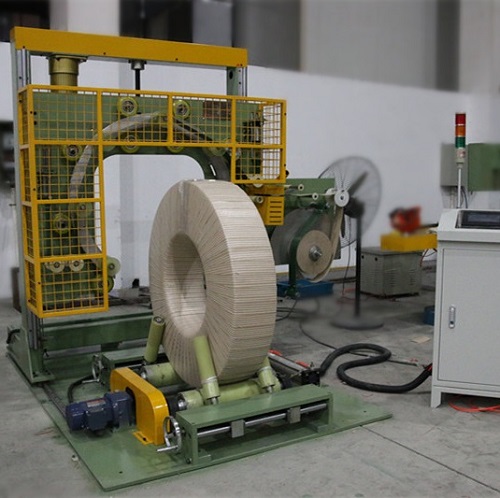
Let me explain exactly how this technology works to your advantage. This is not just about putting plastic around a coil. It is about engineered protection.
A. Superior Physical Protection
- Multi-Layered Film: Coil wrapping machines use specialized stretch film. They apply many layers of this film under tension. This creates a thick, durable skin around the coil. This skin acts as a shock absorber. It protects against impacts and abrasions that can happen during handling or transport.
- Tight Compression: The machine applies the film with significant force, compressing the coil. This compression holds the coil’s turns together firmly. It prevents shifting and loosening, which can cause internal damage or deformation. For managers like Michael, reducing product loss is a major goal. This tight wrap directly addresses that.
- Edge Protection: The wrapping process can include specific patterns or additional reinforcements for the coil edges. Edges are often the most vulnerable parts. Protecting them reduces the chance of nicks or dents that can lead to customer rejections.
B. Excellent Moisture and Corrosion Barrier
- Air-Tight Seal: When done correctly, coil wrapping creates a virtually air-tight seal around the product. This prevents moisture and humidity from reaching the metal surface. This is critical for preventing rust and corrosion, especially when shipping to places like Uruguay with its humid climate.
- Water Resistance: The multiple layers of stretch film are inherently water-resistant. This protects the coil from rain, splashes, or condensation during transit and outdoor storage. The film itself often has UV inhibitors to prevent degradation from sunlight.
- Desiccants & VCI Integration: For even higher levels of corrosion protection, vapor corrosion inhibitor (VCI) films or desiccants can be incorporated into the wrapping process. The coil wrapper creates an ideal environment to maximize the effectiveness of these additional protective measures.
C. Operational Efficiency and Safety Advantages
- Automation: Coil wrapping machines are highly automated. This means less reliance on manual labor for a strenuous, repetitive task. Automation leads to faster packing cycles and a more consistent output. For Michael, who is looking to automate and address efficiency bottlenecks, this is a huge benefit.
- Worker Safety: Manually wrapping heavy, awkward coils is dangerous. Workers risk strain, back injuries, or being crushed. An automated coil wrapper removes this risk. It allows workers to operate the machine from a safe distance. This directly addresses Michael’s concern about high injury rates and insurance costs.
- Cost Savings: While the initial investment is higher, the long-term savings are significant. Reduced labor costs, less product damage, and faster throughput contribute to a strong return on investment (ROI). I have seen many clients achieve financial independence by optimizing their operations with such equipment.
To summarize, a coil wrapping machine is designed for the heavy-duty demands of metal product packaging. It offers a comprehensive solution for protection, efficiency, and safety.
3. Where Does Shrink Wrap Stand in Protecting Heavy Coils?
Shrink wrap is a common packaging method. It often comes to mind for various products. However, when we talk about the heavy, industrial nature of steel coils and wire, especially for demanding journeys to places like Uruguay, we need to look closely at its capabilities and limitations. My experience in the packing machine industry has shown me that not all solutions are created equal. Sometimes, what works for one product simply does not work for another.
Shrink wrap involves applying a plastic film and then using heat to shrink it tightly around a product. While it offers good dust and moisture protection for many items, its ability to protect heavy metal coils from physical impact and severe environmental conditions is significantly limited compared to specialized coil wrapping. It often requires more manual handling and may not provide the robust, multi-layered barrier needed for heavy industrial goods.
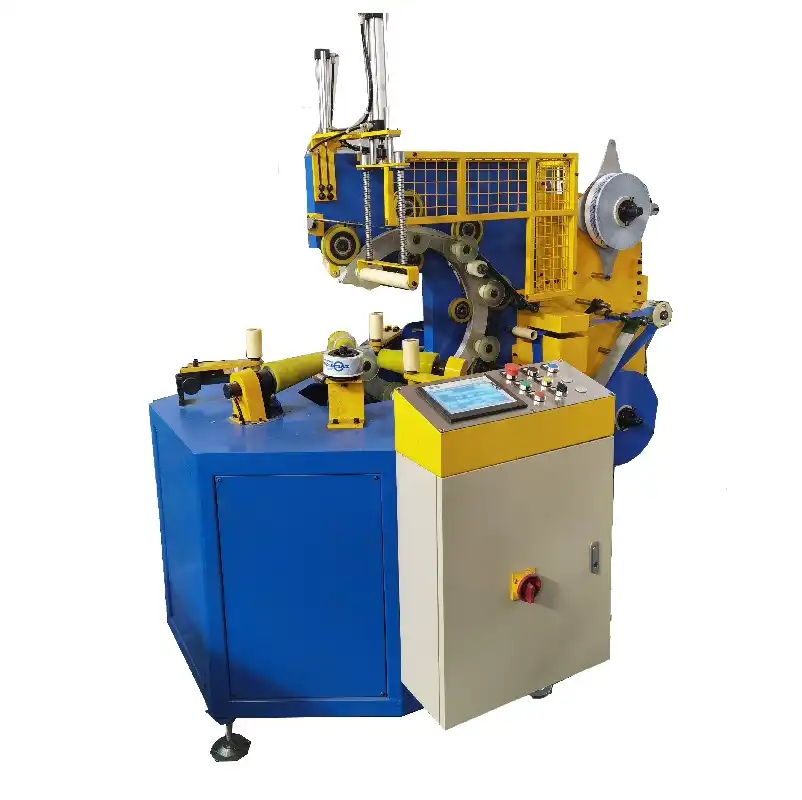
Let’s break down why shrink wrap might not be the best choice for your specific needs, particularly for heavy coils.
A. The Shrink Wrap Process and Its Basic Protection
- Heat Application: Shrink wrap uses a film that, when heated, contracts and conforms tightly to the product’s shape. This creates a snug fit.
- Dust and Moisture Barrier: For many items, shrink wrap provides a good barrier against dust, dirt, and light moisture. It keeps products clean and prevents minor splashes from reaching the surface.
- Visual Appeal: The tight, clear film can make products look neat and professional. It allows for easy identification of the product without opening the package.
B. Limitations for Heavy Industrial Coils
- Limited Impact Protection: This is a major drawback for heavy coils. Shrink film, even thick variants, is generally a single layer. It offers minimal cushioning or resistance against significant physical impacts, drops, or abrasions. If a coil shifts or gets bumped, the film can easily tear or puncture. This leaves the metal exposed.
- Puncture Risk: The film’s relatively thin nature makes it prone to punctures from sharp edges or protrusions on the coil itself, or from external forces during handling. A single tear compromises the entire protective barrier against moisture.
- Manual Application Often Involved: Applying shrink wrap to large, heavy coils often requires significant manual labor. Workers must position the film, apply heat guns or pass the coil through a shrink tunnel. This is inefficient and, more importantly, poses safety risks when handling heavy objects. Michael’s concern about high injury risks is very relevant here.
- Inconsistent Wrap Quality: Manual shrink wrapping can lead to inconsistencies. Some areas might be too loose, others might have holes or weak spots. This lack of uniformity means uneven protection.
- Thermal Stress on Product: The heat applied during the shrinking process might not be suitable for all types of metal or surface treatments. While often negligible, it is a factor to consider for sensitive materials.
- Environmental Concerns: The types of plastics used in shrink wrap can sometimes be less durable than the specialized films used in coil wrapping. They may degrade faster under prolonged UV exposure or extreme temperatures.
While shrink wrap has its place for lighter goods, or products that need basic dust and moisture protection, it falls short when it comes to the rigorous demands of protecting heavy steel coils and wire. It does not provide the robust, multi-layered defense needed to ensure product integrity through tough handling and diverse environmental conditions. It simply cannot offer the same level of physical and environmental security as a dedicated coil wrapping machine.
4. Which Solution Offers Better ROI and Safety for Your Factory?
Choosing the right packing solution is not just about protection. It is also about smart business. You, as a factory manager, are focused on your bottom line. You need to boost output, cut costs, and keep your workers safe. These goals are exactly what a good packing solution should support. From my own journey, running a successful packing machine factory, I have seen how the right investment can truly transform a business. It is about understanding the real costs and benefits beyond the purchase price.
For a medium to large metal processing factory, a coil wrapping machine consistently offers a superior Return on Investment (ROI) and significantly enhances worker safety compared to shrink wrap, especially for heavy coils. Its automated process reduces labor costs, minimizes product damage, and provides reliable, consistent protection, directly addressing efficiency bottlenecks and high injury risks in the long run.

Let’s break down the financial and safety aspects to see which truly delivers on your critical goals.
A. Return on Investment (ROI) Analysis
- Labor Cost Reduction:
- Coil Wrapper: An automated coil wrapping machine drastically reduces the need for manual labor in the packing process. One or two operators can oversee the machine, freeing up several workers for other tasks. Over time, this translates into huge savings on wages, benefits, and training.
- Shrink Wrap: For heavy coils, shrink wrapping often requires multiple workers, especially for positioning the film and applying heat. This ongoing labor cost can quickly erode any initial savings on the equipment.
- Reduced Product Loss and Customer Complaints:
- Coil Wrapper: By providing superior physical and environmental protection, coil wrappers significantly reduce the incidence of damaged or corroded products. This means fewer customer returns, fewer claims, and less material scrap. Michael’s goal of reducing product loss is directly met here, which boosts profitability.
- Shrink Wrap: The higher risk of damage with shrink wrap means more product loss. Each damaged coil represents lost revenue and potential customer dissatisfaction. This hidden cost can be substantial.
- Increased Throughput and Efficiency:
- Coil Wrapper: Automated coil wrappers operate at high speeds, ensuring a consistent and fast packing rate. This eliminates packing bottlenecks at the end of the production line, allowing your factory to process more orders and improve delivery times. Faster production means more sales.
- Shrink Wrap: Manual shrink wrapping is inherently slower and less consistent. It can become a bottleneck, slowing down your entire operation and delaying shipments.
- Lower Insurance and Liability Costs:
- Coil Wrapper: Fewer workplace injuries due to automation lead to lower insurance premiums and fewer legal liabilities related to worker safety.
- Shrink Wrap: Higher manual labor, especially with heavy objects, means a higher risk of accidents. This can lead to increased insurance costs and potential legal issues.








