
How Does Orbital Stretch Wrapper Compare to Strapping in Indonesian Plants?
Are your Indonesian plant’s packing lines struggling to keep up? I have seen this scenario many times. Manual packing methods often create big bottlenecks. They slow down your whole production. This means delayed deliveries and unhappy customers. It also means higher costs for your business. You might be wondering if there is a better way. Today, I want to talk about two common packing methods: orbital stretch wrapping and strapping. We will look at how they perform, especially for plants like yours in Indonesia.
Orbital stretch wrapping often provides superior protection and automation for various shapes compared to traditional strapping, especially in high-volume settings common in Indonesian industrial growth. Strapping is good for securing bundles, but it often leaves products exposed, while orbital wrapping fully encloses items, offering better resistance against dust, moisture, and impact, leading to fewer damaged goods and more efficient operations.

Many factory managers I speak with are just like you. They need to find solutions that truly make a difference. They want to move beyond old ways. This comparison is not just about choosing a machine. It is about choosing a path to better efficiency, higher safety, and real cost savings. Let us dive deeper into these two methods. We will see which one best fits the demands of a busy Indonesian factory.
How Do These Methods Impact Your Plant’s Efficiency and Throughput?
Do your current packing methods slow down your entire production line? Many factories struggle with this. When packing is slow, everything else has to wait. This creates a big headache. It impacts your ability to deliver products on time. It also means you cannot make as much as you could. This directly hurts your profits. You need a packing solution that speeds things up, not holds them back.
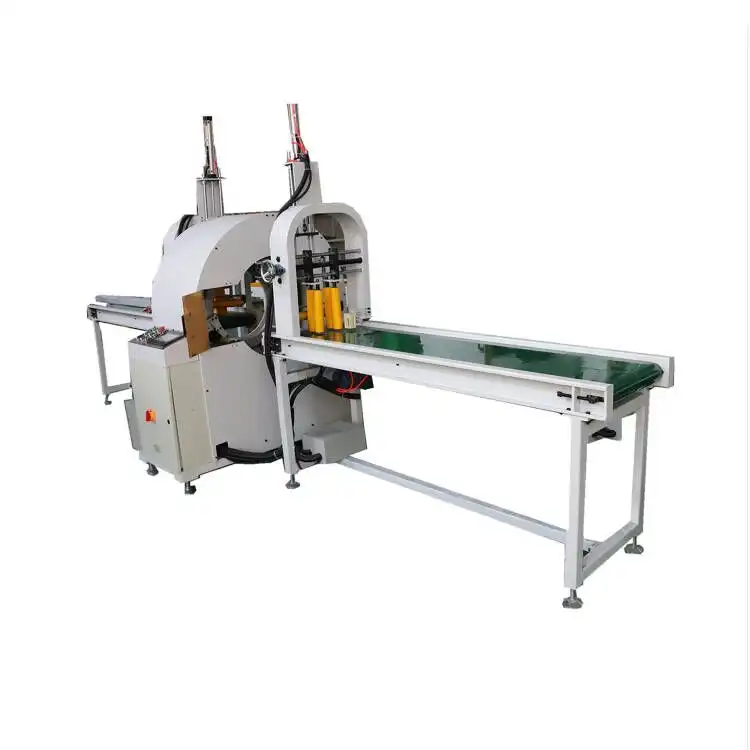
When it comes to efficiency and throughput, orbital stretch wrapping machines generally offer much higher speeds and better automation than traditional strapping methods, especially for bulky or irregularly shaped products like coils or pipes. Strapping often requires more manual intervention and is limited by the number of straps applied per minute, whereas orbital wrappers can continuously encircle products, significantly boosting overall packing capacity for Indonesian plants aiming for higher output.
We are talking about real numbers here. Every minute saved on the packing line adds up. It means more products out the door. It means more revenue for your factory. In my journey, from working on the factory floor to owning my own plant, I saw how much time wasted on packing could cost. That is why choosing the right system is crucial. It is not just about speeding up one small step. It is about improving the flow of your entire operation.
Understanding Throughput for Your Production Line
Throughput is how many units you can process in a given time. For busy plants in Indonesia, maximizing throughput is key. Both orbital wrapping and strapping aim to secure products for transport. However, they achieve this at different speeds and with different levels of automation. Strapping machines can be fast for simple, consistent items. They apply straps around a package. This method is often semi-automatic or fully automatic. A machine can apply several straps quickly. But, if your products are varied in size or shape, manual adjustments are often needed. This slows things down. For large coils or long pipes, an operator must guide the strapping process. Sometimes, they need to turn the product to apply straps evenly. This adds time and labor. If you handle heavy steel coils, for example, each turn is a slow, careful process. This significantly impacts your overall efficiency.
Orbital stretch wrappers work differently. They are designed for continuous motion. The machine has a ring that spins around the product. It wraps stretch film as the product moves through the center. This process is highly automated. Once set up, it requires minimal human intervention. For products like steel coils or bundles of pipes, this is a game-changer. The machine can wrap them quickly and uniformly. This means your products move faster from the production line to the warehouse or shipping dock. I have seen factories where switching to orbital wrapping cut packing time by half. This is because the machine does the work continuously. It does not stop to re-position or adjust as often as a strapping machine might for complex items. Think about a medium-sized metal processing plant in Indonesia. If they are packaging hundreds of coils daily, even a few seconds saved per coil adds up to hours of increased productivity. This difference is especially clear when products are heavy and difficult for workers to handle manually.
| Feature | Orbital Stretch Wrapper | Strapping Machine |
|---|---|---|
| Automation Level | High, continuous wrapping process, minimal operator input. | Moderate to high, can be semi or fully automatic, but often requires more manual guidance for varied items. |
| Speed | Very high for continuous wrapping, especially for long or circular products. | High for simple, consistent items, but slows down significantly for varied or heavy items needing manual positioning. |
| Product Variation | Handles diverse shapes and sizes well without major adjustments. | Best for consistent, rectangular bundles; struggles with irregular shapes without manual help. |
| Continuous Flow | Designed for uninterrupted packing flow. | Can interrupt flow for re-positioning, especially for large, heavy items. |
| Labor Requirement | Low, mainly for loading/unloading and monitoring. | Moderate, often needs operators for guiding, turning, or adjusting for different product types. |
In my experience, the choice often comes down to your product line. If you have a high volume of heavy, oddly shaped, or long products, orbital wrapping will likely give you a much better efficiency boost. It means fewer stops, fewer human errors, and a faster overall flow. This directly translates to more finished goods leaving your plant every day.
Which Packaging Method Offers Better Product Protection and Reduces Damage?
Do you constantly face customer complaints about damaged goods? This is a common and costly problem. When products like steel coils or metal bars get scratched or dented during transit, it hits your bottom line. It means rework, returns, and a loss of customer trust. Protecting your products is not just an extra step. It is a critical part of your quality control and brand reputation. You need a packing method that truly shields your valuable products.
Orbital stretch wrapping significantly outperforms strapping in providing comprehensive product protection, as it fully encloses items in a multi-layered, tightly secured film that guards against dust, moisture, scratches, and impacts. Strapping, while securing bundles, leaves most surfaces exposed, offering minimal protection against environmental factors and physical damage during handling and transit, making orbital wrapping the superior choice for factories in Indonesia concerned about product integrity.

I know the frustration of dealing with damaged shipments. I have seen how quickly a good reputation can be damaged by a few broken products. When I ran my own factory, ensuring product integrity was always a top priority. It means your customers get what they expect. It also means you avoid costly disputes. This aspect of packing is about more than just aesthetics. It is about safeguarding your investment. Let us look at how these two methods stack up in protecting your goods.
Guarding Against Damage in Transit
Product damage can happen in many ways. It can be from dust and moisture in the warehouse. It can be from impacts during loading onto trucks. Or it can be from shifting during bumpy roads. Strapping primarily focuses on bundling items together. It uses strong plastic or steel bands to hold things in place. This is very effective for keeping a stack of items from falling apart. For example, strapping works well for securing a bundle of steel pipes. It prevents them from moving against each other. However, strapping does not cover the surface of the product. The edges of steel coils, the polished surfaces of metal sheets, or the painted parts of machinery remain exposed. This leaves them vulnerable to scratches, dust, and moisture. In humid climates like Indonesia, moisture exposure can lead to rust or corrosion. This is a major concern for metal products. I have personally seen too many perfectly manufactured coils arrive at their destination with surface rust. This was due to inadequate protection during transport.
Orbital stretch wrapping, on the other hand, fully encapsulates the product. It wraps multiple layers of stretch film around the item. This creates a tight, protective barrier. This barrier does many things. First, it holds the product securely, just like strapping. It prevents movement within the package. Second, and crucially, it protects all exposed surfaces. The film acts as a shield against dust. It keeps out moisture, reducing the risk of rust or water damage. It also provides a degree of impact resistance. Minor bumps or scrapes are absorbed by the film, not the product itself. For delicate edges of coils or finely finished components, this extra layer of protection is invaluable. I once helped a client who was experiencing constant damage to the edges of their galvanized steel coils. They were using strapping. When they switched to an orbital wrapper, their damage complaints dropped by over 80%. The film completely covered the vulnerable edges. This made a huge difference.
| Protection Aspect | Orbital Stretch Wrapper | Strapping Machine |
|---|---|---|
| Surface Coverage | Full, complete enclosure of the product. | Partial, only covers areas where straps are applied; leaves surfaces exposed. |
| Dust & Moisture | Excellent barrier, seals out dust and resists water ingress. | Poor, no barrier; products are exposed to environmental elements. |
| Scratch & Abrasion | Good, multiple layers of film absorb surface friction. | Poor, products can still rub against each other or external surfaces. |
| Impact Resistance | Moderate, film provides some cushioning against minor impacts. | Minimal, straps hold items together but offer no cushioning. |
| Bundle Integrity | Excellent, film holds items tightly and prevents shifting. | Excellent, strong bands secure items effectively. |
| Corrosion Prevention | High, especially with specialized films or if combined with VCI paper. | Low, no direct protection against corrosion for exposed surfaces. |
For plants in Indonesia that ship valuable metal products, this comprehensive protection is a major advantage. It directly translates to fewer damaged goods, fewer customer returns, and a stronger reputation in the market. Investing in better protection means protecting your profits and your brand.
Can Orbital Wrapping Truly Improve Safety and Cut Labor Costs in Your Factory?
Are your workers constantly handling heavy, awkward items during packing? This creates serious safety risks. Back injuries, crushed fingers, and other accidents are all too common. These incidents lead to high insurance costs. They also cause lost workdays and a decline in morale. Beyond safety, manual packing is expensive. It requires many hands. You might be wondering if there is a way to protect your employees and save money at the same time.
Orbital stretch wrapping significantly improves factory safety by minimizing manual handling of heavy and bulky products, drastically reducing the risk of workplace injuries associated with manual strapping or turning of items. This automation also leads to substantial labor cost reductions compared to the labor-intensive nature of traditional strapping, making it a compelling solution for Indonesian factories focused on both worker well-being and operational efficiency.
Safety was always paramount in my factories. I know the feeling of responsibility for my employees. When workers are safe, they are more productive and happier. And cutting labor costs does not mean cutting jobs. It means reallocating resources. It means using technology to do the heavy, risky work. This allows your team to focus on higher-value tasks. This is about working smarter, not harder. Let us see how these packing methods affect safety and labor.
Reducing Risks and Optimizing Manpower
Manual handling of heavy products is a leading cause of industrial accidents. In a metal processing plant, workers often need to lift, push, pull, or turn large coils, bundles of pipes, or heavy stacks of metal sheets. When using manual or semi-automatic strapping, operators frequently interact directly with these heavy items. For example, applying straps to all sides of a large steel coil often requires workers to physically rotate the coil. This is a hazardous task. It puts immense strain on their bodies. It also poses a risk of the coil shifting or falling. These risks are very real in busy factories. Accidents lead to lost workdays, medical expenses, and increased insurance premiums. For an Indonesian plant manager, these costs can add up quickly. I remember one client who had three serious back injuries in a single year related to manual coil handling. This pushed their insurance rates sky-high.
Orbital stretch wrapping machines drastically reduce the need for manual interaction with heavy products. The product typically moves through the wrapper on a conveyor system. The machine does all the wrapping automatically. This means operators do not need to lift, turn, or manually secure heavy items. Their role shifts to monitoring the machine and loading/unloading finished packages using forklifts or cranes. This significantly lowers the risk of strain injuries, crushes, or other accidents. The entire process is contained and controlled by the machine. This creates a much safer working environment. When I started my own factory, I prioritized automation precisely for this reason. I wanted my team to go home safe every day. Beyond safety, there is the aspect of labor cost. Manual strapping is labor-intensive. It requires several workers to operate and assist. Automating with an orbital wrapper means you can achieve the same or higher output with fewer people directly involved in the packing process. These freed-up workers can then be reassigned to other critical tasks within the plant. This optimizes your workforce and reduces overall labor expenses. Over time, the savings in wages, benefits, and reduced accident-related costs can be substantial.
| Aspect | Orbital Stretch Wrapper | Strapping Machine |
|---|---|---|
| Worker Interaction | Minimal direct handling of product during wrapping. | Often requires direct operator involvement for positioning, tensioning, and cutting straps, especially for large items. |
| Injury Risk | Low, as heavy lifting and dangerous movements are automated. | Higher, especially for back strains, hand injuries, and crush hazards from moving heavy products. |
| Labor Cost | Low to moderate, requires fewer operators for supervision. | Moderate to high, demands more direct labor for efficient operation, especially with varied products. |
| Ergonomics | Excellent, eliminates repetitive, strenuous tasks. | Poor for manual/semi-manual operations, leading to fatigue and potential long-term health issues. |
| Training Needs | Machine operation and maintenance. | Operating machine, manual handling techniques, safety protocols for heavy lifting. |
For an Indonesian plant manager, this dual benefit of enhanced safety and reduced labor costs is very attractive. It is not just an expense. It is an investment in your people and your financial health. By reducing accidents and optimizing your workforce, you create a more sustainable and profitable operation.
What is the Long-Term ROI for Each Packing Solution in Indonesia?
Every investment in your factory must show a clear return. Buying new packing equipment is no different. You might be asking: How quickly will this machine pay for itself? Will it truly boost my profitability in the long run? For a factory manager in Indonesia, understanding the Return on Investment (ROI) is crucial. You need to justify the capital expenditure. You want to make sure your investment will help your business grow.
Evaluating the long-term ROI in Indonesian plants reveals that while strapping machines have lower initial costs, orbital stretch wrappers offer a higher long-term return through significant savings in labor, reduced material waste, decreased product damage, and enhanced operational efficiency. The initial investment in an orbital wrapper is often offset by sustained benefits, including lower insurance premiums due to improved safety and increased customer satisfaction from undamaged goods, making it a more profitable choice over time for high-volume operations.

When I was building my factory, every dollar counted. I learned that sometimes, a slightly higher initial investment pays off much more in the long run. It is about looking at the big picture, not just the sticker price. This means considering all the hidden costs and savings. This is how you make smart decisions for your business’s future. Let us compare the ROI of orbital wrapping and strapping.
Calculating Your Return on Investment
Calculating ROI for packing equipment involves looking at several factors. These factors go beyond the purchase price. We must consider operational costs, potential savings, and indirect benefits. Strapping machines typically have a lower initial purchase cost. This makes them seem like a more affordable option upfront. The cost of strapping material (plastic or steel bands) is also generally lower per unit compared to stretch film. However, these seemingly lower costs can hide higher operational expenses. As we discussed, strapping often requires more manual labor, especially for varied or heavy products. This means higher ongoing wage costs. It also means potential costs from workplace injuries. Product damage is another hidden cost. If strapping leads to more damaged goods, you face expenses from rework, returns, and lost sales. These are all direct hits to your profitability that strapping might not prevent.
Orbital stretch wrappers usually have a higher initial investment. The machines are more complex. However, their long-term ROI can be significantly better. One major area of savings is labor. With higher automation, you need fewer operators for the packing process. This reduces your ongoing payroll expenses. Another big saving comes from reduced product damage. Because orbital wrapping offers superior protection, you will see fewer customer complaints and fewer losses from damaged goods. This directly improves your profit margins. The cost of stretch film, while possibly higher per unit than strapping material, often translates to better protection. This offsets the material cost. Furthermore, improved safety leads to lower insurance premiums and fewer lost workdays. These are tangible financial benefits. I helped an Indonesian client calculate their ROI after they switched from manual strapping to an orbital wrapper. They found that the wrapper paid for itself in less than three years. This was due to a combination of labor savings, reduced damage claims, and a significant boost in throughput. They could process more orders, leading to more sales.
| ROI Factor | Orbital Stretch Wrapper | Strapping Machine |
|---|---|---|
| Initial Cost | Higher investment for advanced machinery. | Lower initial investment, often seen as more budget-friendly. |
| Material Cost | Stretch film cost (per unit) can be higher, but offers better protection. | Strapping material cost (per unit) is generally lower. |
| Labor Cost Savings | High, significant reduction in manual labor due to automation. | Low, requires more direct labor, especially for non-standard products. |
| Product Damage Cost | Low, comprehensive protection drastically reduces damage claims and losses. | Higher, exposed products are prone to damage, leading to rework and returns. |
| Safety Incident Cost | Low, reduced manual handling lowers injury rates and associated costs. | Higher, more manual intervention increases risk of workplace accidents and related expenses. |
| Throughput & Revenue | High, increased packing speed allows for higher production and more sales. | Moderate, can be a bottleneck for heavy or complex items, limiting overall output. |
| Maintenance | Moderate, requires regular maintenance for complex parts. | Lower, generally simpler machines, but frequent manual handling can stress components. |
| Overall ROI | Higher in the long term, driven by significant operational savings and increased output. | Lower in the long term, higher ongoing labor and damage costs can erode initial savings. |
For an Indonesian factory manager looking to make a smart, long-term investment, the orbital stretch wrapper clearly offers a more robust ROI. It is not just about spending money. It is about investing in a solution that brings consistent savings and helps your business grow year after year.
What Are My Final Insights for Your Indonesian Operation?
You have now seen the detailed comparison between orbital stretch wrapping and strapping. You have considered efficiency, product protection, safety, and ROI. For a manager like you, running a busy metal processing plant in Indonesia, making the right choice is critical. It impacts your daily operations. It also affects your future growth.
From my years in the packing machine industry, starting from the factory floor and building my own successful plant, I have learned a lot. I have seen the challenges firsthand. I have also seen the power of good solutions. My mission now is to share this knowledge. I want to help others succeed.
So, what are my final thoughts for your Indonesian operation?
- Look Beyond the Initial Price Tag: It is easy to just look at the upfront cost. Strapping machines might seem cheaper. But always consider the full lifecycle costs. This includes labor, material, and potential losses from damage or accidents. The true cost of a solution comes out over many years of operation.
- Prioritize Product Integrity: Your reputation depends on delivering undamaged goods. If your products are valuable and vulnerable, superior protection is a must. Orbital wrapping offers this level of care. It protects your brand and reduces customer complaints.
- Invest in Worker Safety: Happy and safe workers are more productive. Reducing manual handling of heavy items is not just good for your employees. It is good for your business. It cuts down on insurance costs and lost productivity.
- Seek an Expert Partner: Do not just buy a machine. Find a partner who understands your challenges. You need someone who has been there. Someone who can offer real solutions and support. This is what FHOPEPACK aims to be for you.
For many industrial plants in Indonesia, especially those dealing with heavy, bulky, or irregular products, an orbital stretch wrapper will likely be the better long-term investment. It will boost your efficiency, protect your products, make your workplace safer, and ultimately, increase your profitability.
Conclusion
Choosing between orbital stretch wrapping and strapping is key. Orbital wrapping often delivers better protection, higher efficiency, and greater safety. These benefits lead to a stronger long-term ROI for Indonesian plants.








