
Which Packs Steel More Safely in Indonesia: Orbital Stretch or Shrink Wrap?
Indonesian steel factories often face tough choices when it comes to packaging. Are you losing money because your current methods are too slow, or worse, putting your workers at risk? The constant pressure to boost output and cut costs means every decision about equipment truly matters. Poor packing can lead to damaged products, unhappy clients, and serious safety incidents.
For most steel packing in Indonesia, especially for heavy coils and wire, orbital stretch wrapping offers a safer and more robust solution compared to shrink wrapping. It provides better load stability, reduces manual handling risks, and offers superior protection against damage during transit and storage. While shrink wrap has its uses, orbital stretch technology is generally better suited for the harsh conditions and heavy demands of the steel industry.

As someone who has built a packing machine factory from the ground up, I understand these challenges deeply. Choosing the right packing solution is not just about buying a machine; it is about investing in your factory’s future, ensuring safety, and boosting your bottom line. Let us break down these two key packing methods and see which one truly fits your needs in Indonesia.
What is Orbital Stretch Wrapping, and Does It Suit Indonesian Steel Factories?
Are your steel products constantly exposed to damage during handling and shipping? Do your workers struggle with heavy, unstable loads, risking injury? Many factories in Indonesia face these exact problems, leading to significant financial losses and safety concerns. It is clear that better protection and safer operations are needed.
Orbital stretch wrapping is a method where a roll of stretch film rotates around a product as it passes through the center of the machine. This creates a tight, secure, and moisture-resistant wrap. For Indonesian steel factories handling heavy, irregularly shaped items like steel coils, pipes, or wire bundles, orbital stretch wrapping is highly suitable because it provides superior load containment, protection against dust and moisture, and significantly improves safety by automating the wrapping process.

From my experience, orbital stretch wrapping is a game-changer for heavy industries. When I started my packing machine factory, I saw firsthand how much manual wrapping slowed things down and created unsafe conditions. Orbital wrappers address this head-on. They wrap products from all sides, creating a cocoon-like package that protects against impacts, dust, and humidity. This is especially important in a humid climate like Indonesia, where rust is a constant threat to steel products.
Key Benefits for Indonesian Steel Manufacturers:
- Enhanced Product Protection: The stretch film layers wrap tightly around the product. This stops dirt, moisture, and dust from reaching the steel. It also helps prevent surface damage and scratches during transport or storage. For high-value steel products, this protection is crucial for customer satisfaction.
- Improved Load Stability: Wrapping heavy, bulky items like steel coils securely is hard with manual methods. Orbital wrappers create a tight, stable package. This makes loads easier and safer to handle with forklifts or cranes. It also reduces the chance of loads shifting or falling during transit. This means fewer accidents and less product damage.
- Increased Operational Safety: One of the biggest advantages is worker safety. Manual wrapping of large or heavy steel products is dangerous. Workers can get strains or crushing injuries. An automated orbital wrapper removes the need for workers to physically handle or walk around heavy items during wrapping. This drastically lowers the risk of workplace accidents. From my own factory journey, I learned that investing in safety always pays off.
- Versatility with Product Shapes: Steel products come in many shapes. You might have long pipes, wide coils, or bundles of wire. Orbital machines can handle many different sizes and shapes. This makes them a flexible choice for factories with diverse product lines. You do not need a separate machine for each product type. This saves space and money.
| Feature | Orbital Stretch Wrapping (Steel) | Traditional Manual Wrapping (Steel) |
|---|---|---|
| Safety | High (Automated, reduces manual handling) | Low (High risk of injury, strain) |
| Protection | Excellent (All-round, weather-resistant) | Moderate (Inconsistent, open to elements) |
| Speed/Efficiency | High (Automated, continuous flow) | Low (Time-consuming, labor-intensive) |
| Load Stability | Excellent (Tight, secure containment) | Fair (Depends on operator skill) |
| Labor Cost | Low (Fewer workers needed) | High (Requires multiple workers for heavy items) |
I saw many of my clients in the coil packing and steel wire packing sectors significantly improve their output and reduce damage after switching to orbital systems. The initial investment might seem big, but the long-term savings in labor, reduced product loss, and improved safety are very clear.
What is Shrink Wrapping, and Is It a Good Fit for Steel in Indonesia?
Are you considering shrink wrapping for your steel products, hoping it will save costs or provide good protection? While shrink wrap seems simple, it has clear limitations. Misusing it can lead to wasted materials, poor protection, and even damaged goods, especially with the heavy demands of steel.
Shrink wrapping involves enclosing a product in plastic film, then applying heat to shrink the film tightly around the item. While it offers good visual presentation and can protect against dust and minor moisture, shrink wrapping is generally not the best fit for heavy steel products like coils or wire in Indonesia. The film’s strength is often insufficient for extreme weight and sharp edges, risking tears and inadequate load stability, which is crucial for heavy items.

Shrink wrapping has its place, often for lighter items, consumer goods, or for bundling multiple smaller products. But when we talk about steel, especially large coils or heavy wire bundles, the requirements change drastically. I have seen factories try to adapt shrink wrap systems for heavy steel, and it usually leads to problems. The core issue is the nature of the material and the force it needs to contain.
Why Shrink Wrap Falls Short for Heavy Steel:
- Limited Puncture and Tear Resistance: Steel products, especially coils and wire, often have sharp edges or points. Shrink film, even thick gauges, is more prone to punctures and tears when faced with these abrasive surfaces under stress. Once torn, the protection is compromised, and the entire package can fail. This means your product is open to damage from rain or impacts.
- Insufficient Load Containment: Shrink wrap relies on the film shrinking to hold the product. For heavy items, this holding power is often not enough to prevent shifting during transport. A shifting load is a dangerous load, both for the product and for the people handling it. Orbital stretch film, in contrast, applies a continuous, layered tension that physically holds the product together.
- Heat Application Challenges: Shrink wrapping requires a heat source, usually a shrink tunnel or heat gun. Applying consistent heat to large, dense steel items can be energy-intensive and slow. It also poses potential safety risks if not handled correctly. In a hot climate like Indonesia, adding more heat to the production line can be uncomfortable for workers and increase ventilation needs.
- Material Cost and Environmental Concerns: While the film might seem cheaper per roll, you often need multiple layers or very thick film for any semblance of protection for steel. This increases material cost. Also, the energy needed for shrinking adds to operational expenses. Environmentally, the use of heat and often less recyclable types of plastic can be a concern for some businesses.
| Feature | Shrink Wrapping (Heavy Steel) | Optimal Use Cases (Shrink Wrap) |
|---|---|---|
| Product Weight | Poor (Limited containment for heavy items) | Good (Light to medium weight items) |
| Sharp Edges | Poor (High risk of tears/punctures) | N/A (Less critical for most consumer goods) |
| Protection Level | Fair (Dust, some moisture; weak against impact) | Good (Visual, dust, light moisture) |
| Load Stability | Low (Risk of shifting, especially for heavy loads) | Good (Bundling smaller items) |
| Energy Consumption | High (Requires significant heat) | Moderate (Depends on tunnel size) |
Based on my long experience in packing, I usually advise clients away from shrink wrap for heavy steel. The risks of product damage and unstable loads simply outweigh any perceived benefits. It is better to choose a system built for the job.
Which Method Offers Better Protection for Steel Coils and Wire in Indonesia?
Product damage during transit or storage is a silent killer for profits in any steel factory. Are you facing customer complaints because of scratched coils or rusted wire? These issues directly impact your reputation and your bottom line. You need a packing solution that truly protects your valuable products.
For steel coils and wire in Indonesia, orbital stretch wrapping offers significantly better protection than shrink wrapping. Its multi-layered, tensioned film creates a robust barrier against physical impact, moisture, and dust, which are critical factors in the Indonesian climate. This method ensures superior load stability and reduces the risk of product damage from external elements or internal movement during handling and transportation.
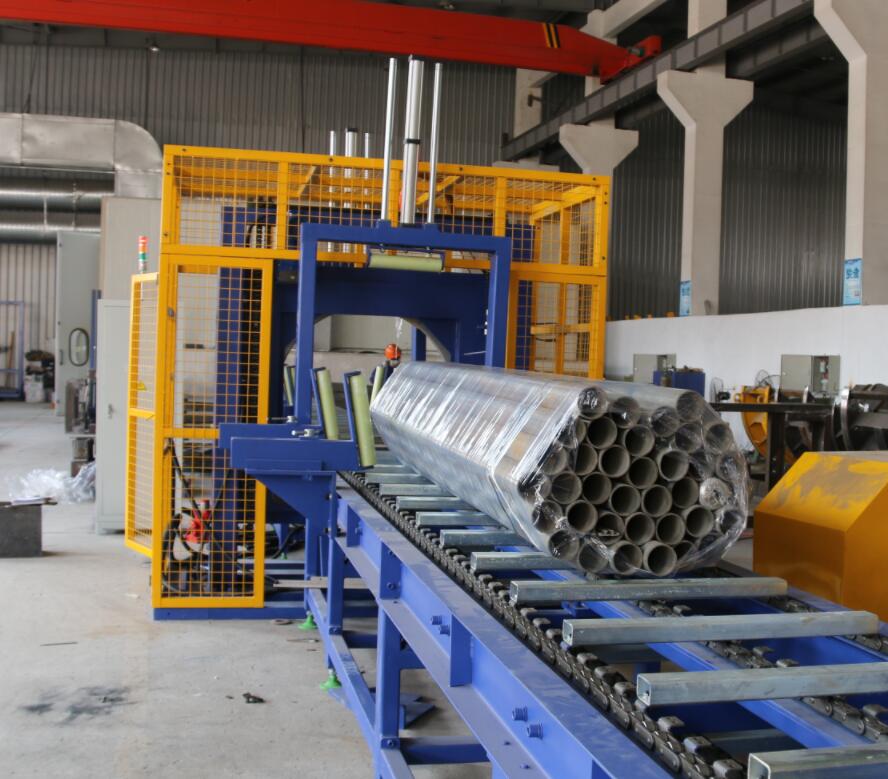
Protecting steel products is not just about keeping them clean; it is about maintaining their structural integrity and surface finish. Any damage, from a minor scratch to rust, can lead to rejection or devaluation. This is especially true for steel coils and wire, which are often used in further manufacturing processes where precision matters. My clients, many of whom are in heavy industry, cannot afford to compromise on protection.
Comprehensive Protection Factors:
- Impact and Abrasion Resistance: Steel coils and wire bundles are heavy. They can shift, bump, or rub against other surfaces. Orbital stretch film applies many layers of tough film under tension. This creates a thick, resilient barrier that absorbs impact. It also protects against scratches and abrasion. Shrink film, being a single, taut layer, tears more easily when subjected to these forces. This difference is vital for heavy items that get moved often.
- Moisture and Corrosion Control: Indonesia has a high humidity. This means rust is a constant threat to unprotected steel. Orbital stretch wrapping seals the product effectively. It stops moisture from getting in. Using special anti-corrosion (VCI) films with orbital wrappers adds another layer of defense. Shrink wrap can offer some moisture resistance. However, any small tear makes it useless. The robust seal of orbital wrap is much more reliable in humid conditions.
- Dust and Contaminant Barrier: Factories are often dusty places. Dust and other airborne particles can settle on steel surfaces, causing issues. A tight orbital wrap creates a sealed package. It keeps out dust, dirt, and other contaminants. This ensures the steel arrives at its destination clean and ready for use. Maintaining product cleanliness is a simple but important aspect of quality.
- UV Protection (Optional): Some stretch films come with UV inhibitors. This protects steel stored outdoors from sun damage over time. While both methods can use UV-resistant films, the overall robustness of an orbital wrap makes it better for long-term outdoor storage, which is common for steel in large factories.
| Protection Aspect | Orbital Stretch Wrap (Steel) | Shrink Wrap (Steel) |
|---|---|---|
| Physical Impact | Excellent (Multi-layer, tensioned film) | Fair (Single layer, vulnerable to tears) |
| Moisture/Rust | Excellent (Sealed barrier, VCI options) | Fair (Prone to tears, less robust seal) |
| Dust/Contaminants | Excellent (Tight, comprehensive seal) | Good (Can be effective if intact) |
| Load Shifting | Excellent (High containment force) | Poor (Limited containment) |
| Sharp Edge Resistance | Good (Layers spread pressure) | Poor (High risk of puncture) |
For a factory manager like Michael, who needs to reduce product loss and customer complaints, the choice is clear. Orbital stretch wrapping offers the superior, comprehensive protection needed for valuable steel products in Indonesia.
How Do Operational Costs Compare for Orbital Stretch vs. Shrink Wrap in Indonesia?
Are you worried about the operational costs of a new packing system? Every factory manager knows that initial investment is just one part of the story. Hidden costs, like high labor, energy bills, or frequent repairs, can quickly erase any savings. You need a clear understanding of the true long-term costs.
When comparing operational costs for steel packing in Indonesia, orbital stretch wrapping generally proves more cost-effective in the long run than shrink wrapping. While shrink wrapping requires significant energy for its heating process, orbital stretch wrapping uses less energy. Orbital systems also drastically reduce labor needs and product damage, leading to lower overall expenses and a better return on investment over time.
As a factory owner myself, I always look beyond the purchase price. The real cost of a machine becomes clear over its operating life. For packaging heavy steel, this means considering labor, materials, energy, maintenance, and the cost of product damage. My journey from an employee to a factory owner taught me that true financial independence comes from smart, long-term investments.
Cost Breakdown and Comparison:
- Labor Costs: This is often the biggest factor. Manual wrapping of steel coils or wire requires multiple workers. They need to physically handle heavy film and navigate around large, moving objects. This is slow and dangerous. Orbital stretch wrappers automate this. One operator can often manage several machines or oversee the line. This significantly reduces your labor headcount for packing. Shrink wrapping also requires an operator to load and monitor, but the manual pre-wrapping or handling can still be labor-intensive for heavy items. Over months and years, the labor savings from orbital wrapping are substantial.
- Energy Consumption: Shrink wrapping uses a lot of electricity for its heating elements (tunnels or heat guns). Heating large volumes of air to shrink film around dense steel items is energy-intensive. This leads to higher utility bills, especially in Indonesia where energy costs are a constant concern. Orbital stretch wrapping machines use much less energy. They mainly power motors for rotation and film dispensing. This difference in energy use directly impacts your operating budget.
- Material Costs: While a roll of shrink film might seem cheaper initially, for heavy steel, you need thicker, stronger films. Or, you might need to use more layers if the film tears easily. Orbital stretch film is designed for strength and stretch. It provides high containment with fewer layers, often leading to lower material costs per packaged unit in the long run. Also, the lower rate of product damage means less need to re-package or replace damaged goods.
- Maintenance and Downtime: Both types of machines need maintenance. However, shrink tunnels have more components that deal with high heat, which can lead to wear and tear. Orbital wrappers are generally simpler in their core mechanism. Less complexity can mean fewer breakdowns and easier maintenance. Downtime means lost production, which costs real money. Reliable equipment, like a well-built orbital wrapper, helps avoid this.
| Operational Cost Factor | Orbital Stretch Wrapping (Steel) | Shrink Wrapping (Steel) |
|---|---|---|
| Labor | Low (High automation, fewer workers) | Medium (Requires some manual handling/monitoring) |
| Energy | Low (Motors only, no heat) | High (Significant heat required) |
| Material | Medium (Efficient film use, strong) | Medium to High (Thicker film, more layers often needed) |
| Product Damage Cost | Low (Excellent protection) | High (Higher risk of tears, poor containment) |
| Maintenance | Medium (Mechanical parts) | Medium to High (Heat elements, wear) |
| Overall ROI | High (Significant long-term savings) | Lower (Higher ongoing costs, risks) |
I always tell my clients to look at the total cost of ownership. For a factory manager in Indonesia, trying to hit production targets and control costs, the efficiency and safety gains from orbital stretch wrapping clearly translate into better financial performance.
My Insights!
You have seen the technical comparisons, but what does this mean in the real world? How do you make the best decision for your unique factory in Indonesia? Choosing the right packing method goes beyond features; it is about strategic alignment with your business goals.
After years in the packing machine industry, from factory employee to owner, my strongest insight is this: for heavy, valuable steel products in Indonesia, prioritizing durability, safety, and efficiency through orbital stretch wrapping provides the best long-term value. While initial costs might be higher, the dramatic reduction in labor, product damage, and energy consumption, coupled with vastly improved worker safety, makes orbital stretch technology the superior investment for sustainable business growth.
My journey in the packing machine industry taught me that the best solutions are not always the cheapest upfront. They are the ones that solve core problems and bring lasting value. When I started my factory, I focused on creating machines that truly met the heavy-duty needs of clients. I saw many businesses struggle with inefficient, unsafe manual packing. They tried to save money, but ended up losing more through damaged goods, injured workers, and slow production.
For someone like Michael Chen, managing a metal processing plant in a demanding environment, these details matter. He is not just buying a machine. He is seeking a partner who understands his challenges: the constant battle with efficiency bottlenecks, safety hazards, and product loss. My advice comes from knowing what it takes to run a successful factory and seeing countless clients grow their businesses by making smart investments.
Key Takeaways for Decision-Makers in Indonesia:
- Focus on Total Cost of Ownership (TCO): Do not just look at the machine’s price tag. Consider labor savings, energy efficiency, film costs, maintenance, and the biggest silent cost: product damage. Orbital stretch wrapping often has a lower TCO for heavy steel because it excels in these areas.
- Prioritize Worker Safety: This is non-negotiable. Manual handling of heavy steel is a major cause of injury. Automated orbital wrapping reduces this risk dramatically. A safer workplace means happier employees, lower insurance costs, and less downtime due to accidents.
- Reliability and Durability are Paramount: In a high-volume factory, uptime is everything. A machine that constantly breaks down costs a fortune in lost production. Orbital stretch wrappers, especially those built by reputable manufacturers, are designed for continuous, heavy-duty operation. This is what you need in Indonesia’s demanding industrial environment.
- Seek Expert Partnership: As Michael seeks, working with a supplier who truly understands your specific production bottlenecks and can offer tailored solutions is invaluable. My aim with FHOPEPACK is to share this knowledge. I want to help you make informed decisions, just as I have helped many clients achieve financial independence and business growth through better packing solutions.
| Strategic Factor | Orbital Stretch Wrapping (Recommendation) | Shrink Wrapping (Alternative, Limited Use) |
|---|---|---|
| Long-term ROI | High (Efficiency, safety, product integrity) | Low (Higher operating costs, risks) |
| Worker Morale/Safety | Greatly improved (Less manual strain) | Minimal improvement (Still risks) |
| Product Quality | Consistently high (Superior protection) | Variable (Prone to damage for heavy items) |
| Adaptability to Steel | Excellent (Designed for heavy, awkward loads) | Poor (Not ideal for heavy, sharp loads) |
| Supplier Expertise | Critical (Requires deep industry knowledge) | Less critical (More generic application) |
I have seen too many companies try to cut corners, only to face bigger problems later. Investing in the right technology, like an orbital stretch wrapper for your steel products, is an investment in your factory’s future. It is about growing your business, securing your profits, and making your operations safer and more efficient. That is the true power of master packing machines.
Conclusion
For steel packing in Indonesia, orbital stretch wrapping is superior to shrink wrapping. It offers better safety, product protection, and long-term cost savings, making it the smarter investment for any forward-thinking factory.








