
Coil Wrapping Machine for Singapore Engineers: What Features Matter Most?
Are your production lines slowing down because of manual packing? Do you constantly worry about worker safety or damaged products during the packaging process? Many factory managers, especially in demanding environments like Singapore, face these exact challenges every single day. The pressure to boost output, cut costs, and keep workers safe is immense. Investing in new equipment is a big decision. You want solutions that truly solve problems, not just add another machine to the floor.
The most crucial features for a coil wrapping machine, especially for Singaporean engineers, involve a blend of high automation for efficiency, robust safety mechanisms, exceptional durability for continuous operation, clear cost-effectiveness with strong ROI, and adaptability to specific production needs. These features directly address the common bottlenecks in heavy manufacturing, helping factories achieve faster output, safer workplaces, and reduced operational costs.
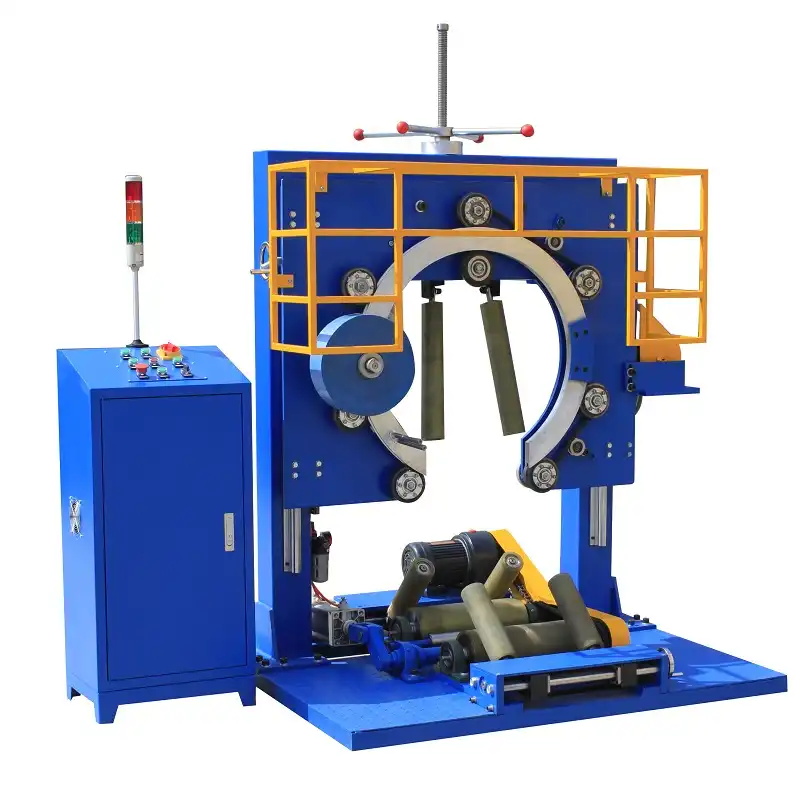
I have walked in your shoes. From working on the factory floor to building my own successful packing machine factory, I have seen first-hand the difference the right equipment makes. This experience shaped my mission at FHOPEPACK: to share insights and help others succeed. So, let us dive deeper into the core features that truly matter for your business.
1. How Does Coil Wrapping Automation Truly Boost Your Production Line’s Speed?
Are your current coil packing processes a major bottleneck? Is your team struggling to keep up with production demands due to slow, manual wrapping? Many factories find that their high-speed manufacturing lines come to a grinding halt at the very end, all because of inefficient packaging. This slows down everything, impacting delivery times and customer satisfaction.
Coil wrapping automation dramatically boosts production speed by eliminating manual handling, applying consistent wrap cycles, and integrating seamlessly into existing production lines. It removes human limitations from the packing process, allowing for continuous, high-volume output that manual methods simply cannot match.
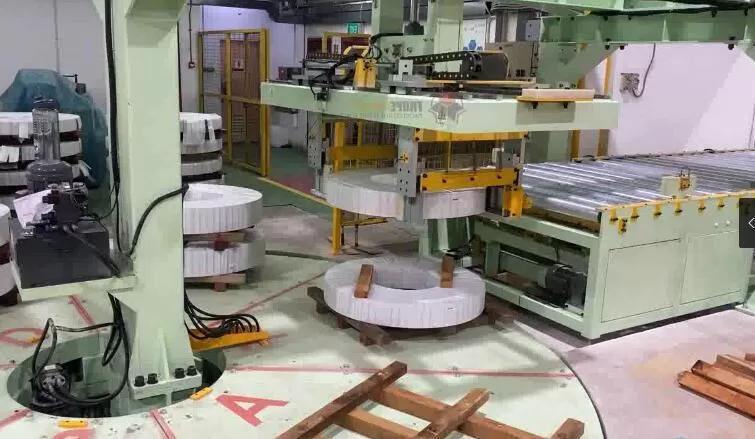
From my early days in the packing machine industry, I saw how much time and effort went into manual coil wrapping. It was not just slow; it was inconsistent and prone to errors. When I started FHOPEPACK, one of my main goals was to develop machines that truly transformed this bottleneck into a smooth, efficient operation. The key lies in understanding the difference between simply wrapping a coil and optimizing the entire end-of-line process. An automated coil wrapper is more than just a machine; it is a system designed to integrate and accelerate. It takes the heavy lifting and repetitive tasks away from your workers, letting them focus on more skilled jobs. This means your coils move from production to dispatch much faster, reducing lead times and improving your factory’s overall output capacity. Think about the impact on your delivery schedules and customer satisfaction. Faster packing means faster shipping, making your business more competitive. It also reduces the need for large buffer zones of unwrapped coils, freeing up valuable floor space. The machine works tirelessly, hour after hour, without breaks or fatigue, ensuring a steady flow of perfectly wrapped products. This consistency is hard to achieve with human labor alone, especially when dealing with heavy and bulky items like steel coils or wire bundles. The machine’s precise tension control and overlapping capabilities ensure that each coil receives a uniform and protective wrap every time, safeguarding your product during transit and storage. This consistency also reduces material waste, as the machine uses the exact amount of wrapping material needed.
The Shift from Manual to Automated Coil Wrapping: A Performance Comparison
| Feature/Metric | Manual Coil Wrapping | Automated Coil Wrapping Machine |
|---|---|---|
| Wrapping Speed | Slow (varies with worker skill/fatigue) | Fast and Consistent (e.g., 20-40 coils/hour depending on size) |
| Labor Requirement | High (multiple workers per shift) | Low (1-2 operators to monitor, load material) |
| Consistency | Variable (uneven tension, gaps, overlaps) | High (uniform tension, consistent overlap, precise positioning) |
| Safety Risk | High (strains, crushed fingers, back injuries from heavy lifting) | Low (workers are away from moving parts, reduced physical strain) |
| Material Usage | Potentially high waste (operator error, re-wraps) | Optimized (minimal waste, exact material consumption) |
| Product Damage | Higher risk (accidental drops, impacts during handling) | Lower risk (gentle, controlled handling, secure wrapping) |
| Downtime Reason | Worker fatigue, breaks, injuries, skill gaps | Maintenance, material change (predictable, planned) |
| Integration | Difficult (depends on human coordination) | Seamless (can be integrated with conveyors, weighing systems) |
This table clearly shows that automated coil wrapping is not just an upgrade; it is a fundamental shift in how you manage your end-of-line processes. It provides a solid foundation for continuous improvement, allowing your Singapore factory to meet the demanding pace of today’s global markets. By investing in this automation, you are investing in a future where your production flows smoothly, your workers are safer, and your profitability increases.
2. What Safety Features in a Coil Wrapper Protect Your Workforce and Reduce Risk?
Are your workers constantly exposed to hazards during the manual handling and packing of heavy coils? Is the risk of injury a constant concern, leading to high insurance costs and employee turnover? Many factory managers, myself included, have seen the dangers of manual heavy lifting. Protecting your team is not just a moral obligation; it is a smart business decision that impacts your bottom line.
Effective coil wrapping machines prioritize worker safety through a range of integrated features like automated loading/unloading, emergency stop buttons, safety guarding, light curtains, and automatic fault detection. These features minimize human interaction with moving parts and heavy materials, drastically reducing the risk of workplace injuries and creating a safer operating environment for your Singaporean workforce.
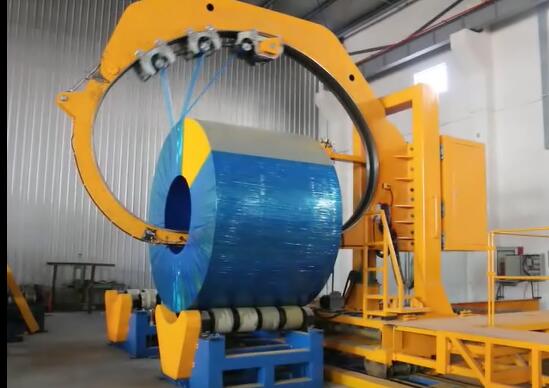
When I was building my own factory, worker safety was always a top priority. I knew that even a single serious injury could disrupt operations, lower morale, and incur significant costs. That is why, at FHOPEPACK, we design our machines with safety at their very core. We do not see safety features as add-ons; we see them as fundamental requirements. Imagine a production line where your workers no longer have to manually lift or maneuver heavy coils. This alone eliminates the most common causes of strains, sprains, and crushed limbs. Instead, the machine handles these dangerous tasks, allowing your team to monitor and manage from a safe distance. Beyond reducing physical strain, these machines also come with advanced sensors and interlocks. If a worker accidentally enters a restricted area, the machine immediately stops. This kind of protection is invaluable. For Singaporean engineers managing a workforce, these features directly translate into fewer accidents, lower worker compensation claims, and a more stable, happier team. It also shows your commitment to their well-being, which can boost morale and reduce turnover.
Essential Safety Features for Coil Wrapping Machines
- Integrated Safety Guarding:
- Purpose: Physical barriers that prevent access to moving parts (e.g., wrapping ring, conveyors, turntables) during operation.
- Benefit: Keeps operators safe from direct contact with machinery, eliminating pinch points and crushing hazards. Often interlocked, meaning the machine cannot run if guards are open.
- Emergency Stop (E-Stop) Buttons:
- Purpose: Strategically placed buttons that instantly shut down the machine in an emergency.
- Benefit: Provides immediate power cutoff, allowing operators to prevent or mitigate accidents rapidly. These are prominent and easy to access.
- Light Curtains and Safety Scanners:
- Purpose: Optical sensors that create a protective field around hazardous areas. If the field is broken, the machine stops.
- Benefit: Offers a flexible, non-contact safety barrier, especially useful for areas where physical guards might hinder material flow or maintenance. Ideal for loading/unloading zones.
- Automatic Fault Detection & Alarms:
- Purpose: Sensors and software that monitor machine performance and detect anomalies or malfunctions.
- Benefit: Alerts operators to potential issues before they become critical, preventing machine damage and possible safety incidents. Includes visual and audible alarms.
- Two-Hand Control for Critical Operations:
- Purpose: Requires operators to use








