
Which Coil Wrapping Machine Balances Speed, Protection, and Cost in Thailand?
Are you a factory manager in Thailand, struggling to find the perfect coil wrapping solution? You face the constant pressure of boosting output, cutting costs, and keeping your products safe. I know this feeling well. When I first started my packing machine factory, I saw how easily production could slow down, how quickly goods could get damaged, and how high labor costs could climb. These issues are not just headaches; they eat into your profits and lead to unhappy customers. But what if there was a way to improve your packing process without breaking the bank or compromising quality? I am Randal Liu, and I have spent my entire career mastering the art of packing machines. I want to share my journey and show you how to solve these very real problems.
Finding the right coil wrapping machine for Thailand involves a careful look at your specific production needs, the level of protection your products require, and the true long-term costs. It is not just about the fastest or cheapest machine. It is about understanding how different technologies, like orbital wrappers or stretch wrapping machines, impact your throughput, ensure product safety, and offer a solid return on investment within the demanding conditions of a manufacturing hub like Thailand. The best choice optimizes automation, reduces manual labor risks, and minimizes product damage, leading to higher profits and safer operations.
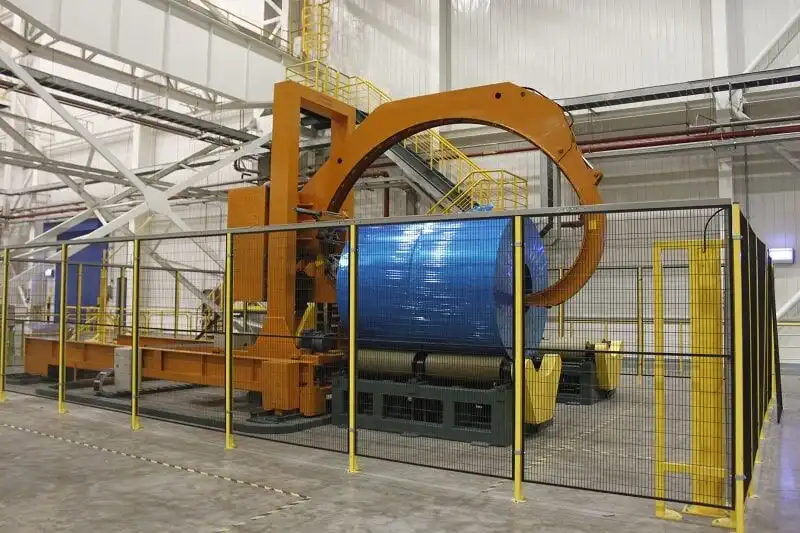
This decision is a big one. It affects your entire production line, your bottom line, and the safety of your team. Let’s break down the key factors you must consider. We will look at how different machines handle speed, what options give your products the best protection, and how to properly count the costs. This will help you make a smart choice for your factory, whether you are in Thailand or anywhere else in the world.
1. How Do Different Coil Wrapping Technologies Affect Production Speed?
Are your current coil packing methods slowing down your entire production? Many factory managers, just like Michael, tell me about bottlenecks at the end of their lines. Manual packing can feel like pushing a heavy cart uphill. It is slow, it is tiring, and it stops your factory from reaching its full potential. You invest heavily in your main production, but if the packing cannot keep up, then all that hard work gets wasted. How can we fix this?
Different coil wrapping technologies have a direct and significant impact on your production speed. For example, manual wrapping is often slow and inconsistent. Semi-automatic machines improve speed but still need operators. Fully automatic orbital wrappers and stretch wrapping machines offer the highest speeds. They reduce human intervention and create a continuous flow. This directly tackles efficiency bottlenecks. It ensures your packaging keeps pace with production, especially in high-volume operations common in places like Thailand.

When I was building my own packing machine factory, I learned a simple truth. If your packing line is not efficient, then nothing else matters. We cannot talk about speed without looking at the machines that make it possible. Different technologies offer different levels of speed and automation. Each one fits specific needs. It is important to match the machine to your factory’s output. You need to consider what your daily or hourly production goals are.
Understanding Coil Wrapping Machine Types and Their Speed
Let’s look at the common types of coil wrapping machines. Each type has a unique way of working. This directly affects how fast your products get ready for shipping.
1. Orbital Wrapping Machines: These machines are very common for large or heavy coils. They work by having the wrapping material (like stretch film or VCI paper) move around the coil in an orbit. The coil itself stays stationary or moves slowly through the machine.
- Speed: They offer good speed, especially for medium to high volumes. A good orbital wrapper can pack many coils per hour. The speed depends on the coil size and the number of wraps needed.
- Automation Level: Many orbital wrappers are fully automatic. They can integrate into a production line. This means less manual work and faster overall processing.
- Benefits: They are robust. They handle heavy items well. They provide excellent protection by fully enclosing the coil.
2. Stretch Wrapping Machines (Vertical or Horizontal): Stretch wrappers apply stretch film tightly around the coil. This secures the coil and protects it from dust and moisture.
- Vertical Stretch Wrappers: These are often used for coils standing upright. They can be very fast, especially if they are automatic.
- Horizontal Stretch Wrappers: These are less common for coils than orbital wrappers. But they can be adapted. They wrap coils lying flat.
- Speed: Automatic stretch wrappers can wrap coils quickly. Their speed also depends on coil dimensions and film layers.
- Automation Level: Fully automatic models significantly increase throughput.
3. Shrink Wrapping Machines: While less common for heavy steel coils, shrink wrapping is sometimes used for lighter wire coils or bundles. Heat is applied to shrink a plastic film tightly around the product.
- Speed: Can be very fast for smaller items. But the heating process can be an added step.
- Automation Level: Often fully automatic.
4. Manual or Semi-Automatic Systems: These systems require more human input.
- Speed: Significantly slower than automatic systems. Speed varies greatly with operator skill and fatigue.
- Automation Level: Low.
How Automation Boosts Speed and Reduces Bottlenecks
For factory managers like Michael, the goal is often to remove manual bottlenecks. My early days taught me that manual tasks, especially repetitive ones with heavy objects, are slow. They are also prone to errors.
- Reduced Labor: Automatic machines need fewer people. This cuts down on labor costs. It also frees up staff for other tasks.
- Consistent Speed: Machines work at a constant pace. They do not get tired. This means predictable output.
- Integration: Modern machines can connect with existing production lines. This creates a seamless flow. It moves coils from processing to packing without delays.
- Example from my experience: I once helped a client in Thailand who had a huge bottleneck in their wire coil packing. They were using manual strapping and wrapping. By bringing in an automatic orbital wrapper, they increased their packing speed by 300%. This was a game-changer. It meant they could ship more products every day. This directly boosted their profits. This is the power of automation. It helps businesses grow. I saw it happen firsthand many times. It is why I believe in these machines.
Choosing the right machine means you match its speed to your desired output. It also means you look at the total efficiency of your line. Do not let the packing process hold back your entire factory.
2. What Advanced Protection Features Guard Your Coils from Damage?
Are you tired of hearing about damaged goods, especially those costly coil edges? Every scratch, dent, or speck of rust means lost money. It also means unhappy customers. For a factory manager like Michael, protecting the product is non-negotiable. When I started my factory, I saw how much effort went into making perfect coils. Then, poor packing could ruin it all. This is not just bad for business; it harms your reputation. How can you ensure your products leave your factory in perfect condition?
Advanced coil wrapping machines offer crucial protection features that guard your coils from various types of damage. These include superior film tension control to prevent shifting, specialized anti-corrosion materials like VCI film or paper, and robust wrapping patterns that shield edges and surfaces from impacts. These features minimize product loss during transit and storage. They reduce customer complaints. They also directly address the product damage challenges faced by factories in demanding environments like Thailand.
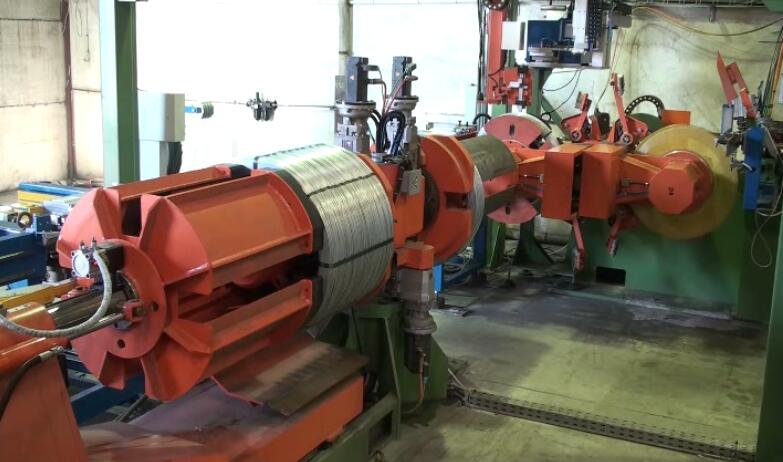
Protecting your finished coils is just as important as producing them. From my time working in a packing machine factory, I saw many instances where a perfectly good coil was damaged during internal transfer or shipping. This happens because the packing was not strong enough. Or it did not use the right materials. This is why investing in proper protection is so vital. It is about safeguarding your investment and your brand.
Key Protection Elements in Coil Wrapping
Good coil protection comes from a combination of machine design and wrapping materials.
1. Wrapping Materials:
- Stretch Film: This is the most common. It provides good dust and moisture protection. It holds the coil tight. Important features include:
- UV Resistance: If coils are stored outdoors, UV protection prevents film degradation.
- Puncture Resistance: Prevents tears during handling.
- Tackiness: Ensures layers stick together well.
- VCI Film/Paper (Volatile Corrosion Inhibitor): This is critical for metal coils. VCI chemicals create a protective layer on the metal surface. They prevent rust and corrosion, even in humid environments like Thailand.
- Woven Fabric/Strapping: Adds extra strength and secures the coil. It is especially useful for heavy coils. It prevents them from unraveling or shifting.
- Edge Protectors: Cardboard or plastic corner pieces protect the vulnerable edges of coils from impact damage. They are often applied before wrapping.








