
Coil Strapping Machine UK – Procurement Checklist: Warranty, Service SLAs, Spare Parts?
Have you ever faced the frustration of a key machine breaking down? For UK factory managers, dealing with inefficient or unreliable coil strapping processes can be a true headache. It causes massive production bottlenecks, increases safety risks for your team, and even damages your valuable products. Every minute of downtime means lost money and missed deadlines. You need equipment that works, all the time, especially when your factory runs at high intensity.
A smart procurement strategy for a UK coil strapping machine must go beyond the initial purchase price. It needs to deeply consider warranty details, scrutinize Service Level Agreements (SLAs), and ensure robust spare parts availability for long-term operational success and peace of mind.

Buying a coil strapping machine is a big investment. You need to protect that investment. You also need to make sure your factory keeps running smoothly. In the following sections, I will break down the crucial elements of a procurement checklist. We will look at what truly matters for your operations in the United Kingdom.
What Warranty Should You Look For in a Coil Strapping Machine?
Imagine your new, expensive coil strapping machine suddenly stops working. Your production line grinds to a halt. This situation is a nightmare for any factory manager. It means lost production, wasted labor, and a lot of stress. Without a strong warranty, you could face huge, unexpected repair costs. This uncertainty puts your business at risk.
A strong warranty for a UK coil strapping machine clearly covers parts and labor. It offers clear terms and provides a realistic timeframe for repairs. This protection ensures your investment is safe and your operations can quickly resume.
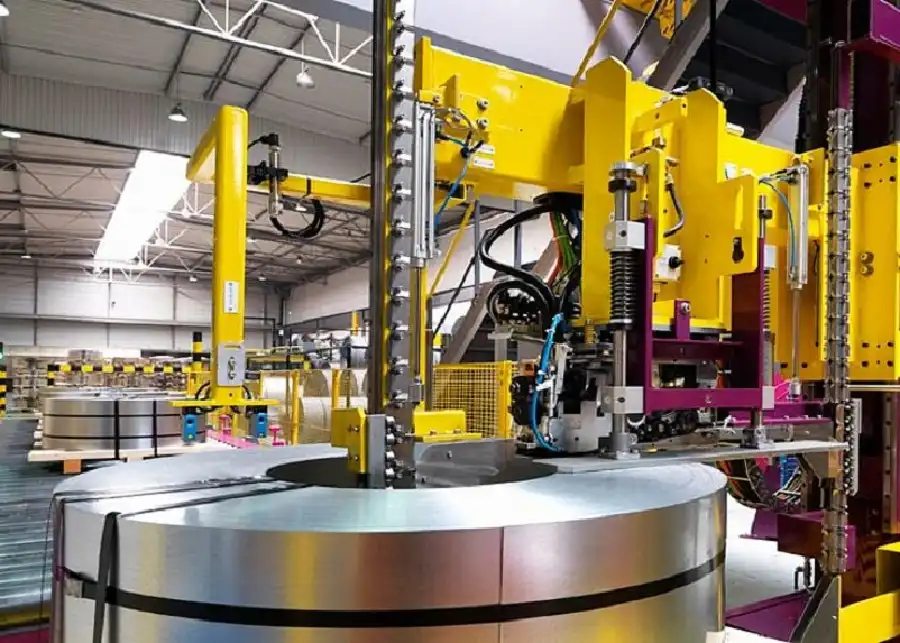
When I started my first packing machine factory, I quickly learned the value of a solid warranty. It is more than just a piece of paper. It shows how much confidence a supplier has in their product. It also shows their commitment to you, the customer. For a coil strapping machine in a demanding UK factory, the warranty is a safety net. It protects you from unforeseen failures.
Understanding Warranty Types and Terms
You will typically find a few types of warranties for industrial machines.
- Parts Warranty: This covers the cost of replacement parts if they fail due due to a manufacturing defect.
- Labor Warranty: This covers the cost of the technicians who come to repair the machine.
- Full Warranty: This combines both parts and labor. It is the most comprehensive option.
- Extended Warranty: Some suppliers offer an option to extend the standard warranty period for an extra cost. This can be a good idea for high-intensity operations.
The length of the warranty period is important. For industrial coil strapping machines, you should expect at least a 12-month warranty. Some reputable suppliers offer 18 or even 24 months. Longer warranties mean the manufacturer stands behind their product for a longer time. Always check what the warranty explicitly covers and what it excludes. For example, it might not cover wear and tear items like cutting blades or normal maintenance parts. It also likely will not cover damage from misuse or improper maintenance. A warranty often becomes void if you use non-original parts for repairs or if unauthorized personnel tamper with the machine. Make sure you understand these conditions fully before you buy. I have seen too many factory owners get surprised by these details after a breakdown. A reliable supplier will have transparent warranty terms. They will explain everything clearly. They will also have local support in the UK. This means a faster response when you need to make a warranty claim. Having UK-based service technicians is invaluable. They understand local regulations and can get to your site quickly. This dramatically reduces your downtime.
Why Are Service Level Agreements Crucial for Your UK Operations?
A coil strapping machine stops working. Every second it is down, your production slows or even stops completely. You cannot afford to wait days for a technician to arrive. Manual processes are slow and dangerous. This problem costs you money, damages your reputation with clients, and creates a massive amount of stress for your team. Without a clear Service Level Agreement, you are left hoping for the best. Hope is not a strategy.
Service Level Agreements (SLAs) for a UK coil strapping machine define critical aspects. They set response times, resolution targets, and support channels. This ensures minimal downtime and quick issue resolution. A good SLA acts as a binding promise from your supplier.

During my time running a factory, I learned that a machine’s true value is not just its initial cost or its features. It is its uptime. It is how quickly you can get it running again if something goes wrong. SLAs are the backbone of reliable support. They turn vague promises into clear, measurable commitments. This is especially true in the competitive UK manufacturing landscape. Downtime is simply not an option for successful businesses.
Key Components of a Strong SLA
A comprehensive SLA for your coil strapping machine should cover several critical areas.
- Response Time: This is how fast the supplier commits to acknowledging your service request. For critical breakdowns, you should look for very short response times, perhaps within 2 or 4 hours for a major fault.
- Resolution Time: This is the time it takes for the supplier to fix the problem. This can vary greatly depending on the complexity of the issue. A good SLA will have tiered resolution times based on the severity of the problem.
- Uptime Guarantees: Some advanced SLAs might even guarantee a certain percentage of machine uptime over a period. If they fail to meet this, there might be financial penalties or credits.
- Escalation Procedures: The SLA should clearly outline who to contact and what steps to take if your initial service request is not handled to your satisfaction. This ensures that serious issues get the attention they need quickly.
- Support Channels: How can you contact support? Is it phone, email, online portal? Is it 24/7? Is there remote diagnostic support? Remote diagnostics can save a lot of time and money. Many issues can be resolved without a physical visit.
- Preventive Maintenance Schedules: A good supplier will also offer or recommend a preventive maintenance plan. This is often part of the SLA. Regular check-ups can prevent major breakdowns. This proactive approach saves you from unexpected downtime.
For UK operations, having technicians based locally is a massive advantage. They can get to your factory faster. They understand specific local regulations or challenges. My own experience showed me that delays in service can have a ripple effect. One machine going down can affect your entire production schedule. It can also lead to unhappy customers. A strong SLA helps you mitigate this risk. It gives you peace of mind. It ensures that your supplier is truly committed to keeping your coil strapping machine running efficiently.
How Important Are Spare Parts for Long-Term Machine Reliability?
Your coil strapping machine is down. The problem is a small, inexpensive part. But if that part is not available, your entire production line remains idle. This scenario is incredibly frustrating. It leads to huge losses. It is worse than just a cost issue. It means you cannot meet your orders. It breaks trust with your clients. This problem often happens when you deal with suppliers who do not prioritize after-sales support.
Reliable access to spare parts is vital for any UK coil strapping machine. It ensures long-term operational continuity. It minimizes repair delays. It also reduces the total cost of ownership. Without readily available parts, your investment in automation becomes a liability.
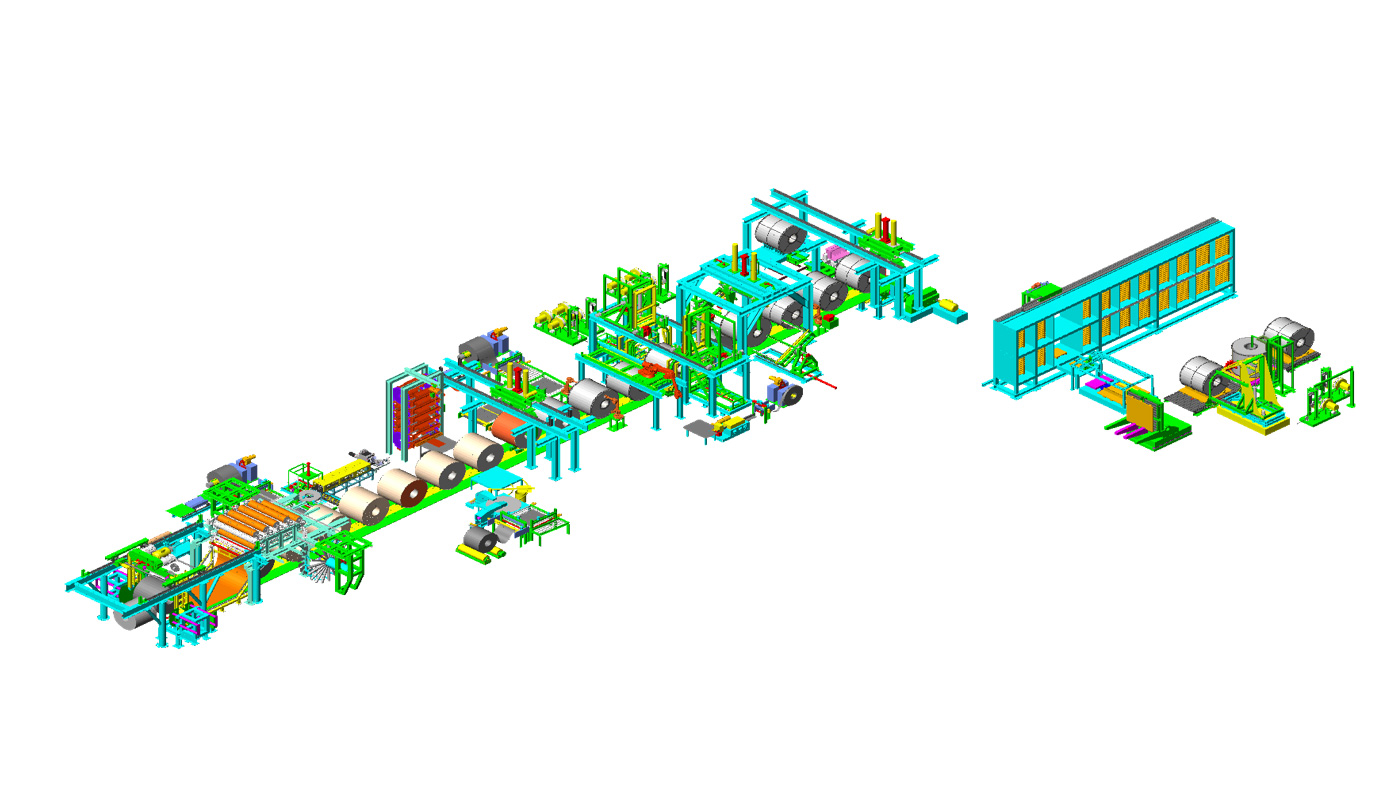
When I was building my own packing machine factory, I learned that a machine is only as good as its ability to be fixed. Designing a machine is one thing. Ensuring it can run for years without major interruptions is another. This requires a robust spare parts strategy from your supplier. For UK factories, this means considering everything from local inventory to international shipping times.
Managing Your Spare Parts Inventory
Having a clear strategy for spare parts is crucial.
- Critical Spare Parts: Identify the components most likely to wear out or fail. These might include strapping heads, cutting blades, motors, or specific sensors. Your supplier should provide a list of recommended critical spares. You might consider keeping some of these on-site to minimize downtime.
- Supplier’s Inventory: Ask about the supplier’s spare parts inventory in the UK. Do they have a local warehouse? Or do parts ship from overseas? Shipping from China or other distant locations can mean long lead times. These lead times can cause significant delays for your factory.
- Lead Times: Get clear commitments on lead times for ordering parts. For common parts, you should expect quick dispatch. For specialized or custom parts, lead times might be longer. Plan your maintenance around these times.
- Commonality of Parts: If the supplier offers different models of coil strapping machines, ask if common parts are used across these models. This can simplify your inventory management. It might also make parts more readily available.
- Proprietary Parts vs. Standard Components: Be careful with suppliers who use too many proprietary parts. These parts can only be sourced from that specific manufacturer. This gives them a monopoly. It can lead to higher prices and longer waiting times. Machines that use more standard, off-the-shelf components are often easier and cheaper to maintain in the long run. You can source them from multiple vendors.
- Parts Manual and Documentation: The supplier should provide a clear and comprehensive parts manual. It should have diagrams, part numbers, and replacement instructions. This allows your maintenance team to quickly identify and order the correct parts.
My experience has shown me that a supplier who truly cares about your long-term success will help you manage your spare parts effectively. They will advise you on which parts to stock. They will ensure a smooth supply chain. This proactive approach saves you from costly and frustrating shutdowns. It also helps you get the most out of your coil strapping machine investment in the UK.
My Insights: Beyond the Checklist – Finding the Right Partner?
You can check every box on a procurement checklist. You can confirm all the warranty details. You can review the SLAs. You can even verify spare parts availability. But still, you might end up with the wrong supplier. I have seen this happen many times. Michael Chen, the factory manager, perfectly embodies this challenge. He has dealt with suppliers who only care about sales and disappear after the deal is done. He wants a partner, not just a vendor. This is a common and painful problem.
Finding the right coil strapping machine supplier in the UK goes beyond checking technical specifications. It means partnering with someone who understands your operational challenges. It means finding a company that offers true, long-term support and acts as a trusted advisor.

My journey in the packing machine industry started as an employee. I worked my way up. Then I built my own successful factory. This journey taught me a lot. It taught me about the machines. More importantly, it taught me about the people and the relationships. I learned that true success comes from helping others succeed. This is why I founded FHOPEPACK. I want to share my knowledge. I want to help businesses like yours avoid the pitfalls I have seen.
Building Trust with Your Supplier
Finding a real partner takes effort. Here is how I think about it:
- Assess Their Commitment: Do they spend time understanding your specific production bottlenecks? Do they listen to your safety concerns? Do they offer solutions tailored to your factory layout and volume? Or do they just push their standard product? A true partner will invest time in understanding your unique needs. They will not just try to sell you something.
- Ask for References: Speak to other factory managers who have worked with them. Ask about their after-sales service. Ask about their responsiveness to issues. Ask if they stood by their promises.
- Consider Factory Visits (if possible): If the supplier has a factory or a showroom, visit them. See their manufacturing quality. Meet their team. This gives you a better feel for their operations and values.
- Evaluate Communication Style: Is their communication clear, prompt, and honest? Do they respond to your questions thoroughly? Or do they avoid difficult questions? Good communication is the bedrock of any strong partnership.
- Shared Values: Does their business philosophy align with yours? Do they prioritize long-term relationships over quick sales? For me, giving back and helping clients grow their businesses is paramount. I look for that same ethos in the partners I choose. Michael Chen wants a supplier who understands his challenges: improving automation, enhancing safety, reducing costs, and gaining professional guidance. This is exactly what a true partner provides. They do not just deliver a machine. They deliver solutions. They offer insights. They act as an extension of your team. This deep industry knowledge comes from years of experience. It comes from solving problems for many different clients. It is the kind of partnership that builds real, sustainable growth for your UK factory.
Conclusion
Procuring a coil strapping machine for your UK factory demands a strategic focus beyond initial price. Prioritizing robust warranties, clear SLAs, and reliable spare parts ensures long-term operational success and builds invaluable trust with your supplier.








