
Coil Strapping Machine UK: PET vs. Steel Strap—Which Option Lowers Your TCO?
Have you ever felt the pressure of a bottleneck on your factory floor? Perhaps it is the slow, manual process of strapping heavy steel coils. You are not alone. Many factory managers in the UK face this daily struggle. This old way of working leads to slow delivery, high labor costs, and even dangerous situations for your workers. It can feel like you are losing money every single day, just because of how you pack your finished goods.
For UK factories dealing with steel coils, choosing between PET and steel strapping is key to reducing Total Cost of Ownership (TCO); the optimal choice depends on specific factors like coil weight, transport conditions, and long-term operational expenses beyond initial material price.
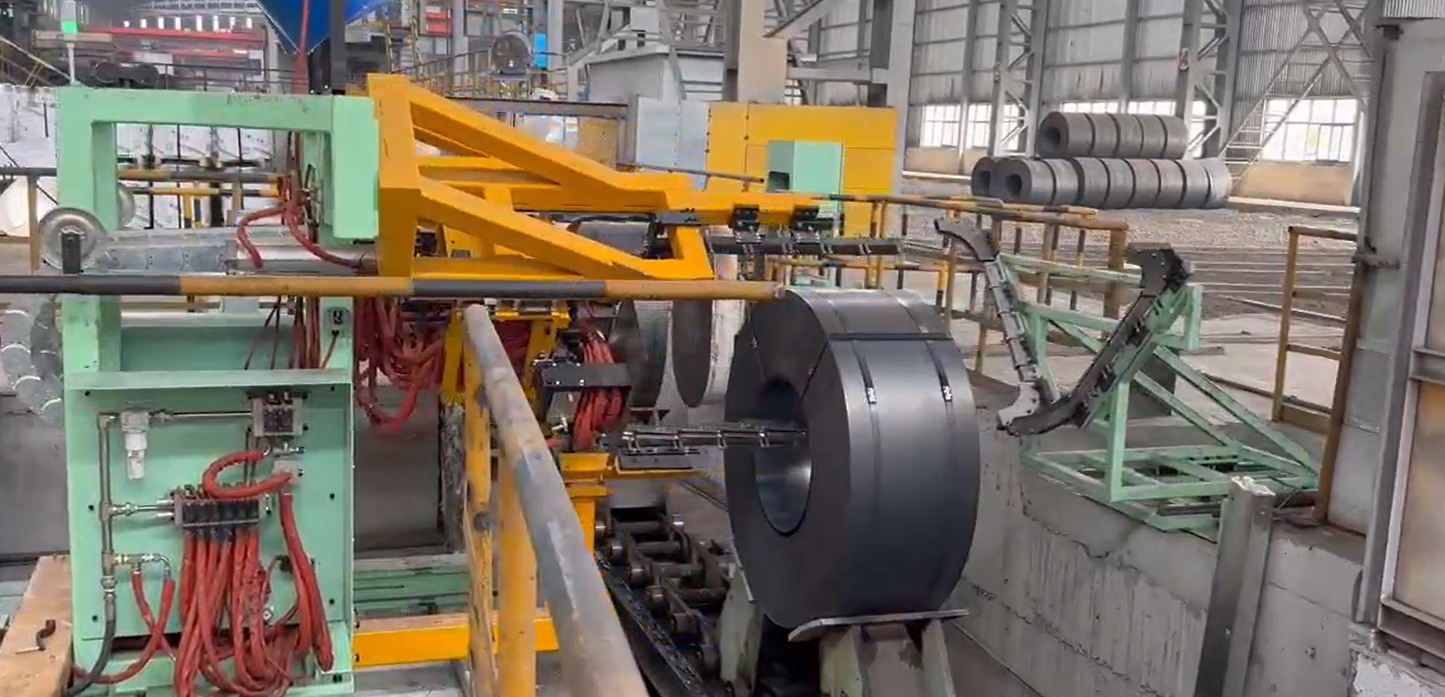
Understanding which strapping solution truly fits your needs is not just about the upfront cost. It is about a smart investment that boosts your production, keeps your team safe, and protects your profit margins. Let us explore the real differences between PET and steel strapping. We will see which one truly helps you master your packing process in the long run.
Why is the Right Coil Strapping Machine Important for Your UK Operations?
Are you tired of seeing production slow down at the very last stage? Manual strapping of heavy coils is a common reason for this. It is a drain on efficiency. It also puts your valuable team members at risk every single day.
A correctly selected coil strapping machine in the UK significantly reduces labor costs, enhances worker safety, and prevents expensive product damage, leading to major improvements in overall factory operations.
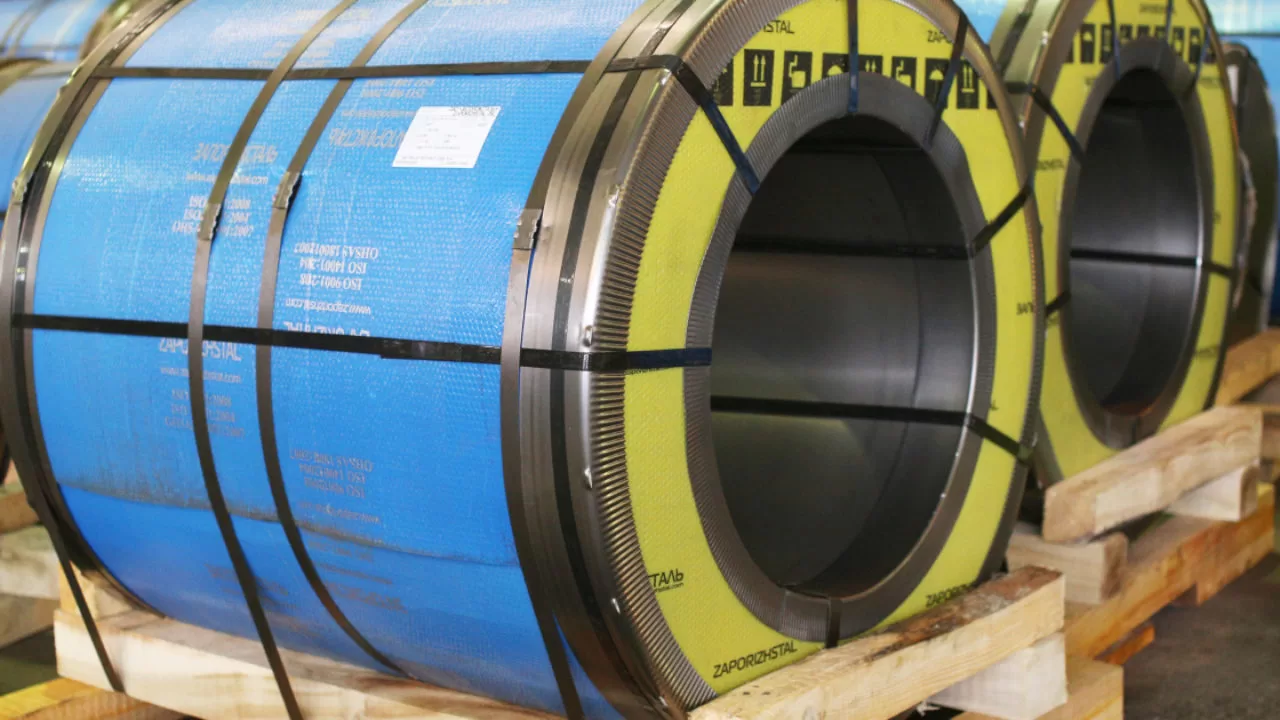
When I started my own packing machine factory, I saw firsthand how much time and money we lost to inefficient manual processes. It was a bottleneck, just like many UK managers face today. We had to automate. For UK factories, the stakes are even higher due to specific regulations and a competitive market. Choosing the right machine is not just an upgrade; it is a necessity for staying ahead. It transforms your end-of-line process from a headache into a smooth, productive operation.
Boosting Efficiency and Throughput
Manual strapping is slow. It needs multiple people. This slows down your entire production line, especially for large volumes of steel coils. A modern coil strapping machine handles the job much faster. It does it with consistency. This means more coils are strapped per hour. It helps you meet tight delivery deadlines. It also allows your skilled workers to focus on more valuable tasks. I have seen clients in the UK, from the industrial heartlands of the Midlands to busy ports, gain a massive edge just by improving their packing speed.
Enhancing Worker Safety
Safety is paramount, especially when dealing with heavy steel coils. Manual strapping involves lifting, bending, and repetitive motions. This carries a high risk of injury. Workers can strain their backs. They can suffer cuts or crushing injuries. This leads to higher insurance costs and lost workdays. An automated strapping machine takes the human element out of the most dangerous parts of the process. It keeps your employees safe. It also shows you value their well-being. This builds a better work environment. It also reduces your company’s risk exposure under UK health and safety laws.
Protecting Product Integrity
Damaged products mean unhappy customers. They also mean lost profits. Steel coils can get damaged during manual handling or if they are not strapped securely enough. Edges can get bent. Surfaces can get scratched. This leads to costly reworks or even rejection by the client. An automated machine applies consistent tension. It ensures your coils are secure for transport. This reduces damage during shipping. It also ensures your products arrive in perfect condition. This builds customer trust. It protects your brand reputation in the competitive UK market.
| Aspect | Manual Strapping | Automated Machine Strapping |
|---|---|---|
| Speed | Slow, dependent on human effort | Fast, consistent, high throughput |
| Labor Cost | High, multiple workers needed | Low, often one operator for supervision |
| Safety | High risk of injury, repetitive strain | Very low risk, machine handles heavy tasks |
| Product Damage | High risk of edge damage, inconsistent tension | Low risk, consistent and secure tension |
| Consistency | Varies by worker, prone to error | High, precise, repeatable results |
| Operational Cost | High due to labor, potential injuries | Lower due to efficiency, less damage |
PET Strapping: Is It Really a Cheaper Alternative for Your UK Mill?
PET strapping often looks like the cost-saving hero. It is lighter. It is easier to handle. Many UK managers think it is the direct path to lower packing costs. But is this initial saving the whole story? Do not let the lower material price blind you to the total picture.
PET strapping generally offers a lower material cost and is safer to handle, yet its overall Total Cost of Ownership (TCO) for UK mills depends heavily on factors like machine compatibility, the required application durability, and the potential for more frequent re-strapping due to stretch or lower breaking strength for very heavy loads.

I remember one client in the Midlands who swore by PET for its perceived savings. They saw the lower price per roll and thought it was a clear win. But after a few months, their product damage complaints spiked because the coils were shifting during transport. They were dealing with heavier coils. The PET simply was not holding up for their specific transport needs. We had to rethink their entire strapping strategy. This taught them a valuable lesson about looking beyond just the material price. It taught them to consider the whole system.
Advantages of PET Strapping
PET strapping, or Polyester strapping, has clear benefits. It is much lighter than steel. This makes it easier and safer for workers to handle. It also reduces shipping costs for the strapping material itself. PET does not rust or corrode. This makes it good for outdoor storage or humid environments. It is also flexible. It can conform to irregular shapes better than steel. Another benefit is that PET causes less wear and tear on strapping machines. This can mean lower maintenance costs over time. Its elasticity also allows it to absorb shock better during transit. This can be good for certain types of loads. It is also recyclable, which can appeal to companies with green initiatives.
Disadvantages of PET Strapping
Despite its benefits, PET has limitations. Its biggest drawback is its lower breaking strength compared to steel. For very heavy or large coils, PET might not provide enough security. It might require more straps to achieve the same hold as steel. PET can also stretch or “creep” over time. This means it can lose tension, especially with temperature changes. This can lead to loose loads. It can also cause shifting during transport. This increases the risk of product damage. For coils with sharp edges, PET can be cut more easily than steel. This demands edge protectors. This adds another cost and step to the packing process. The initial machine cost for a PET strapping machine might also be different from a steel one. This needs to be factored into the TCO.
When is PET a Good Fit for UK Mills?
PET strapping can be an excellent choice for certain UK coil operations. If your coils are lighter. If they are not subject to extreme handling or long, harsh transit conditions. If you prioritize worker safety and easier handling of materials. Then PET might be a very cost-effective solution. It is often used for smaller coils or less robust products. It is also good where corrosion is a major concern. It is important to match the strapping material to the specific demands of your product and logistics chain. This ensures you get the real TCO benefits.
| Feature | PET Strapping |
|---|---|
| Material Cost | Generally lower per meter |
| Strength | Good for medium loads, lower breaking strength |
| Elasticity | High, can absorb shock, but may creep over time |
| Safety | Safer to handle, no sharp edges, lighter |
| Corrosion | Rust-resistant, ideal for outdoor/humid conditions |
| Machine Wear | Less abrasive, lower machine maintenance |
| Environmental | Often recyclable |
| Application | Lighter coils, less extreme transit, cost-sensitive |
Steel Strapping: When Does Its Strength Justify the Cost for UK Heavy Industry?
Steel strapping has a reputation for being the king of strength. It is robust. It is incredibly secure. But it also comes with a higher price tag compared to PET. For many UK heavy industry leaders, the question is simple: When does that brute strength actually make financial sense?
Steel strapping delivers unmatched strength and ultimate security for heavy, dense coils in UK heavy industry, making its higher material cost justifiable when product integrity for very large or heavy items, long-distance transport, or extreme environmental and handling conditions are critical for preventing costly damage.

When I was setting up the heavy-duty line in my own factory, steel strapping was non-negotiable for our largest coils. The peace of mind knowing those massive loads were secure was worth every penny. It prevented costly transit damage. It also ensured client satisfaction. For heavy industries like those in Teesside or South Wales, where massive steel coils are the norm, compromising on strapping strength is not an option. The potential cost of a damaged load far outweighs the material cost difference.
Advantages of Steel Strapping
The primary advantage of steel strapping is its unparalleled strength. It offers the highest breaking strength of any strapping material. This makes it ideal for extremely heavy, dense, or sharp-edged loads like large steel coils. Steel strapping does not stretch or creep. This means it maintains its tension over long periods. It also performs well under varying temperatures and humidity. This ensures the load remains stable during transit or storage. Its rigid nature helps to contain and compress large loads effectively. This prevents shifting. It also offers superior resistance to abrasion and punctures. This is crucial for rough handling or very sharp edges. For goods traveling long distances, especially across oceans, steel strapping provides the ultimate security.
Disadvantages of Steel Strapping
The main drawback of steel strapping is its higher material cost per roll. It is also heavier. This makes it harder and potentially more dangerous for workers to handle manually. This requires more care during loading. Steel strapping can also rust if exposed to moisture. This is a concern for outdoor storage or humid environments unless it is treated or coated. The machines used for steel strapping are typically more robust. They are also more expensive. This is due to the force required to apply and seal the heavy-duty strap. Steel strapping can also be more abrasive on machine parts. This may lead to higher wear and tear over time. It can also mark or damage delicate products if not used with appropriate edge protection.
When is Steel a Good Fit for UK Mills?
Steel strapping is the go-to choice when maximum strength and security are non-negotiable. This includes very heavy steel coils, bundles of structural steel, or any load that experiences significant shock or vibration during transit. Industries in the UK dealing with major construction projects, ship building, or heavy machinery manufacturing often rely solely on steel strapping. It is also the preferred option when coils need to be stored outdoors for extended periods or transported globally. In these cases, the higher material cost is a necessary investment. It protects against potentially catastrophic product damage and client dissatisfaction. It ensures the integrity of your most valuable products.
| Feature | Steel Strapping |
|---|---|
| Material Cost | Generally higher per meter |
| Strength | Highest breaking strength, ideal for heavy loads |
| Elasticity | Low, maintains tension, no creep |
| Safety | Can be sharp, heavier, requires more care |
| Corrosion | Can rust, may require special coatings |
| Machine Wear | More abrasive, higher machine maintenance |
| Environmental | Less often recycled than PET in practice |
| Application | Very heavy coils, extreme transit, high security needs |
How Can You Accurately Calculate the True TCO for Your Strapping System in the UK?
Many factory managers only look at the initial purchase price of a strapping machine. They also look at the material cost per roll. This approach is a common mistake. It leads to hidden costs down the line. It results in poor investment choices.
Accurately calculating the Total Cost of Ownership (TCO) for a UK coil strapping system requires evaluating initial machine purchase, ongoing material costs, labor savings, energy consumption, maintenance and spare parts, the significant reduction in product damage, and improved safety over the equipment’s entire operational lifespan.

I have guided many clients through this exact process. One client, a major steel producer near Sheffield, was hesitant about a new machine’s price tag. They only saw the number on the quote. But once we factored in their reduced labor costs, almost zero product damage, and faster output, their TCO showed a clear payback in under two years. That is the power of looking beyond the sticker price. Understanding TCO gives you a complete financial picture. It helps you make truly informed decisions for your UK operations.
Key Components of Total Cost of Ownership (TCO)
Calculating TCO means looking at all costs related to an asset over its full life cycle. For a coil strapping system, this includes several vital components:
- Initial Machine Purchase Cost (CAPEX): This is the upfront cost of the strapping machine itself. Consider the brand, features, and level of automation.
- Strapping Material Cost (OPEX): This is the ongoing cost of PET or steel strapping. Factor in the price per meter and how much you use per coil.
- Labor Costs and Savings: Manual strapping needs more workers. An automated machine significantly reduces labor needs. Calculate the wages saved by reassigning staff or reducing headcount.
- Maintenance and Spare Parts: All machines need upkeep. Consider routine servicing, replacement parts, and the cost of technicians. Durable machines mean lower maintenance costs.
- Energy Consumption: Factor in the electricity used by the machine daily. Modern machines can be more energy-efficient.
- Product Damage/Loss Reduction: This is a huge hidden cost. Inconsistent manual strapping or weak materials can lead to damaged coils. Quantify the value of prevented damage, returns, and customer complaints.
- Safety Improvement: Less manual handling means fewer workplace injuries. This reduces insurance premiums, worker compensation claims, and employee turnover. These are real savings.
- Downtime Costs: Every minute your production line is down costs money. Consider the reliability of the machine and the speed of service if a breakdown occurs.
How to Compare Options Using TCO
To make an accurate comparison between PET and steel strapping systems, you need to collect data for each TCO component. Project these costs and savings over a specific period, typically 3 to 5 years. Create a spreadsheet. List all costs for a PET system versus a steel system. Include all the factors mentioned above. Then calculate the net cost or saving. Look at the Return on Investment (ROI) and payback period. A system with a higher initial cost might have a much lower TCO due to significant savings in labor, reduced damage, and lower long-term maintenance. This comprehensive view gives you the real economic advantage. It ensures your investment truly supports your business growth in the UK.
| TCO Component | Description | Impact on Cost |
|---|---|---|
| Machine Price | Initial investment for the strapping machine. | Higher for robust, automated systems. |
| Material Cost | Ongoing cost of strapping (PET vs. Steel). | Varies significantly based on material choice and usage. |
| Labor Savings | Reduction in personnel needed for strapping. | Major long-term saving with automation. |
| Maintenance | Routine service, spare parts, repairs. | Depends on machine quality and material abrasiveness. |
| Energy Consumption | Power used by the machine. | Generally minor, but adds up over time. |
| Product Damage | Cost of damaged goods due to poor strapping. | Significant reduction with reliable automation. |
| Safety Costs | Insurance, injury claims, lost workdays. | Decreases with automated, safer processes. |
| Downtime Costs | Lost production due to machine breakdowns or inefficiency. | Reduces with reliable equipment and good support. |
My Insights: Beyond the Machine – Finding a Partner for UK Coil Strapping Success?
Buying a strapping machine is one thing. Finding a truly reliable partner for your UK operations is another. Many suppliers just want to sell you a box. Then they leave you unsupported when issues arise. That is not how I do business.
Finding a coil strapping machine supplier in the UK means seeking a partner who offers deep industry expertise, understands your specific operational challenges, provides robust after-sales support, and commits to your long-term efficiency and safety goals, much like the genuine partnership I strive to build with FHOPEPACK.
When I left my job to start my own factory, I knew building trust was paramount. I did not just sell machines; I solved problems. Whether it was optimizing a coil packing line for a client in Scotland or advising on material flow in a plant near London, I always aimed to be the expert they could rely on. That is the FHOPEPACK way. It is about understanding your unique challenges and helping you master your packing process. It is about building a relationship that goes far beyond a single transaction.
The Importance of True Partnership
In the heavy industry, you need more than just a vendor. You need a partner. A true partner understands your production bottlenecks. They know your safety concerns. They offer solutions that fit your specific needs, not just generic products. This means a supplier who listens. They visit your site. They offer custom advice. They do not disappear after the sale is made. They offer ongoing technical support. They provide spare parts. They train your team. This level of commitment ensures your investment performs well for years. It avoids the “supplier trust crisis” that many UK factory managers have faced.
My Commitment through FHOPEPACK
At FHOPEPACK, our mission is to share knowledge. It is to help you succeed. My own journey, from an employee on the factory floor to building a successful packing machine business, taught me valuable lessons. I learned the challenges firsthand. I learned the solutions too. I also learned the importance of reliability. I learned about building lasting relationships. We are not just about selling machines. We want to be your go-to resource for packing expertise. We offer insights into TCO calculations. We provide advice on PET versus steel. We ensure you have the support needed to achieve your goals. This includes improving safety, boosting efficiency, and cutting costs. We want to help your business grow and thrive.
What to Look for in a Supplier
When you choose a coil strapping machine supplier for your UK factory, consider these points:
- Industry Expertise: Do they truly understand coil packing? Do they know the unique demands of your industry?
- Custom Solutions: Can they offer machines tailored to your specific coil sizes, weights, and production volumes?
- After-Sales Support: What kind of technical support do they offer? How quickly can they provide spare parts or service?
- Proven Track Record: Can they show you examples of successful installations and satisfied clients?
- Long-Term Vision: Are they interested in a one-time sale, or in a long-term partnership that supports your growth?
- Safety and Compliance: Do their machines meet relevant UK and international safety standards?
| Feature | Vendor-Focused Supplier | Partner-Oriented Supplier (e.g., FHOPEPACK) |
|---|---|---|
| Sales Approach | Sells products, focused on immediate transaction | Solves problems, focused on long-term client success |
| Expertise | Product knowledge | Deep industry insights, process understanding |
| After-Sales | Limited or reactive support | Proactive, comprehensive support, training |
| Relationship | Transactional | Collaborative, builds trust and lasting relationships |
| Customization | Standard products | Tailored solutions, specific to client needs |
| Value Proposition | Equipment features | ROI, efficiency gains, safety improvements |
Conclusion
Choosing between PET and steel strapping for your UK coil operations is a crucial TCO decision. Consider material, machine, labor, safety, and damage costs for a complete picture. Partner with experts who truly understand your challenges.








