
Coil Strapping Machine Malaysia — Looking to Reduce Changeover Time by 40% on Slit-Coil Lines?
You manage a busy metal processing plant. You know the pressure. Every minute of downtime costs you money. Your team works hard. But old packing methods slow you down. Manual processes cause bottlenecks. They also create risks for your workers. You see product damage. This leads to customer complaints. You have heard about automation. But you wonder if it is right for your plant.
Automated coil strapping machines can cut changeover time on slit-coil lines by over 40%. They replace slow manual strapping. This speeds up your production. It also makes your process safer. Less manual work means fewer errors. It also means less risk of injury. These machines help you meet tight delivery schedules. They protect your profits. They are a smart investment for busy factories in places like Malaysia.

I have spent many years in the packing machine industry. I started on the factory floor. Then I built my own successful factory. I understand your challenges. I know the specific needs of steel and coil processing. This article shares what I have learned. It will help you find the right solution. Keep reading to discover how to transform your operations.
How Can Automation Truly Speed Up Your Slit-Coil Packaging in Malaysia?
Your current packing process feels slow. It probably uses too many hands. This bottlenecks your whole line. You face pressure to deliver faster. But manual strapping just cannot keep up. This hurts your overall production speed. It affects your delivery times. You need a way to clear the bottleneck. You want to use your workforce better.
Automation speeds up slit-coil packaging by replacing manual labor. A coil strapping machine works much faster than a person. It applies straps consistently. It does this without breaks. This removes the bottleneck at the end of your production line. It allows your plant to achieve higher output rates. It also frees your workers for other tasks. This directly improves your overall efficiency and delivery speed in Malaysia.

An efficient packing process is key. It directly affects your plant’s throughput. When I first started my factory, I learned this quickly. We could make coils fast. But if packing was slow, the whole system stopped. We had to invest in automation. This changed everything. It let us meet demand. It also reduced our costs. Manual packing has limits. It cannot handle high volumes. It also introduces variability. Automated systems bring consistency. They work 24/7 if needed.
Understanding Manual vs. Automated Packing
Manual packing relies on human effort. This means workers apply straps by hand. They use tools like manual tensioners. This process is often slow. It is also inconsistent. The strap tension can vary. This affects the coil’s security.
- Speed: Manual strapping is very slow. Each coil takes a long time. This creates a backlog. Your production line cannot run at full speed.
- Labor Costs: You need many workers for manual packing. This adds to your operating costs. Wages, benefits, and training all add up.
- Consistency: Strap tension depends on the worker. Some straps might be too loose. Others might be too tight. This can damage coils or cause them to shift.
Automated packing uses machines. These machines apply straps automatically. They pull the strap to a set tension. They seal it with a consistent joint. This process is much faster. It is also very consistent.
- Speed: Automated machines strap coils in seconds. They do this much faster than humans. This eliminates bottlenecks. Your coils move out quickly.
- Labor Savings: One operator can supervise several machines. You need fewer workers on the packing line. This reduces your labor costs.
- Consistency: The machine applies the same tension every time. This ensures all coils are packed securely. It reduces product movement during transit.
| Feature | Manual Coil Strapping | Automated Coil Strapping |
|---|---|---|
| Speed | Slow, highly dependent on worker | Very fast, consistent cycle times |
| Labor Needs | High, multiple workers per shift | Low, often one supervisor for many |
| Consistency | Variable strap tension/placement | Consistent tension, precise placement |
| Safety | High risk of strains, injuries | Much lower risk, safer operation |
| Cost over Time | High labor, inconsistent quality | Lower labor, consistent quality |
| Bottleneck Risk | High, often creates production delays | Low, improves overall flow |
Implementing automation is a major step. It is not just about buying a machine. It is about redesigning your workflow. It is about understanding your exact needs. My experience shows that a well-chosen automated system pays for itself quickly. It boosts your output. It cuts your costs. It helps your factory thrive.
Is Your Manual Coil Handling Putting Workers at Risk?
Manual handling of heavy coils is dangerous. Your workers lift, shift, and move heavy items. This creates a high risk of injury. Back strains are common. Hand injuries happen often. These accidents cause high insurance costs. They also lead to lost workdays. Your staff might even leave. This increases employee turnover. You want to protect your team. You need a safer way to handle coils.
Manual coil handling creates significant safety hazards for workers. They risk strains, crushes, and falls from handling heavy, awkward objects. An automated coil strapping machine removes the need for manual lifting and positioning of coils. It integrates into the line. This drastically reduces the risk of workplace injuries. This makes your factory a safer place. It cuts down on insurance costs and employee turnover in places like Malaysia.

Safety in the workplace is paramount. As a factory owner, I always put my team’s safety first. I have seen firsthand how easily accidents can happen. A worker might slip. A coil might shift unexpectedly. These moments can change lives. They also cost the company dearly. Beyond the human cost, there are financial penalties. High injury rates lead to higher insurance premiums. They also lead to fines. This affects your bottom line. Investing in safety is not just an expense. It is an investment in your people. It is an investment in your company’s future.
The Dangers of Manual Coil Handling
Manual coil handling involves direct human interaction with heavy coils. Workers lift, push, pull, and secure these large, often unstable objects. This creates many potential hazards.
- Musculoskeletal Injuries: These are common. Workers strain their backs, shoulders, and knees. This happens from repetitive lifting and awkward postures.
- Crush Injuries: Coils are heavy. If a coil falls or rolls, it can crush limbs. It can cause severe damage.
- Slips, Trips, and Falls: Manual handling often happens in busy areas. Loose straps, uneven floors, or spills increase the risk of falls. Workers might trip over tools or coils themselves.
- Fatigue: Heavy manual work leads to fatigue. Tired workers are more likely to make mistakes. This increases the risk of accidents.
- High Insurance Premiums: More injuries mean higher claims. Your company’s insurance costs go up. This directly impacts your operating budget.
- Employee Turnover: Workers do not want to risk their health. High injury rates can make people leave. Finding new, skilled workers is hard and expensive.
How Automation Reduces Risk
Automated coil strapping machines reduce human involvement. They take over the most dangerous parts of the packing process.
- Reduced Manual Lifting: Coils move on conveyors or platforms. Machines handle the heavy lifting. Workers do not need to physically move the coils.
- Controlled Environment: The machine operates in a set area. Safety sensors and guards prevent access during operation. This keeps workers safe.
- Consistent Operation: Machines perform tasks precisely. They do not get tired. They do not make human errors. This leads to a safer work environment.
- Ergonomic Benefits: Workers can focus on supervision. They spend less time on physically demanding tasks. This improves overall ergonomics.
- Lower Accident Rates: Fewer accidents mean fewer claims. Your insurance costs can go down. This saves your company money.
- Improved Morale: Workers feel safer and more valued. This boosts morale. It can reduce employee turnover.
My own factory saw a huge drop in injuries after we automated. Our workers felt better. Our insurance costs went down. It was a win-win situation. Safety should always be a top priority for any factory manager.
Can Better Packing Really Stop Product Damage for Good?
You see it too often. Your finished products get damaged. This happens during internal transfer. It also happens during packing. Coil edges get dinged. Surfaces get scratched. This damage leads to customer complaints. It results in lost profits. You work hard to make quality products. You need a way to protect them. You want to deliver perfect coils every time.
Better packing can significantly reduce product damage. An automated coil strapping machine applies straps precisely. It uses consistent tension. This secures the coil tightly. It prevents shifting and movement during handling and transport. This protects delicate edges and surfaces. It reduces customer complaints. It helps you deliver quality products consistently. This improves your profit margins in markets like Malaysia.
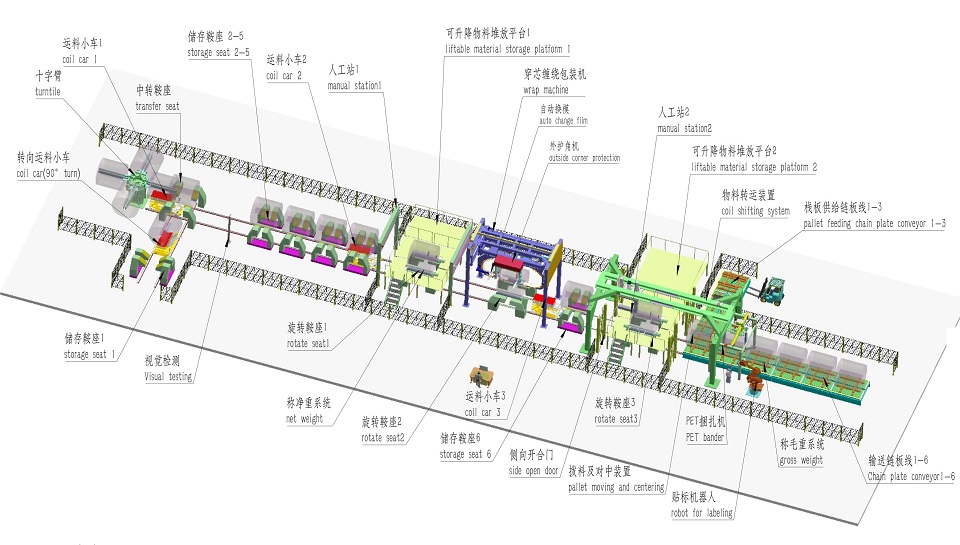
I remember when we first started noticing product damage. It was frustrating. We put so much effort into production. Then a simple ding during packing ruined it. Customer trust is hard to earn. It is easy to lose. We realized that packing was not just the end of the line. It was a critical part of quality control. We had to find a way to make sure our products reached customers in perfect condition. This meant looking at how we secured our coils. It meant improving the packing process itself.
The Causes of Product Damage
Product damage often occurs in the packing and handling stages. This is especially true for delicate materials like steel or aluminum coils.
- Inconsistent Strapping: Manual strapping can be too loose. This allows coils to shift. When coils shift, their edges can bump. This causes damage. It can also cause the coil to unravel slightly.
- Improper Handling: Using the wrong equipment for moving coils can cause damage. Forklift tines can dent surfaces. Cables can scratch wraps.
- Lack of Protection: Sometimes, coils are packed without enough protective material. Edge protectors or proper wrapping might be missing.
- Internal Movement: Even within your factory, coils move. If they are not properly secured, bumps and scrapes can happen.
- Transit Damage: Poorly packed coils are vulnerable during shipping. Vibrations, bumps, and sudden stops can cause internal damage.
How Automated Packing Prevents Damage
Automated coil strapping systems are designed for precision. They minimize contact points. They ensure optimal securing.
- Consistent Tension Application: Machines apply uniform tension to every strap. This holds the coil tightly. It prevents shifting. This stops edge damage.
- Automated Placement: Straps are placed exactly where they need to be. This ensures maximum stability. It prevents any loose spots.
- Reduced Human Contact: Less manual handling means less chance of human error. No more dropped coils. No more accidental dents.
- Integrated Protection: Automated lines can include other protective steps. They can apply wraps. They can add edge boards. All of this happens seamlessly.
- Enhanced Stability for Transport: Coils packed by machine are stable. They withstand the rigors of shipping better. They arrive at the customer’s site undamaged.
- Higher Customer Satisfaction: Delivering perfect coils means happier customers. This builds trust. It encourages repeat business. It boosts your reputation.
Protecting your product is protecting your brand. It is protecting your profit. I found that investing in advanced packing was not just about speed. It was about delivering on our promise of quality. This led to fewer returns. It led to stronger customer relationships.
How Do You Choose a Packing Machine Partner You Can Trust?
You have heard promises before. Some equipment suppliers focus only on sales. Their after-sales service is poor. You buy a machine. Then you are left alone. You face issues. You need support. But no one answers your calls. This makes you very careful. You need a partner. You want someone who understands your factory. You want real solutions.
Choosing a trusted packing machine partner means looking beyond the initial sale. Seek a supplier with deep industry knowledge. They should understand your production bottlenecks. They should offer comprehensive after-sales support. Look for a track record of successful installations. They should provide clear ROI for their solutions. A true partner offers expert insights. They help you grow your business. They do not just sell machines. They solve your problems. This is especially true for factory managers in Malaysia.
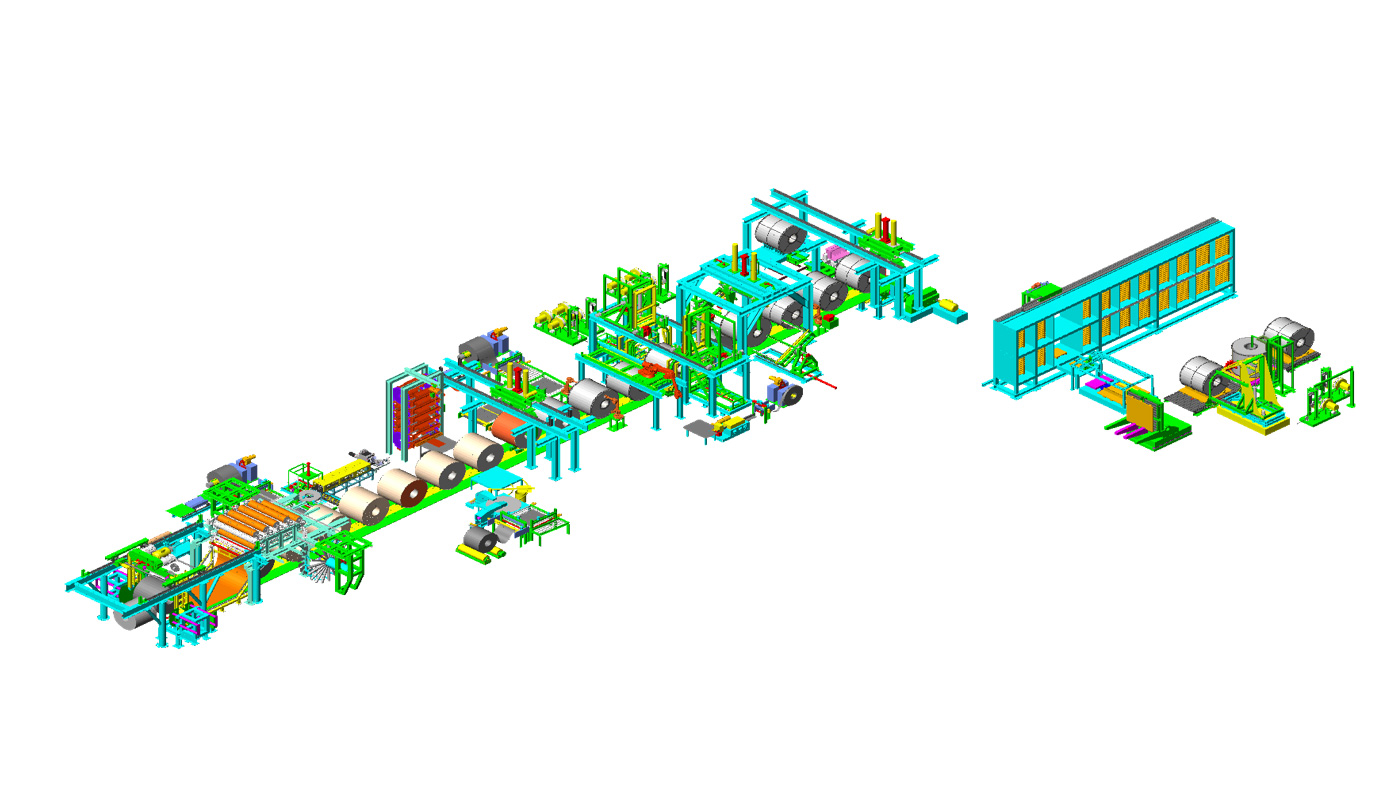
My journey in the packing machine industry taught me a lot. I started as an employee. Then I built my own factory. I dealt with many suppliers. Some were excellent. Others were just trying to make a quick sale. I know the frustration of bad service. I understand the importance of reliable equipment. But equipment alone is not enough. You need someone who stands by their product. You need a team that understands your business. This is why I focus on building relationships. I share my knowledge. I help clients succeed.
What Makes a Good Partner?
A good partner is more than a vendor. They are an extension of your team. They offer support. They share expertise. They help you make smart choices.
- Industry Expertise: They truly understand your sector. They know about coil packing. They know about steel processing. They speak your language.
- Problem-Solving Focus: They ask about your challenges. They do not just push products. They listen to your pain points. Then they offer tailored solutions.
- Proven Track Record: They have installed similar systems. They can show you case studies. They have happy customers. Check their references.
- Strong After-Sales Support: This is critical. They offer quick technical support. They provide spare parts. They offer maintenance services. This ensures your machine keeps running.
- Clear ROI: They can show you the financial benefits. They explain how their solution saves you money. They show you how it increases your profit.
- Long-Term Vision: They want to build a lasting relationship. They care about your long-term success. They are not just focused on one sale.
How to Evaluate Potential Partners
Evaluating suppliers takes time. But it is worth it. It saves you headaches later on.
- Ask for Specific Examples: Do not just accept general claims. Ask for examples of how they solved problems like yours.
- Visit a Reference Site (if possible): See their machines in action. Talk to other factory managers. Get their honest feedback.
- Review Their Support Structure: Ask about their technical support team. How fast do they respond? Do they have local presence in Malaysia?
- Understand Warranty and Service Contracts: What is covered? What is not? What are the service response times?
- Look for Customization Options: Your factory is unique. Can they adapt their machines to your specific layout? Can they meet your specific needs?
- Check Their Values: Do they align with yours? Do they prioritize customer success? Do they value long-term partnerships?
I believe in transparency. I believe in sharing knowledge. When I started FHOPEPACK, I wanted to be the kind of partner I always wished I had. Someone who truly understands. Someone who genuinely wants to help. Finding the right partner means finding someone who helps you achieve your goals.
My Insights: What I Learned Building a Factory and Why It Matters to You?
My journey began in a packing machine factory. I worked my way up. I learned about every machine. I saw the struggles companies faced. This led me to start my own factory. It was a big step. I learned about managing operations. I learned about quality control. I also learned about customer relationships. This experience taught me valuable lessons. I achieved financial independence. I helped many clients grow their businesses. Now, I want to share these insights with you.
One major insight was about the real cost of “cheap” solutions. Early on, I considered cheaper machines. They seemed like a good deal. But they broke down often. Parts were hard to get. The downtime cost us more than we saved. It taught me that initial price is only one part of the equation. You must look at the total cost of ownership. This includes maintenance. It includes spare parts. It includes the cost of lost production. Investing in quality equipment pays off. It pays off through reliability. It pays off through lower long-term costs. It ensures continuous production.
Another key lesson was about people. Your team is your greatest asset. Manual handling of heavy coils is dangerous. It leads to injuries. It leads to low morale. When we automated, our workers felt safer. They felt more valued. Their productivity went up. They became more engaged. This showed me that automation is not just about machines. It is also about empowering your workforce. It is about creating a safer, more productive environment. My goal has always been to make packing easier and safer.
I also learned that every factory is unique. What works for one plant may not work for another. This is why a custom approach is vital. When clients ask me for advice, I do not just recommend a machine. I ask about their specific challenges. I ask about their layout. I ask about their production volume. I try to understand their bottlenecks. Then I offer solutions that fit their exact needs. This personalized approach makes a big difference. It ensures the investment truly solves their problems. It helps them reach their goals.
Finally, trust is everything. I have built my career on trust. I always tell my clients the truth. I explain the benefits. I also explain the limitations. I provide honest advice. This builds strong relationships. It leads to long-term partnerships. I believe in giving back. The coil packing and steel wire packing industry gave me many opportunities. Now, I want to help others succeed. My insights come from real-world experience. They come from running a factory. They come from helping hundreds of businesses like yours. I understand your pressures. I understand your goals. I am here to help you navigate your challenges.
Conclusion
Automated coil strapping machines drastically improve efficiency and safety in your plant. They cut costs, protect products, and boost your overall production. Partnering with experienced suppliers ensures your investment truly delivers results.








