
Coil Strapping Machine Malaysia — How Do You Achieve 99.5% Uptime and Zero-Damage Strapping?
When you run a metal processing plant, like many I have seen in Malaysia, you face daily pressure. You need to hit production targets. You must control costs. And you absolutely must keep your team safe. If your current coil strapping process relies on too much manual labor, you know the pain. It is slow. It is inefficient. It puts your workers at risk. Product damage during internal transfers or packing also costs you money and leads to unhappy customers.
Achieving 99.5% uptime and zero-damage strapping for your coils is possible through a strategic combination. You need advanced automation, robust machine design, precise tension control, and a strong focus on proactive maintenance. This approach helps you remove human error, reduce physical strain on workers, and keep your production flowing smoothly.

I have walked in your shoes. I started as an employee in a packing machine factory. Then, I built my own successful packing machine factory. I understand the challenges you face. I know what it means to keep a production line moving. Let me share how modern coil strapping solutions can transform your operations. This is about more than just buying a machine. It is about finding the right partner and the right system.
How Can Automation Solve Your Efficiency Bottleneck?
Are your current coil packing processes holding back your entire production? Many factories rely on manual methods for strapping heavy coils. This creates a serious bottleneck at the end of the line. It slows down everything. Your overall production and delivery speeds suffer. You need a way to speed things up without adding more people or risking safety.
Automation is the direct answer to your production bottlenecks. It boosts speed, improves consistency, and frees up your valuable human labor for more complex tasks. An automatic coil strapping machine can complete a cycle in minutes, a task that might take multiple workers much longer with inconsistent results.
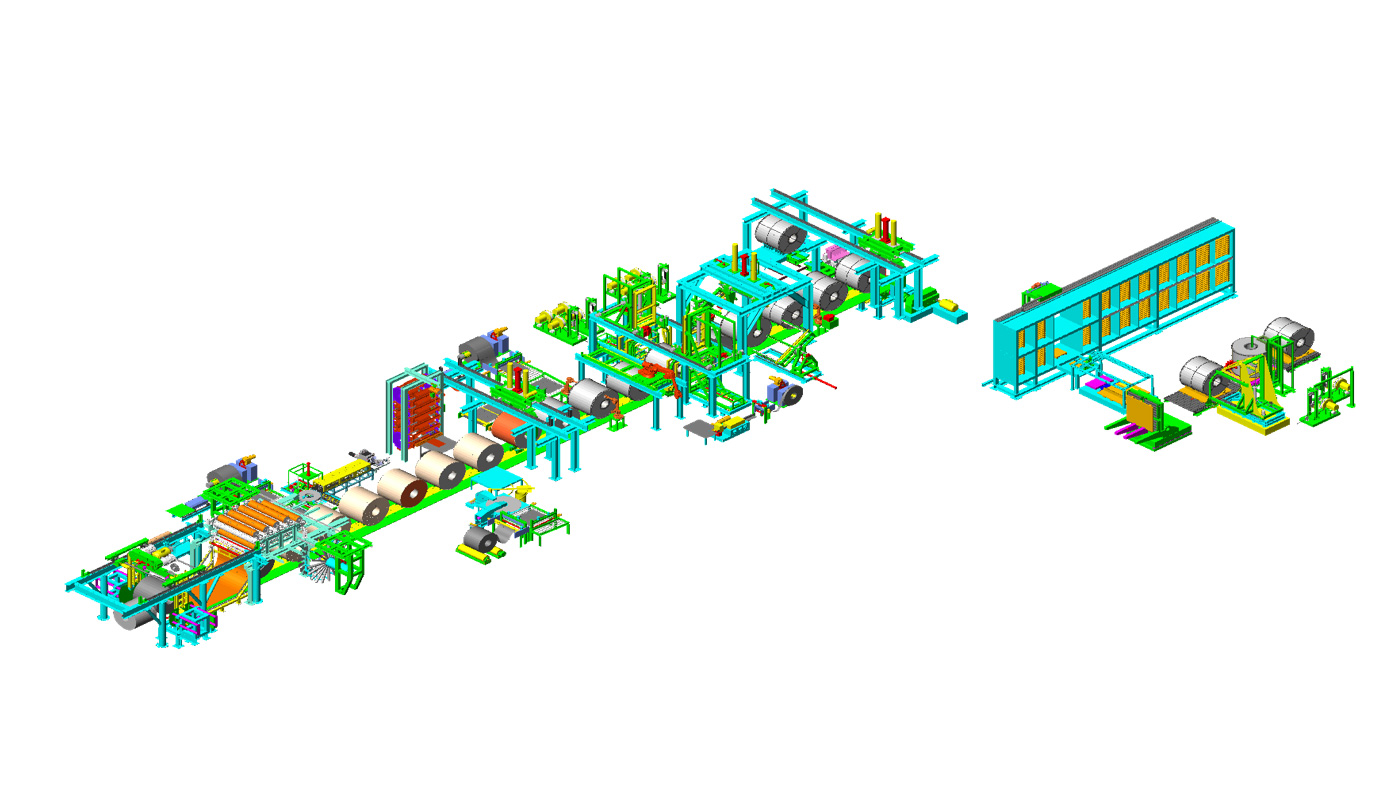
When I was running my own factory, I saw firsthand how much time and money we lost to manual handling. We needed to automate. This was not just about speed. It was about consistency and reducing errors. For coil strapping, automation means less downtime and a more reliable output.
The True Gains from Automated Strapping Systems
Automated strapping systems do more than just apply a strap. They integrate with your existing production line. This helps create a seamless flow from manufacturing to shipping.
- Increased Throughput: Manual strapping is slow. Workers need to position the coil, pull the strap, tension it, and seal it. An automatic machine does this with precision and speed. It handles heavy coils with ease. This significantly increases how many coils you can strap per hour or shift. This directly translates to faster deliveries and happier customers. For a factory manager like Michael in Mexico, faster output means fulfilling more orders.
- Reduced Labor Costs: Manual strapping needs several workers. They do physically demanding tasks. An automated system often needs only one operator for supervision. This allows you to reallocate your workforce to other parts of the plant where human skills are truly needed. Over time, the savings on labor costs can be substantial. This makes the return on investment (ROI) very clear.
- Consistent Quality: Human strapping tension can vary. Some straps might be too loose. Others might be too tight. This can damage the product or lead to insecure loads. Automated strapping machines apply consistent tension every time. They use pre-set parameters. This ensures every coil is strapped securely and uniformly. This consistency is vital for preventing damage during transit. It also helps maintain your product’s quality reputation.
- Safer Operations: Manual handling of heavy coils is risky. Workers can suffer back injuries, crushed limbs, or other accidents. Automated strapping removes the need for workers to be in close contact with moving coils or heavy strapping tools. The machine handles the heavy lifting and the dangerous tasks. This drastically lowers the risk of workplace injuries. This also means lower insurance costs and a more stable workforce. It helps factory managers like Michael improve overall safety records.
| Benefit Category | Manual Strapping Process | Automated Strapping Process |
|---|---|---|
| Speed | Slow, inconsistent | Fast, highly consistent |
| Labor Needs | High | Low, supervision only |
| Safety | High injury risk | Very low injury risk |
| Consistency | Variable tension | Precise, uniform tension |
| Productivity | Limited throughput | High throughput |
What Makes a Strapping Machine Truly “Durable” for Heavy Industry?
Michael values equipment reliability. He wants machines that can withstand high-intensity, harsh work environments. When you invest in a coil strapping machine, you are not just buying metal and wires. You are buying a promise of continuous operation. Any downtime means huge losses for a factory manager. So, what exactly makes a strapping machine durable enough for demanding environments?
A truly durable strapping machine for heavy industry must be built with robust materials, include heavy-duty components, and have a design that minimizes wear and tear. Key features include a solid steel frame, sealed bearings, high-quality motors, and a control system that can handle tough conditions. These elements ensure the machine can operate reliably day after day, year after year.
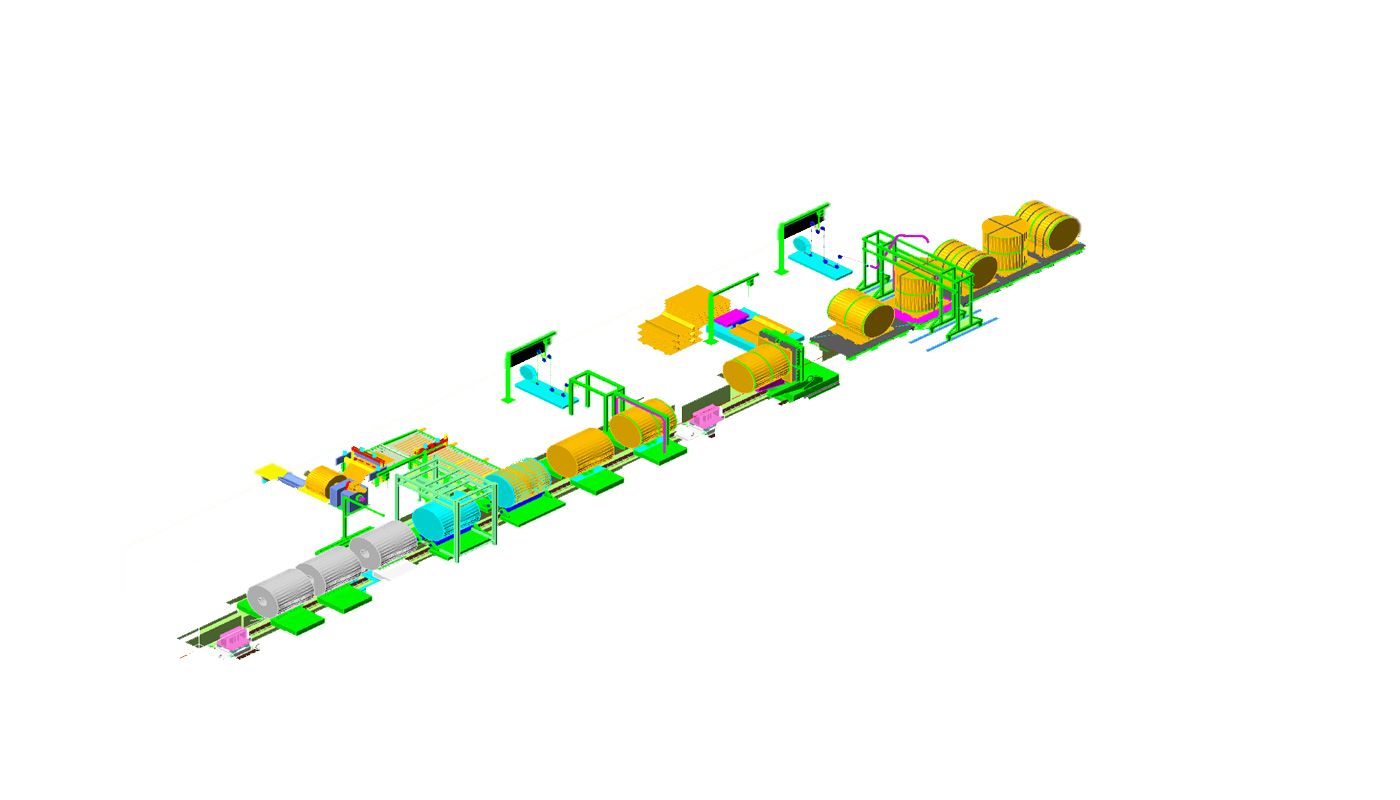
I have seen countless machines over my career. I have seen some fail quickly. I have seen others last decades. The difference is always in the details of their construction and design. Building a machine that lasts requires careful engineering and a commitment to quality materials.
Designing for 99.5% Uptime in Coil Strapping
When we talk about 99.5% uptime, we are talking about a machine that rarely stops. This kind of reliability does not happen by accident. It is designed into the machine from the ground up.
- Heavy-Duty Construction: A coil strapping machine for steel or heavy wire coils must be built like a tank. It needs a thick, welded steel frame that resists vibration and stress. The components should be oversized. They must handle the weight and forces involved in strapping heavy materials. This means using strong, wear-resistant steel for all parts that come into contact with the coil or strap. This includes the strapping head itself. Cheap materials or thin frames will lead to breakdowns.
- Quality Components: The heart of any machine lies in its components. For a strapping machine, this means using high-grade motors, durable bearings, and reliable pneumatic or hydraulic systems. Brands known for industrial quality should be preferred. For example, using a reputable motor manufacturer can make a huge difference in longevity. The electrical systems also need to be robust. They must be protected from dust and moisture common in factory settings. This attention to detail prevents frequent parts replacement. It ensures continuous operation.
- Minimizing Wear Points: Moving parts always wear down. A good design minimizes these wear points or makes them easy to service. For example, using high-quality, self-lubricating bearings can extend their life significantly. Designing the strap path to be smooth and free of sharp edges also reduces wear on the strapping material and the machine itself. Easy access for maintenance is also part of a durable design. When parts are easy to reach, maintenance is more likely to happen on time. This prevents small issues from becoming big breakdowns.
- Advanced Control Systems: A durable machine also needs a smart control system. Modern PLCs (Programmable Logic Controllers) can monitor machine health. They can detect potential problems before they lead to a breakdown. They can alert operators about maintenance needs. They can also adjust machine parameters for optimal performance. This proactive approach to maintenance is key to achieving high uptime figures. It means less unexpected downtime and more predictable operations.
| Component Area | Indicators of Durability (High Uptime) | Indicators of Low Quality (Frequent Downtime) |
|---|---|---|
| Frame | Thick, welded industrial steel | Thin, bolted, light-gauge steel |
| Bearings | Sealed, heavy-duty, self-lubricating | Unsealed, standard-duty, prone to dust/wear |
| Motors | Reputable industrial brands (e.g., Siemens) | Unknown, generic brands |
| Controls | Modern PLC, diagnostics, alerts | Basic relays, no diagnostics |
| Strap Path | Smooth, hardened steel guides | Rough, sharp edges, soft metal guides |
How Do You Eliminate Product Damage During Strapping?
One of Michael’s major headaches is product damage. Specifically, steel coil edges getting damaged during internal transfer or the packing process. This leads to customer complaints and cuts into profits. A coil strapping machine should protect your product, not harm it. So, how do we make sure your coils leave the strapping station in perfect condition?
Eliminating product damage during coil strapping relies on precise tension control, the correct choice of strapping material, proper coil handling, and thoughtful machine design that minimizes contact points with the coil’s vulnerable surfaces. This approach ensures the strap secures the coil without deforming or scratching it.

In my experience, even the smallest scratch on a coil can lead to a customer rejecting an entire shipment. It is not just about the machine doing its job. It is about how the machine treats the product it is working on. Every detail matters when you are trying to achieve “zero-damage.”
Strategies for Protecting Your Valuable Coils
Protecting coils during strapping is a multi-faceted approach. It combines machine features with operational best practices.
- Precision Tension Control: This is perhaps the most critical factor. Too little tension, and the strap is loose. It does not secure the coil. Too much tension, and the strap can deform the coil, especially along its edges. High-quality strapping machines offer precise and adjustable tension settings. They often use electronic feedback systems. These systems ensure the exact tension force is applied uniformly. This prevents both under-tensioning and over-tensioning. It keeps the coil shape perfect. It also secures the load properly for transport.
- Appropriate Strapping Material: The type of strap also plays a role. Steel strapping is strong. It is often necessary for heavy coils. However, it needs careful handling to prevent scratching the coil surface. Polyester (PET) strapping can be an alternative for some applications. It is less abrasive than steel. It also offers good strength. The machine must be able to handle your chosen material effectively. It should have smooth guides and a reliable sealing mechanism specific to that material.
- Gentle Coil Handling: Before, during, and after strapping, the coil needs gentle handling. The strapping machine should integrate smoothly with conveyors or coil cars. These systems must move the coil without bumps or sudden stops. The machine design itself should minimize points of contact with the coil. Any contact points should be made of non-abrasive materials. Rubber linings or specialized coatings can protect delicate coil surfaces from scratches or dents during positioning and strapping.
- Proper Strap Placement: The location of the strap on the coil is important. Straps should be placed to secure the coil effectively. They should not interfere with its core or outer edges in a damaging way. Some machines offer adjustable strap guides. These allow operators to customize strap placement for different coil sizes and types. This ensures optimal load securement without compromising product integrity. Michael’s concern about edge damage highlights the need for a system that precisely positions straps away from vulnerable areas or uses protective corner guards.
| Damage Risk Factor | Mitigation Strategy (Machine/Process) | Benefit |
|---|---|---|
| Over-Tensioning | Precision electronic tension control | Prevents coil deformation, edge damage |
| Abrasions | Non-abrasive contact surfaces, smooth guides | Protects coil surface finish |
| Loose Straps | Consistent, controlled tension application | Ensures secure load, prevents shifting |
| Coil Movement | Integrated conveyors, stable positioning | Reduces impact damage during handling |
| Incorrect Strap | Machine compatibility with various materials | Optimizes securing for specific coil types |
Why Is a Trusted Partner More Important Than Just a Machine Supplier?
Michael has dealt with suppliers who only care about making a sale. Their after-sales service was poor. This makes him very careful about choosing new partners. In my journey, I have learned that a machine is only as good as the support behind it. For heavy machinery like a coil strapping machine, a trusted partner is absolutely essential.
A trusted partner provides not just a machine, but comprehensive support. This includes expert consultation before the sale, reliable after-sales service, readily available spare parts, and ongoing technical guidance. This partnership ensures your investment truly solves your problems and drives your business growth, rather than becoming another source of frustration.

When I started my own factory, I relied on good partners. Their advice and support were invaluable. I learned that having someone who understands your operation, who has been in the industry, makes all the difference. This is especially true for complex equipment. You need someone who listens to your challenges and offers real solutions.
The Value of Deep Industry Expertise
Finding a partner with deep industry experience, like Randal’s background in coil packing and factory management, means you are getting more than just a vendor. You are getting a consultant.
- Understanding Production Bottlenecks: A true partner takes the time to understand your specific production line. They do not just sell you a standard machine. They analyze your current efficiency bottlenecks. They see your safety hazards. They understand your unique efficiency problems. This level of understanding comes from years of experience in the field. It helps them recommend the exact solution you need, not just the most expensive one.
- Proactive Problem Solving: An expert partner anticipates problems before they happen. They can advise on machine placement, integration with existing lines, and potential operational challenges. They offer professional insights. They provide reliable solutions. This might include recommending specific machine configurations or suggesting changes to your current workflow. This prevents costly mistakes and ensures a smooth implementation.
- Reliable After-Sales Support: This is where many suppliers fail. A trusted partner offers strong after-sales service. This includes quick response times for technical issues. It means clear troubleshooting guidance. It also means easy access to spare parts. When a machine goes down, you need it back up quickly. A partner with a robust support network ensures minimal downtime. This helps you maintain your 99.5% uptime goal.
- Long-Term Relationship and Growth: My goal at FHOPEPACK is to help businesses grow. This means building long-term relationships. A good partner is interested in your success. They offer ongoing advice as your business evolves. They provide updates on new technologies. They help you scale your operations. This ensures your initial investment continues to support your business objectives for many years. It is about being a resource. It is about shared success.
| Aspect | Just a Supplier | Trusted Partner (like FHOPEPACK) |
|---|---|---|
| Pre-Sale | Focus on selling a product, generic pitch | Deep dive into your specific challenges, custom solutions |
| After-Sale | Limited support, slow response, parts issues | Fast technical help, easy parts access, training |
| Knowledge | Product specs only | Industry trends, operational insights, problem-solving |
| Relationship | Transactional, short-term | Consultative, long-term, focused on your growth |
| Value Provided | A machine | A solution, ongoing support, expert guidance |
My Insights!
From my journey, from an employee on the factory floor to owning a successful packing machine business, I learned a simple truth: the right equipment, backed by the right expertise, changes everything. Financial independence came from solving real problems for clients. Now, at FHOPEPACK, my mission is to share that knowledge. It’s about empowering you to achieve the same success. You do not have to struggle with outdated processes. You do not have to settle for unreliable suppliers. My insights come from years of hands-on experience in coil packing, steel wire packing, and building efficient systems. I know the pressures you face. I know the solutions that work.
Conclusion
Achieving high uptime and zero-damage coil strapping is possible with automated, durable machines and a trusted partner. This strategy boosts efficiency, enhances safety, and drives profitability for your factory.








