
Coil Strapping Machine Greece – What Specs Matter Most for Your 2025 Line Upgrade?
Factories in Greece often struggle with outdated packing lines. These old systems lead to slow output. They also create serious safety risks. This slows down your whole business. It costs you money and time. A smart 2025 upgrade with the right coil strapping machine can change this. It can fix these big problems.
For your 2025 coil strapping machine upgrade in Greece, the most important specifications are operational speed, strapping force, automation level, and overall machine durability. These points directly impact your factory’s output, worker safety, and long-term cost savings. They ensure your investment truly improves your production line.
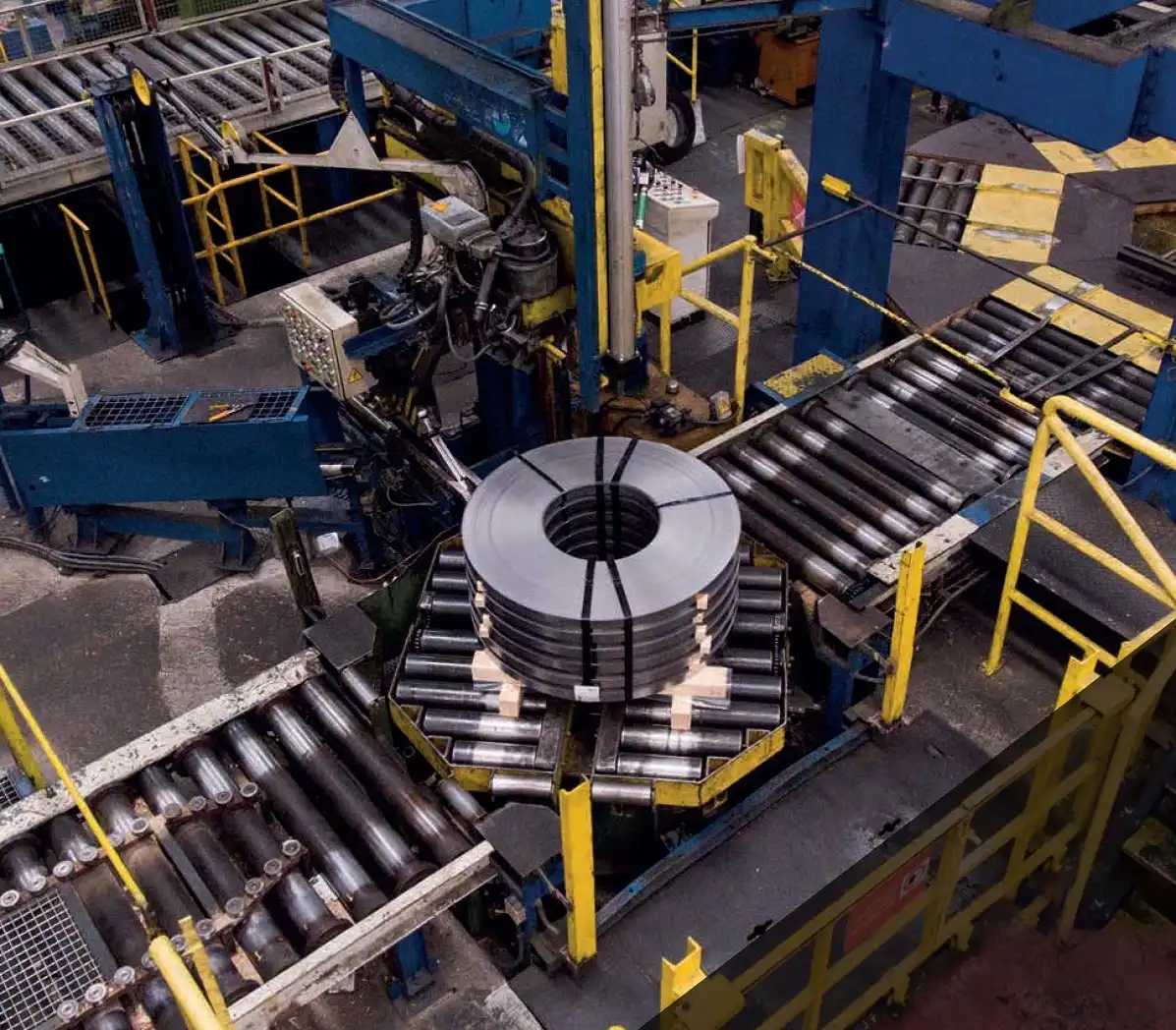
This guide will break down these key specifications. We will help you understand what matters most. This will allow you to make smart choices for your Greek operations. My goal is to help you find a machine that truly partners with your business goals.
Why is your current coil strapping process holding you back in Greece?
Many Greek factories still use manual strapping for heavy coils. This method is often very slow. It also puts workers in danger. Manual handling can easily damage your products. Recognizing these core problems is the first step. It helps you move towards a much better future.
Your current manual or semi-automatic coil strapping in Greece creates bottlenecks. It puts workers at risk. It also leads to costly product damage during internal transfer and shipping. These issues directly hurt your production speed, worker safety, and profit margins, slowing down your entire operation.

Your current strapping process might be the weakest link in your production chain. Manual processes are very slow. Workers get tired. They can make mistakes. This means your coils move slowly from one step to the next. It creates a backlog. This backlog then slows down your whole factory. Imagine trying to run a marathon with a heavy backpack. That is what your factory faces.
Also, manual handling of heavy coils is dangerous. Workers lift and move very heavy items. This can cause serious injuries. They can strain their backs. They can get crushed by a falling coil. These accidents lead to high insurance costs. They also mean you lose skilled workers. Worker safety is not just about rules. It is about keeping your team healthy. It is about a safe workplace.
Product damage is another big problem. When workers manually strap coils, the tension might not be even. The strap placement might be off. This can lead to bent edges or scratched surfaces. When coils get damaged, you cannot sell them for full price. Sometimes, clients reject them completely. This hurts your profit. It also damages your company’s reputation. I remember when I worked on the factory floor. We often saw workers struggle with heavy coils. They did their best. But the risks were always there. It made me realize how much better automation could be for everyone. It could protect both the product and the people.
Manual vs. Automated Strapping
Consider the differences between manual and automated systems:
| Feature | Manual / Semi-Automatic Strapping | Fully Automated Strapping |
|---|---|---|
| Speed | Very slow, limited by human speed | Very fast, consistent cycle times |
| Safety | High risk of injury, heavy lifting involved | Low risk, workers are away from heavy loads |
| Consistency | Varies greatly, depends on operator skill | High consistency, precise strap tension |
| Product Damage | Higher chance of human error, uneven strapping | Lower chance, gentle and precise handling |
| Labor Cost | High, needs many workers per shift | Lower, fewer workers needed for supervision |
| Efficiency | Creates bottlenecks, slows overall production | Improves flow, eliminates end-of-line delays |
| ROI | Hard to measure, hidden costs from injuries/damage | Clear ROI from savings and increased output |
Your factory in Greece needs a way to escape these limits. An upgrade is not just about buying a new machine. It is about solving real problems. It is about making your operations faster. It is about making them safer. It is about protecting your products.
What strapping machine capacity and speed do you really need for a 2025 upgrade?
Choosing the wrong machine capacity means two bad things. It means either slow production or wasted money. A machine that is too small cannot keep up. One that is too big costs too much. This can sink your upgrade budget. You must match machine specs to your factory’s exact output needs.
For your 2025 coil strapping machine upgrade in Greece, you need to match the machine’s capacity and speed directly to your current and projected hourly output. Key metrics include strapping cycles per minute, coil dimensions, and material weight handling. This ensures the machine can process your full production volume without becoming a bottleneck.

Understanding capacity and speed is key. Capacity is about what the machine can handle. This includes the size and weight of your coils. Speed is how fast it can do the job. It is about how many coils it can strap per hour. You need to know both your current production. You also need to think about how much you want to grow.
First, look at your current output. How many coils do you produce each hour, or each shift? How many straps does each coil need? This gives you a baseline. Then, think about your future. Do you plan to increase production in 2025? Will you add new product lines? A smart investment accounts for growth. You do not want to buy a machine that is too slow next year.
The machine’s strapping cycles per minute are very important. If your line produces one coil every two minutes, your strapper needs to keep up. It should at least match that speed. Ideally, it should be faster. This way, the strapping machine never causes a delay. It becomes an enabler, not a bottleneck.
Also, consider the dimensions of your coils. This includes the inner diameter (ID), outer diameter (OD), and width. A machine must fit your largest coils. It must also handle your smallest ones. The weight range of your coils also matters. Some machines are built for very heavy coils. Others are for lighter ones. Choose a machine built for your specific product range. This ensures it is robust enough for your needs. It also means you do not overpay for something you do not need.
Capacity Checklist for Coil Strapping Machines
Make sure to consider these points when evaluating a machine’s capacity and speed:
| Specification | What to Consider | Why it Matters |
|---|---|---|
| Strapping Cycles/Minute | Your desired output rate (e.g., 2-4 coils/min) | Directly impacts overall line speed and throughput. |
| Coil Inner Diameter (ID) | Min and Max ID of your coils (e.g., 400mm – 800mm) | Ensures the strapping head can pass through your coils. |
| Coil Outer Diameter (OD) | Min and Max OD of your coils (e.g., 800mm – 2000mm) | Defines the maximum coil size the machine can accommodate. |
| Coil Width | Min and Max width of your coils (e.g., 50mm – 500mm) | Critical for proper strap placement across the coil face. |
| Coil Weight Range | Min and Max weight of your coils (e.g., 500kg – 10T) | Determines the machine’s structural strength and motor power. |
| Strapping Material Type | Steel strap, PET strap, PP strap | Different materials need different tension and machine settings. |
| Number of Straps/Coil | How many straps each coil needs (e.g., 2-4 straps) | Affects total cycle time and material consumption. |
| Future Growth | Your projected increase in production volume | Ensures the machine can handle future demands without replacing it soon. |
By carefully matching these specs to your factory’s specific needs in Greece, you will choose a machine that performs well. It will help your business grow. It will also give you a good return on your investment.
How can a new coil strapping machine improve safety and reduce damage for your operations?
Manual coil handling carries high injury risks. It also leads to product damage. These issues drive up your costs. They also hurt your company’s reputation. Modern machines are built to make your workplace safer. They are also built to protect your valuable products.
A new coil strapping machine significantly improves safety by automating the handling of heavy coils. It removes the need for manual lifting or turning. This greatly reduces the risk of worker injuries. It also reduces product damage through consistent, precise strapping and integrated handling features. This protects your steel coils from edge damage during internal transport and shipping.
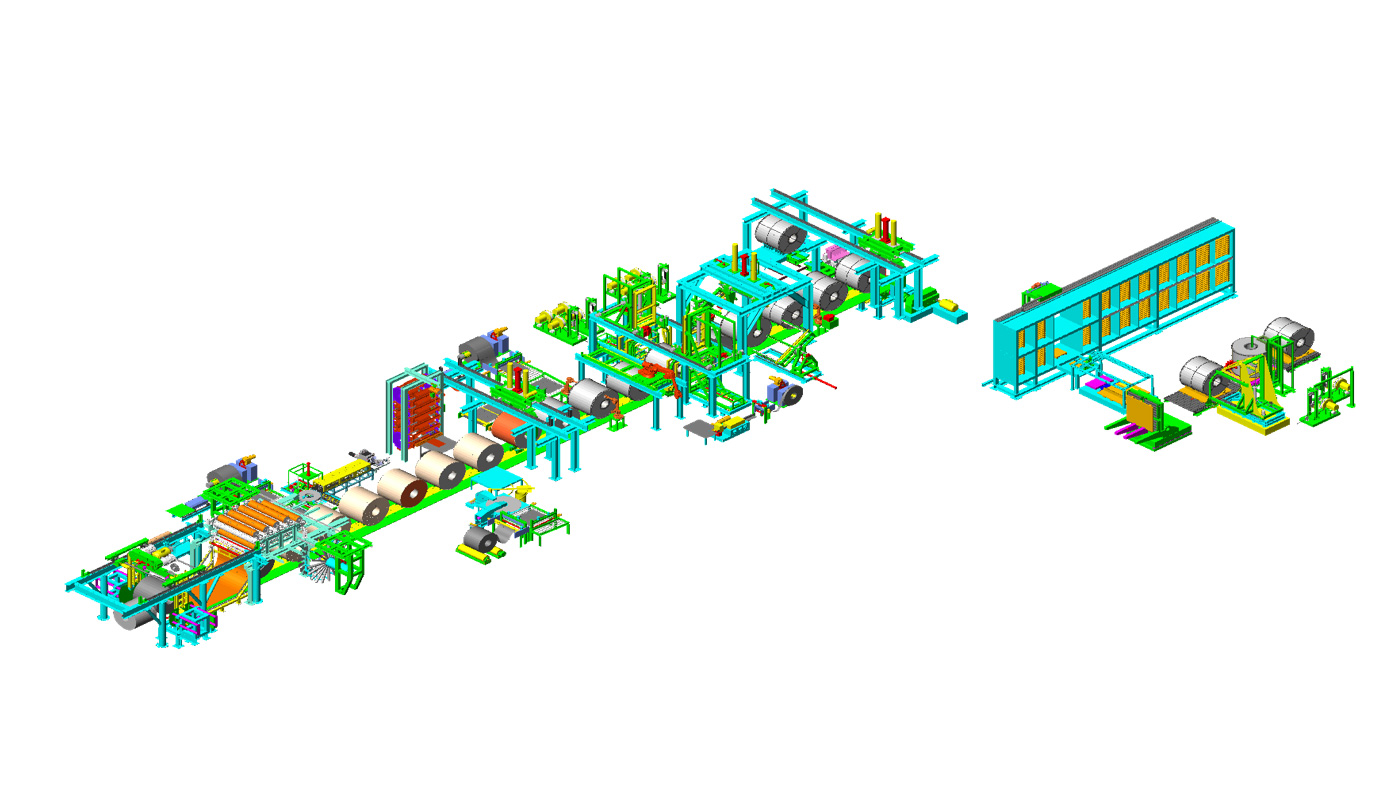
Safety is not just a word. It is a core value for any successful factory. Think about Michael Chen, a factory manager. He faces constant pressure to keep his team safe. A new coil strapping machine changes the game here. It takes workers away from direct contact with heavy, moving coils. Automated systems lift, rotate, and strap coils without human intervention. This means fewer strains, fewer crushes, and fewer accidents. Machines have safety guards and emergency stops. They are designed to prevent injuries. They protect your most valuable asset: your people.
Beyond safety, a good machine also protects your product. In manual handling, coils can get dropped. Their edges can get bent. The strap might be too loose or too tight. This causes damage. It leads to customer complaints. It costs you money in rework or scrap. An automated machine applies consistent tension. It places straps precisely every time. This reduces the chance of damage during strapping. Many advanced machines also include integrated conveying systems. These systems move coils smoothly. They prevent bumps or scrapes during internal transfer.
I recall a client in the steel industry. They faced constant issues with coil edge damage. Their workers also reported many minor injuries from manual handling. After upgrading their strapping line to a fully automated system, they saw a dramatic change. Their reported injuries dropped by over 80%. Their damage claims from customers also dropped by over 70%. It proved the real value of smart automation. It protects both people and profits. This investment was not just about speed. It was about creating a better, safer, and more reliable operation.
Safety & Damage Reduction Features Checklist
Look for these features to ensure maximum safety and minimal damage:
| Feature | How it Improves Safety | How it Reduces Damage |
|---|---|---|
| Full Automation | Removes human contact with heavy coils | Consistent, precise strap application |
| Safety Guards/Light Curtains | Prevents workers from entering dangerous areas | No direct impact on product, but prevents secondary damage from accidents. |
| Emergency Stop Buttons | Allows immediate shutdown in case of danger | Prevents machine from continuing operation during an issue, protecting product. |
| Controlled Conveyor Speed | Smooth movement, prevents sudden jolts | Gentle handling, prevents bumps and scratches |
| Automatic Coil Centering | Positions coil perfectly before strapping | Ensures even strap placement, prevents edge damage. |
| Adjustable Tension Control | Maintains consistent strap force | Prevents over-tightening (damage) or under-tightening (loose package). |
| Integrated Weighing/Sizing | Accurate data for proper handling | Ensures correct machine settings for coil, preventing mishandling. |
| Alarm Systems | Notifies operators of issues | Alerts to potential problems that could lead to damage if not fixed. |
Investing in these features is not just good practice. It is good business. It protects your workers. It protects your products. It protects your bottom line.
What build quality and automation features ensure long-term reliability for your factory?
Cheap machines often break down. This leads to costly downtime. Downtime means your production stops. It erodes your profits. It also hurts trust with your customers. You must invest in robust build quality and smart automation. This ensures lasting performance.
For long-term reliability in a demanding factory, a coil strapping machine must have heavy-duty construction, high-quality components, and a proven track record. Essential automation features include PLC control for precise operation, remote diagnostics for quick troubleshooting, and integration capabilities with existing production lines, ensuring consistent performance and minimal downtime.

A packing machine is a workhorse. It runs for many hours, often in harsh factory environments. This means its construction must be strong. Look for machines made with heavy steel frames. They should use thick plates. This provides stability. It resists wear and tear over time. The components inside the machine also matter a lot. Motors, bearings, sensors, and hydraulics must come from reputable brands. These parts cost more at first. But they last much longer. They also perform better. This saves you money on repairs and replacement parts later on.
Automation features are crucial for reliability. A modern machine should have a PLC (Programmable Logic Controller). This is the “brain” of the machine. It controls all functions precisely. It allows for consistent strapping. It also makes troubleshooting easier. A good Human-Machine Interface (HMI) makes it simple for your operators to use the machine. They can set parameters. They can monitor performance. Some advanced machines offer remote diagnostics. This means technicians can check your machine from far away. They can identify problems quickly. This reduces downtime. It helps you get back to production faster.
Integration capabilities are also very important for your 2025 upgrade. Your new strapping machine should work well with your existing production line. It should connect smoothly with upstream and downstream equipment. This creates a continuous flow. It avoids bottlenecks. This seamless integration boosts overall efficiency. When I started my factory, I always focused on using the best materials. I knew this meant our machines would last for many years. This approach made our clients trust us. They saw that our machines held up in tough conditions. This built strong, lasting relationships.
Reliability & Automation Checklist
Consider these points to ensure your machine is reliable and future-proof:
| Specification | What to Look For | Why it Matters |
|---|---|---|
| Construction Material | Heavy-duty steel frame, robust components | Ensures longevity and withstands harsh factory conditions. |
| Component Brands | Reputable suppliers (e.g., Siemens, Schneider) | Higher quality parts mean fewer breakdowns and longer life. |
| PLC Control System | Modern, user-friendly PLC | Precise operation, easy programming, and reliable control. |
| Human-Machine Interface (HMI) | Intuitive touchscreen interface | Simple for operators to manage, reducing errors and training time. |
| Remote Diagnostics | Capability for remote access and troubleshooting | Faster issue resolution, less downtime, lower service costs. |
| Integration Capabilities | Compatibility with existing conveyors, data systems | Seamless workflow, improved overall line efficiency. |
| Wear Parts Durability | Long-lasting parts, easy to replace | Reduces maintenance frequency and costs. |
| Maintenance Access | Easy access to internal components | Simplifies routine maintenance and repairs. |
| Environmental Rating | Suitable for your factory environment (dust, heat) | Ensures machine performs well despite challenging conditions. |
A machine with strong build quality and smart automation is an asset. It runs consistently. It requires less maintenance. It gives you peace of mind.
My Insights on choosing the right packing machine partner?
Many equipment suppliers focus only on sales. They do not offer good support. This leaves you alone when problems arise. It causes frustration. You must partner with someone who truly understands your operations. They should offer real solutions.
Choosing the right packing machine partner means looking beyond the machine itself. You need a supplier with deep industry knowledge, a proven history of post-sales support, and a commitment to understanding your specific production bottlenecks and safety concerns. This partnership ensures you get tailored solutions and reliable long-term assistance.
My journey in the packing machine industry started on the factory floor. I worked there. Then I established my own successful packing machine factory. This experience taught me a lot. I learned that true success comes from understanding the client’s real problems. It is not just about selling a machine. It is about offering a solution that works. I achieved financial independence through this path. I also helped many of my clients grow their businesses. Now, with FHOPEPACK, I share that knowledge. I want to help others succeed.
Michael Chen, a factory manager in Mexico, faces a similar challenge. He needs a partner who understands his production bottlenecks. He wants someone who can help with safety issues and efficiency problems. He has dealt with suppliers who only care about the sale. So, he is very careful about new partners. This is a common story. My mission with FHOPEPACK is to bridge this gap.
When you look for a partner, ask about their experience. Do they understand your industry? Do they know about coil packing or steel wire packing? A good partner will ask you many questions about your factory. They will want to know your current output. They will ask about your challenges. They will want to understand your goals for 2025. They will not just push a standard product on you.
After-sales support is critical. What happens if the machine breaks down? How fast can they send parts? Do they offer training for your staff? A reliable partner provides ongoing support. They help you maintain the machine. They help you get the most out of your investment. This includes spare parts availability. It also includes technical support. It is about building a long-term relationship. It is about a partnership that helps your business grow.
Partner Evaluation Criteria
Use these criteria to evaluate potential packing machine partners for your Greece upgrade:
| Criteria | What to Look For | Why it Matters |
|---|---|---|
| Industry Experience | Proven track record in your specific industry | Shows deep understanding of your needs and challenges. |
| Technical Expertise | Engineers who understand machine design, operations | Ensures they can provide effective solutions and support. |
| Problem-Solving Approach | Focus on understanding your bottlenecks first | Leads to tailored solutions, not just off-the-shelf products. |
| After-Sales Support | Clear policies for spare parts, maintenance, training | Ensures quick resolutions to issues and continuous operation. |
| Customer Testimonials/References | Past client success stories | Provides proof of their reliability and service quality. |
| Commitment to ROI | Focus on how their solution impacts your bottom line | Shows they care about your business success, not just sales volume. |
| Communication | Clear and timely communication | Builds trust and ensures smooth project execution. |
| Long-Term Vision | A partner who wants to grow with your business | Shows commitment to a lasting relationship, not just a single sale. |
It is about finding someone like me. Someone who has been there. Someone who knows the factory floor. Someone who wants to help you succeed. It is about sharing knowledge. It is about building trust.
Conclusion
A successful 2025 coil strapping machine upgrade in Greece needs careful planning. Focus on specs for speed, safety, and durability. Choose a partner who truly understands your factory. This ensures your investment boosts output and profits.








