
Coil Strapping Machine Greece: How to Cut Downtime with Automatic PET/Steel Strap Systems?
Have you ever felt the pressure of a bottleneck in your production line? In metal processing plants, especially in places like Greece, slow, manual coil packing can stop everything. It eats into your profits and makes your workers risk injury. You need reliable ways to get products out the door without delays.
Automatic PET and steel coil strapping systems cut downtime by automating a slow, labor-intensive process. They replace manual handling with fast, consistent machine operation. This improves safety, reduces product damage, and speeds up your entire production flow. This is key for companies in Greece looking to boost efficiency.
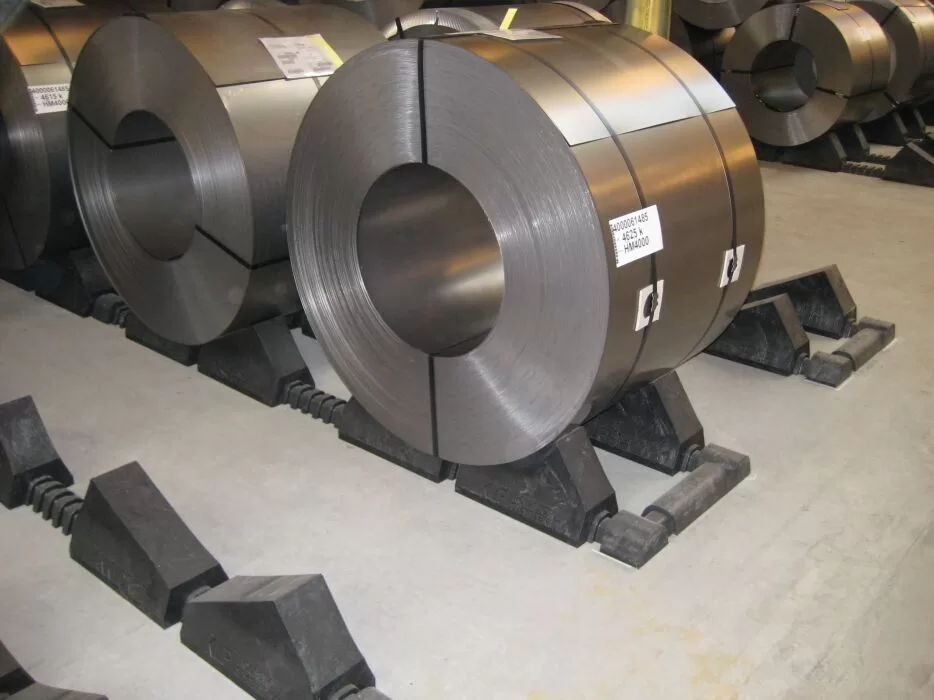
You are likely reading this because you are looking for real solutions, not just another sales pitch. As someone who built a successful packing machine factory from the ground up, I understand the problems you face every day. We can look at how the right strapping system can change your operation.
Why is Manual Coil Strapping a Problem for Greek Factories?
Are you still relying on people to strap heavy coils? The problems with this method go beyond just being slow. It creates big headaches for factory managers, from lost money to worker safety risks.
Manual coil strapping in Greek factories leads to significant downtime because of slow speeds and reliance on human effort. It causes high labor costs, increases the risk of worker injuries from heavy lifting, and often results in inconsistent, damaged product packaging. These issues stop you from meeting your output goals.

The way companies handle coil strapping has a big impact on their bottom line. When I first started in the packing machine industry, I saw many plants struggling with these exact problems. They were using outdated methods. This caused a domino effect of issues.
The Hidden Costs of Manual Coil Strapping
Manual coil strapping seems like a low-cost option at first. But, when you look closer, it comes with many hidden expenses. These expenses pile up and can really hurt your profits. First, there are the direct labor costs. You need multiple workers for this heavy and repetitive task. Their wages add up quickly. Overtime pay makes it even worse, especially when you push for higher production.
Second, efficiency is a big problem. People work slower than machines. They also need breaks. This means your packing line cannot run at its full speed. It creates a bottleneck. This bottleneck slows down your entire factory. It limits how much you can produce in a day. This means you miss out on potential sales and revenue.
Third, safety is a huge concern. Moving and strapping heavy steel coils by hand is dangerous. Workers can suffer muscle strains, back injuries, or even crushed limbs. I saw many such incidents early in my career. These accidents lead to high medical costs, increased insurance premiums, and lost workdays. If an injured worker cannot come back to work, you also have to spend time and money to train new staff. This also affects morale.
Fourth, product damage is common with manual handling. Steel coils are heavy. Their edges can get damaged when workers move them or apply straps unevenly. This damage means customer complaints. It can also lead to product returns. Sometimes, you have to scrap the damaged product entirely. All of this cuts into your profits. You spent money to make the coil, but cannot sell it.
Finally, there is the issue of consistency. It is hard for people to apply straps with the same tension every time. This means some coils might not be secured well enough. They can shift during transport. This makes them unsafe. It also makes your company look bad to customers. An automatic system removes all these problems. It ensures every strap is perfect. It works at a steady, fast pace. It also keeps your workers safe.
How Can Automatic Strapping Machines Solve Downtime and Safety Issues?
Are you looking for a way to make your factory run smoother and safer? Automatic strapping machines are the answer. They directly attack the core problems of downtime and worker risk.
Automatic strapping machines reduce downtime by operating continuously and quickly. They remove the need for manual labor in heavy coil handling. This dramatically increases safety by preventing workplace injuries. These machines apply straps consistently and efficiently, which also lowers product damage and ensures faster shipment in places like Greece.
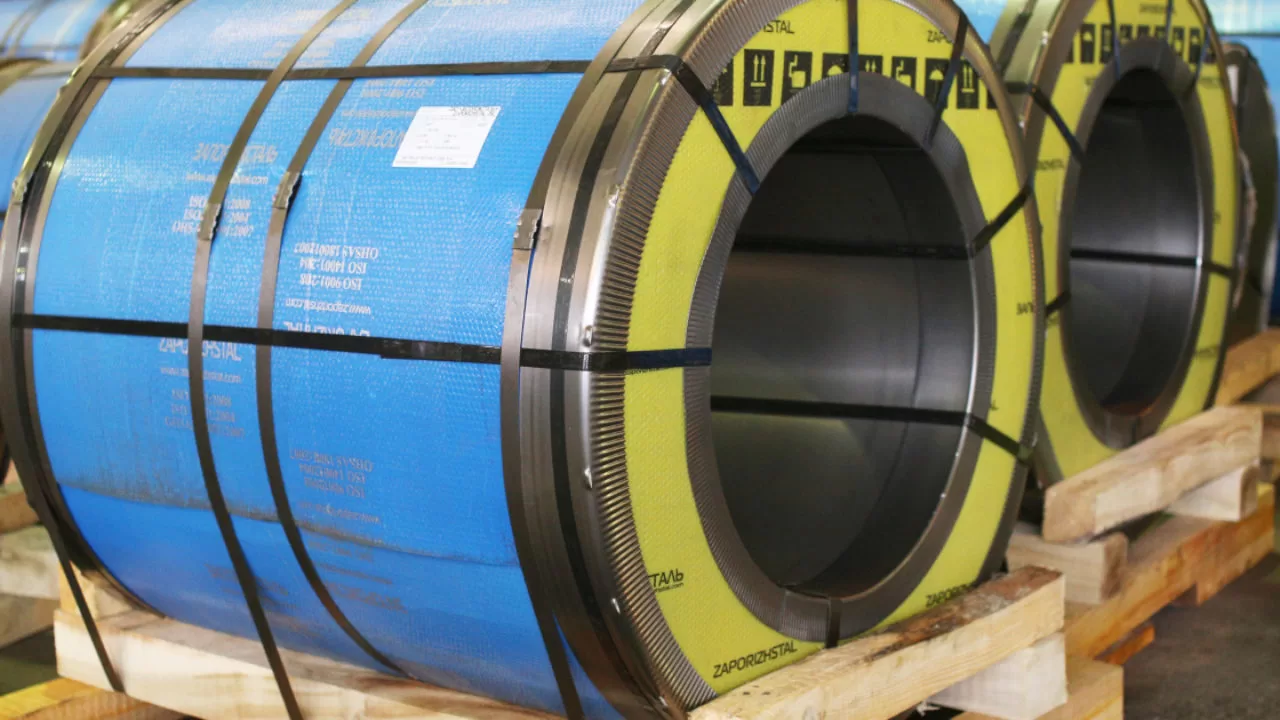
My own journey in the packing industry taught me a lot about efficiency. When I decided to build my factory, I knew automation was critical. It was not just about making more money. It was also about creating a better, safer work environment for my team.
The Tangible Benefits of Automation
Investing in an automatic coil strapping machine is a big step. But it brings many clear benefits that directly affect your operations and your bottom line. First, the most obvious benefit is the huge increase in speed. These machines can strap coils much faster than any human team. They work without breaks. They can handle high volumes of products. This means your packing line moves quickly. It keeps up with the rest of your production. This eliminates bottlenecks. Your factory can run at its full capacity. This helps you meet tight delivery schedules. It also lets you take on more orders.
Second, safety improves drastically. As I mentioned, manual handling of heavy coils is dangerous. An automatic system takes people out of harm’s way. Workers no longer need to lift or position heavy coils. The machine does all the heavy work. This prevents accidents like strains, sprains, or even serious crushing injuries. Less accidents mean lower insurance costs for your company. It also means happier, healthier workers. A safe workplace also improves employee morale. People feel more secure at work. This can lead to lower employee turnover.
Third, you will see a big reduction in product damage. Automatic strapping machines apply straps with precise tension. They do it consistently every time. This stops coils from moving during transport. It protects their edges from damage. Less damage means fewer customer complaints. It means less product returns. It also means less scrap material. This saves you money directly. It also keeps your customers happy. Happy customers are loyal customers.
Fourth, labor costs go down. You need fewer workers for the strapping process. The workers you keep can be assigned to other tasks. These tasks might add more value to your product. This lets you use your human resources more effectively. Over time, the savings in labor costs can quickly pay for the machine. This is your return on investment (ROI).
Fifth, quality control gets better. Every strap is applied with the same force. Every coil is secured in the same way. This means your product packaging is consistent. It looks professional. It makes your brand look reliable. This helps build trust with your customers. They know they will get a well-packed product every time. An automatic system simply works better and more reliably than manual methods.
PET vs. Steel Strapping: Which is Right for Your Coils?
Are you wondering what type of strap to use with your new machine? The choice between PET and steel strapping is important. Each has its own strengths and weaknesses. It depends on your specific needs.
The choice between PET (polyester) and steel strapping for coils depends on factors like coil weight, transport conditions, and cost. Steel strapping offers high tensile strength for very heavy loads and harsh environments. PET strapping provides good strength with elasticity, is rust-resistant, and can be more cost-effective for many applications, especially in a maritime climate like Greece.
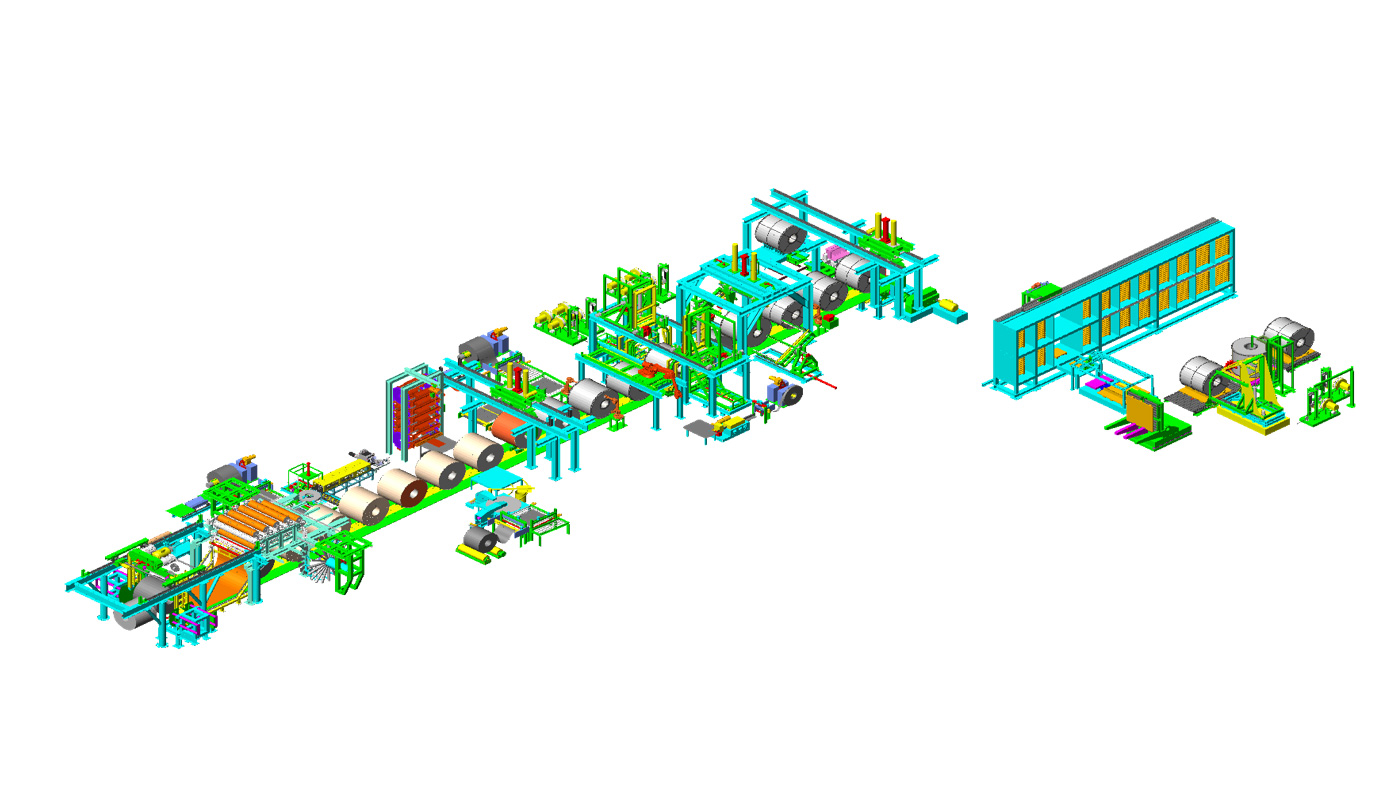
When I advise clients, I always tell them to look beyond just the upfront cost of the strap itself. You must consider the total cost of ownership. This includes how easy it is to use, how well it protects your product, and its impact on your operations.
Understanding the Differences in Strapping Materials
Choosing the right strapping material is critical for the safety and integrity of your coils during transit. Both steel and PET (polyester) straps are common. But they each have unique properties that make them suitable for different situations.
Steel Strapping Steel strapping has been the traditional choice for heavy industrial applications for a long time. It offers extremely high tensile strength. This means it can hold very heavy and compact loads without breaking. It is very rigid. This rigidity helps to compress and hold large, heavy steel coils tightly. It works well in harsh environments. This includes places with sharp edges or extreme temperatures. It resists cuts and abrasions very well. For industries dealing with the heaviest gauge steel coils, steel strapping is often the only option that provides enough holding power. However, steel strapping has some drawbacks. It is heavier than PET strap. This can make it more expensive to ship. It also requires specific tools for application, and special safety precautions during use because of its sharp edges and recoil danger. It can also rust if exposed to moisture. This is something to think about in a country like Greece with its coastal areas.
PET (Polyester) Strapping PET strapping is a newer alternative that has gained much popularity. It is made from recycled plastic. This makes it a more environmentally friendly option. PET strap has high tensile strength, too. It can handle most heavy loads. But it also offers a degree of elasticity. This elasticity is important. It means the strap can stretch and then recover. This helps it to maintain tension on a coil even if the coil shifts or settles a bit during transport. This is a big advantage for products that might settle. PET strap is also rust-resistant. This makes it perfect for outdoor storage or shipping in humid conditions. This is a clear benefit for operations in Greece. It is also lighter than steel strap. This can reduce shipping costs for your packaged goods. It is safer to handle because it does not have sharp edges. It is also easier to dispose of. For many medium to heavy-duty coil applications, PET strapping can provide a more cost-effective and safer solution than steel. It does not have the same cutting risk.
| Feature | Steel Strapping | PET (Polyester) Strapping |
|---|---|---|
| Tensile Strength | Very High | High |
| Elasticity | Low (Rigid) | High (Recovers tension) |
| Weight | Heavy | Lighter |
| Rust Resistance | Low (Prone to rust) | High (Rust-proof) |
| Safety | Sharp edges, higher recoil risk | Safer to handle, no sharp edges |
| Cost | Generally higher material cost | Generally lower material cost |
| Application | Extremely heavy, rigid loads, harsh environments | Most heavy loads, loads that settle, humid environments |
| Environmental | Not easily recyclable | Often made from recycled materials, more recyclable |
Your choice should depend on the specific weight of your coils. It should also depend on how they will be stored and transported. For operations in Greece, where humidity can be an issue and transport might involve sea travel, PET’s rust resistance is a big plus. However, for the absolute heaviest coils, steel might still be necessary. Many modern automatic machines can handle both materials. This gives you flexibility.
Choosing the Best Coil Strapping Partner in Greece: What to Look For?
Are you feeling cautious about choosing a new equipment supplier? Many factory managers have been let down by companies that only care about the sale. It is important to find a partner who truly understands your needs.
Choosing the best coil strapping machine partner, especially for operations in Greece, means finding a supplier with deep industry knowledge and proven after-sales support. Look for someone who understands your unique production bottlenecks and safety concerns. They should offer solutions that show clear ROI, not just sell equipment. Trust and expertise are key.

My experience building FHOPEPACK taught me that trust is earned. It comes from delivering real value. It comes from understanding the customer’s problem before offering a solution. I started my business because I saw a need for reliable, knowledgeable partners in the packing machine industry.
Beyond the Sale: What a True Partner Offers
When you are looking for a coil strapping machine, you are not just buying a piece of metal. You are investing in a solution that will impact your entire factory. This is why choosing the right partner is so important. A good partner goes far beyond simply selling you a machine.
First, look for deep industry understanding. The supplier should not just know their products. They should know your industry. They need to understand the challenges of metal processing. They should know about the specific issues with coil handling and strapping. When I talk with factory managers, I always try to understand their daily operations. I ask about their biggest pain points. I ask about their goals. This helps me suggest the right solution. A true partner can talk about production bottlenecks. They can discuss safety risks. They can analyze efficiency problems from your perspective. They use their own experience to guide you.
Second, strong after-sales service is non-negotiable. What happens if the machine breaks down? How quickly can you get spare parts? Will they provide technical support? Many companies promise good service before the sale. But they disappear afterward. This is a common complaint I hear. You need a partner who commits to your success long-term. This means quick response times for issues. It means readily available spare parts. It means knowledgeable technicians who can help. Downtime is expensive. A partner who understands this will prioritize your uptime.
Third, look for a supplier who focuses on solutions and ROI. They should not just push their most expensive machine. They should explain how their machine will solve your specific problems. They should show you the return on investment (ROI). This means how much money you will save. It means how quickly the machine will pay for itself. They should help you calculate how much you will save on labor costs. They should help you see the reduction in product damage. They should also show you the increase in output. A good partner helps you make a strong business case for the investment.
Fourth, seek out a track record of success. Ask for case studies. Ask for references from other factory managers. Do they have experience working with companies in Greece or similar regions? A partner with a proven history gives you peace of mind. It shows they know what they are doing. This is why I started FHOPEPACK. I wanted to share my real-world experience building and running a successful packing machine factory. My goal is to help others avoid the mistakes I saw and learned from. A true partner helps you make smarter decisions. They help you grow your business. They help you achieve your goals, not just theirs.
My Insights: Building a Future-Proof Coil Packing Operation in Greece?
As someone who worked on the factory floor and then built a successful packing machine factory, I know the value of smart decisions. My journey in the coil packing industry allowed me to achieve financial independence. Now, through FHOPEPACK, I want to share that knowledge. My goal is to help you succeed.
For factories in Greece, the path to a future-proof coil packing operation is clear. It involves moving away from old, manual methods. It means adopting modern, automated systems. This is not just about buying a machine. It is about rethinking your entire process.
First, think about the long game. Do not just look at the upfront cost. Look at the total cost of ownership. Consider the labor savings over many years. Think about the huge drop in worker injury costs. Think about how much less product will be damaged. These savings add up fast. They make automatic systems a smart financial move for the long term.
Second, prioritize worker safety. This is not just a legal requirement. It is a moral one. It also makes good business sense. A safe workplace leads to happier workers. It leads to lower turnover. It builds a positive company culture. Automatic strapping removes people from dangerous tasks. This is a win for everyone.
Third, embrace efficiency. In today’s global market, you must be fast. You must be reliable. Automation lets you achieve consistent high output. It lets you meet customer demands quickly. This gives you a competitive edge. It helps your business grow.
Finally, choose your partners carefully. You need someone who understands your challenges. You need someone who has been there. At FHOPEPACK, we do not just sell machines. We share knowledge. We offer solutions. We help you make informed decisions. We want to see your business in Greece thrive. This is my commitment. It is what FHOPEPACK is all about.
Conclusion
Automatic PET/steel coil strapping systems dramatically cut downtime, boost safety, and improve efficiency in Greek factories. Investing in automation and choosing a trusted partner is key for long-term growth and success.








