
Coil Wrapping Machine in Indonesia: How Does It Work for Ring-Shaped Products?
Many factory managers in Indonesia face the same problems. You might be struggling with slow, manual packing lines. Your team could be at risk handling heavy coils. Maybe you see product damage before shipments even leave the factory. These issues do not just slow you down. They eat into your profits and make your job harder. You need solutions that work.
A coil wrapping machine wraps ring-shaped products like steel coils, wire coils, or rubber tires automatically. It applies stretch film, paper, or woven tape around the product’s circumference. This creates a secure, protective layer. The machine feeds the material around the coil as it rotates or as the wrapping head moves. This process makes packing faster and protects goods from damage, dust, and moisture. It works for many different ring-shaped items.

Understanding how these machines work is just the first step. You need to know how they can transform your operations. Let us dig deeper into the real benefits and practical applications. We will look at how a coil wrapping machine can solve the daily challenges you face.
1. Why is Manual Coil Packing a Problem for Indonesian Factories Like Yours?
Are you still relying on manual labor for packing coils in your factory? This common practice might seem cost-effective at first glance. However, it often brings a host of hidden problems. These problems slow down your production and put your workers at risk. It is a challenge many factory managers in Indonesia face daily.
Manual coil packing relies on people to apply wrapping materials by hand. Workers might use stretch film or tape to cover steel coils or wire bundles. This method is slow. It takes a lot of time for each product. It also involves heavy lifting and awkward movements. This increases the risk of injuries and product damage. It is a labor-intensive process that can limit your factory’s output.
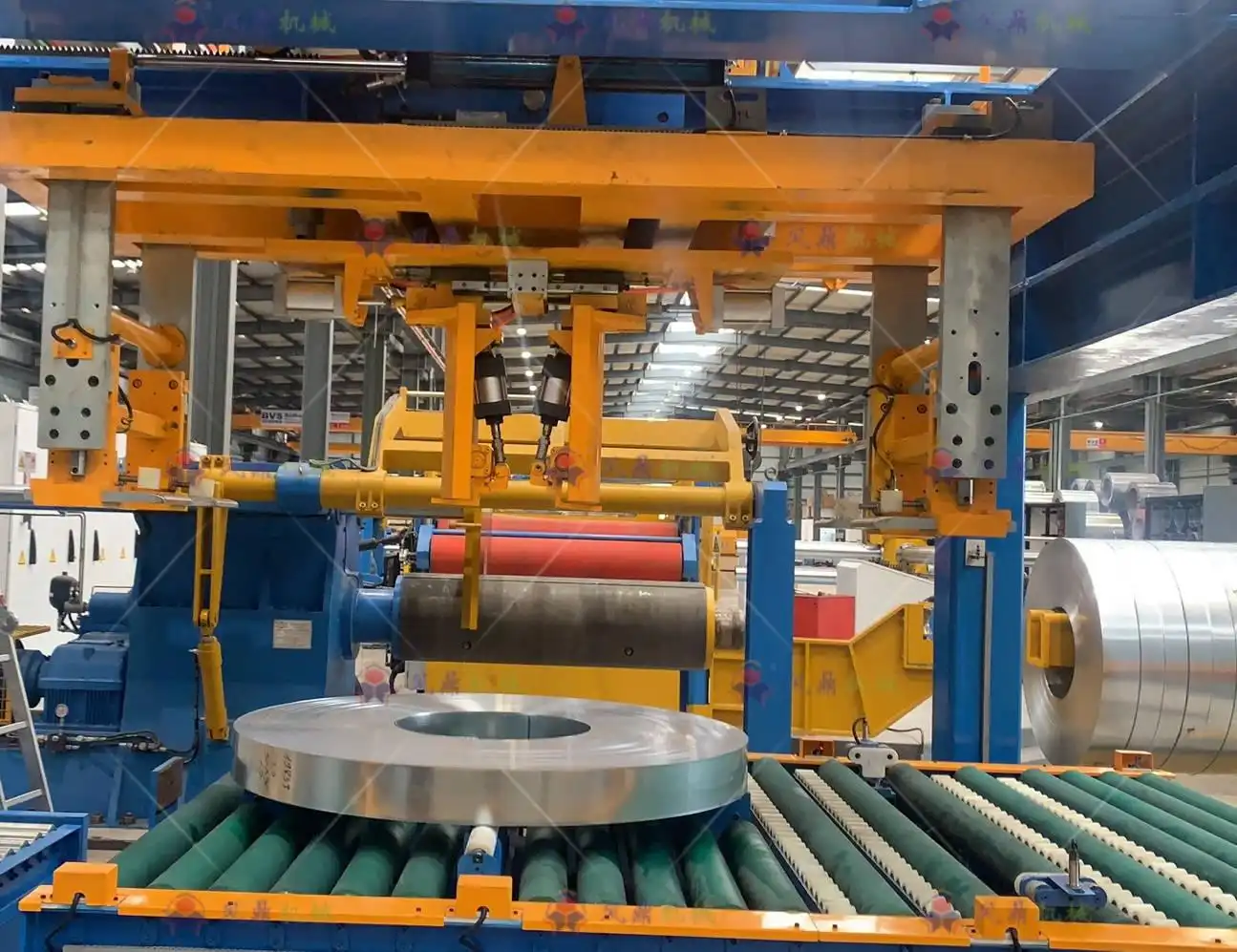
Let me tell you, from my own experience building a packing machine factory, I have seen these issues firsthand. When I started as an employee, manual packing was everywhere. It was inefficient. It was dangerous. We spent too much time and money on these old methods. For any factory manager, understanding these specific pain points is important. It helps you see the true cost of not automating.
The Real Costs of Manual Coil Packing
Manual coil packing creates many problems. These issues affect production, safety, and your bottom line.
-
Efficiency Bottlenecks:
- Slow Speed: Human hands cannot match machine speed. Each coil takes a long time to wrap. This slows down the entire production line. It creates a bottleneck at the end of the process.
- Inconsistent Output: Different workers wrap at different speeds. The quality of wrapping also varies. This makes it hard to predict output. It also makes it difficult to maintain consistent quality standards for your customers.
- Limited Throughput: With manual methods, you can only pack so many coils per shift. This limits your factory’s total production capacity. It stops you from taking on bigger orders or growing your business.
-
Safety Hazards:
- Heavy Lifting Risks: Steel coils and wire bundles are very heavy. Workers often lift, turn, or maneuver these items by hand. This leads to back injuries, strains, and other accidents. This is a serious concern for any factory manager.
- Repetitive Strain Injuries (RSIs): The constant twisting, bending, and stretching involved in manual wrapping causes RSIs. These injuries can keep workers off the job. They also increase healthcare costs and affect staff morale.
- Increased Insurance Costs: More workplace injuries mean higher insurance premiums for your factory. This directly impacts your operating budget.
-
Product Damage and Loss:
- Edge Damage: During manual handling, coils can bump into things. Their edges can get bent or scratched. This damage can make products unsellable. It leads to customer complaints and returns.
- Insufficient Protection: Manual wrapping might not be tight or consistent enough. This leaves products vulnerable to dust, moisture, or corrosion during storage and transport.
- Material Waste: Workers sometimes use too much wrapping material. Or they apply it poorly, requiring re-wrapping. This wastes valuable resources and increases costs.
These problems compound over time. They create a cycle of inefficiency and risk. Moving away from manual processes is not just about buying a machine. It is about investing in the future of your factory and the safety of your people. It helps you meet your production goals and keeps your customers happy.
2. What is a Coil Wrapping Machine and How Does It Tackle Ring-Shaped Products?
Have you ever wondered what makes modern factories so efficient? Often, it is smart automation. A coil wrapping machine is a key part of this automation for many industries. If you produce ring-shaped products, this machine can change your entire packing process. It is built to solve the manual packing problems we just discussed.
A coil wrapping machine is an automated system designed to wrap protective materials around items with a hole in the center. These are usually ring-shaped, like steel coils, wire coils, or large hoses. The machine works by moving a wrapping head around the stationary product or by rotating the product itself. It applies stretch film, paper, or woven fabric tightly. This process secures the product. It also protects it from damage, dust, and moisture during storage and transit. It replaces slow and risky manual methods with speed and consistency.
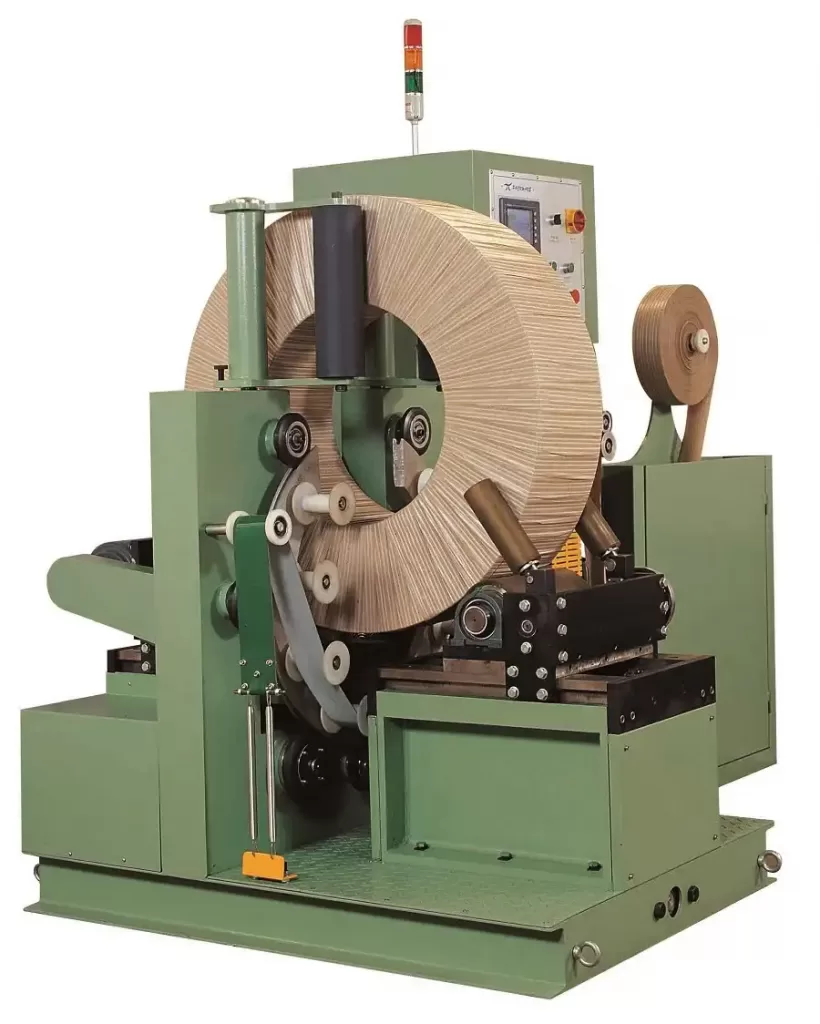
When I first started FHOPEPACK, I knew the demand for better packing solutions was huge. My journey from a factory employee to owning a successful packing machine factory taught me this. Customers needed reliable machines that could handle their unique products. They wanted to improve their operations, just like you do. Coil wrapping machines were a big part of that solution. They brought a level of precision and speed manual methods could never achieve.
How Coil Wrapping Machines Operate for Different Ring-Shaped Products
Coil wrapping machines come in different designs. Each design suits specific product types and factory layouts. However, the core principle remains the same: efficient, automated wrapping.
| Feature | Horizontal Coil Wrapping Machine | Vertical Coil Wrapping Machine |
|---|---|---|
| Product Type | Large steel coils, wire bundles, rubber tires, pipe coils. | Smaller wire coils, rebar coils, specific hose bundles. |
| Product Handling | Coil usually moves through a rotating ring (wrapping head). | Coil is placed on a rotating turntable. Wrapping arm moves vertically. |
| Wrapping Motion | The wrapping ring rotates horizontally around the coil’s circumference. | The coil rotates horizontally on its base. Wrapping material moves up/down. |
| Space Requirement | Often requires more linear space for product entry and exit. | Can be more compact, suitable for tighter spaces. |
| Automation Level | High. Can integrate into existing production lines with conveyors. | Also high. Often used as standalone units or with simple conveyors. |
| Typical Output | High throughput for heavy, large coils. | Good throughput for medium-sized coils. |
| Common Uses | Metal processing plants, tire factories, large cable manufacturers. | Wire drawing factories, smaller rebar production, textile industry. |
Here is a step-by-step breakdown of the wrapping process:
- Product Loading: The ring-shaped product, let us say a steel coil, is moved into the machine. This can be by crane, forklift, or an automated conveyor system. For horizontal wrappers, the coil passes through the center of the wrapping ring. For vertical wrappers, it sits on a rotating platform.
- Wrapping Material Setup: The machine holds a roll of wrapping material. This can be stretch film, paper, or woven material. The operator threads the leading edge of this material to the coil.
- Initiating Wrap Cycle: The machine starts the wrapping process.
- For Horizontal Machines: The wrapping ring begins to rotate rapidly around the coil. The wrapping material unspools from the roll. It applies tightly to the coil’s outer and inner circumference.
- For Vertical Machines: The turntable holding the coil rotates. A dispensing arm moves up and down. This wraps the material around the coil’s circumference as it spins.
- Overlap and Tension Control: The machine controls the overlap of the wrapping material. It also maintains consistent tension. This ensures a uniform and secure wrap. Proper tension is crucial. It prevents the material from being too loose or too tight, which could damage the coil or break the film.
- Cutting and Sealing: Once the desired number of wraps is complete, the machine automatically cuts the wrapping material. A sealing mechanism often secures the end of the film. This prevents it from unraveling.
- Unloading: The wrapped coil is then moved out of the machine. This can be to another conveyor, a stacking area, or directly onto a truck for shipment.
This automated process drastically improves consistency and speed. It also reduces the need for manual handling of heavy items. This makes your factory safer and more productive. It is a smart investment for anyone looking to modernize their packing operations in Indonesia.
3. How Does a Coil Wrapping Machine Boost Safety and Efficiency in Your Operations?
As a factory manager, you constantly balance production goals with worker safety. It is a tough job. You need solutions that improve both. A coil wrapping machine is one such solution. It directly tackles the twin challenges of keeping your team safe and your production running smoothly.
A coil wrapping machine significantly boosts safety by reducing manual handling of heavy coils. Workers do not need to lift or manipulate awkward products. This lowers the risk of back injuries and other accidents. It also improves efficiency by automating the wrapping process. This means faster cycle times, consistent package quality, and higher throughput. It replaces slow, inconsistent human effort with precise, tireless machine operation, freeing up your team for other tasks.
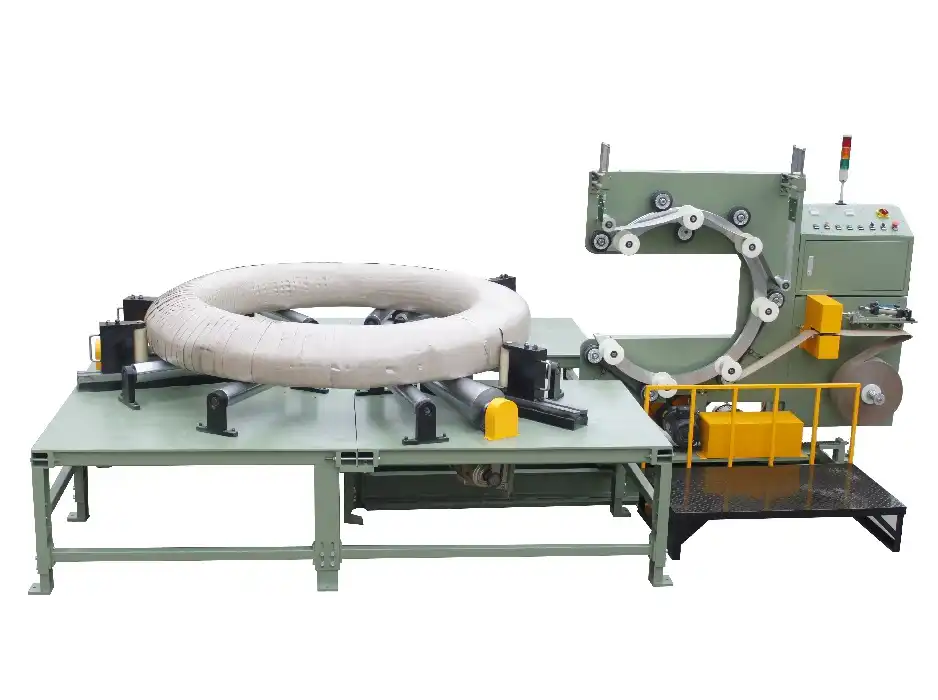
When I think back to the early days, before automation was common, safety was always a concern. Workers faced real dangers every day. That is why, at FHOPEPACK, we believe in sharing knowledge that truly helps. We want to empower factories to make smarter, safer choices. Investing in a coil wrapping machine is not just about speed. It is about creating a better, safer work environment for everyone. It also helps your factory run like a well-oiled machine.
Tangible Benefits: Safety and Efficiency Improvements
Let us break down how these machines specifically improve safety and efficiency in a factory setting.
Safety Improvements
-
Minimizing Human-Product Interaction:
- Reduced Manual Lifting: The most direct safety benefit is removing the need for workers to manually lift or turn heavy coils. Machines take over this hazardous task. This greatly reduces the risk of musculoskeletal injuries.
- Controlled Environment: Wrapping occurs within the machine’s safety perimeter. This shields workers from moving parts and the product itself during the wrapping cycle. It creates a much safer workspace.
- Fewer Accidents: With less manual intervention, the chances of dropping coils, crushing injuries, or other accidents decrease significantly. This leads to a safer workplace overall.
-
Ergonomic Benefits for Workers:
- Less Repetitive Strain: Workers no longer perform repetitive, strenuous motions. This reduces the incidence of carpal tunnel syndrome, shoulder injuries, and back problems. Your team will be healthier and more comfortable.
- Improved Morale: A safer work environment leads to higher employee morale. Workers feel valued when their safety is prioritized. This can reduce employee turnover.
Efficiency Enhancements
-
Increased Speed and Throughput:
- Faster Wrapping Cycles: Coil wrapping machines can wrap products much faster than any human. This means more coils are packed per hour or per shift. This directly boosts your factory’s output capacity.
- Continuous Operation: Machines do not get tired. They can run for long periods without breaks. This ensures continuous production flow and minimizes downtime.
- Eliminating Bottlenecks: By automating the end-of-line packing, these machines remove a common bottleneck. This allows the entire production line to operate at its optimal speed.
-
Consistent Quality and Reduced Waste:
- Uniform Wrapping: Machines apply wrapping material with consistent tension and overlap. This creates a tight, secure, and professional-looking package every time. Manual methods struggle to achieve this consistency.
- Minimized Product Damage: Better, more consistent wrapping protects products from dust, moisture, and impact damage during transit and storage. This reduces customer complaints and product returns.
- Optimized Material Usage: Machines are programmed to use just the right amount of wrapping material. This reduces waste compared to manual wrapping, where excess material is often used.
-
Cost Savings and ROI:
- Reduced Labor Costs: By automating the process, you can reduce the number of workers needed for packing. These workers can then be reassigned to other, more valuable tasks.
- Lower Insurance Premiums: Fewer workplace injuries can lead to lower insurance costs over time. This contributes to overall operational savings.
- Higher Customer Satisfaction: Consistent product quality and reliable delivery improve customer satisfaction. This can lead to repeat business and a stronger market reputation.
Implementing a coil wrapping machine is a strategic decision. It not only protects your workers but also streamlines your operations. It sets your factory up for greater success and profitability in the competitive Indonesian market.
4. What Should You Look for in a Coil Wrapping Solution to Ensure ROI and Trust?
Making a significant investment in new equipment requires careful thought. You want to make sure it pays off. You also need to trust the supplier. As a factory manager, you have probably faced suppliers who only care about making a sale. You need a partner who truly understands your needs. This is especially true when choosing a coil wrapping machine for your Indonesian factory.
To ensure a good return on investment (ROI) and build trust with a supplier, you should look for several key things. First, assess the machine’s durability and ability to handle your specific product range. Second, demand excellent after-sales support, including installation, training, and parts availability. Third, choose a supplier with deep industry experience and a track record of solving similar problems for other clients. This approach helps you avoid costly mistakes and builds a long-term, reliable partnership.
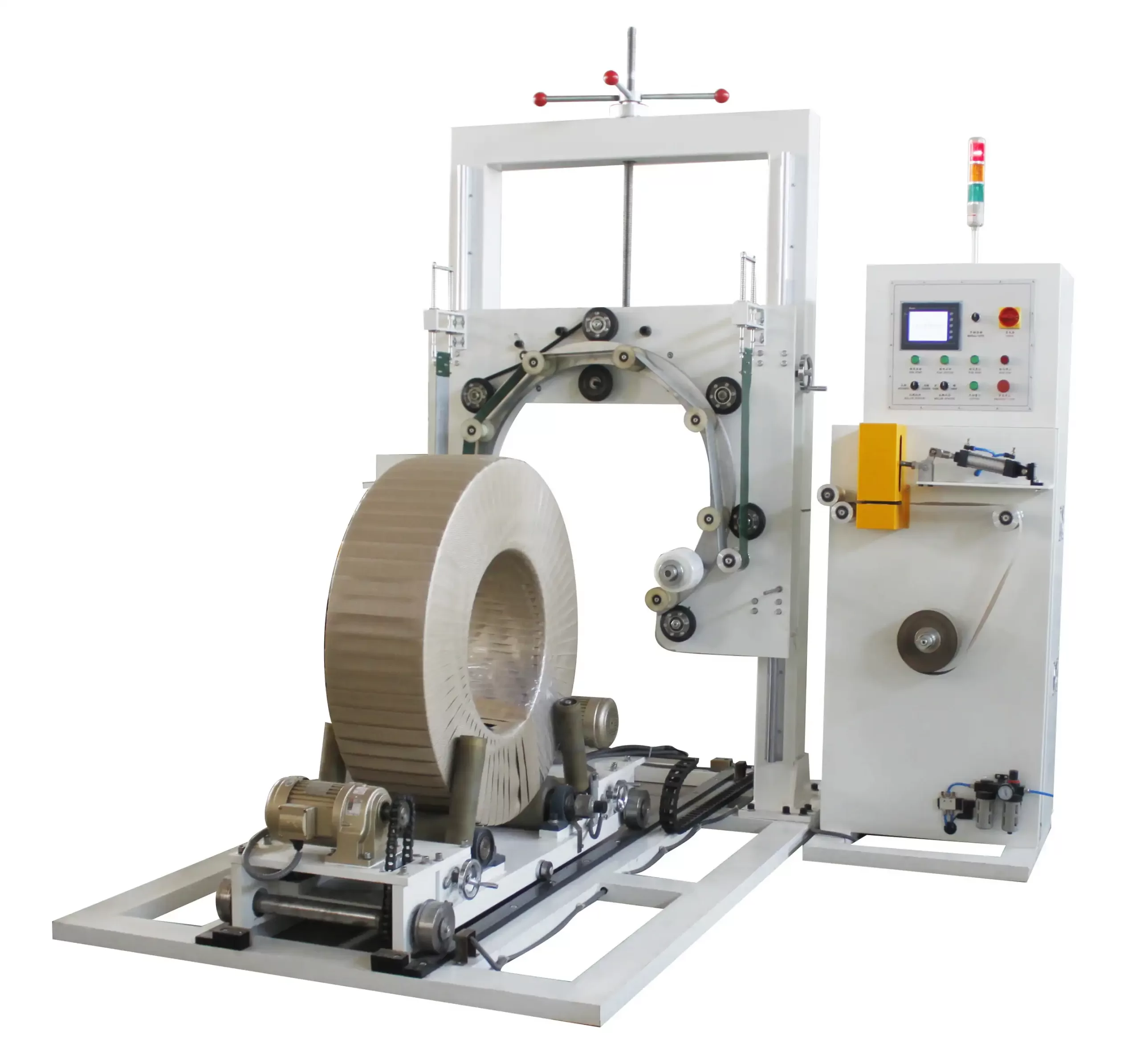
My journey in the packing machine industry has shown me the importance of being a trusted partner. When I started FHOPEPACK, I made a promise to provide not just machines, but real solutions and expertise. I know what it is like to build a factory from the ground up. I know the pressures you face. You need guidance, not just a sales pitch. This insight shapes how FHOPEPACK operates. We focus on helping you succeed, just as I have helped many clients grow their businesses.
Making the Right Choice: Key Considerations for Your Investment
Choosing the right coil wrapping machine and supplier involves looking beyond the initial price tag. You must consider long-term value and support.
Machine Specifications and Suitability:
- Product Compatibility:
- Does the machine handle the specific dimensions (diameter, width, weight) of your ring-shaped products?
- Can it use the wrapping materials you prefer (stretch film, paper, woven materials)?
- Is it adaptable for future product variations?
- Durability and Build Quality:
- Look for machines made with robust materials. Your factory environment can be harsh.
- Check for quality components (motors, bearings, electrical systems).
- Read reviews or ask for references from other users in similar industries in Indonesia.
- Automation Level and Integration:
- How automated is the loading, wrapping, and unloading process?
- Can it integrate seamlessly with your existing production lines (e.g., conveyors, handling systems)?
- Does it have user-friendly controls that your team can easily learn?
- Safety Features:
- Does the machine have proper safety guarding, emergency stops, and interlocks?
- Does it meet international safety standards? This protects your workers and your factory from liability.








