
How Can Pallet Inverters Reduce Cross-Contamination Compared to Manual Handling?
Imagine this: your products are ready, pristine and perfect, but a single dirty pallet can compromise everything. This is a common nightmare for warehouse managers, especially in the food and beverage sector. Cross-contamination is not just a buzzword; it is a real threat to product quality, consumer safety, and your brand’s reputation. Ignoring it can lead to massive losses, regulatory fines, and damaged trust.
Pallet inverters reduce cross-contamination by creating a controlled, minimized-contact environment for transferring goods from one pallet to another, inherently limiting human interaction and the spread of contaminants from dirty or incompatible pallets to clean products or new pallets.
We all want to keep our products safe and our operations smooth. Understanding how a simple change in your pallet handling process can make a big difference is crucial. Let’s explore how modern pallet inverters not only boost efficiency but also dramatically improve hygiene standards in your warehouse.
What is cross-contamination in warehousing and why does it matter?
Have you ever worried about invisible threats in your warehouse? Cross-contamination is one of them. It happens when unwanted substances, like bacteria, allergens, or foreign debris, transfer from one source to another. This often happens from dirty pallets or equipment to your clean products. It is a big problem in any supply chain, but it is especially critical in food and beverage.
Cross-contamination in warehousing refers to the unwanted transfer of contaminants, such as microorganisms, allergens, or physical debris, from one pallet, product, or surface to another, posing significant risks to product integrity and consumer safety.
I have seen many operations over the years. When I started as an employee in a packing machine factory, and later built my own successful factory, I learned that small details can have huge impacts. For businesses dealing with food or pharmaceuticals, cross-contamination is not just an efficiency issue; it is a public health and legal issue. A single contaminated batch can lead to product recalls, massive financial penalties, and a complete loss of customer trust. I saw how this can really hurt a business that took years to build. Therefore, understanding its sources and how to stop it is very important.
Sources and Impacts of Cross-Contamination
Cross-contamination can come from many places. It is not always obvious. We must look at all parts of the warehouse process to find these risks.
Types of Contaminants
- Biological Contaminants: These include bacteria, viruses, molds, and yeasts. They can grow on pallets, equipment, or even in dust. If they get onto your products, they can cause spoilage or illness. This is a big worry for food products.
- Allergenic Contaminants: If your warehouse handles different products, some might contain allergens like nuts or dairy. These allergens can transfer to other products through shared pallets or equipment. This can be very dangerous for people with allergies.
- Physical Contaminants: This category includes things like splinters from old wooden pallets, dust, dirt, insects, or even small pieces of plastic. These can fall onto or into your products during handling.
- Chemical Contaminants: Sometimes, cleaning agents or other chemicals can accidentally transfer to products. This is less common but still a risk if procedures are not followed.
Where Contamination Happens
Contamination risks exist at various points in the warehousing process:
- Incoming Goods: Suppliers’ pallets might be dirty, damaged, or infested. If these pallets enter your clean zone, they bring contaminants with them.
- Storage Areas: Dust, pests, or even poor air circulation can contaminate products or pallets in storage.
- Handling and Transfer: This is where manual pallet handling becomes a big risk. When workers touch products, use shared tools, or move items between different types of pallets, contamination can spread easily.
- Outgoing Goods: If products are placed on contaminated pallets for shipping, the problem can extend to your customers. This is especially true for international shipments, where different pallet standards (like Euro vs. US pallets) mean frequent transfers.
The Cost of Contamination
The impact of cross-contamination goes far beyond just a damaged product.
- Product Recalls: This is the most direct and costly impact. Recalls cost millions of dollars in lost product, logistics, and reputation damage.
- Health Risks: Contaminated food or drink can make people sick, leading to lawsuits and damage to your brand.
- Regulatory Fines: Food safety agencies have strict rules. Failing to meet them can result in huge fines and even business closure.
- Lost Customer Trust: Once customers lose trust in your product’s safety, it is very hard to get it back. This can affect sales for years.
- Operational Delays: Investigating contamination, cleaning, and replacing affected products can stop your entire operation. This directly impacts delivery times and customer satisfaction.
As someone who helped many clients grow their businesses, I understand that avoiding these costs is key to long-term success. Prevention is always better than cure. This is why focusing on solutions like pallet inverters is so important. They help stop contamination at its source, making your warehouse safer and more efficient.
Why does manual pallet handling increase contamination risks?
Are you still relying on manual methods for changing pallets? Many companies do, and it is a big reason why contamination risks stay high. Manual handling introduces too many variables. It brings human error, inconsistent procedures, and direct contact with potential contaminants. This creates multiple weak points in your hygiene chain.
Manual pallet handling increases contamination risks due to frequent human contact, reliance on shared or uncleaned equipment, the direct transfer of dirty external pallets into clean zones, and the inherent difficulty in maintaining consistent hygiene protocols.

I have seen countless warehouses over my career. From my early days as an engineer, I noticed how often manual tasks were the bottleneck, not just for speed, but for quality and safety too. When workers manually transfer goods, they often touch the product, the old pallet, and the new pallet. Each touch is a chance for contaminants to spread. Dirty gloves, uncleaned hands, or even just dust from the environment can easily transfer. This is a major concern, especially when handling different pallet types like Euro pallets or plastic pallets that need to be swapped frequently.
The Hidden Dangers of Human Intervention
Manual handling seems simple, but it is full of hidden dangers. These dangers often lead to higher contamination risks.
Direct Human Contact
- Hands and Clothing: Workers’ hands and clothing can carry bacteria, dust, or allergens. When they touch products or the inside of pallets, these contaminants can transfer. Even with gloves, the gloves themselves can get dirty and spread contamination.
- Inconsistent Hygiene: It is hard to enforce perfect hygiene for every worker, every time. Some might forget to wash hands, others might touch their face, then the product. This creates inconsistent safety levels.
Contaminated Pallets and Equipment
- Dirty Incoming Pallets: Goods often arrive on pallets that have traveled long distances. These pallets can pick up dirt, pests, or even chemical residues. Manually moving products from these dirty pallets to clean warehouse pallets means these contaminants can easily transfer.
- Shared Tools: Hand jacks, forklifts, and other manual tools often move between different areas and touch many different pallets. If these tools are not cleaned regularly and thoroughly, they become carriers of contamination.
- Pallet Damage: Manual handling can damage pallets. Splinters from wooden pallets can fall onto products. This creates physical contamination.
Lack of Control and Standardization
- Variable Procedures: Without a machine to standardize the process, each worker might handle pallets slightly differently. This makes it hard to ensure every transfer meets the same hygiene standards.
- Difficulty in Segregation: It is harder to keep dirty incoming pallets completely separate from clean internal pallets and products during a manual transfer. There is often cross-over in the workspace.
- Time Pressure: In busy warehouses, workers are often under pressure to work fast. This can lead to shortcuts in hygiene practices, like not fully inspecting a pallet or quickly wiping it down instead of proper cleaning.
For warehouse managers like Carlos, who handle thousands of pallets daily and need to switch between Euro, US, and plastic pallets, these manual risks are a constant challenge. They contribute to labor costs, safety incidents, and potential fines. I have always believed that automation is key to solving these kinds of problems, providing a consistent, clean, and safe process that manual handling simply cannot match.
How does a pallet inverter offer a cleaner solution for your warehouse?
Now, let’s look at the solution. How can a pallet inverter turn these contamination risks into a thing of the past? It is all about control, separation, and minimal contact. A pallet inverter creates a sterile, efficient, and consistent way to transfer products from one pallet to another. This means you can keep dirty external pallets out of your clean zones.
A pallet inverter offers a cleaner solution by providing a dedicated, automated, or semi-automated process for pallet transfer, which significantly reduces direct human contact, segregates dirty incoming pallets from clean internal pallets, and ensures a controlled environment for product handling.
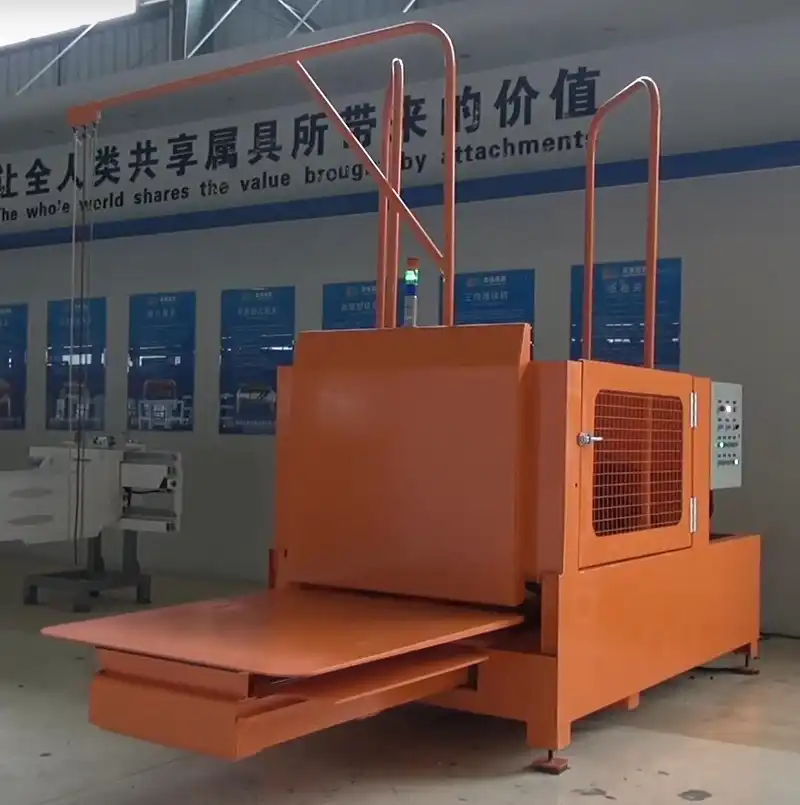
My experience in building packing machine factories showed me the power of designed solutions. We do not just build machines. We create systems that solve real-world problems. For cross-contamination, a pallet inverter is a game-changer. It allows you to quickly and safely switch products from an incoming pallet, which might be dirty or damaged, to a clean, standardized internal pallet. This happens without anyone manually touching the product or the potentially contaminated pallet. This kind of controlled transfer is vital for industries with strict hygiene rules.
The Pallet Inverter Advantage: Control and Cleanliness
Pallet inverters bring a new level of control and cleanliness to your warehouse. They are specifically designed to minimize contamination points.
Minimized Human Contact
- Automated Process: Most pallet inverters are automated or semi-automated. This means the machine does the heavy lifting and flipping. Workers guide the process, but they do not physically touch the product or the different pallets during the transfer. This greatly reduces the risk of human-borne contamination.
- Reduced Exposure: Products are exposed to the open environment for a very short time during the transfer. This minimizes the chance of airborne contaminants like dust or bacteria settling on them.
Segregation of Pallet Types
- Clean Zones: Pallet inverters allow you to establish clear “dirty” and “clean” zones. Incoming goods arrive on external pallets in the dirty zone. The pallet inverter then transfers the product to a clean, internal pallet (like a Euro pallet or a plastic pallet) which then moves into your clean storage or processing areas. This physical barrier stops contaminants from entering your main facility.
- Versatile Pallet Handling: Pallet inverters can handle various pallet types, including wooden, plastic, Euro, and US standard pallets. This makes switching easy, ensuring that only approved, clean pallets are used internally. This flexibility is perfect for operations like Carlos’s, which handles diverse international shipments.
Hygienic Design and Operation
- Easy to Clean Machines: Modern pallet inverters are designed with smooth surfaces. They have minimal crevices where dirt can build up. This makes them easy to clean and sanitize regularly. Some models even have wash-down capabilities.
- Controlled Environment: The entire transfer process happens within the machine’s footprint. This enclosed, controlled environment is much cleaner than an open floor where manual transfers occur.
- No Pallet Damage: Pallet inverters handle goods gently. They prevent damage to pallets and products. This reduces physical contamination from splinters or broken pallet pieces.
I have seen how integrating a pallet inverter transforms operations. It is not just about moving goods. It is about moving them safely and cleanly. This level of precision and hygiene is something manual handling can never consistently achieve. For businesses where product integrity is paramount, this controlled approach is simply indispensable.
What are the broader benefits of automated pallet changing beyond hygiene?
While reducing cross-contamination is a big win, automated pallet changing with a pallet inverter offers much more. It solves many operational challenges that warehouse managers like Carlos face every day. From saving money to keeping workers safe, the benefits extend across the entire supply chain.
Automated pallet changing, powered by a pallet inverter, delivers broader benefits beyond hygiene by significantly improving operational safety, boosting efficiency and speed, reducing labor costs, ensuring compliance with diverse pallet standards, and enhancing overall warehouse organization.
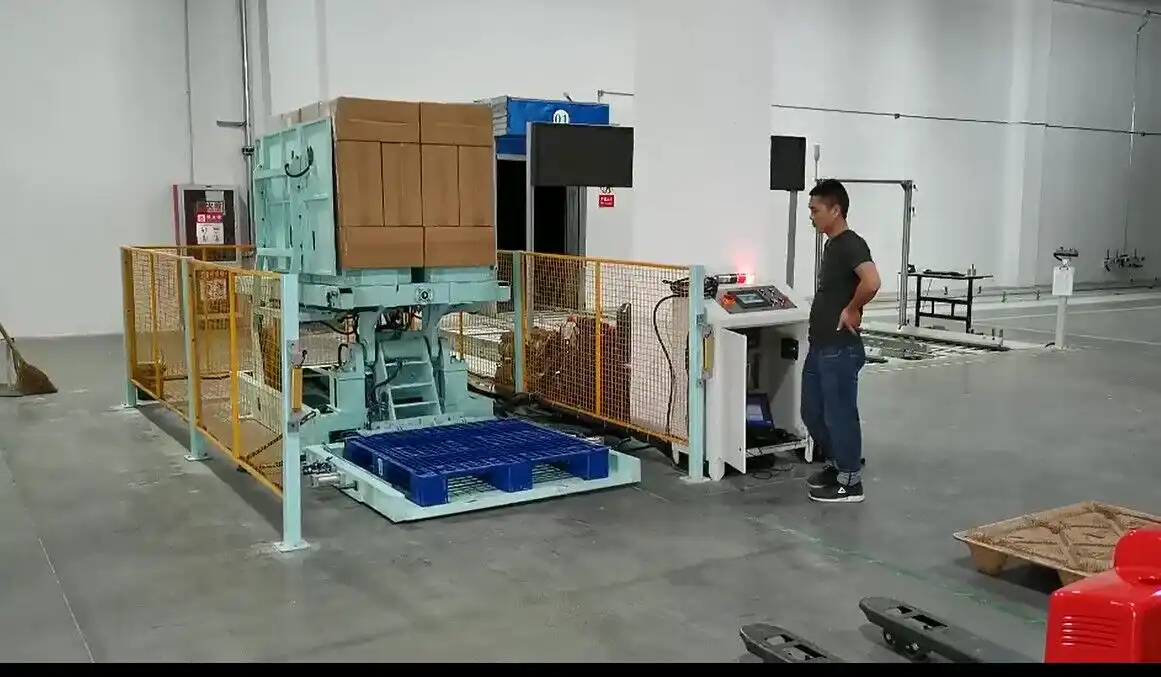
I have always aimed to help my clients not just with machines, but with solutions that make their businesses financially independent and help them grow. When I see clients implementing pallet inverters, I see direct results. They are not just buying a piece of equipment. They are investing in a healthier, safer, and more profitable future for their warehouse. This is about making a smart business decision that pays off in many ways, just like many of my clients found with our coil packing and handling machines.
Comprehensive Advantages for Modern Warehousing
Automated pallet changing addresses several critical areas for warehouse and logistics professionals. These benefits are especially important for managers in the food and beverage industry who deal with high volumes and strict regulations.
Enhanced Safety for Workers and Products
- Reduced Accidents: Manual pallet handling, especially flipping or transferring heavy loads, is dangerous. Workers can suffer back injuries, crushed limbs, or accidents from falling goods. Pallet inverters remove workers from these risky situations, leading to fewer workplace injuries. This means lower insurance costs and a safer environment for everyone. Carlos knows this well, having experienced several accidents.
- Product Protection: The controlled, gentle movement of an inverter prevents product damage that can occur during rough manual handling. This reduces waste and preserves product quality.
Increased Efficiency and Throughput
- Faster Pallet Swaps: Pallet inverters complete transfers in minutes, much faster than manual methods. This significantly speeds up the receiving, staging, and shipping processes. For operations handling thousands of pallets daily, this efficiency gain is massive.
- Consistent Speed: Machines work at a constant speed without getting tired. This ensures a steady flow of goods, preventing bottlenecks and improving overall warehouse throughput.
- Improved Flow: With quicker and safer transfers, the entire material flow within the warehouse becomes smoother and more predictable.
Significant Cost Reduction
- Lower Labor Costs: Pallet inverters reduce the need for multiple workers to perform strenuous, manual pallet transfers. This addresses labor shortages and rising labor costs. It allows existing staff to focus on more skilled tasks.
- Reduced Damage Costs: Less product and pallet damage means fewer replacements and less waste.
- Avoided Fines and Penalties: By ensuring compliance with hygiene and pallet standards, businesses avoid costly fines and contract penalties from delayed or non-compliant shipments.
- Lower Insurance Premiums: Fewer workplace accidents can lead to reduced insurance costs over time.
Compliance and Adaptability for Diverse Pallets
- Meets International Standards: For businesses involved in international logistics, switching between Euro, US, plastic, and other specific pallets is a daily necessity. Pallet inverters handle these transitions seamlessly, ensuring compliance with destination country requirements.
- Maintains Supply Chain Integrity: By allowing the use of only clean, approved internal pallets for storage and processing, pallet inverters help maintain a secure and compliant supply chain.
| Feature | Manual Pallet Handling | Automated Pallet Inverter |
|---|---|---|
| Cross-Contamination | High Risk (human touch, dirty pallets) | Low Risk (minimal contact, clean zones) |
| Worker Safety | High Risk (injuries, accidents) | Very Low Risk (automated process) |
| Efficiency/Speed | Slow, inconsistent, labor-intensive | Fast, consistent, high throughput |
| Labor Costs | High, requires multiple workers | Low, minimal human intervention |
| Pallet Versatility | Difficult, manual effort for different types | Easy, handles diverse pallet types seamlessly |
| Product Damage | Higher risk of drops, breakage | Lower risk, gentle handling |
| Compliance | Challenging to maintain hygiene/pallet rules | Easier to meet strict standards |
These comprehensive benefits show why automated pallet changing is not just an upgrade but a necessity for modern, competitive warehouses. It is a long-term partnership with technology that helps your business thrive.
Conclusion
Pallet inverters fundamentally enhance warehouse hygiene by minimizing human contact and segregating pallets, effectively reducing cross-contamination. They also significantly boost safety, efficiency, and cost savings, making a pallet inverter an essential tool for modern logistics.








