
Coil Wrapping Machine in Singapore: Why Should Metal Plants Automate Now?
Running a metal processing plant, especially in a competitive market like Singapore, brings unique pressures. You are constantly balancing output, quality, cost control, and worker safety. Many managers I talk to feel stuck with old methods, particularly in the packaging area. They see the problems but might not realize the full potential of modern solutions. This is not just about keeping up; it is about staying ahead.
Automating with a coil wrapping machine offers metal plants in Singapore a critical edge by dramatically improving efficiency, enhancing worker safety, and safeguarding product quality, ultimately leading to significant cost savings and increased profitability in today’s demanding industrial landscape.

As someone who built a packing machine factory from the ground up, I understand these challenges deeply. I have seen the transformation that the right equipment can bring. If you are a plant manager in Singapore, facing daily battles with production bottlenecks, safety concerns, and damaged goods, then understanding the power of automation, specifically with coil wrapping machines, is crucial. Keep reading to explore why now is the time to make this vital shift.
1. Why are manual coil packing methods no longer sustainable for Singaporean metal plants?
Have you ever watched your team painstakingly wrap heavy metal coils by hand? You see the effort, the time, and the risks involved. This traditional way of packing coils introduces significant problems for any metal plant aiming for modern efficiency. It creates clear bottlenecks at the end of the production line. These manual processes are simply not built for the speed and consistency that today’s market demands.
Manual coil packing methods are no longer sustainable because they introduce severe efficiency bottlenecks, pose high safety risks to workers, and significantly increase the potential for product damage, which collectively drives up operational costs and compromises overall plant productivity and profitability.

The impact of these manual processes goes far beyond just slow wrapping. They affect the entire operation. From my own experience running a factory, I have seen how one slow point can ripple through the whole system. This means delayed shipments, unhappy customers, and lost opportunities. The pressures on plant managers in Singapore are intense. They need to meet strict delivery schedules and maintain high quality standards. Manual packing makes both of these goals much harder to achieve. We need to look closely at the specific areas where manual methods fall short.
The Hidden Costs of Hand-Wrapping Metal Coils
Manual coil packing, while seemingly cheaper upfront, carries a heavy long-term price tag. Understanding these costs is essential for any plant manager considering automation.
-
Operational Inefficiencies:
- Slow Throughput: Each coil takes a long time to wrap. This reduces the number of coils a plant can process daily. The entire production line often has to slow down or wait for the packaging stage. This wastes valuable production time.
- Labor Dependency: Manual packing needs many workers. These workers are assigned to a task that a machine could do faster. Finding and keeping skilled labor in Singapore is also a challenge, adding to the cost and complexity.
- Inconsistent Quality: Human effort varies. Some coils might be wrapped tighter than others. This inconsistency affects the package’s protective qualities. It also makes the final product look less professional.
-
Worker Safety Hazards:
- Heavy Lifting and Repetitive Strain: Workers handle heavy wrapping materials and move around large, cumbersome coils. This leads to back injuries, muscle strains, and other work-related accidents. Such injuries are costly. They result in medical expenses, lost workdays, and higher insurance premiums.
- Accident Risks: Moving heavy coils manually always carries a risk. A slip, a dropped item, or a misstep can lead to severe injury. Ensuring a safe working environment is a primary concern for plant managers. Manual handling makes this harder.
-
Product Damage and Loss:
- Edge Damage: During manual handling or wrapping, the edges of metal coils often get bumped or scratched. This damage can make the product unusable or lower its value.
- Poor Protection: Hand-wrapping may not provide uniform tension or coverage. This means the coil is not fully protected against moisture, dust, or impact during transport. Customers receive damaged goods, which leads to complaints and returns.
- Financial Impact: Product damage directly reduces profits. It leads to rework, scrap material, and compensation for customers. This erodes the profit margins of the plant.
These factors combine to create an unsustainable situation for metal plants aiming for growth and efficiency in Singapore. The old ways hold back progress.
2. How do coil wrapping machines solve these pressing challenges for metal plants?
After seeing the problems manual packing causes, the next natural question is about the solution. Coil wrapping machines are specifically designed to tackle these very challenges head-on. They transform the packaging process from a bottleneck into a smooth, efficient operation. These machines bring a level of speed, consistency, and safety that manual methods can never match.
Coil wrapping machines solve pressing challenges for metal plants by automating the packing process, significantly boosting operational efficiency and speed, drastically reducing safety risks for workers, and ensuring consistent, high-quality packaging that protects products from damage, leading to a more reliable and profitable production line.

I have helped many clients implement these machines. The change in their operations is always clear and quick. From my firsthand experience, the most impactful improvements come from addressing the core issues: speed, safety, and quality. A well-designed coil wrapping machine does not just wrap; it integrates into the production flow, making the entire process more coherent. This is especially important for Singaporean plants needing to maintain high throughput and meet strict international standards. Let us look at the specific ways these machines deliver solutions.
Transforming Operations with Automated Coil Wrapping
Automated coil wrapping machines introduce fundamental improvements across the entire packaging workflow.
-
Boosting Operational Efficiency:
- High-Speed Packaging: Machines wrap coils much faster than humans. This eliminates bottlenecks at the end of the line. Production can flow continuously without delays. Plants can increase their daily output significantly.
- Consistent Performance: Machines work tirelessly. They do not get tired or make mistakes. This means every coil gets wrapped with the same tension and coverage. The consistency ensures reliable protection for every product.
- Reduced Labor Needs: One machine can do the work of several people. This frees up workers for more skilled or less dangerous tasks. It also helps address labor shortages common in many industrial sectors.
-
Enhancing Worker Safety:
- Minimizing Manual Handling: Workers no longer need to lift heavy wrapping materials or physically manipulate large coils. The machine does the heavy work. This drastically reduces the risk of back injuries, strains, and accidents.
- Safe Operating Environment: Machines are designed with safety features like emergency stops and protective enclosures. This creates a much safer workspace compared to manual operations where human error can lead to injuries.
- Compliance with Standards: Automated systems help plants meet workplace safety regulations more easily. This reduces the risk of fines and improves the company’s reputation as a responsible employer.
-
Improving Product Quality and Protection:
- Uniform Wrapping Tension: Coil wrapping machines apply consistent tension to the wrapping material. This creates a tight, secure package that effectively protects the coil from dust, moisture, and physical damage during storage and transit.
- Full Coverage: The wrapping process is precise. It ensures complete coverage of the coil’s surface, including vulnerable edges. This prevents common issues like edge damage that manual wrapping often misses.
- Reduced Damage Claims: Better protection means fewer damaged products reaching customers. This leads to fewer customer complaints, fewer returns, and better customer satisfaction. It protects the company’s brand and bottom line.
By directly addressing the inefficiencies, risks, and quality problems of manual packing, coil wrapping machines are a smart investment for any metal plant in Singapore looking to modernize and optimize its operations.
3. What is the true return on investment (ROI) for automating coil wrapping in Singapore?
Investing in new machinery always comes with questions about cost and benefit. For a plant manager in Singapore, knowing the true return on investment (ROI) for a coil wrapping machine is critical. It is not just about the purchase price of the equipment; it is about the long-term gains that positively impact the company’s financial health. Many people only see the upfront cost. However, the real picture includes all the money saved and generated over time.
The true return on investment (ROI) for automating coil wrapping in Singapore is high because it leads to substantial savings from reduced labor costs, lower material waste, decreased product damage, and enhanced safety, while simultaneously boosting production output and customer satisfaction, all of which contribute directly to increased profitability and a quick payback period for the initial investment.
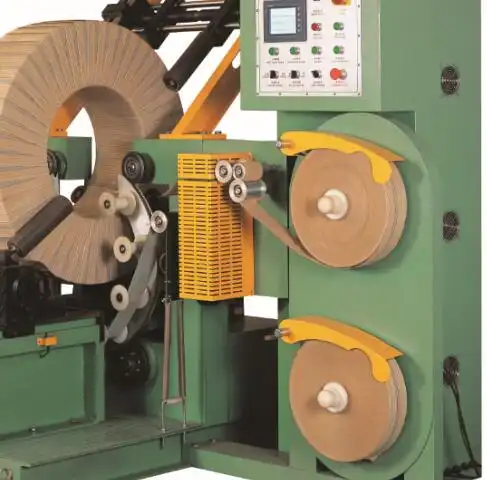
I have seen countless factories transform their balance sheets through smart automation. When I was building my own factory, every investment had to be carefully weighed. The decision to automate packing was always easy because the numbers spoke for themselves. For a plant in Singapore, where labor costs are significant and efficiency is paramount, the financial case for automation is even stronger. It is about understanding the full economic picture, not just isolated costs. Let us break down the key components that drive the ROI for coil wrapping machines.
Calculating the Value: Beyond the Price Tag
The financial benefits of automating with a coil wrapping machine are multi-faceted and accumulate rapidly.
| Investment Area | Manual Packing Costs | Automated Coil Wrapping Machine Benefits |
|---|---|---|
| Labor | High wages for multiple packing staff, overtime, training. | Reduced labor needs, reallocation of staff to value-added tasks. |
| Product Damage | Frequent damaged coils, scrap, rework, customer returns. | Minimal product damage, reduced waste, fewer customer claims. |
| Material Waste | Inconsistent wrapping, material overlap, re-wrapping. | Optimized material usage, precise wrapping, less waste. |
| Safety Incidents | High insurance premiums, medical costs, lost workdays. | Significantly reduced accidents, lower insurance, improved morale. |
| Throughput/Output | Slow packing speed, production bottlenecks, missed deadlines. | Faster packing, increased overall production capacity. |
| Customer Satisfaction | Damaged goods, delayed shipments, negative perception. | Consistent quality, on-time delivery, enhanced reputation. |
| Maintenance & Downtime | High labor for manual tasks, potential for human error-induced issues. | Regular machine maintenance, predictable performance, less unscheduled downtime. |
-
Significant Labor Cost Reduction:
- Automated machines can replace several manual laborers in the packing area. This directly reduces payroll expenses. In Singapore, where labor costs are relatively high, these savings add up quickly.
- The workers freed up can then be assigned to other, more complex tasks where human skill is essential. This optimizes your workforce.
-
Reduced Material Waste and Product Damage:
- Coil wrapping machines use material efficiently. They apply the wrapping film with consistent tension and overlap, minimizing waste.
- The precise, secure wrapping protects coils from damage during handling, storage, and transport. This means fewer scrapped products, fewer customer complaints, and ultimately, less financial loss from damaged goods.
-
Improved Safety and Lower Insurance Costs:
- Fewer manual handling incidents mean fewer worker injuries. This directly lowers medical costs, workers’ compensation claims, and insurance premiums.
- A safer workplace also boosts employee morale and reduces employee turnover, which has its own financial benefits in terms of recruitment and training costs.
-
Increased Production Capacity and Throughput:
- By eliminating packing bottlenecks, the entire production line can operate more smoothly and at a higher speed. This leads to increased output and the ability to fulfill more orders.
- Higher output means more sales and greater revenue potential for the plant.
-
Enhanced Customer Satisfaction and Brand Reputation:
- Delivering consistently well-protected products on time builds trust with customers. This leads to repeat business and positive referrals.
- A reputation for efficiency and quality strengthens your position in the competitive Singaporean market.
When all these factors are considered, the initial investment in a coil wrapping machine quickly pays for itself. The improved profitability and operational resilience it brings are invaluable for any metal plant manager looking to secure the future of their business in Singapore.
4. How can Singaporean metal plants choose the best automation partner for long-term success?
After seeing the clear benefits and strong ROI, the next challenge is selecting the right partner. Investing in a coil wrapping machine is a significant decision. You are not just buying a piece of equipment; you are entering a long-term relationship. Many plant managers have told me about bad experiences with vendors who only focus on making a sale and then disappear when problems arise. This kind of experience makes anyone cautious, and rightly so.
Singaporean metal plants can choose the best automation partner for long-term success by seeking a provider with deep industry expertise, a proven track record of reliable equipment and robust after-sales support, a clear understanding of specific operational challenges, and a commitment to delivering solutions that offer measurable value and contribute to the plant’s sustained growth.
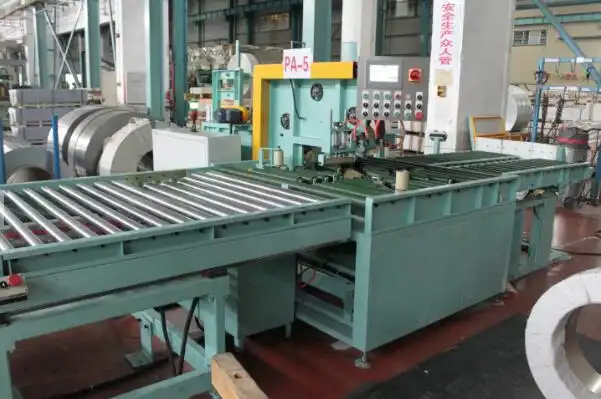
From my own journey in the packing machine industry, I have learned that true partnership comes from shared understanding and a commitment to solving problems. It is about finding someone who views your challenges as their own. For metal plants in Singapore, this means looking beyond the glossy brochures. It means asking the right questions and evaluating a supplier’s full offering. The right partner will not just sell you a machine; they will help you integrate it, train your team, and ensure it continues to perform optimally for years to come. Let us explore the critical factors in making this important choice.
Key Considerations for Selecting Your Automation Partner
Choosing a reliable partner is crucial for maximizing your investment and ensuring smooth operations.
-
Deep Industry Expertise and Understanding:
- Proven Experience: Look for a company with a long history in packing machines, especially for metal coils. They should understand the specific nuances of your industry, such as material types, coil sizes, and environmental conditions.
- Problem-Solving Approach: Does the partner listen to your specific challenges (e.g., efficiency bottlenecks, safety risks, product damage)? A good partner offers tailored solutions, not just generic products.
- Randal’s Insight: When I started FHOPEPACK, my goal was to share the knowledge gained from years of hands-on experience and building a successful factory. This deep understanding of factory operations is what truly makes a difference in partnership.
-
Reliable Equipment and Proven Technology:
- Quality and Durability: The equipment must be built to withstand the rigorous demands of a metal processing plant. Ask about the materials used, the manufacturing process, and quality control measures.
- Customization Options: Can the machine be adapted to your specific coil dimensions, production line layout, or desired wrapping materials? Flexibility is key for optimal integration.
- Performance Track Record: Request case studies, testimonials, or references from other plants that have used their coil wrapping machines.
-
Robust After-Sales Support and Service:
- Installation and Training: A good partner provides professional installation and comprehensive training for your operators and maintenance staff. This ensures your team can use and maintain the machine effectively.
- Availability of Spare Parts: Can you easily get spare parts when needed? Long waits for parts can lead to costly downtime. Inquire about local or regional parts availability, which is especially important in Singapore.
- Technical Support: What kind of ongoing technical support do they offer? Is it responsive, knowledgeable, and available when you need it? This includes troubleshooting and preventive maintenance advice.
-
Clear Value Proposition and ROI Focus:
- Transparent Pricing: Understand not just the machine cost, but also installation, training, and long-term maintenance costs.
- ROI Guidance: Does the partner help you understand and calculate the potential return on investment for your specific plant? They should be able to articulate how their solution will save you money and increase your profits.
- Long-Term Relationship: Look for a partner who sees beyond the initial sale and aims to build a lasting relationship based on trust and mutual success.
By carefully evaluating these points, metal plants in Singapore can choose an automation partner who will not only provide excellent coil wrapping machines but also support their journey towards greater efficiency, safety, and profitability for years to come.
Conclusion
Automating with coil wrapping machines is a strategic move for Singaporean metal plants. It addresses key challenges in efficiency, safety, and product quality, ensuring a strong ROI and sustainable growth.








