
What coil strapping machine Features Matter for Australia’s Coastal, Corrosive Environments?
Are you a factory manager, like my friend Michael Chen, facing constant pressure to boost output and cut costs? Do you worry about equipment failing under tough conditions? Many plants, especially those in Australia’s coastal areas, struggle with machinery breakdowns. This happens because the salty air and humid climate corrode vital parts. This slows down production and costs big money in repairs and downtime. You might be looking for a better way.
The most important features for a coil strapping machine in Australia’s coastal, corrosive environments are robust material selection, superior sealing, advanced corrosion-resistant coatings, and a strong, simple design for easy maintenance. These features directly address the unique challenges of salt, humidity, and high operational demands, ensuring the machine lasts longer and performs reliably.

I know these challenges well. I started FHOPEPACK because I believe in sharing knowledge. I built my own packing machine factory. I saw firsthand what happens when machinery cannot stand up to the job. My journey taught me the true value of reliable equipment and expert partnership. This is why I want to help you understand how to choose the right machine for your factory.
Why Do Coastal Environments Pose Such a Challenge for Coil Strapping Machines?
Do you run a plant near the coast? Have you seen your machines rust faster than expected? The air by the sea holds a hidden threat: salt. This salt causes major damage to industrial equipment. It speeds up corrosion, turning metal into dust. This leads to costly repairs and unexpected stops in your production line.
Coastal environments challenge coil strapping machines due to high humidity, airborne salt particles, and fluctuating temperatures. These factors combine to accelerate corrosion on metal components, degrade electrical systems, and compromise machine performance, making durable construction essential for any strapping machine operating in such regions.

When I was building my packing machine factory, I saw how different materials reacted to various conditions. I learned that what works in a dry, inland factory might fail quickly near the ocean. The air carries microscopic salt particles. These particles settle on machine surfaces. They absorb moisture from the air, creating a corrosive electrolyte. This process, called electrochemical corrosion, eats away at metal. It affects structural parts, electrical connections, and moving components. Michael Chen, a factory manager I know, often talks about finding durable equipment. He needs machines that can handle his factory’s high demands. He also needs them to withstand his harsh environment. This is why understanding the problem is the first step to finding a real solution.
Understanding Corrosion Mechanisms
Corrosion is not just simple rust. It is a complex chemical reaction. Different metals react differently. Steel, which makes up most machinery, rusts when it touches oxygen and water. Salt speeds this up. It acts as a catalyst. This means it makes the reaction happen faster.
- Galvanic Corrosion: This happens when two different metals touch in a corrosive environment. For example, if stainless steel touches regular carbon steel, the carbon steel will corrode faster. The salt acts as an electrolyte, creating an electrical current between the metals. This process wears down the less noble metal.
- Crevice Corrosion: This occurs in small, tight spaces. Water and salt get trapped there. The oxygen in these spaces gets used up. This creates an imbalance. It makes the metal in the crevice more likely to corrode. This is common in bolted joints or welds.
- Pitting Corrosion: This creates small holes or pits in the metal surface. It is very destructive. Salt often causes this. Once a pit starts, it gets deeper quickly. It can cause a machine part to fail suddenly.
My experience running a factory showed me that ignoring these details leads to big problems. A corroded part can seize up. It can cause a machine to stop. This leads to lost production time. For Michael, every minute of downtime means lost money and delayed deliveries. This directly impacts his profitability.
Material Deterioration Beyond Metal
Corrosion is not just about metal. It affects other machine parts too.
- Electrical Components: Salt and moisture can short circuit wires. They corrode terminals. This leads to electrical failures. Sensors might give wrong readings. Motors might stop working. This is a critical point for any automated machine.
- Lubricants and Seals: Corrosive environments can break down lubricants. They can make seals brittle. This allows more moisture and salt into the machine’s inner workings. Once inside, they damage bearings and gears. This shortens the life of the machine.
- Painted Surfaces: Paint protects metal. But if the paint cracks or chips, salt can get underneath. It causes the metal to corrode from the inside out. This makes the problem hard to see until it is too late.
| Component Type | Common Corrosion Impact | Resulting Machine Problem |
|---|---|---|
| Steel Frames | Rust, material weakening | Structural failure, reduced load capacity |
| Electrical Wires | Short circuits, signal loss | Malfunctions, machine stops |
| Bearings/Gears | Rust, increased friction | Seizure, overheating, breakdown |
| Sensors | Malfunctions, false readings | Inaccurate operation, production errors |
| Hydraulic Lines | Leaks, blockages | Loss of power, slow operation |
When a factory faces these issues, it is more than just a repair bill. It is a blow to their confidence in their equipment. Michael told me about bad experiences with suppliers. They sold machines that did not last. This is why choosing the right coil strapping machine from the start is so important. You need a machine built for these conditions.
What Core Design Features Ensure a Coil Strapping Machine Survives Harsh Australian Conditions?
Is your current strapping machine struggling in the salty, humid air? Are you spending too much on maintenance and replacements? It is not enough to just buy any machine. You need one built for your specific challenges. The right design choices make all the difference. They mean the machine will last, saving you time and money.
To survive harsh Australian coastal conditions, a coil strapping machine must feature extensive use of stainless steel or marine-grade alloys, IP65 or higher rated enclosures for all electrical components, multi-layer anti-corrosion coatings, and easily accessible parts for routine cleaning and maintenance. These elements create a robust barrier against environmental degradation.

My journey in the packing machine industry taught me that good engineering is about foresight. It is about understanding the environment where a machine will operate. When I designed machines, I always thought about their long-term use. This meant choosing the right materials and design principles. For an Australian coastal factory, this is not a luxury. It is a necessity. Many factory managers, like Michael, are looking for reliable partners. They want solutions that truly work. They do not want to buy a machine that fails in a year. This requires specific features designed to combat corrosion and wear.
Material Selection is Key
The first line of defense against corrosion is the material itself.
- Stainless Steel: Using stainless steel, especially grades like 304 or 316, for critical components is vital. Grade 316 is better because it contains molybdenum. This metal provides extra resistance to salt-induced pitting and crevice corrosion. It costs more, but it pays off in longer machine life.
- Non-Corrosive Materials: Some parts can use plastics or composite materials. These materials do not corrode. They are good for covers, guides, or other non-load-bearing parts. This reduces the overall amount of metal exposed to the environment.
- Special Alloys: For heavy-duty parts, special alloys might be needed. These alloys are designed for extreme conditions. They combine strength with corrosion resistance.
When I started my factory, I learned that cutting corners on material quality only led to bigger problems later. A cheaper machine might seem like a good deal at first. But if it breaks down often, it costs more in the long run. Michael’s experience with product damage during transit also highlights the need for reliable equipment. If the strapping machine fails, the coil might not be secured properly. This leads to damage.
Protection and Sealing
Materials alone are not enough. How the machine is built also matters.
- Protective Coatings: High-quality, multi-layer paint or powder coatings are crucial. Epoxy or polyurethane coatings offer good resistance to salt spray. These coatings should be applied to all carbon steel parts. They must resist chipping.
- Sealing of Electrical Components: All electrical cabinets, junction boxes, and control panels must have high IP (Ingress Protection) ratings. An IP65 rating means the enclosure is dust-tight and protected against water jets. This keeps salt and moisture out. It prevents short circuits and extends the life of sensitive electronics.
- Corrosion Inhibitors: Some machines use internal corrosion inhibitors. These can be VCI (Vapor Corrosion Inhibitors) packets inside electrical panels. They release chemicals that protect metal surfaces from corrosion.
- Heated Enclosures: In very humid areas, electrical enclosures can be heated slightly. This keeps condensation from forming inside. It prevents moisture damage.
| Feature Area | Specific Design Element | Benefit in Corrosive Environment |
|---|---|---|
| Materials | Stainless Steel (304/316) | High resistance to rust, pitting, crevice corrosion |
| Marine-Grade Alloys | Enhanced durability for structural components | |
| Non-Metallic Composites | Eliminates corrosion for certain parts, reduces overall maintenance | |
| Protection | Multi-Layer Anti-Corrosion Coatings | Forms a robust barrier against salt and moisture |
| IP65+ Electrical Enclosures | Prevents water/dust ingress, protects electronics | |
| Sacrificial Anodes (Zinc/Aluminum) | Protects critical steel parts from galvanic corrosion | |
| Accessibility | Modular Design, Easy-Open Panels | Simplifies cleaning, inspection, and preventative maintenance |
| Drainage Points | Prevents water pooling inside the machine |
In my own factory, I found that small details like proper sealing and choosing the right fasteners made a big difference. I made sure my machines were built to last. This gave my clients confidence. Michael is looking for exactly this kind of trust. He needs a machine that not only works but also survives. It needs to keep working day after day, year after year, in a harsh coastal environment.
How Can the Right Strapping Machine Boost Your Factory’s Efficiency and Safety in Tough Settings?
Are you still relying on manual labor for coil packing? Is safety a constant worry? Manual handling of heavy steel coils is slow. It also puts your workers at huge risk. Factories, like Michael’s, often face high insurance costs and employee turnover due to injuries. You need a better way to pack your products.
The right coil strapping machine automates the packing process, drastically reducing manual labor and the associated safety risks. This boosts packing speed, improves product consistency, and frees up workers for safer, higher-value tasks, leading to significant gains in overall factory efficiency and a safer work environment.
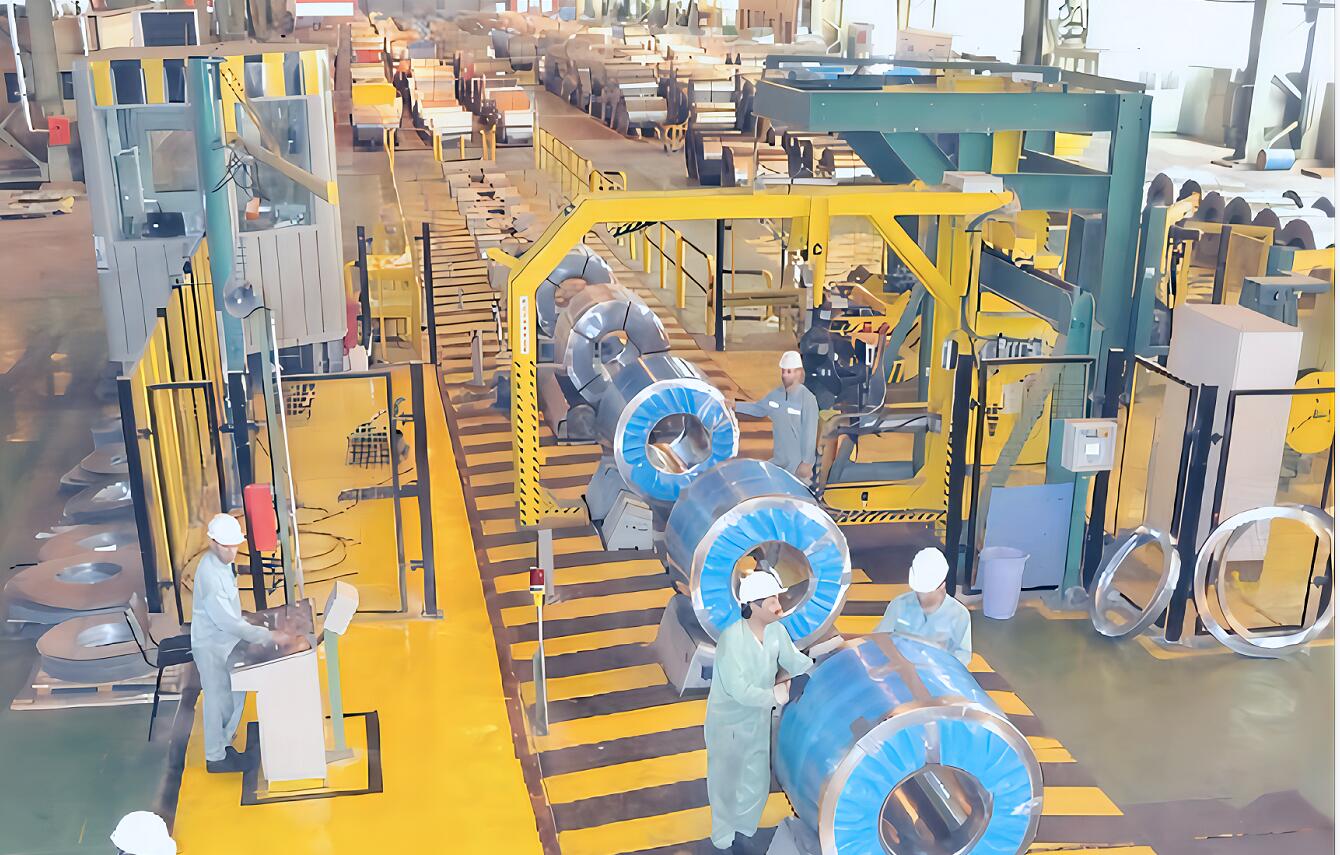
I remember the early days. Manual strapping was the norm. It was slow. It was dangerous. I saw the toll it took on workers. When I started my own factory, automation was a core goal. I knew it was the path to greater efficiency and safety. My clients wanted the same. Michael Chen is a factory manager. He sees the impact of manual processes. He wants to boost automation to solve production bottlenecks. He wants to improve safety by reducing heavy lifting. He also wants a clear ROI. He knows that investing in the right machine can cut labor costs and reduce product damage.
Elevating Safety Through Automation
Safety is not just a buzzword. It is vital for your employees. It affects your bottom line.
- Eliminating Manual Handling: Automated strapping machines handle heavy coils. They apply straps without human intervention. This means no more back injuries from lifting. No more crushed fingers from handling hot or sharp metal. This alone dramatically lowers workplace accidents.
- Reduced Human-Machine Interaction: With automation, workers stand clear of moving parts. They operate the machine from a safe distance. This reduces the chance of accidents. It also lessens exposure to noise and dust.
- Consistent Strapping Tension: Manual strapping often has inconsistent tension. This can lead to coils coming loose during transport. An automated machine applies precise, uniform tension. This keeps the coils secure. It prevents product damage and ensures safer handling during shipping. Michael’s concern about product damage is valid. Loose strapping means damaged goods, leading to customer complaints and profit loss.
My own experience taught me that a safe factory is a productive factory. Happy workers are more efficient. They stay longer. This reduces turnover costs. It creates a better work environment for everyone.
Boosting Efficiency and Throughput
Time is money in manufacturing. Every delay impacts delivery schedules.
- Increased Speed: Automated strapping machines work much faster than manual methods. They can strap coils in minutes, not hours. This speeds up the end-of-line process. It removes bottlenecks. It helps the factory meet tight deadlines.
- Consistent Quality: Machines apply straps with consistent tension and placement. This ensures every coil is packed the same way. This reduces product damage. It improves the look of your finished goods. It also means fewer customer complaints.
- Lower Labor Costs: One automated machine can do the work of several people. This frees up your staff. They can do other, higher-value tasks. This reduces your labor costs in the long run. The ROI on such an investment is clear.
- Improved Space Utilization: Automated systems are often more compact. They use space more efficiently than large manual packing areas. This can free up valuable floor space in your factory.
| Benefit Area | Manual Strapping Challenges | Automated Strapping Solutions |
|---|---|---|
| Safety | High risk of back injuries, crushed limbs, strains | Eliminates manual handling of heavy coils, reduces worker exposure |
| Inconsistent tension, loose coils during transport | Precise, consistent strap tension, improved product security | |
| Efficiency | Slow process, creates production bottlenecks | High speed, continuous operation, eliminates bottlenecks |
| High labor cost, inconsistent packing quality | Reduces labor needs, ensures uniform packaging quality | |
| Productivity | Dependent on worker stamina, prone to errors | Consistent throughput, high reliability, fewer errors |
| Cost | High insurance premiums, worker turnover | Lower labor costs, reduced product damage, improved ROI |
Michael is a practical manager. He values equipment reliability and efficiency. He knows that factory downtime means huge losses. Investing in automation is not just about buying a machine. It is about investing in a system that solves real problems. It helps his business grow. My goal at FHOPEPACK is to share my expertise. I want to help managers like Michael make smart decisions. I want to ensure their investments truly power their business growth.
Beyond the Machine: What Kind of Support Ensures Your Long-Term Success Down Under?
Have you ever bought equipment only to find the supplier disappears after the sale? Do you feel left alone when problems arise? Michael Chen shared his frustration with past suppliers. They were only interested in sales, not service. This makes finding a new partner a very cautious process. You need more than just a machine. You need a reliable, long-term partner.
Long-term success for a coil strapping machine in challenging Australian environments depends heavily on comprehensive after-sales support. This includes expert technical assistance, readily available spare parts, regular maintenance programs, and ongoing training. A trustworthy supplier acts as a true partner, ensuring continuous operation and maximizing your investment.

My personal journey from an employee to a factory owner taught me a lot about trust. I learned that business success is built on relationships. It is not just about selling a product. It is about providing ongoing value. When I established my factory, I made sure we offered strong support. I knew that the real challenge often begins after the machine arrives. For a factory manager like Michael, this partnership is critical. He needs someone who understands his production bottlenecks and safety concerns. He needs someone who offers professional insight and reliable solutions, not just a sales pitch.
The Pillars of True Partnership
A good supplier acts as an extension of your team.
- Expert Technical Support: When something goes wrong, you need quick, knowledgeable help. This means access to engineers who understand the machine inside out. They can diagnose problems remotely or provide on-site assistance when needed. My team at FHOPEPACK focuses on practical, real-world solutions. We know factory uptime is everything.
- Readily Available Spare Parts: Machines need parts. If a part breaks, you cannot wait weeks for a replacement. A reliable supplier keeps a strong inventory of spare parts. They can ship them quickly. This minimizes downtime. For Michael, every hour of lost production is money out of his pocket.
- Proactive Maintenance Programs: The best way to avoid breakdowns is to prevent them. A good supplier offers planned maintenance programs. Regular checks, lubrication, and parts replacement can catch small issues before they become big problems. This extends the machine’s life. It ensures consistent performance.
- Ongoing Training and Knowledge Sharing: Your team needs to know how to operate and maintain the machine safely and efficiently. A supplier should offer training programs. They should also share best practices. This empowers your staff. It helps them maximize the machine’s potential. My mission at FHOPEPACK is all about sharing knowledge. I believe in giving back to the industry.
| Support Aspect | What it Means for You | Why Michael Values This |
|---|---|---|
| Technical Support | Fast, knowledgeable help when issues arise | Minimizes downtime, ensures quick problem resolution |
| Spare Parts | Quick access to critical components | Prevents long production delays, avoids costly idle time |
| Maintenance | Scheduled service, preventative care | Extends machine lifespan, prevents unexpected breakdowns |
| Training | Empowering your staff to operate and maintain | Maximizes machine performance, enhances worker safety |
| Consultation | Expert advice on process improvement | Helps solve production bottlenecks, ensures ROI |
Michael’s challenge with supplier trust is common. Many companies only focus on the sale. They do not care about the long-term relationship. My philosophy is different. I built my factory from the ground up. I know the pressures Michael faces. I achieved financial independence through the packing machine industry. Now, I give back by sharing my expertise. This means offering true partnership. It means being there when you need help. It means providing solutions that grow your business. This is what FHOPEPACK stands for.
Conclusion
Choosing a coil strapping machine for Australia’s coastal, corrosive environments requires focusing on durable design, advanced protection, and strong post-sale support to ensure long-term efficiency, safety, and profitability.








