
How Does an Energy-Efficient Coil Strapping Machine Cut OPEX for Fabricators in Australia?
The pressure on Australian fabricators is real. Are you feeling the squeeze of rising operational costs, slow production lines, and constant worries about worker safety? Many factory managers I talk to are facing these exact challenges. They are trying to meet demand, cut expenses, and keep their teams safe, all at the same time. This is where manual packing methods often become a major roadblock. They drain your budget, slow down your output, and put your team at risk.
An energy-efficient coil strapping machine cuts OPEX for Australian fabricators by significantly lowering labor costs, reducing energy consumption, minimizing product damage, and improving workplace safety, leading to direct savings and increased overall efficiency in the long run.

I know firsthand the challenges of running a busy packing machine factory. The goal is always to get products out quickly, safely, and without wasting money. If you are serious about transforming your operations, reducing those persistent costs, and giving your business a competitive edge, then understanding the real impact of modern coil strapping machines is key. Let us dive deeper into how these intelligent solutions can make a big difference for your factory.
Streamlining Your Production: How Does Automation Boost Throughput for Australian Fabricators?
Are your current packing lines a constant source of frustration? Do you find that after all the effort in manufacturing, the final packing stage slows everything down? Many fabricators struggle with manual processes for coil and wire packing. This bottleneck can limit your overall production and delay customer deliveries, no matter how efficient your upstream processes are.
Automation boosts throughput for Australian fabricators by speeding up the packing process, ensuring consistent operation without human fatigue, and integrating seamlessly into existing production lines, thus eliminating manual bottlenecks and increasing overall output capacity.

From my experience, a factory is only as fast as its slowest step. Often, that slowest step is the packing line. When I was building my own packing machine factory, I quickly realized that relying on manual labor for strapping heavy coils was not sustainable. It was slow. It was inconsistent. And it simply could not keep up with demand. An automated coil strapping machine changes this whole picture. It works at a steady, predefined pace, day in and day out, without breaks or getting tired. This means a continuous flow of finished products. Imagine your coils moving smoothly from production to shipping, strapped perfectly every time. This speed also helps you avoid penalties for late deliveries, keeping your customers happy. More importantly, it allows your business to take on more orders. This means more sales and more profit. Automation makes your factory ready for growth. It lets you produce more with the same amount of space. This is a big deal in a competitive market like Australia. It means you can serve more clients. It means you can grow your business without needing a bigger factory building.
Faster Cycle Times and Continuous Flow
Manual strapping is slow. Each coil needs a person to walk around it. They must pull the strap. They must seal it. This takes a lot of time per coil. Automated machines do this job much faster. They use pre-set programs. They apply strap quickly and precisely. This reduces the time it takes to pack each coil. It also means less waiting time between coils. This leads to a continuous flow. Your products move through the packing line without stopping. This increases your overall output. You can process more coils in a single shift. This boost in speed directly translates to higher production capacity.
Reduced Human Error and Consistent Quality
People make mistakes. They might apply strap too loose. They might miss a spot. This can lead to damaged products or unsafe packages. Automated machines follow exact instructions. They apply the same tension every time. They strap in the same places. This ensures every coil is packed the same way. This consistency is important for quality control. It reduces errors. It lowers the chance of product damage during transit. This means fewer customer complaints. It means a better reputation for your business.
Integration with Existing Lines
Modern coil strapping machines are designed to fit into your current factory setup. They can connect with existing conveyors and material handling systems. This makes the transition smooth. You do not need to redesign your whole factory. The machine becomes part of your production flow. This seamless integration means you see the benefits of automation faster. It avoids long periods of downtime for installation.
| Feature | Manual Strapping | Automated Strapping Machine |
|---|---|---|
| Speed/Throughput | Slow, limited by labor | Fast, consistent, high |
| Consistency | Variable, prone to errors | High, precise, repeatable |
| Labor Requirement | High | Low |
| Integration | Standalone, isolated | Seamless with production |
| Bottleneck Risk | High | Low |
Protecting Your Team: Can a New Strapping Machine Truly Make Your Factory Safer?
Are you worried about the safety of your workers who handle heavy coils? Do you often deal with worker injuries or high insurance costs because of manual handling? In many metal fabrication plants, moving and strapping large, heavy coils is a very dangerous job. People lift, push, and bend in risky ways. This creates a high chance of accidents and long-term health problems for your team.
A new strapping machine truly makes your factory safer by eliminating the need for manual handling of heavy coils, reducing the risk of strains, crushes, and falls, and allowing workers to operate the machine from a safe distance, drastically cutting down on workplace injuries and improving overall safety protocols.

When I was building my packing machine business, I learned a lot about factory operations. One of the biggest lessons was that a safe workplace is also a productive one. When workers feel safe, they work better. When they get injured, it costs a lot. It costs in medical bills. It costs in lost workdays. It costs in lower team morale. Manual coil strapping is a prime example of a risky task. Workers have to handle heavy straps. They have to move around large, unstable coils. They often work in tight spaces. All these things can lead to serious injuries. Think about back injuries from bending and lifting. Think about crushed fingers or feet if a coil shifts. An automated strapping machine removes people from these dangers. The machine does the heavy lifting. It applies the strap. Workers control it from a safe distance, often with a simple button push. This means less physical strain. It means fewer accidents. This is not just about avoiding lawsuits. It is about protecting your most valuable asset: your people. A safer factory means less employee turnover. It means lower insurance premiums. It also means a happier, more dedicated workforce. This leads to better quality work and higher productivity.
Reduced Manual Handling Risks
The biggest safety benefit comes from taking manual handling out of the process. Workers no longer need to physically lift or maneuver heavy strapping tools. They do not have to walk around giant, unstable coils. These are common causes of back injuries, strains, and even crush injuries. An automated machine handles all the heavy materials. It positions the strap. It applies the force. This keeps your workers away from potential hazards. It lets them focus on supervising the process, not on risking their bodies.
Improved Workplace Environment
A safer workplace is a better workplace for everyone. When workers know they are not at constant risk of injury, their morale goes up. They feel more valued. This leads to less stress and more focus on their tasks. Reduced injuries also mean fewer lost workdays. This keeps your operations running smoothly. It means your team is consistently present and productive. Over time, a better safety record can also lead to lower workers’ compensation insurance costs. This is a direct saving for your business.
Emergency Stop and Safety Features
Modern strapping machines come with built-in safety features. These include emergency stop buttons. They have safety guards. They have sensors that detect if someone is too close. These features prevent accidents before they happen. They stop the machine instantly if there is a problem. This layer of protection adds another level of safety for your operators. It ensures that even in unexpected situations, the machine acts to protect human life.
| Safety Aspect | Manual Strapping | Automated Strapping Machine |
|---|---|---|
| Injury Risk | High (strains, crushes) | Low (remote operation) |
| Physical Strain | High | Very Low |
| Worker Exposure | Close to heavy coils | Safe distance from coils |
| Insurance Costs | Higher due to claims | Potentially Lower |
| Workplace Morale | Can be low due to risk | Higher due to safety |
Safeguarding Your Products: Do Energy-Efficient Machines Really Protect Your Coils from Damage?
Have you ever had a customer complain about damaged coils upon arrival? Does your team frequently notice dents or scuffs on products during internal transport or packing? Product damage is not just an inconvenience. It is a direct hit to your profits. It leads to rework, rejections, and a damaged reputation. This is especially true for valuable items like steel coils or wire rolls.
Energy-efficient coil strapping machines truly protect your products from damage by applying consistent, precise tension without overtightening or slipping, securing coils uniformly to prevent shifting during transit and minimizing the need for manual handling that often causes scuffs, dents, or edge damage.
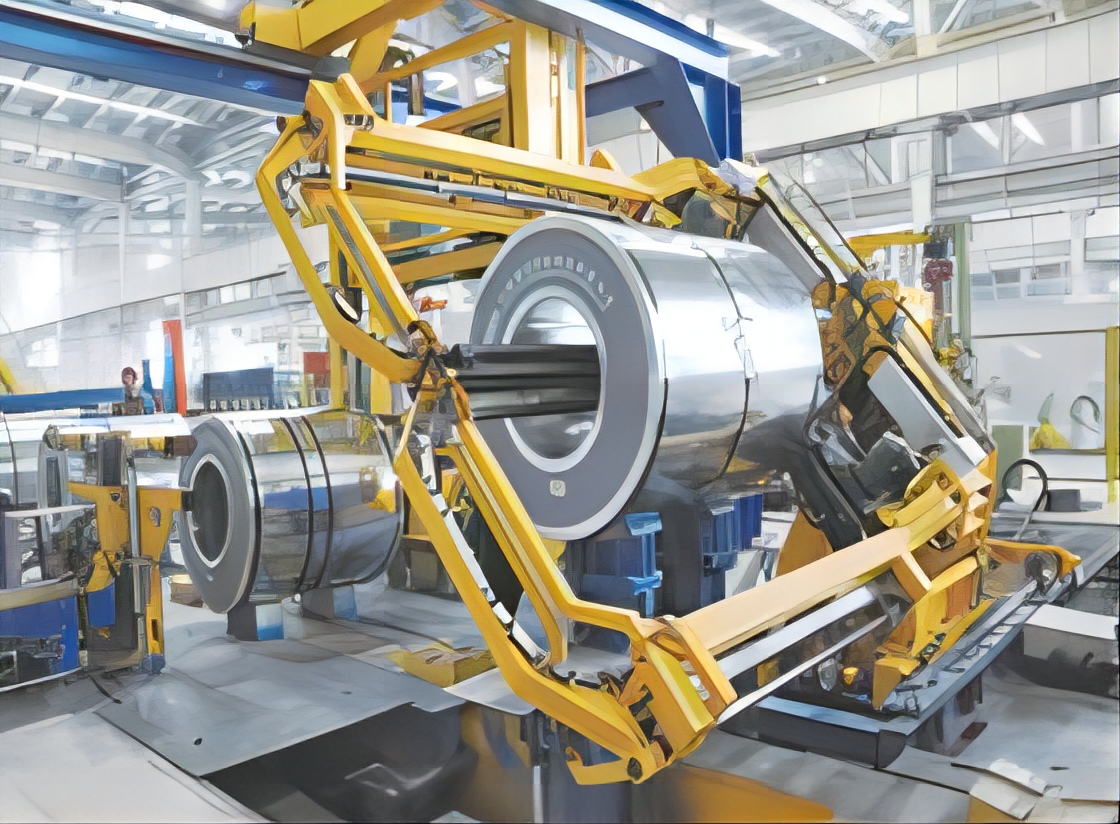
From my years in the packing machine industry, I have seen too many good products get ruined in the final stages. When coils are not strapped correctly, they can shift. They can rub against each other. Their edges can get bent or scratched. This makes them less valuable. Sometimes, they become completely unusable. Manual strapping often leads to inconsistent tension. One strap might be too loose, another too tight. This causes problems. Too loose, and the coil moves. Too tight, and the strap can cut into the product. Automated machines are different. They use precise settings. They apply the exact same tension every time. This ensures the coil is held firmly. It prevents movement. It also avoids applying too much pressure. This protects the coil’s surface and edges. Imagine your products arriving at the customer’s site in perfect condition every time. This builds trust. It gets you repeat business. It also saves you money on returns and reprocessing. For Australian fabricators, this means less waste. It means happier customers. This is a win-win for everyone involved.
Consistent Tension and Secure Holding
Manual strapping relies on human strength and judgment. This leads to variations in tension. Some straps are too tight, causing product deformation. Others are too loose, allowing coils to shift. An automated strapping machine uses a programmed tension setting. It applies the exact same force every single time. This consistency ensures your coils are held securely. They will not move during transport. This prevents them from bumping into each other or against the truck walls. This consistent holding power is critical for protecting the product’s integrity from your factory floor all the way to the customer.
Reduced Surface and Edge Damage
When coils are handled manually, there is always a risk of dropping them or bumping them. Even during manual strapping, tools can scratch surfaces. The strap itself can dig into edges if applied incorrectly. Automated machines handle coils with care. They position the strap precisely without human contact. This reduces the chance of accidental damage to the coil’s surface or edges. This means your product looks perfect when it arrives. This is important for customer satisfaction. It protects your brand’s image.
Optimized Packing for Shipping
Automated strapping allows for optimized packing. You can choose the exact number of straps. You can select the precise placement of each strap. This ensures the coil is fully secured for its journey. It accounts for vibrations and movements during shipping. This careful planning means your products are less likely to get damaged, no matter how far they travel. This reduces claims and returns. It protects your profit margins.
| Damage Risk Factor | Manual Strapping | Automated Strapping Machine |
|---|---|---|
| Tension Consistency | Low, human error | High, precise, programmable |
| Surface Scratches | Moderate to High | Low |
| Edge Deformation | Moderate | Very Low |
| Product Shifting | High if tension is loose | Low, highly secure |
| Return/Rework Rate | Potentially Higher | Significantly Lower |
The Bottom Line: What is the Real Return on Investment for an Energy-Efficient Strapping Machine?
Are you hesitating to invest in new equipment because of the upfront cost? Do you need a clear picture of how a large purchase like an automated strapping machine will actually pay you back? Factory managers often face pressure to justify every expense. Understanding the real return on investment (ROI) is crucial before making a big decision for your Australian fabrication business.
The real return on investment for an energy-efficient strapping machine comes from significant reductions in labor costs, lower energy bills due to efficient operation, minimized product waste, fewer safety incidents, and increased production capacity, which collectively lead to substantial long-term financial gains that far outweigh the initial investment.

When I started my own successful packing machine factory, I learned that every investment must make sense financially. It is not just about buying a machine. It is about investing in your business’s future. An energy-efficient coil strapping machine might seem like a big expense at first. But when you look at all the ways it saves you money, the picture changes completely. Think about it: you spend less on wages because you need fewer people for packing. You spend less on electricity because the machine uses less power. You lose less money from damaged products because they are strapped perfectly. You pay less for insurance because your workplace is safer. All these savings add up very quickly. This is where the “energy-efficient” part of the machine really shines. It does the job with less power, meaning lower utility bills, which are a constant concern for businesses in Australia. This reduced energy consumption is not just good for your wallet. It is also better for the environment. This can improve your company’s image. The machine also lets you produce more. More product means more sales. More sales mean more profit. This is how the machine pays for itself and then some. It is an investment that keeps giving back.
Direct Labor Cost Savings
One of the most immediate and significant savings comes from labor. Manual strapping requires multiple workers. An automated machine can often do the work of several people. This allows you to reallocate your staff to more complex or value-adding tasks. Or, it can mean you reduce your overall labor costs for the packing department. This reduction in wages is a continuous saving that directly impacts your operating expenses every single month. Over years, these savings become very substantial.
Reduced Energy Consumption
Modern energy-efficient machines are designed to use less power. They have optimized motors. They use smart controls. This means lower electricity bills for your factory. In places like Australia, where energy costs can be high, these savings add up quickly. It is not just about using less power when running. Many machines also have energy-saving modes when they are idle. This cuts down on wasted energy. This directly lowers your OPEX.
Minimized Product Waste and Rework
Damaged products lead to waste. They require rework. They can even result in customer rejections. All of these cost money. An automated strapping machine minimizes product damage through consistent, precise strapping. This means fewer coils need to be reprocessed or scrapped. Less waste means more of your manufactured product is sold. This directly improves your profit margins. It also saves costs associated with materials and labor for rework.
Improved Safety and Lower Insurance Premiums
Fewer workplace injuries mean lower medical costs. It means fewer lost workdays. It can also lead to reduced workers’ compensation insurance premiums over time. A safer factory is a more cost-effective factory. The investment in safety through automation pays off by avoiding expensive accidents and creating a more stable workforce.
Increased Production Capacity and Sales Potential
By eliminating packing bottlenecks, an automated machine allows your factory to produce more. This increased capacity means you can take on more orders. You can meet higher demand. More production leads to more sales. This boost in revenue is a powerful way the machine generates a return on your investment. It is not just about cutting costs. It is about growing your business.
| ROI Factor | Impact on OPEX | Example Benefit (per year) |
|---|---|---|
| Labor Costs | Significantly reduced staffing needs for packing | $50,000 – $100,000+ |
| Energy Consumption | Lower electricity bills due to efficient design | $5,000 – $15,000+ |
| Product Waste | Fewer damaged coils, less rework, higher sales | $10,000 – $50,000+ |
| Safety Incidents | Fewer injuries, lower insurance premiums | $5,000 – $20,000+ |
| Increased Production | Higher output, more sales, faster delivery | $XX,XXX – $XXX,XXX (revenue increase) |
Conclusion
Investing in an energy-efficient coil strapping machine provides clear ROI by cutting labor, energy, and waste costs, while improving safety and boosting throughput for Australian fabricators.








