
What Your Competitors in Russia Know About Modern Coil Strapping Machine Technology?
Your factory faces tough choices every day. You work to boost output, control costs, and keep everyone safe. But are your packing lines truly helping you win? Many factories still rely on old, slow methods for strapping heavy coils. This creates big bottlenecks at the end of the line. It slows down your entire production. It stops you from getting products out the door fast enough.
Competitors, whether they are in Russia, Europe, or anywhere else, are not waiting. They understand something critical. Modern coil strapping machine technology is not just an upgrade. It is a game-changer. These advanced systems are helping them cut labor, boost speed, and protect their products better. They are moving faster and safer. They are getting more done with less effort.

It is easy to stick with what you know. But sticking to old ways can cost you a lot. It hurts your profits. It puts your workers at risk. It makes you fall behind. If you are serious about growing your business, it is time to look at what truly modern strapping solutions can do for you. Let’s explore how these machines are changing the game and how you can use them too.
Why Are Manual Coil Strapping Methods Holding Your Production Back?
You work hard to make your production line efficient. Yet, when it comes to the very last step, are you losing momentum? Many factories still strap heavy steel coils by hand. This process is very slow. It takes a lot of time and effort. It stops the entire flow of goods. This bottleneck means your products sit waiting. They do not move to customers fast enough.
Your competitors know that manual strapping is a serious drag on production speed. They understand that every minute a coil waits to be strapped is a minute of lost profit. They have moved to systems that do this job much faster and with consistent quality. They get their products shipped out while yours are still sitting on the factory floor.
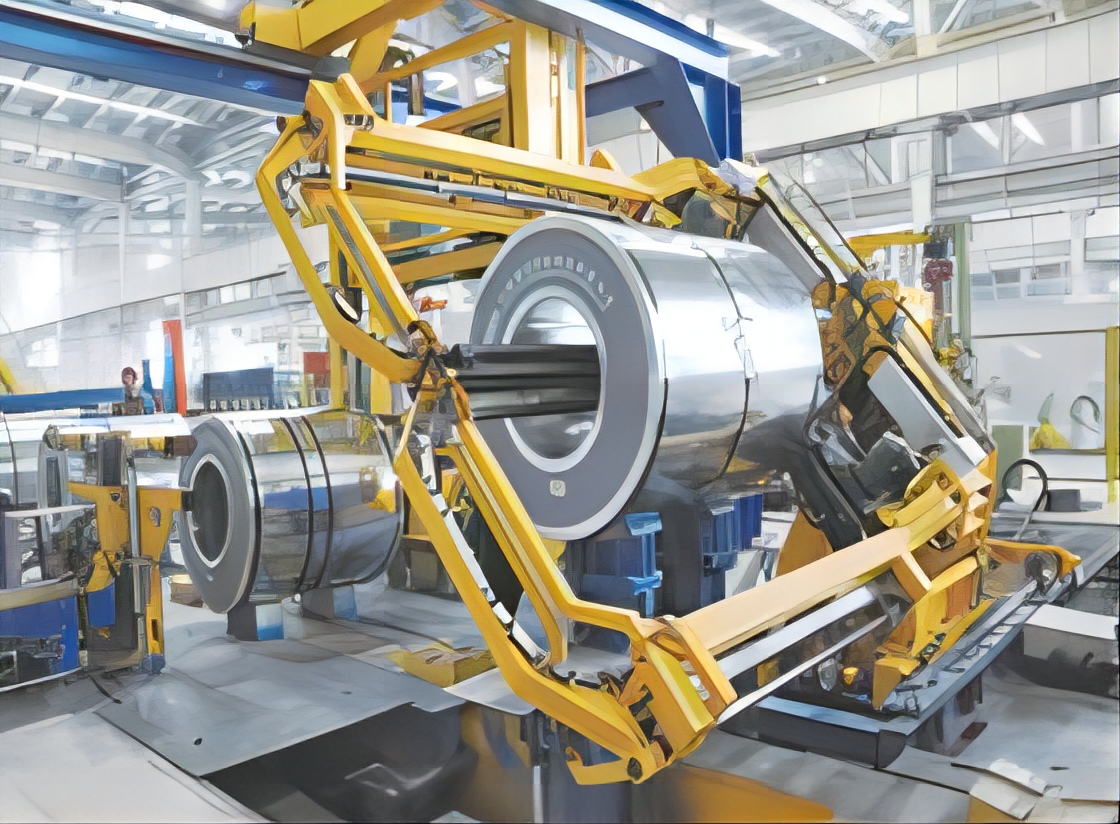
Manual strapping creates many problems. It is not just about speed. It also creates uneven strapping. Sometimes the straps are too loose. Other times they are too tight. This can damage the coil edges. It can also lead to straps breaking during transport. These issues cause more delays. They make customers unhappy. When I first started in the packing machine industry, I saw this firsthand. Factories struggled to keep up. They knew they needed to change. But they did not always know how. I remember one client who was constantly losing orders. Their manual process was just too slow. They could not meet tight deadlines. Their product quality also suffered. I explained to them that automation was the only path forward.
The Real Cost of Slow Packing
- Production Delays: Your coil production might be fast. But if strapping is slow, everything slows down. This creates a backlog. It means you cannot ship as many coils as you make. Your overall output drops. This is a critical point. A factory makes money when products leave the door. If they sit inside, you are losing money.
- High Labor Costs: Manual strapping needs many workers. These workers spend hours doing repetitive, hard tasks. Their wages add up fast. They also get tired. This affects how well they work. An automated machine can do the work of several people. It does not get tired. It works all day and night. This significantly lowers your payroll for packing tasks.
- Inconsistent Quality: Humans are not robots. Their strength and focus change. This means each coil might be strapped differently. Some might be perfect. Others might be too loose or too tight. This leads to product damage later on. It causes customer complaints. It also affects your brand name. Consistent strapping is important for product safety and appeal.
Investing in modern strapping technology is about more than just buying a machine. It is about removing the biggest bottleneck in your factory. It is about making sure that your production line runs smoothly from start to finish. This helps you get products to market faster. It also makes your factory more competitive. You can take on more orders. You can meet tighter deadlines. This means more money for your business. My own factory grew because we focused on efficiency at every step. We learned that every delay, no matter how small, adds up to big losses.
How Can Automated Strapping Machines Make Your Factory Safer?
Your workers are your most valuable asset. But are they doing tasks that put them at risk every day? Manual handling of heavy coils and strapping materials is dangerous. Workers often lift, pull, and bend in awkward ways. They handle sharp straps. They work near heavy machinery. This leads to many injuries. These injuries include back strains, cuts, and even broken bones.
Your competitors recognize that worker safety is not just good for people. It is also good for business. They know that injuries lead to high insurance costs. They cause lost workdays. They also make good workers leave. They are using automated strapping machines to remove workers from dangerous areas. This protects their team. It also saves them a lot of money in the long run.

Safety has always been a top priority for me. When I ran my factory, I saw many accidents. Even small ones add up. They hurt morale. They make people afraid to work. We wanted to build a workplace where everyone felt safe. This meant finding ways to do away with the most dangerous jobs. Manual strapping was one of those jobs. It was risky for workers to walk around heavy coils. They had to handle heavy tools. They also dealt with very sharp strapping material. These machines handle all of that. They take the human element out of the risk equation.
Reducing Workplace Hazards with Automation
- Eliminating Manual Handling: Automated machines do all the lifting and strapping. Workers no longer need to touch the heavy coils or wrestle with tough straps. This greatly reduces injuries from lifting, pulling, and repetitive motions. It also lowers the chance of cuts or pinches from strapping. My experience taught me that preventing injuries is always cheaper than treating them. It also keeps your best workers on the job.
- Controlled Environment: These machines work in a fixed area. They have safety guards and sensors. This stops workers from getting too close when the machine is operating. The machine works by itself. Workers only need to monitor it. This creates a much safer workspace. It removes the unpredictable nature of human-led tasks.
- Less Worker Fatigue: Manual strapping is very tiring. Tired workers make mistakes. They are more likely to get hurt. Automated machines work without getting tired. They maintain the same level of safety from the first coil to the last. This means fewer human errors. It leads to a safer workplace overall.
Safety is not just a moral duty. It is a smart business move. Fewer injuries mean lower insurance premiums. They mean less time lost due to accidents. They mean a happier and more stable workforce. When your workers feel safe, they work better. They stay with your company longer. This builds a strong team. It helps your factory grow without unnecessary risks. Modern strapping technology is a clear investment in both your people and your profits. It protects everyone.
Is Your Coil Product Damage Caused by Outdated Packing Processes?
You work hard to produce high-quality steel coils. But what happens to them once they leave the production line? Many factories see their carefully made products get damaged during packing. Edges get bent. Surfaces get scratched. Straps might be too loose, letting the coil shift. Or they might be too tight, cutting into the material. This damage leads to unhappy customers. It also means you lose money.
Your competitors know that damaged products hurt their reputation and their bottom line. They understand that the packing process is the last chance to protect product quality. They are using modern strapping machines that apply consistent tension. These machines handle coils gently. This ensures products arrive at the customer’s site in perfect condition. They avoid costly claims and build trust.

I have seen the frustration of factory managers dealing with product damage. It is a terrible feeling to produce something great, only for it to be ruined at the final stage. In my early days, I learned that packing is not just about putting straps on. It is about protecting the value you have created. One time, a client of mine had a huge order of specialty coils rejected. The reason? Damage from manual strapping. The edges were dinged. The strapping was inconsistent. They had to re-produce some of the order. It cost them a lot of money and a lot of trust. This showed me how vital proper packing truly is.
How Automation Protects Your Product
- Consistent Strap Tension: Automated strapping machines apply the same tension every time. They use precise controls. This means straps are always tight enough to secure the coil. But they are never so tight that they damage the edges or surface. This consistency is impossible to achieve with manual methods. It keeps your product safe during transport and storage. It prevents shifting that can lead to dents or scrapes.
- Reduced Handling Errors: With manual strapping, workers often move the coils around a lot. They might use chains or hooks. These can cause surface damage. Automated systems integrate into your material handling flow. Coils move smoothly into the strapping station. There is less human interaction. This greatly lowers the risk of accidental damage from rough handling.
- Better Product Presentation: Beyond just preventing damage, automated strapping makes your product look better. The straps are always straight. They are evenly spaced. This professional look shows quality. It builds customer confidence. A well-packed product tells your customer that you care about every detail. This enhances your brand image. It helps you stand out in the market.
Protecting your product from damage is key to repeat business. When customers receive undamaged goods, they are happy. They trust you. This leads to more sales in the future. Avoiding damage also saves you money on returns, repairs, and lost material. It reduces the headaches of customer complaints. Investing in modern strapping technology is an investment in your product’s quality and your company’s reputation. It keeps your valuable coils safe from start to finish.
How Does Investing in Modern Strapping Technology Improve Your Factory’s ROI?
Every investment you make in your factory must show a clear return. You cannot just buy equipment without knowing it will pay for itself. Outdated strapping methods are a drain on your finances. They cost you money through high labor, frequent injuries, and damaged products. These hidden costs add up quickly. They eat into your profits.
Your competitors are looking for smart investments. They know that modern strapping technology is not just an expense. It is a strategic move. These machines cut costs. They boost output. They improve safety. This leads to a strong return on investment (ROI). They are lowering their overall operating costs. They are making more money from their existing production lines.

When I started my own factory, every penny counted. I learned quickly that true savings come from smart investments. Investing in the right machinery was a big part of my financial independence. It was not about buying the cheapest option. It was about buying the most effective option. I helped many clients grow their businesses by showing them this. We looked at their current costs for labor, safety, and waste. Then we showed them how a new machine could cut those costs dramatically. The numbers always showed a clear benefit. It was a partnership based on real business impact.
Calculating Your Return on Investment
- Reduced Labor Costs: This is often the biggest saving. One automated strapping machine can replace several workers. You save on wages, benefits, and training. The machine works continuously. It does not need breaks. It does not get sick. These savings start immediately and continue for years. Over time, these add up to a huge amount of money.
- Increased Throughput: A faster strapping process means you can produce and ship more coils per day. This boosts your overall factory output. More output means more sales. It means more profit from your existing setup. You make more money without building a new factory. This helps you maximize the use of your current production lines.
- Lower Insurance Premiums and Injury Costs: Fewer workplace accidents lead to lower insurance rates. They also mean you avoid costly legal fees or compensation claims. A safer factory is a cheaper factory to run. This is a direct financial benefit that impacts your bottom line. It also improves worker morale, which contributes to productivity.
- Reduced Product Loss and Customer Returns: By protecting your coils from damage, you cut down on waste. You do not have to scrap damaged products. You also have fewer customer complaints. This saves money on materials, rework, and shipping returns. It keeps your customers happy. Happy customers order again. This stable revenue is key to growth.
Modern strapping technology is not just about shiny new machines. It is about smart business. It is about making your factory more profitable and competitive. The initial cost of the machine is an investment. This investment pays itself back quickly through concrete savings and increased revenue. It allows you to operate more efficiently. It makes your factory safer. It protects your valuable products. This holistic benefit ensures a strong return on your capital. It helps your business thrive for years to come.
Conclusion
Modern coil strapping technology helps factories be faster, safer, and more profitable. It addresses key challenges like inefficiency, safety risks, and product damage. Investing in these machines provides a clear return on investment. It sets you apart from competitors.








