
Solving Production Bottlenecks: A Leader’s Look at the Business Impact of a New Coil Strapping Machine?
Have you ever felt the immense pressure of managing a busy factory, watching production lines slow down because of one specific area? Many factory managers, especially in heavy manufacturing like steel processing, face this daily. They deal with constant demands to boost output, cut costs, and keep workers safe. A single slowdown can quickly turn into a huge loss.
The key to solving these slowdowns and getting better business results often lies in upgrading critical equipment, like adding a new coil strapping machine. This change can deeply impact your factory’s efficiency, safety, and bottom line, moving you from manual bottlenecks to smooth, automated operations. It’s about smart investment for real growth.
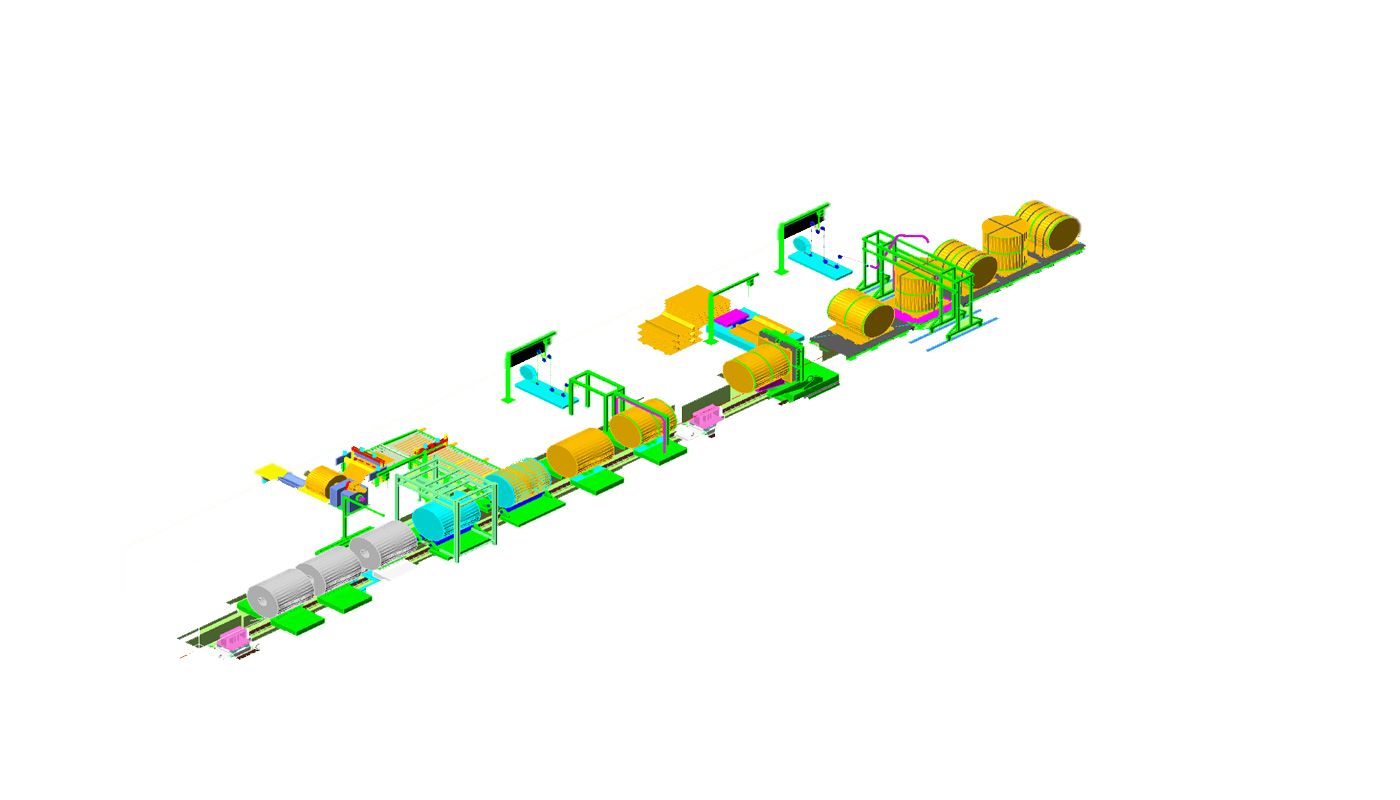
As someone who started on the factory floor and then built a successful packing machine business, I deeply understand these challenges. I know what it takes to move from struggling with manual processes to running a financially independent operation. This article will show you how making the right equipment choices can truly transform your factory’s future, just as it did for me and many of my clients.
Are Manual Packing Processes Really Holding Back Your Production?
Do your current packing methods feel like a choke point, slowing down your entire production line? Many factories still rely on a lot of manual work for coil and wire packing. This often means slow speeds and low overall efficiency. It directly impacts how fast you can produce and deliver products.
Upgrading to an automatic coil strapping machine can cut packing time greatly, helping solve end-of-line bottlenecks. This allows for faster material flow and keeps your production schedule on track, moving finished goods out the door much quicker. It is a direct answer to slow manual methods.

When I was running my own packing machine factory, I saw first-hand how much manual processes could slow things down. We had skilled workers, but human limits are real. Imagine trying to handle heavy steel coils by hand, strap them, and then move them quickly. It is hard, slow work. This bottleneck affects everything down the line, from meeting customer orders to managing inventory space.
-
The True Cost of Manual Packing
Manual packing goes beyond just being slow. It carries many hidden costs that eat into your profits. Think about the labor hours spent on each coil. These hours could be used for more skilled tasks. There is also the cost of mistakes, like loose straps or incorrect packaging, which can lead to product damage later.
Consider the case of a medium-sized metal processing plant in Mexico, similar to Michael Chen’s operation. They were struggling with manual strapping of steel coils. Their process involved several workers, moving heavy tools, and adjusting straps by hand. Each coil took a long time. This created a queue at the end of the production line. This meant that the high-speed machinery upstream was often idle, waiting for the packing area to clear. This is a huge waste of machine capacity and overall investment.
Aspect Manual Packing Impact Automated Packing Impact Speed Very Slow, causes bottlenecks Fast, maintains flow Labor Cost High, multiple workers needed Lower, fewer workers needed Consistency Varies by worker, less reliable High, machine-driven Downtime Frequent, due to human fatigue Minimal, more reliable Product Throughput Limited by human speed Greatly increased Moving from this manual system to an automatic coil strapping machine changes the game completely. The machine applies straps consistently and quickly, often in a fraction of the time it takes humans. This frees up workers for other tasks and ensures that coils are ready for shipment much faster. It helps clear the backlog, allowing your main production lines to run without interruption. From my own experience, I have seen clients transform their output simply by automating this one critical step. It is about understanding where the real choke points are and then applying a focused solution.
Are Hidden Safety Risks Draining Your Factory’s Resources?
Do you worry about the safety of your workers, especially when they handle heavy materials or awkward items? Manually moving heavy molds or flipping pallets is not only inefficient, but it also creates a huge risk of workplace injuries. These injuries lead to high insurance costs and can make good employees leave your company.
A new coil strapping machine can greatly improve safety by taking away the need for workers to handle heavy items directly. This change helps your workers avoid injury and also improves morale on the factory floor. It makes your workplace safer for everyone.

When I first started in the packing machine industry, worker safety was always a big concern. I saw many accidents that could have been avoided. Heavy objects, sharp edges, and repetitive lifting are dangerous. In the steel industry, coils can weigh tons. Asking workers to manually strap or move these puts them at high risk. They face muscle strains, crushing injuries, and even worse. These incidents are not just bad for the person hurt; they also stop production, increase insurance premiums, and hurt employee trust.
-
The Real Impact of Workplace Injuries
The direct costs of an injury are easy to see: medical bills, lost workdays, and higher insurance. But the indirect costs are often much larger and harder to track. Think about the investigation time, the impact on team morale, and the time it takes to train a replacement. High employee turnover, often caused by unsafe working conditions, means you lose experienced people. This impacts productivity and quality.
For a factory manager like Michael Chen, located in Mexico, ensuring worker safety is not just a legal duty but also a key part of financial health. A single serious injury can lead to a lawsuit, increased regulatory scrutiny, and a tarnished company reputation. I recall a situation where a client was losing skilled workers because the manual handling tasks were too dangerous. This created a cycle where new, less experienced workers were hired, increasing the risk of more accidents.
Automated coil strapping machines take the human element out of the most dangerous parts of the packing process. Workers no longer need to lift heavy straps, maneuver around moving coils, or manually tension bands. The machine does the heavy lifting, the precise application, and the secure strapping. This means fewer people in risky zones.
Here is how automation directly impacts safety metrics:
Safety Metric Manual Packing Scenario Automated Packing Scenario Injury Frequency High, due to heavy lifting, repetitive strain, pinch points Low, workers operate machines from safe distances Insurance Premiums High, due to past claims and risk profile Potentially lower, as risk decreases Worker Morale Low, due to fear of injury High, workers feel valued and protected Lost Workdays Frequent, due to injuries Minimal, fewer injury incidents Ergonomic Strain High, leads to long-term health issues Very Low, less physical demand on workers By investing in automation, you are not just buying a machine; you are investing in your workforce. You are showing them that their safety matters. From my own journey, I have seen that a safe workplace is a productive workplace. Workers who feel safe are more engaged and loyal. This reduces turnover and helps you keep your most experienced staff. It also means less money spent on managing incidents and more money saved for factory improvements.
Is Product Damage Costing Your Business More Than You Think?
Are you seeing product damage during internal moves or packing, like ruined coil edges? This problem leads to unhappy customers and lost profits. In a demanding industry like steel processing, every damaged product is a direct hit to your bottom line and your company’s good name.
A new coil strapping machine can greatly reduce product damage by providing consistent, secure packaging. This helps protect your products during storage and shipping. It means fewer complaints from customers and more profit for your business.

I remember talking with a client once whose biggest headache was not production speed, but how many finished products were being rejected due to damage. They made excellent steel coils, but by the time they reached the customer, small dents or edge damage had occurred during handling or packaging. This was incredibly frustrating. They put so much effort into production, only to lose money and trust at the final stage. This often happens because manual handling is inconsistent, and human error can lead to less-than-perfect packaging.
-
The Domino Effect of Product Loss
Product damage is more than just the cost of replacing the damaged item. It sets off a chain reaction that impacts your entire business. First, there is the immediate loss of revenue from the damaged product itself. Then, there are the costs of rework or scrap. Beyond that, customer complaints mean time spent on resolution, potential returns, and a damaged reputation. In a competitive market, customer trust is hard to build and easy to lose.
Consider a factory in Mexico that ships large volumes of steel coils. If even a small percentage of their coils arrive damaged, this quickly adds up. For Michael Chen, managing a medium-to-large metal processing plant, controlling product quality right up to shipment is critical. I’ve seen situations where damaged products led to lost future orders, even with minor issues. Customers expect perfect goods, especially when dealing with high-value materials like steel.
Manual strapping can often lead to uneven tension, causing straps to loosen during transit. This allows coils to shift, leading to edge damage or deformation. Moreover, during manual transfer, there is a higher chance of accidental drops or impacts, especially with heavy, awkward coils. An automatic strapping machine provides consistent tension and placement every time. This means each coil is securely bundled, reducing movement and protecting its integrity.
Here is how automated strapping helps prevent damage:
Damage Source Manual Packing Solution Automated Packing Solution Inconsistent Tension Varies by operator, loose straps Machine applies uniform tension Coil Shifting High risk during transit Secure strapping prevents movement Edge Damage Prone to bumps, manual handling issues Protected by consistent wrapping Human Error Higher chance of mistakes Reduced significantly Environmental Exposure Poor seals can allow moisture, dirt in Consistent seals offer better protection When I help clients automate their packing lines, one of the most immediate benefits they see is a sharp drop in damage rates. This means fewer customer complaints, less money lost on scrap, and a stronger reputation in the market. It is about protecting your investment from the factory floor to the customer’s site. My personal experience building my own factory showed me the direct link between quality packaging and customer satisfaction. It is a win-win for everyone involved.
How Can You Find a Trustworthy Partner for Your Next Investment?
Have you ever worked with equipment suppliers who just wanted to sell you a machine and then disappeared when you needed support? Many factory leaders face this problem. It makes you careful when looking for new partners. You want someone who understands your needs, not just someone who pushes products.
Finding a supplier who is a true partner means looking for deep industry knowledge and strong after-sales support. This ensures your investment genuinely solves your problems and helps your business grow. It is about building a long-term relationship based on trust.
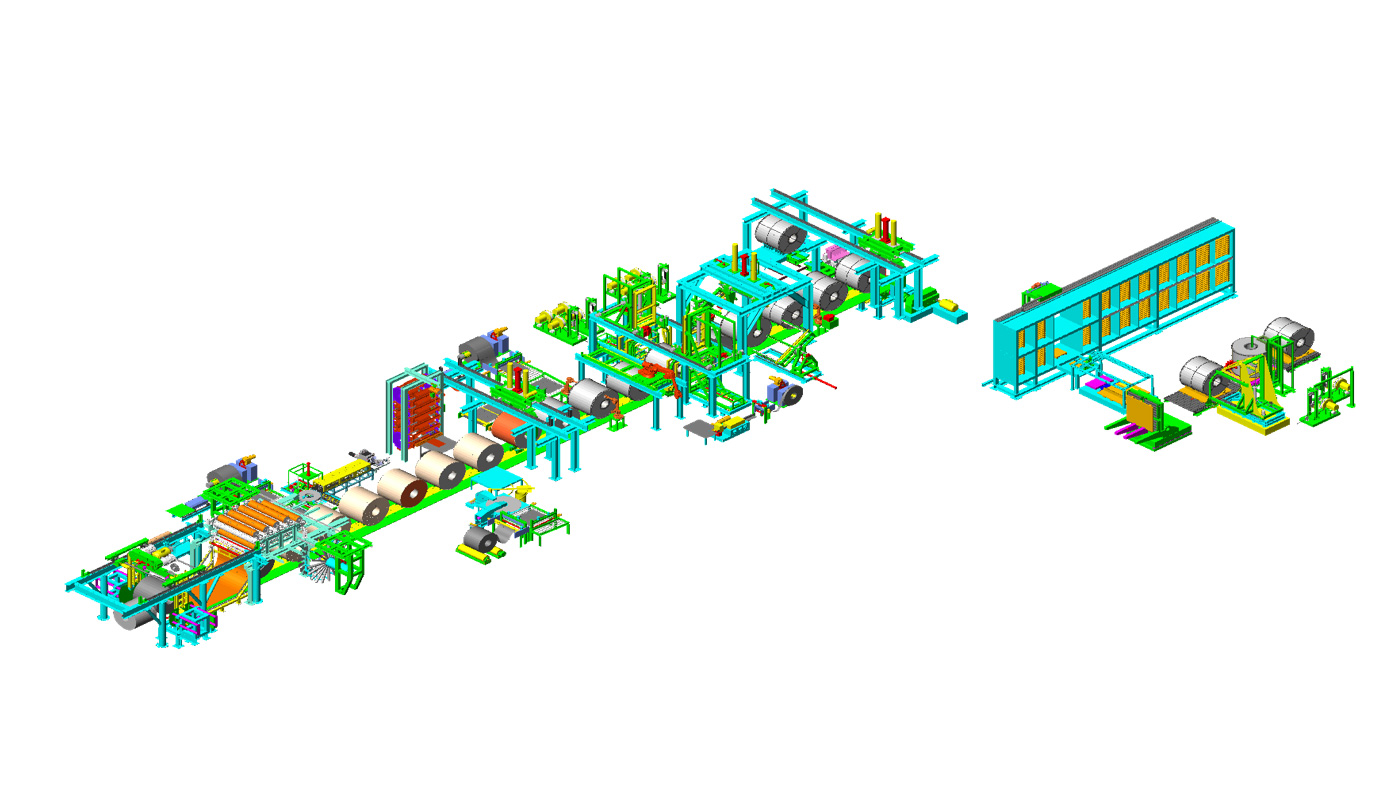
From my own journey, I have learned the hard way that not all suppliers are created equal. When I started my packing machine factory, I made sure that our promise went beyond just selling equipment. I had spent years working as an employee in a factory, understanding the real pain points on the ground. Then, I built my own business. This allowed me to see things from both sides: as a buyer facing challenges, and as a supplier trying to deliver solutions. I knew that what factory managers truly needed was a partner who understood their production bottlenecks, safety concerns, and efficiency issues. They wanted someone who could offer expert insights and dependable solutions, not just a sales pitch.
-
Beyond the Sale: What a True Partner Offers
A true partner does not just sell you a machine. They invest time in understanding your unique operational challenges. They should be able to look at your current setup, identify specific issues like Michael Chen’s efficiency bottlenecks or safety concerns, and propose solutions that actually fit. This often involves more than just equipment. It includes expert advice on process optimization, training, and ongoing support.
For a factory manager like Michael in Mexico, where specific local conditions and market demands apply, a generic solution will not cut it. He needs a supplier who understands the nuances of heavy manufacturing and can provide solutions that are durable enough for high-intensity environments. My mission with FHOPEPACK is to share the knowledge I gained from my journey. I built my factory from the ground up and achieved financial independence because I focused on solving real problems for clients in coil packing and steel wire packing. I want to give back that expertise.
Here are traits that define a trustworthy equipment partner:
Trait “Sales-Only” Supplier True Industry Partner Understanding Needs Focus on pushing standard products Deep dive into your specific problems Solution Approach Off-the-shelf recommendations Tailored solutions, process focus After-Sales Support Limited or hard to reach Proactive, responsive, long-term Industry Expertise General knowledge of equipment Specific experience in your niche (e.g., steel/coil packing) Long-Term Vision Short-term sales goals Committed to your business growth When I advise clients, I always emphasize looking at the supplier’s history and their commitment to client success. Do they have engineers who have worked in factories? Do they offer comprehensive training? Are their spare parts readily available? These details show if a company is truly invested in your success. My own journey from an employee to a factory owner taught me that reliability and trust are earned through consistent support and genuine understanding. This is why I created FHOPEPACK as a knowledge-sharing platform. We aim to be that trusted resource for you. It is about building a relationship where your success directly contributes to ours, creating a cycle of mutual growth.
What Business Impact Can a New Coil Strapping Machine Bring to Your Operations?
Are you wondering how a single equipment upgrade, like a coil strapping machine, can truly change your factory’s business outlook? Leaders often look for clear returns on investment. They need to see how new machines will lower costs, reduce waste, and increase profits. It is a critical question for any major decision.
A new coil strapping machine can boost overall factory profitability by greatly improving efficiency, reducing labor costs, and cutting down on product damage. This clear return on investment makes it a smart choice for any factory aiming for higher output and better financial results. It helps achieve key business goals directly.
When I started FHOPEPACK, my goal was always to help others achieve the same level of success I found in the packing machine industry. I saw firsthand how the right technology could transform a business. A new coil strapping machine is not just a piece of equipment; it is a strategic investment that can directly impact your key business indicators. I have seen factories like Michael Chen’s turn their production bottlenecks into competitive advantages by making these smart upgrades.
-
Driving Profitability Through Strategic Automation
The business impact of an automated coil strapping machine is multi-faceted. It tackles Michael Chen’s challenges head-on, delivering improvements across the board.
-
Efficiency and Throughput: Manual processes are slow. An automated machine operates at a consistent, high speed, clearing bottlenecks at the end of the production line. This means more coils are strapped and ready for shipment per hour or per shift. For example, if a manual process takes 5 minutes per coil, and an automated system takes 1 minute, your throughput increases fivefold. This direct increase in production capacity allows you to meet larger orders, reduce lead times, and ultimately generate more revenue. It also reduces overtime pay for workers.
-
Cost Reduction: This is where the ROI becomes very clear.
- Labor Cost Savings: Automation reduces the number of workers needed for strapping. While there might be an initial investment, the long-term savings on wages, benefits, and training are substantial. These workers can then be assigned to more value-added tasks elsewhere in the factory.
- Reduced Material Waste: Consistent strapping reduces product damage, meaning less scrap and fewer customer returns. This directly impacts your material costs and improves profit margins on each unit sold.
- Lower Insurance Premiums: As worker safety improves due to reduced manual handling, your factory’s risk profile lowers, potentially leading to reduced insurance costs over time.
- Energy Efficiency: Modern machines are designed to be more energy efficient than older, less optimized equipment.
-
Enhanced Safety and Morale: As I have discussed, removing manual heavy lifting reduces the risk of injuries. This leads to a safer work environment, which in turn boosts worker morale and reduces absenteeism. A happier, safer workforce is a more productive and loyal workforce. This also helps with recruitment and retention, keeping experienced staff.
-
Improved Product Quality and Customer Satisfaction: Consistent and secure strapping ensures that products arrive at the customer’s site in perfect condition. This reduces complaints, improves your brand reputation, and strengthens customer loyalty. Happy customers mean repeat business and positive referrals, which are invaluable for growth.
-
Scalability and Future Growth: With an automated system, your factory is better positioned to handle increased demand. If you need to scale up production, the automated strapping machine can handle it without significant additional labor costs. This prepares your business for future expansion and new opportunities.
The decision to invest in a new coil strapping machine is not just an operational one. It is a strategic business decision that pays off in many ways. From my experience building and running my own factory, I can tell you that these investments are foundational. They free up resources, reduce risks, and create a clearer path to profitability and sustainable growth. It is about making your factory work smarter, not just harder, and securing your financial future in the process.
-
Conclusion
Upgrading to a new coil strapping machine offers clear business advantages. It boosts efficiency, enhances safety, cuts costs, and improves product quality. This strategic investment is key to solving bottlenecks and driving your factory’s growth.








