
How to Handle Slit Coils with Precision and Safety
Handling slit steel coils can be a dangerous and inefficient process if not managed correctly. Are you facing challenges with cumbersome material movement, potential damage, or, worst of all, workplace injuries? Improper techniques not only cost money through scrap and downtime but also put your valuable team at risk. Discover how implementing proven strategies and leveraging the right equipment can transform your coil handling, ensuring both precision and paramount safety.
Handling slit steel coils with precision and safety requires a multi-faceted approach encompassing proper lifting techniques, secure stacking methods, rigorous safety protocols, and the strategic integration of automation. Utilizing appropriate equipment like specialized forklifts, C-hooks, and automated systems minimizes risks, protects material integrity, and significantly boosts operational efficiency.
Efficient handling and stacking of slit steel coils are crucial for maintaining material integrity, ensuring workplace safety, and maximizing operational productivity. Proper techniques involve using appropriate equipment, adhering to safety protocols, and optimizing storage. Continue reading to delve into the essential techniques, equipment, and strategies for optimizing your slit steel coil handling processes, minimizing risks, and boosting your bottom line.
Optimizing Slit Steel Coil Handling Techniques
Handling slit steel coils presents significant operational challenges due to their weight, shape, and susceptibility to edge damage. Without optimized techniques, this process can slow down production, increase material waste, and pose serious safety hazards to personnel. What if you could move these heavy, awkward coils with greater ease, speed, and a dramatically reduced risk of damage or injury?
Optimizing slit steel coil handling involves employing the right equipment, ensuring proper coil orientation (vertical or horizontal), providing comprehensive training to personnel, and implementing rigorous equipment inspection and controlled movement protocols. The key lies in a combination of strategic planning, adherence to established best practices, and continuous reinforcement of safety procedures to minimize risks and maximize efficiency throughout the material flow process. These practices ensure coils are moved securely, preventing roll-offs, edge damage, and accidents, thereby maintaining material quality and worker safety.
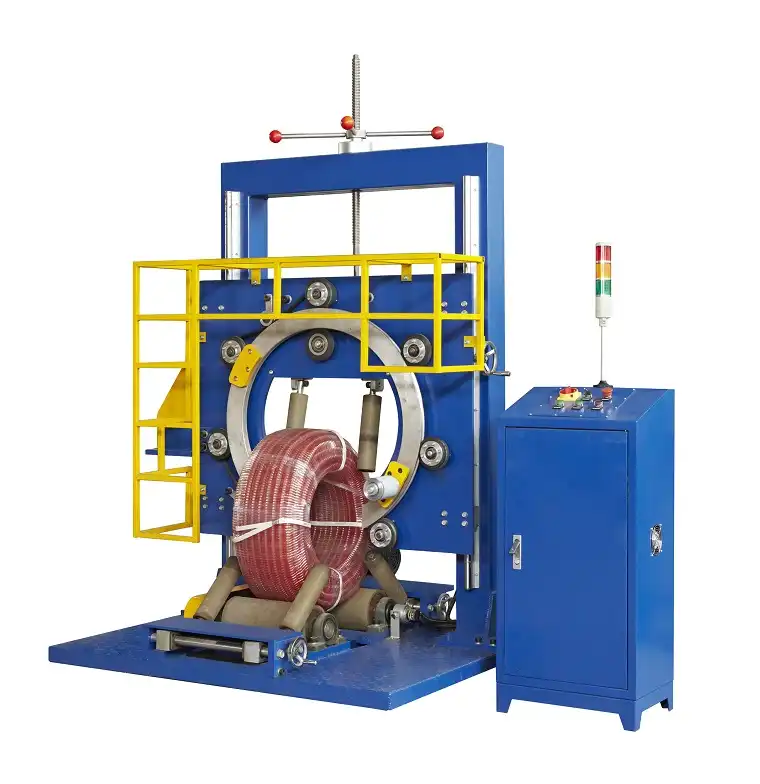
Essential Techniques for Efficient Coil Handling
Effective slit coil handling is a critical step in the metal processing workflow, demanding precision and a commitment to safety. The selection and application of appropriate techniques are fundamental to achieving both speed and security from the moment a coil is lifted to its final placement. Implementing standardized procedures and training operators thoroughly on each technique is non-negotiable.
Key handling techniques are designed to address the unique challenges presented by slit coils, particularly their weight and shape, which can easily lead to instability if not managed correctly. Techniques like vertical (eye-to-sky) lifting offer greater stability on pallets, reducing roll-off risk, while horizontal (eye-to-side) lifting can be more convenient for direct feeding into processing lines, often utilizing equipment like C-hooks or specialized multidirectional forklifts. Regardless of the method, controlled movement – slow, deliberate actions without sudden stops or starts – is paramount to prevent loads from shifting and equipment stress. Regular, pre-use inspections of all lifting equipment and the coils’ skids are also non-negotiable, ensuring that the tools and bases supporting these heavy loads are sound and free of damage.
| Technique | Description | Benefits | Considerations |
|---|---|---|---|
| Vertical (Eye-to-Sky) Lifting | Lifting coils with the center hole facing upwards, typically using a forklift. | More secure on pallets, reduces risk of coil roll-off during transport, suitable for narrower aisles. | Requires sufficient overhead clearance, may require specialized forklift attachments for larger coils. |
| Horizontal (Eye-to-Side) Lifting | Lifting coils with the center hole facing sideways, often using forklifts or C-hooks. | Can be easier for initial pickup and placement in some storage configurations, C-hooks can improve stability for very heavy coils. | Less stable on pallets compared to vertical lifting, requires careful balancing and potentially roll cradles for forklift transport. |
| Trained Operators | Ensuring all personnel handling coil lifting equipment are certified and trained. | Minimizes human error, reduces accident rates, ensures consistent application of best practices. | Requires investment in training programs and ongoing competency assessments, regular refresher courses are recommended. |
| Equipment Inspection | Regularly inspecting lifting equipment and skids for damage before each use. | Prevents equipment failure during operation, identifies potential hazards proactively, reduces downtime. | Implement a checklist-based inspection system, schedule routine maintenance, and promptly repair or replace any faulty equipment. |
| Controlled Movement | Moving coils slowly and deliberately, avoiding sudden stops or starts. | Prevents coils from shifting or falling, minimizes stress on lifting equipment, reduces collision risk. | Establish clear traffic routes and speed limits, use spotters in congested areas, ensure adequate visibility. |
| Skid Condition Check | Always assessing the condition of skids before lifting coils. | Provides a stable and secure base for lifting and transport, prevents coil damage from uneven surfaces. | Maintain inventory of good quality skids, train personnel to identify damaged skids, establish a system for prompt replacement and disposal. |
Implementing these techniques systematically not only improves efficiency by reducing the time spent dealing with damaged material or re-handling but fundamentally elevates the safety standard of the operation, protecting both the product and the workforce.
Best Practices for Stacking Slit Steel Coils
Once coils are handled safely, storing them requires a distinct set of best practices to prevent damage, maintain workplace order, and avoid hazardous collapses. Incorrect stacking methods can turn a storage area into a significant risk zone, leading to costly material loss and potentially catastrophic accidents. How can you ensure your coil storage maximizes space and safety simultaneously?
To safely and efficiently stack slit steel coils, always prioritize vertical (eye-to-sky) stacking on sound skids, limit stack height (typically to three coils for slit coils), place the largest diameter coil at the bottom for stability, utilize designated, low-traffic storage zones, and ensure the storage surface is level. Avoid horizontal stacking unless using specialized racking systems designed for this orientation, and ensure adequate airflow to prevent moisture buildup and corrosion.
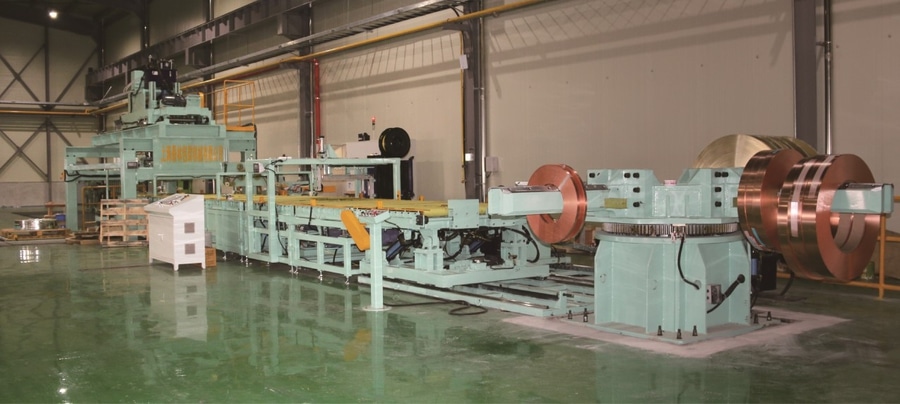
Guidelines for Optimal Coil Stacking
Effective coil stacking is a strategic process that goes beyond simply piling coils. It involves careful planning and adherence to established guidelines to ensure structural integrity, accessibility, and long-term material preservation. The goal is to create a storage environment where coils are secure, easily retrievable, and protected from environmental factors and physical damage. This requires understanding the unique characteristics of slit coils and implementing practices that mitigate the inherent risks associated with storing heavy, cylindrical objects.
Proper stacking techniques are vital for safety and efficiency. Vertical stacking (eye-to-sky) is widely considered the most stable method for slit coils on flat surfaces, as it distributes weight evenly onto the pallet and floor, reducing the likelihood of the coil rolling off. Strict adherence to stack height limits (e.g., three high for slit coils) is critical to prevent the stack from becoming top-heavy and unstable. The principle of placing larger diameter coils at the base of a stack provides a wider and more stable foundation, lowering the center of gravity. Maintaining the integrity of the skids supporting the coils is paramount, as a damaged skid can compromise the stability of the entire stack. Designating specific, clearly marked storage zones minimizes the risk of collisions with moving equipment or pedestrian traffic. Furthermore, ensuring adequate ventilation in storage areas helps prevent moisture buildup, which can lead to corrosion, particularly on the vulnerable cut edges of slit coils. Finally, the storage surface must be level and capable of bearing the significant weight of stacked coils to avoid tilting or collapse. Avoiding placing obstructions on or under stacks is also essential to prevent damage and maintain stability. Implementing these guidelines transforms coil storage from a potential hazard into a well-organized, safe, and efficient component of your operation.
Safety First: Minimizing Risks in Coil Handling and Stacking
Handling and stacking heavy steel coils are inherently high-risk activities. Ignoring safety protocols isn’t just a regulatory oversight; it’s an invitation to severe accidents, potentially causing catastrophic injuries, equipment destruction, and extensive operational downtime. Are you doing everything possible to protect your team and prevent devastating incidents?
Prioritizing safety in slit steel coil handling and stacking is essential and relies on a comprehensive approach. This includes providing thorough training for all personnel on safe operating procedures, conducting regular, pre-use equipment inspections, strictly adhering to documented safe lifting and stacking methods, clearly defining and maintaining safe work zones, and ensuring mandatory use of appropriate personal protective equipment (PPE) by all workers in coil handling areas. Consistent enforcement of these protocols fosters a proactive safety culture and dramatically reduces the likelihood of accidents.
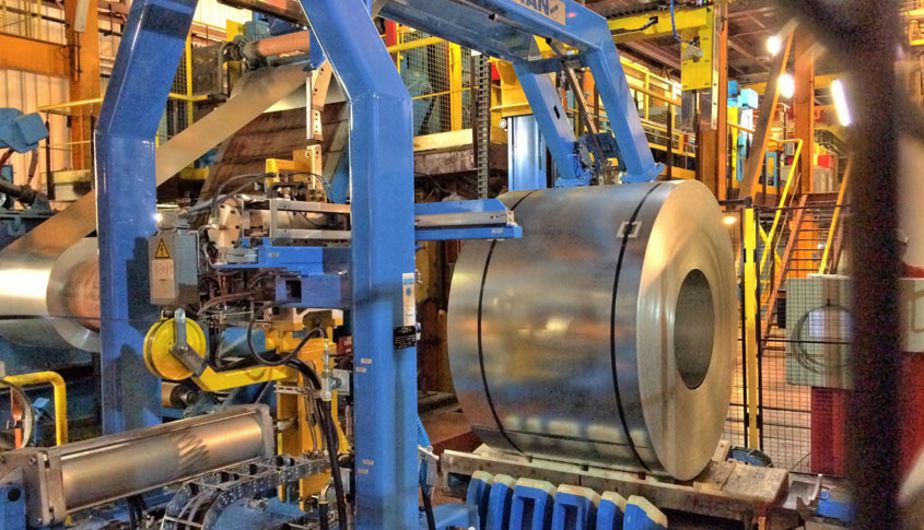
Key Safety Protocols for Coil Operations
Building a robust safety program for coil handling and stacking requires more than just a list of rules; it demands a proactive culture of vigilance and prevention embedded in daily operations. Implementing specific protocols provides a framework for minimizing hazards and responding effectively to potential incidents, safeguarding both personnel and assets. This involves a commitment from management to invest in training, equipment maintenance, and workplace organization, coupled with the active participation of every employee in adhering to safety guidelines. A comprehensive safety program addresses both routine operations and emergency scenarios, ensuring preparedness for any eventuality.
Essential safety protocols create layers of protection within the coil handling environment. Comprehensive, ongoing training ensures that every operator understands the risks involved and the correct procedures for mitigating them, from safe lifting angles to emergency stops. This training should be practical and hands-on, covering specific equipment and handling scenarios. Equipment inspections before each use catch potential mechanical failures before they can lead to accidents, preventing dropped loads or equipment malfunctions. Clearly defined and enforced safe zones, marked with floor lines and barriers, prevent unauthorized personnel from entering hazardous areas where heavy loads are in motion, significantly reducing the risk of collisions. Mandatory use of appropriate PPE like hard hats, safety shoes, and gloves provides a last line of defense against potential impacts or pinch points. Establishing and practicing safe lifting and stacking procedures, including understanding load limits and maintaining stable stack configurations, directly prevents material damage and collapses. Finally, emergency preparedness protocols, including clearly defined response plans for incidents like coil drops or equipment failures, and the availability of necessary emergency equipment, ensure that personnel are ready to respond quickly and effectively to minimize the impact of an accident.
| Protocol | Description | Importance | Implementation Strategy |
|---|---|---|---|
| Comprehensive Training | Mandatory and ongoing training covering safe operating procedures, equipment use, and hazard identification. | Equips employees with skills for safe tasks, reduces human error, promotes a safety culture, ensures regulatory compliance. | Develop detailed programs, conduct regular sessions (initial & refresher), document records, incorporate practical components. |
| Equipment Pre-Use Inspections | Daily checklists for operators to inspect equipment (forklifts, C-hooks, skids) before operation. | Prevents equipment-related accidents, ensures safe working order, allows timely repairs, minimizes downtime. | Provide accessible checklists, train operators on procedures, establish clear reporting for issues, implement lockout/tagout for faulty equipment. |
| Defined Safe Zones | Clearly demarcated work zones separating personnel from equipment and coil movement areas. | Reduces risk of pedestrian-equipment collisions, prevents unauthorized access to hazardous areas, improves organization and awareness. | Use floor markings, barriers, signage; ensure adequate lighting; regularly review and adjust layouts; utilize visual aids. |
| PPE Enforcement | Strict enforcement of mandatory PPE usage (hard hats, safety shoes, gloves, eye protection) in coil areas. | Protects workers from potential injuries (head, foot, hand, eye), minimizes accident severity, demonstrates commitment to worker safety. | Provide appropriate PPE, conduct regular inspections, enforce mandatory usage, train on proper selection, use, and maintenance. |
| Safe Lifting & Stacking Procedures | Adherence to documented procedures for coil orientation, weight/height limits, and controlled movement. | Ensures stable handling and stacking, prevents coil damage/collapses, minimizes injury risk from falling coils, promotes consistency. | Develop and communicate clear, step-by-step procedures; provide visual aids/job aids; conduct regular reviews; supervise initial tasks for adherence. |
| Emergency Preparedness | Established procedures and readily available equipment (first aid, spill response) for potential incidents. | Minimizes accident impact, enables swift/effective response, reduces incident escalation, demonstrates care for employee well-being. | Develop comprehensive plans, conduct regular drills, ensure accessible/well-maintained equipment, train personnel on procedures and equipment usage. |
By integrating and consistently enforcing these protocols, businesses can create a significantly safer environment for handling and stacking slit steel coils, protecting their workforce and operational stability.
The Role of Automation in Enhancing Efficiency
Manual handling and stacking of heavy slit steel coils are inherently labor-intensive and can be inconsistent, leading to potential bottlenecks and increased risk of errors or injuries. This traditional approach often limits throughput and makes achieving high levels of precision challenging. What if advanced technology could streamline this process, handling coils with greater speed, accuracy, and safety than ever before?
Automation plays a pivotal role in revolutionizing slit steel coil handling and stacking operations by replacing manual effort with precise, repeatable, and often faster mechanical systems. Automated solutions such as Automated Guided Vehicles (AGVs), robotic handling arms, and automatic coil stackers increase throughput, reduce labor costs, minimize human error, and significantly enhance safety by removing workers from potentially hazardous environments. This results in improved operational efficiency, reduced material damage, and a more consistent workflow from processing lines to storage or packaging. Implementing automation can transform coil handling into a highly efficient, safe, and predictable process.
Automation technologies are rapidly reshaping the landscape of coil handling and stacking, offering solutions that go beyond mere labor replacement. These technologies create integrated systems that optimize material flow, improve consistency, and enable operations to run continuously with minimal human intervention. Automated Guided Vehicles (AGVs) transport coils autonomously, following programmed paths or adapting to dynamic layouts, reducing forklift traffic and congestion. Robotic coil handling arms provide high precision for picking, placing, and orienting coils, especially useful in tight spaces or for repetitive tasks, minimizing the risk of edge damage and improving stacking accuracy. Automatic coil stackers integrate with conveyors or processing lines to build stable stacks according to predefined patterns, ensuring uniformity and maximizing storage density while eliminating manual stacking hazards. Integrated conveyor systems equipped with sensors and controls create a seamless flow between different stages of the process, reducing manual transfers and bottlenecks. Furthermore, automated coil packaging lines can integrate handling, strapping, weighing, and labeling, creating a fully automated end-to-end process from slitting line exit to shipping. These technologies, when strategically implemented, lead to significant improvements in speed, efficiency, safety, and overall productivity, positioning businesses for greater competitiveness.
Conclusion
Efficient handling and stacking of slit steel coils are foundational to a productive and safe metal processing operation. By prioritizing best practices in lifting techniques, adhering to rigorous stacking guidelines, embedding a strong safety culture through comprehensive protocols, and strategically adopting coil packing line automation solutions, companies can unlock significant operational benefits. These efforts not only enhance productivity and minimize costly material damage and waste but, most critically, safeguard the workforce from potential injuries. Investing in these areas ensures operational excellence and a competitive edge in the demanding industrial landscape.








