
How to Optimize Coil Handling for Heavy-Duty Loads
Heavy-duty coils are essential but hazardous. Improper handling risks severe injury, costly damage, and operational bottlenecks. Mastering optimization transforms these challenges into enhanced safety and efficiency.
Optimizing heavy-duty coil handling involves implementing stringent safety protocols, selecting appropriate heavy-duty equipment like cranes and forklifts with specialized attachments, strategically optimizing storage layouts, providing comprehensive personnel training, and streamlining workflows to minimize redundant movement and potential risks.
Navigate the complexities of managing massive coil loads effectively. This guide dives deep into the strategies and techniques required to achieve peak performance in your coil handling operations, ensuring safety and boosting productivity.
Prioritizing Health and Safety in Heavy-Duty Coil Handling
Managing multi-ton steel coils demands unwavering attention to safety. Neglecting protocols can lead to devastating accidents, property damage, and significant downtime. Discover how integrating safety into every step is non-negotiable.
Ensuring health and safety when handling heavy-duty coils is paramount. This requires mandatory use of appropriate Personal Protective Equipment (PPE) like gloves, safety glasses, and steel-toed boots, coupled with proper training on lifting techniques and equipment use (cranes, forklifts). Secure storage solutions, including reinforced racks for “eye to the sky” or “eye to the side” orientation and clear labeling, are crucial to prevent accidents from rolling or falling. Regular equipment maintenance and established transport procedures further mitigate risks, protecting both personnel and materials.
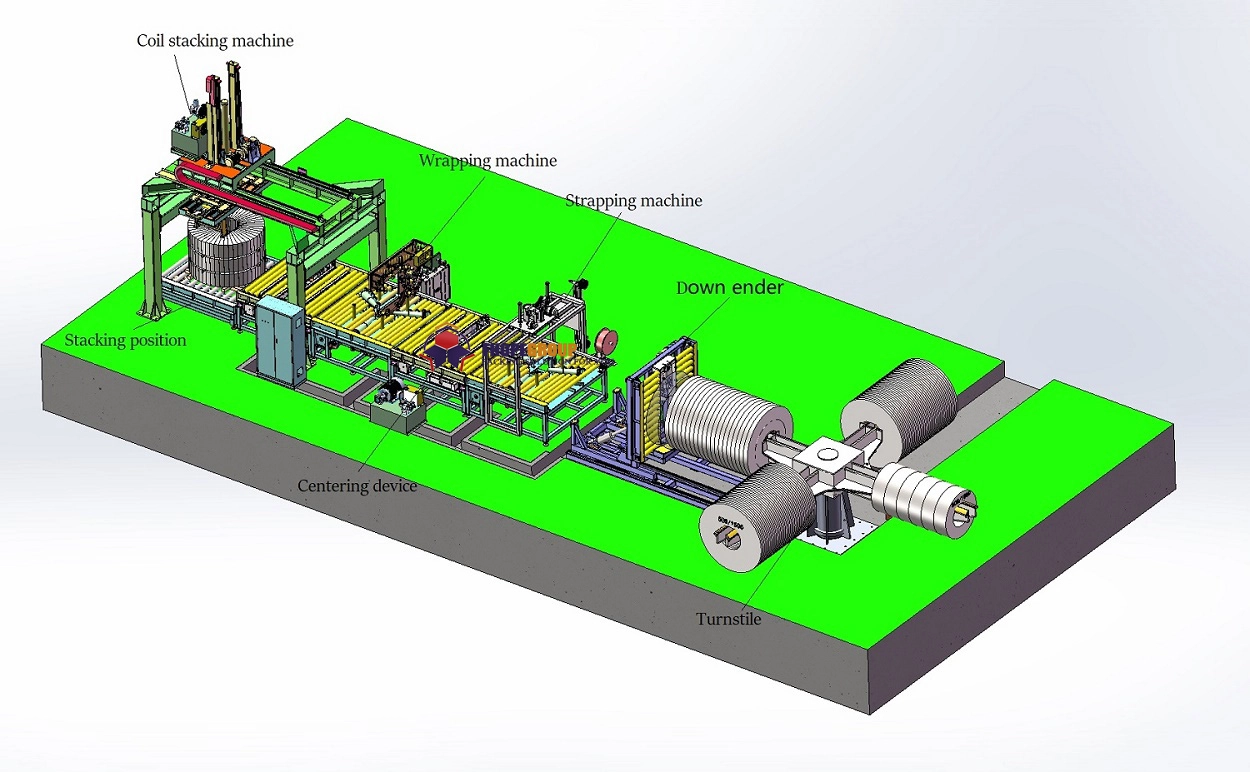
Essential Safety Protocols for Heavy Coil Management
Effective heavy-duty coil handling safety rests on three pillars: rigorous personal protection and training, secure and organized storage, and meticulous equipment management and transport procedures. Each aspect plays a critical role in preventing accidents.
Personal Protective Equipment (PPE) and Training
The first line of defense is ensuring every worker handling coils is equipped with the correct PPE. This includes heavy-duty gloves to protect against sharp edges, safety glasses for eye protection, steel-toed boots to prevent foot injuries from heavy drops, and durable protective clothing. Beyond gear, comprehensive training is vital. Workers must be proficient in safe lifting techniques specific to heavy loads and expertly trained in operating mechanical aids such as overhead cranes, gantry systems, forklifts with suitable attachments, and specialized coil lifters or tongs. Proper training significantly reduces strain injuries and equipment-related accidents.
Secure Storage Techniques
Storing heavy coils safely requires careful planning. Coils should always be placed on stable, level surfaces. Common orientations are “eye to the sky” (vertical) or “eye to the side” (horizontal) within designated storage racks. Storage racks and supports must be specifically engineered to bear the immense weight and dimensions of the coils being stored. Clear labeling identifying coil weight, size, and specific handling instructions is mandatory. Safety signage marking pathways, restricted areas, and emergency exits guides personnel safely through the facility. Bulk coil racks offer vertical storage solutions, while heavy-duty coil pallets aid in mobile handling, particularly in confined spaces, enhancing stability and preventing movement.
Equipment Management and Transport Safety
Reliable equipment is fundamental. All lifting apparatus – including gantries, cranes, forklifts, and various coil grabs or tongs – must undergo stringent, regular inspection and maintenance schedules. This preventive approach minimizes the risk of mechanical failure. Operators must use appropriate lifting attachments and techniques tailored to the specific weight and size of each coil to prevent damage during lifts. Establishing clear, documented procedures for loading and unloading coils is essential for maintaining a safe workflow. Crucially, coils must be secured properly during any transport within or outside the facility to prevent shifting or falling, which could have catastrophic consequences. Implementing noise control measures is also important to protect workers operating heavy machinery.
Consider the impact of structured safety measures:
| Safety Measure | Space Optimization Benefit | Safety Enhancement | Implementation Cost |
|---|---|---|---|
| Vertical Coil Storage Racks | Maximizes vertical space; reduces floor clutter. | Prevents coil rolling/falling; stability. | Moderate |
| Mobile Coil Pallets | Flexible storage/movement in tight spaces. | Reduces manual handling; safer transport. | Low to Moderate |
| Regular Equipment Maintenance | Ensures equipment reliability; prevents breakdowns. | Minimizes accident risk; extends lifespan. | Low (Ongoing) |
| Comprehensive Safety Training | Promotes safe handling practices in all areas. | Reduces worker injuries; fosters culture. | Low (Ongoing) |
| Automated Gantry Systems | Streamlines material flow; reduces handling space. | Minimizes manual intervention; precision. | High |
By diligently implementing these safety protocols, facilities handling heavy-duty coils can drastically reduce risks and build a foundation for efficient operations.
Optimizing Equipment and Storage Strategies
The backbone of efficient heavy coil handling is the right equipment paired with smart storage. Making informed choices minimizes product damage, speeds up workflow, and liberates valuable factory floor space.
Optimal heavy-duty coil handling leverages specialized equipment like robust cranes, forklifts with tested attachments, and coil tippers/upenders for orientation. Effective storage uses heavy-duty racks for “eye to the sky” or “eye to the side” configurations. This combination enhances safety, reduces damage, and streamlines material flow.
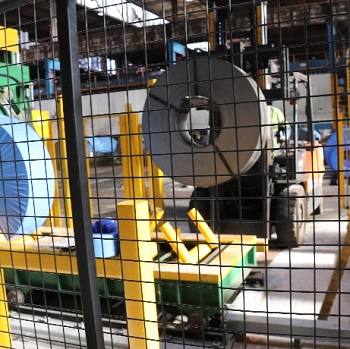
Selecting and implementing appropriate equipment is paramount. Heavy-duty loads require machinery designed for the task. For instance, standard forklifts may not suffice; multidirectional forklifts, as used by Metroll with Combilift, offer enhanced stability and maneuverability for long loads like coils and roll-formed products, allowing safe navigation in tight spaces and handling coils “eye to the side” or “eye to the sky.” Gantry cranes, particularly traveling gantry systems, offer significant flexibility and reduce the need for mobile equipment like forklifts for large coil movements, decreasing traffic and freeing up floor space. Fixed gantries positioned over decoilers allow for rapid coil changes (2-3 minutes cited in material), dramatically cutting machine downtime.
Specialized attachments like C-hooks, coil lifters, tongs, and grabs are essential for safely securing and transporting coils without damaging edges or surfaces. Regular inspection and maintenance of these attachments, alongside the primary lifting equipment, are critical. Using equipment that is rated for the maximum coil weight is non-negotiable; overloading is a primary cause of accidents and equipment failure, potentially leading to fatal outcomes, as highlighted by experts like Nelson Miller.
Storage strategies, particularly the “eye to the sky” versus “eye to the side” orientation, depend on the stage of the coil’s lifecycle and facility layout. “Eye to the sky” is often preferred for finished coils or bulk storage as it maximizes vertical space and reduces the risk of damage to painted surfaces, allowing higher density storage per square foot. “Eye to the side” is necessary for coils ready to be loaded onto a decoiler or roll former, enabling easy mandrel insertion. Robust, weight-rated racks or coil pallets are crucial for secure storage in either orientation, preventing dangerous rolling or falling. Paul Zimmerman notes storing WIP coils “eye to the side” facilitates direct feeding to the decoiler. Minimizing the number of times a coil is handled or moved reduces the risk of damage, such as nicks or blemishes, which can ruin large portions of the coil. Experts agree that “double-handling” significantly increases this risk.
Proper storage also involves environmental considerations; coils should be stored in cool, dry, well-ventilated areas to prevent moisture damage, which can lead to corrosion or paint blistering and potentially void warranties. Evaluating the condition of pallets or skids before lifting and replacing broken ones immediately is a simple yet critical safety measure. Stacking limits (e.g., no more than three slit coils or two master coils “eye to the sky”) must be strictly followed, always with the larger diameter at the bottom, and never stacking anything on or beneath the coils.
Streamlining Processes for Business Efficiency
Beyond safety, optimized heavy-duty coil handling directly impacts your bottom line. Inefficient processes lead to waste, delays, and increased costs. Discover how streamlining workflows and management systems can transform your operation into a lean, productive powerhouse.
Streamlining heavy-duty coil handling enhances business efficiency through strategic actions: implement inventory management, optimize workflows to reduce movement, conduct rigorous product inspection, build reliable supplier relationships, and maintain equipment proactively. These steps minimize waste, improve material flow, and reduce costly downtime.
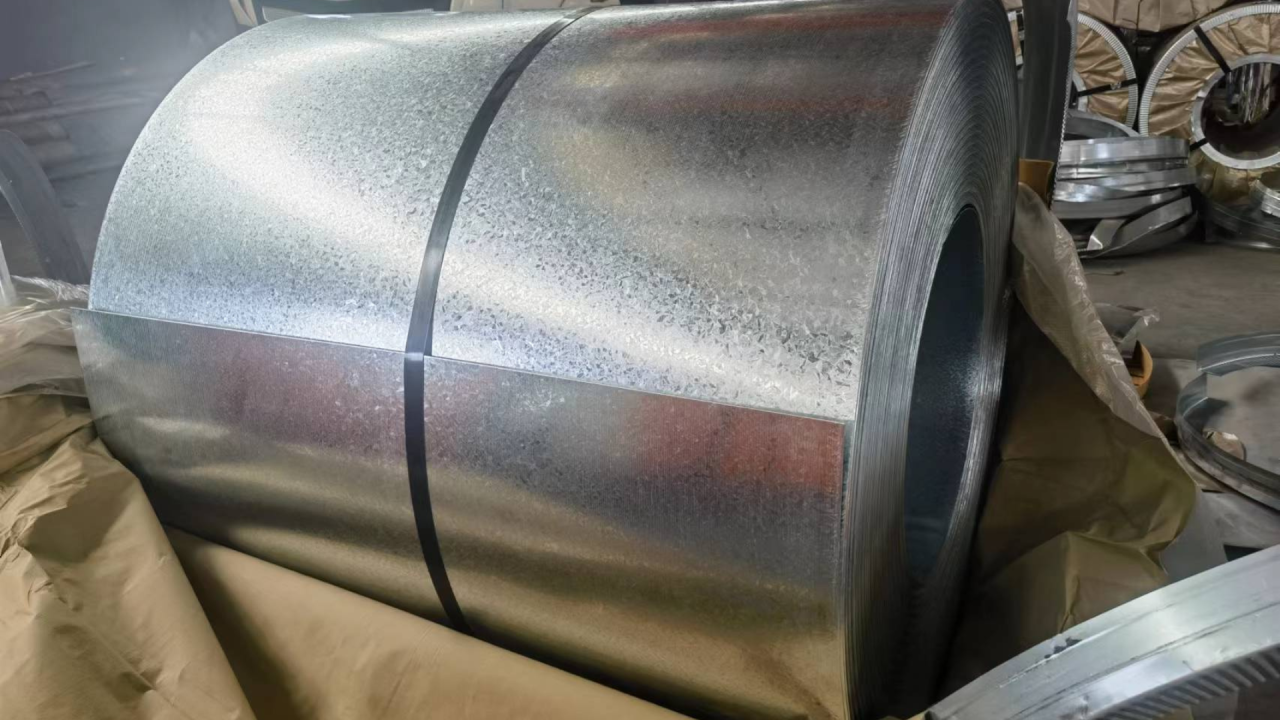
Key Strategies for Operational Excellence
Achieving peak business efficiency in heavy-duty coil handling requires a multi-faceted approach focusing on smart management systems, workflow design, quality assurance, and strategic partnerships.
Inventory Management and Workflow Design
Implementing a comprehensive inventory management system is foundational. This system should meticulously track coil quantities, precise storage locations, and detailed specifications for every coil. Such visibility is critical for reducing waste from misplaced or expired stock, preventing expensive overstocking, and ensuring the correct materials are readily available when production demands them. Complementary to this is optimizing workflow design. The physical layout of storage areas, work zones, and production lines should be designed to minimize the distance and number of times coils are moved or handled. Streamlining the transfer path from receiving or storage directly to the production equipment reduces handling time, lowers labor costs, decreases the risk of damage during transit, and frees up floor space that would otherwise be needed for staging or unnecessary maneuvering.
Quality Control and Supply Chain Management
Establishing rigorous quality control measures for all incoming steel coils is paramount. Inspecting coils upon arrival ensures they meet specified standards regarding material grade, dimensions, and surface condition. Preventing substandard materials from entering the production flow avoids costly delays, rework, and potential damage to machinery or final products, which can consume valuable time and space. Simultaneously, cultivating strong, reliable relationships with trusted suppliers ensures consistent and timely delivery of high-quality steel coils. This reduces uncertainty in the supply chain, potentially allows for just-in-time delivery strategies, and decreases the need for maintaining large, space-consuming buffer inventories on site.
Equipment Maintenance and Continuous Improvement
Regular and proactive maintenance of all coil handling equipment – from forklifts and cranes to specialized attachments and decoilers – is essential for sustained efficiency. Implementing a preventive maintenance schedule, rather than reactive repairs, minimizes unexpected breakdowns and costly downtime, ensuring that equipment is always ready for operation. Well-maintained equipment also operates more smoothly and safely, contributing to optimized workflows. Beyond maintenance, fostering a culture of continuous improvement involves regularly reviewing and updating handling procedures, incorporating feedback from operators, and staying abreast of industry best practices and technological advancements in coil handling. This iterative process ensures that safety and efficiency standards remain high.
Here’s a table illustrating the impact of these strategies:
| Strategy | Business Efficiency Improvement | Space Optimization Benefit | Implementation Effort | Cost Savings Potential |
|---|---|---|---|---|
| Inventory Management | Reduces waste; prevents overstocking. | Minimizes storage space; reduces clutter. | Moderate | High |
| Optimized Workflow Design | Streamlines material transfer; reduces time. | Reduces material movement area; optimizes layout. | Moderate to High | High |
| Rigorous Product Inspection | Prevents delays and rework; ensures quality. | Reduces space for rework/rejected materials. | Moderate | Moderate to High |
| Reliable Supplier Relations | Ensures timely delivery; supply chain reliability. | Reduces need for large buffer stock. | Moderate | Moderate |
| Preventive Maintenance | Minimizes downtime; extends equipment life. | Reduces downtime-related space inefficiencies. | Low (Ongoing) | Moderate to High |
By integrating these business improvement strategies, companies can significantly enhance the efficiency of their heavy-duty coil handling operations, directly contributing to profitability and optimal space utilization.
Advanced Techniques and Equipment
Unlock the full potential of heavy-duty coil handling by exploring advanced equipment and innovative techniques. From automation to specialized rotation tools, these solutions offer precision, speed, and enhanced safety beyond traditional methods.
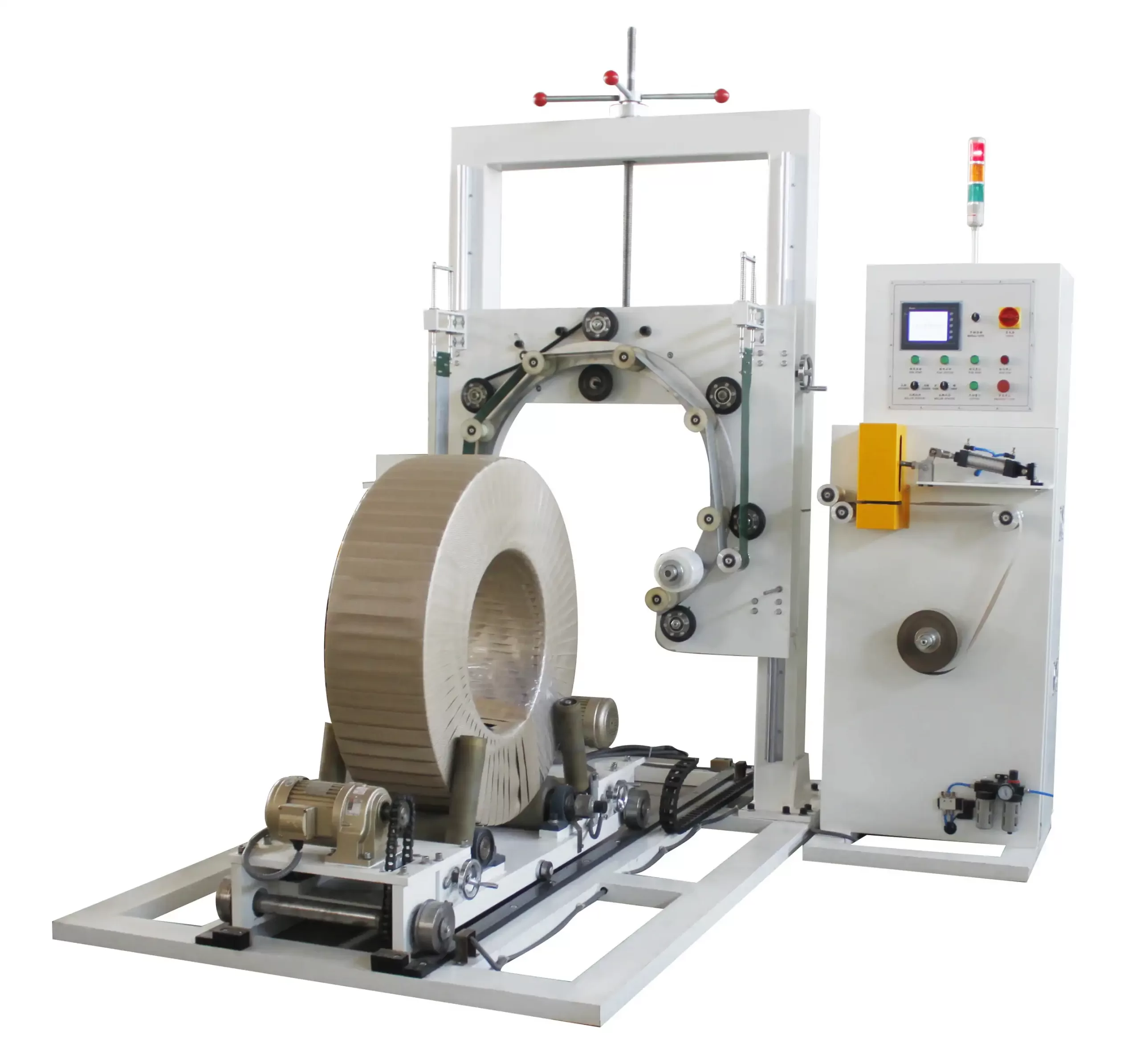
Advanced techniques for optimizing heavy-duty coil handling include leveraging automated systems for precision and speed, utilizing specialized equipment like coil tippers and upenders for efficient orientation changes, and employing purpose-built equipment like heavy-duty gantry cranes with custom attachments. These solutions minimize manual handling, reduce risks, and boost throughput.
Specialized equipment like coil tippers and upenders are designed specifically to change the orientation of heavy coils safely and efficiently. Coil tippers typically rotate coils 90 degrees (vertical to horizontal or vice versa), facilitating the transition from storage orientation to feeding a decoiler or roll former. Upenders can offer more precise control and potentially rotate coils up to 360 degrees, useful for inspection or integrating with automated lines. Using these machines eliminates hazardous manual or forklift-dependent rotation methods, improving safety and streamlining the material path. They are crucial for facilities where coils need to move between storage (often eye-to-sky for density) and production (often eye-to-side for feeding). While stationary models are common, low-profile or portable versions exist for added flexibility in layout.
Automation in coil handling offers significant advantages. Automated systems can precisely locate, pick up, and transfer coils with minimal human intervention, drastically reducing the potential for human error and coil damage from impacts or improper handling. This precision leads to less scrap material. Automated machines can operate faster and more consistently than human operators, leading to increased speed, uptime, and higher throughput. Examples include automated guided vehicles (AGVs) for transport or fully automated gantry crane systems feeding production lines. The benefits extend to potentially lower labor costs and improved packaging consistency. However, the initial investment is substantial, lead times can be long, and system downtime due to technical issues can be significant, requiring skilled maintenance.
Specific examples highlight the power of customized, heavy-duty solutions. At a high-production steel mill, a 70-ton capacity rubber-tired gantry crane equipped with a custom coil handling attachment and hydraulic rotating hook from Mi-Jack Products enables precise, safe loading and unloading of heavy coils into railcars. This custom setup eliminates the need for ground rigging and keeps personnel at a safe distance, enhancing both productivity and safety. As Mike Lanigan, VP Sales at Mi-Jack, notes, this combination “enhances both productivity and safety.” The ability to load four 70-ton coils per railcar in under 30 minutes demonstrates the efficiency gains possible with purpose-built heavy-duty equipment. Similarly, companies like Combilift offer multidirectional forklifts capable of handling heavy coils and long loads, optimizing space utilization and safety by tucking loads between the wheels for stability and navigating narrow aisles. Investing in rugged, customized equipment built for the specific demands of heavy coil handling ensures durability, minimizes maintenance issues, and maximizes operational uptime and throughput within available space. Features like heavy-duty frames, precise controls, and seamless integration into existing workflows are critical considerations.
Conclusion
Mastering heavy-duty coil handling is pivotal for industrial success, merging safety with efficiency. By prioritizing health and safety protocols, strategically employing the right equipment and storage techniques, streamlining business processes, and leveraging advanced solutions like automation and specialized tools, companies can transform potential hazards into opportunities. Optimizing coil handling ensures a safer workplace, reduces material waste, minimizes downtime, and ultimately drives higher productivity and profitability. Continuously refining these practices is key to maintaining peak performance in a demanding environment.








