
The Role of Coil Trailers in Efficient Coil Transport
Moving massive steel coils isn’t just about brute strength; it’s a precise, high-stakes operation. Improper handling or transport can lead to costly damage, dangerous accidents, and significant downtime. Imagine a multi-ton coil shifting mid-transit – the consequences are severe. This is where specialized coil trailers become indispensable, transforming a hazardous task into a safe, streamlined process.
Coil trailers are specialized transport vehicles designed to securely haul heavy coiled materials like steel, aluminum, and paper. They feature configurations like flatbeds with specialized equipment, RGNs, or step decks, ensuring safe, stable transit by accommodating the unique shape and weight distribution of coils. These trailers are critical for minimizing damage and ensuring safety on the road.
Understanding the right equipment and procedures is paramount. This article delves into the world of coil transport trailers, exploring their vital role, various types, key benefits, and essential safety considerations to ensure your valuable cargo reaches its destination securely and efficiently.
Why Specialized Trailers are Crucial for Coil Transport
Transporting steel coils, weighing thousands or even tens of thousands of pounds, is fraught with unique challenges. Standard trailers often lack the necessary securement points, structural integrity, or specialized features required to manage such concentrated, dynamic loads safely. The risk of shifting cargo is extremely high without the right equipment.
Specialized coil transport trailers are crucial because they provide the dedicated structure and securement features needed for these heavy, cylindrical loads. They are engineered to prevent coils from rolling, shifting, or falling, which are major hazards in transport. Their design, whether a specialized flatbed, RGN, or step deck, directly addresses the stability and weight distribution challenges inherent in hauling coils.
Trailer Types and Their Applications in Coil Hauling
Selecting the appropriate trailer is the first critical step in ensuring safe and efficient coil transport. The choice depends heavily on the coil’s size, weight, and any specific handling requirements. Different trailer types offer distinct advantages for various coil transport scenarios.
Flatbed Trailers with Coil Racks
Flatbeds are the most common type used for steel coils, especially when equipped with specialized coil racks. These racks, often steel frames with upward-pointing arms, cradle the coil, preventing rolling. Paired with robust tie-downs like chains and binders, flatbeds provide a versatile solution for many coil sizes.
- Advantages: Versatile, easy loading/unloading from multiple sides, readily available.
- Considerations: Requires proper dunnage (wood blocks, rubber mats) and sufficient coil racks based on coil weight (e.g., at least three racks for a heavy steel coil).
- Securement: Relies heavily on chain binders and straps with adequate working load limits. The “Shotgun” (eye forward) or “Suicide” (eye sideways or upward) orientation dictates securement strategy.
Removable Gooseneck (RGN) Trailers
RGN trailers are ideal for transporting oversized or extremely heavy coils that are difficult to load onto standard flatbeds. The detachable neck allows the front of the trailer to drop to the ground, creating a ramp for easy drive-on loading.
- Advantages: Excellent for large or heavy coils (up to 150,000+ lbs capacity), easier loading for machinery.
- Considerations: Requires specialized heavy haul expertise.
- Application: Often used when cranes or forklifts are not readily available for top loading, or for exceptionally large coils.
Step Deck Trailers
Step deck trailers feature a lower deck section, making them suitable for transporting tall or oversized coils while staying within height restrictions. The lower center of gravity also contributes to better stability for certain loads.
- Advantages: Accommodates taller loads, lower center of gravity improves stability, useful for oversized dimensions.
- Considerations: Requires careful planning for load distribution and securement.
- Application: Employed when coil diameter results in excessive height on a flatbed or RGN.
Choosing the correct trailer type is fundamental to safety and efficiency. Mismatching the trailer to the load is a primary cause of accidents and cargo damage. Expertise in load securement, including understanding aggregate working load limits and the proper use of chains, straps, and dunnage, is equally critical, regardless of trailer type.
| Trailer Type | Typical Coil Size/Weight | Key Advantage for Coils | Securement Methods |
|---|---|---|---|
| Flatbed | Standard (up to ~30 tons) | Versatility, Side Loading | Coil Racks, Chains, Straps |
| RGN | Oversized, Heavy (>30 tons) | Easy Drive-on Loading | Chains, Straps, Dunnage |
| Step Deck | Tall/Oversized | Accommodates Height, Stability | Chains, Straps, Dunnage |
The Undeniable Benefits of Using Dedicated Coil Transport Equipment
Beyond simply moving a heavy object, using trailers specifically designed or adapted for coils offers significant advantages that impact safety, efficiency, and cost-effectiveness. These benefits extend throughout the supply chain, from the mill to the end-user.
Using dedicated coil transport equipment significantly enhances safety by providing securement features engineered for heavy, cylindrical loads, preventing dangerous shifts. It boosts efficiency through higher load capacity and faster loading/unloading processes. Cost-effectiveness is achieved by reducing trips and minimizing expensive cargo damage during transit.
Maximizing Safety and Efficiency in Coil Transportation
The primary goals of any heavy haul operation are safety and efficiency. For steel coils, specialized trailers are not just recommended; they are often mandatory due to regulatory requirements and the inherent risks involved.
- Enhanced Safety Features: Coil trailers, or flatbeds properly equipped for coils, come with, or are designed to integrate with, specialized securement devices. This includes anchor points rated for high loads, winches, and dedicated slots for coil racks or chocks. These features ensure the load remains stable, preventing it from shifting during sudden stops, turns, or uneven road conditions. The sheer weight of coils means that even a small shift can have catastrophic consequences, making robust securement non-negotiable. Specialized equipment like rubber mats also provides a non-slip surface, adding an extra layer of security. Using equipment rated for the weight of the coil, or preferably overrated, is a fundamental safety rule that specialized trailers facilitate.
- Improved Efficiency: The design of coil trailers and related handling equipment is geared towards streamlining the loading, transport, and unloading processes. High load capacities mean fewer trips are often required to move a given volume of coils, saving time and fuel. Features like side loading on flatbeds or the removable gooseneck on RGNs simplify the handling process, reducing the time trucks spend idle during loading and unloading. This efficiency translates directly into faster delivery times and increased throughput for businesses relying on timely material delivery.
- Cost Reduction: While specialized equipment might have a higher initial cost, the long-term savings are substantial. Minimizing load damage during transit avoids expensive repairs or replacements of valuable steel coils. Increased efficiency reduces labor costs and fuel consumption per ton transported. Furthermore, preventing accidents saves on potential liability, insurance costs, and regulatory fines. Choosing the right trailer and employing proper securement techniques with reliable equipment significantly lowers the overall transportation expenditure, making it a cost-effective solution for regular coil movements.
Safety Hazards and Mitigation in Coil Handling and Transport
Handling and transporting heavy metal coils presents significant hazards beyond just the road transport phase. From the moment a coil arrives at a facility (“eye to the sky”) until it’s loaded onto a decoiler (“eye to the side”), safety must be the top priority. Mishandling can lead to severe injuries, equipment damage, and product spoilage.
The primary safety hazards in coil handling and transport include injury or death from falling coils due to improper securement or equipment failure, damage to the coils themselves from rough handling, and risks during loading/unloading. Mitigation involves using correctly rated equipment, implementing strict securement protocols, employing proper loading/unloading procedures, and providing continuous operator training.
Best Practices for Safe Coil Handling and Securement
Effective safety protocols encompass everything from using the right equipment to maintaining a vigilant safety culture. Minimizing the number of times a coil is handled is a key strategy to reduce risk.
Equipment Selection and Use
Choosing handling equipment that is rated for the specific weight of the coil being moved is non-negotiable. Using underrated equipment is a critical error that can lead to catastrophic failure.
- Overrated Equipment: Always use forklifts, cranes, or coil handlers that significantly exceed the coil’s maximum weight. A 10,000-pound coil requires equipment with a much higher lifting capacity to handle dynamic loads and safety margins.
- Specialized Attachments: Coil rams or specialized forks designed for ‘eye to the side’ lifting provide better stability and reduce the risk of dropping the coil or damaging the eye or edges.
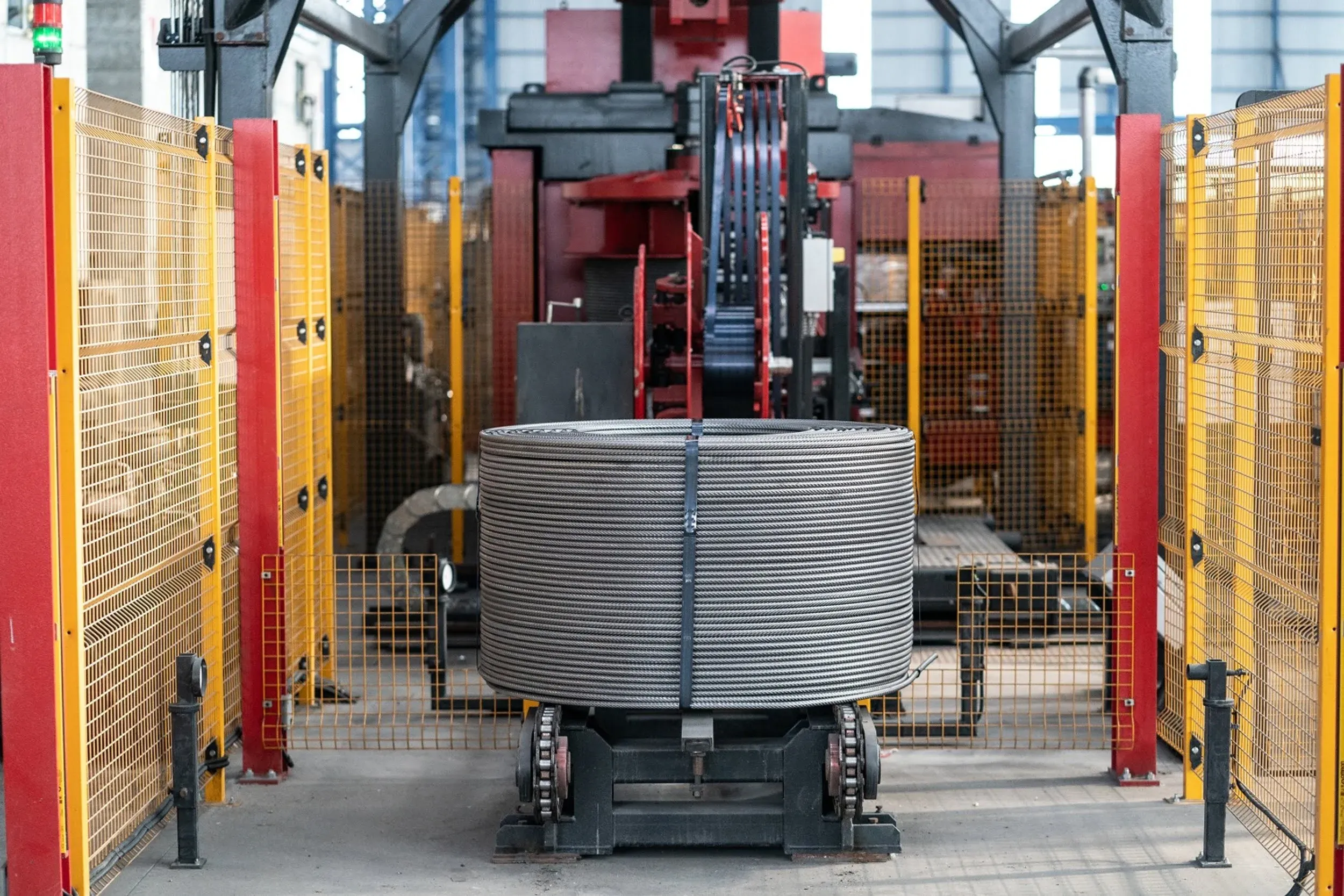
- Coil Racks and Chocks: These are essential for stabilizing coils both in storage and on trailers, preventing rolling and ensuring the load remains in place.
- Load Securement Hardware: Use high-quality, appropriately rated transport chains, binders, and straps. Ensure these are free from wear and damage.
Loading and Unloading Procedures
These are critical phases where many accidents occur. Careful planning and execution are vital.
- Prepare the Area: Ensure the loading/unloading zone is clear of personnel and obstructions. The ground or trailer deck should be stable and level.
- Proper Placement: Coils must be placed correctly on the trailer or storage rack, often on protective mats or dunnage, and nestled into coil racks or chocks if used.
- Layered Securement: Utilize a combination of dunnage, racks/chocks, and tie-downs (chains/straps) to create redundant layers of securement. Ensure tie-downs are tensioned correctly according to regulations and best practices.
- Driver Vigilance: During transport, drivers must maintain a safe speed, avoid sudden maneuvers, and ideally perform periodic checks of load securement, especially after the first few miles of travel.
Training and Culture
Human error is a major factor in accidents. Comprehensive training and a strong safety culture are foundational.
- Initial and Refresher Training: All personnel involved in coil handling and transport, including forklift operators and truck drivers, must receive thorough initial training and regular refresher courses on safe procedures and equipment use.
- Awareness of Hazards: Educate staff on the specific risks associated with coil weight, shape, and storage methods (e.g., fire risks with stacked coils on pallets).
- Quality Control: Emphasize minimizing handling steps (“double-handling”) to reduce damage risk. Implement quality checks to spot potential damage before a coil is used in production.
- Emergency Preparedness: Work with local emergency services, like fire departments, to inform them of coil storage locations and hazards, particularly concerning potential structural failure during a fire.
| Safety Hazard | Cause | Mitigation Strategy |
|---|---|---|
| Coil Rolling/Shifting | Improper securement, sudden maneuvers | Use coil racks/chocks, chains/straps, anti-slip mats, slow driving |
| Equipment Failure/Dropping Coil | Underrated equipment, mechanical fault | Use overrated equipment, regular maintenance, specialized attachments |
| Damage to Coil Edges/Surface | Rough handling, striking objects, shifting | Minimize handling, use protective dunnage, proper attachments, securement |
| Injury from Falling Coil | Dropping during handling, shifting in transit | Strict securement, proper equipment, clear zones, training |
| Fire Hazard (Stacked Coils) | Pallet combustion | Inform fire department, designated safe zones, storage strategy |
Optimizing Coil Handling and Storage Strategies
Efficient handling and storage of steel coils within a facility are just as critical as safe transportation. How coils are received, stored, and moved to processing lines directly impacts productivity, space utilization, and product quality. The choices made here influence the frequency and methods of internal movements, which in turn affect safety and the likelihood of damage.
Optimizing coil handling and storage involves selecting appropriate equipment like multidirectional forklifts or specialized carts, implementing efficient storage strategies such as “eye to the sky” or “eye to the side” based on the coil’s status, and considering automation to reduce manual intervention and potential damage. These practices improve safety, increase storage density, and streamline workflows. They directly complement the role of trailers by ensuring the coil is ready for transport or processing efficiently.
Strategic choices in equipment and storage configurations are key to minimizing risks and maximizing throughput. For instance, the orientation of the coil – “eye to the sky” (vertical, center facing up) or “eye to the side” (horizontal, center facing sideways) – profoundly impacts storage density and accessibility for processing.
- Storage Strategies:
- “Eye to the Sky”: This orientation is often preferred for finished coils in storage. It maximizes storage density, allowing more tons per square foot of warehouse space. It also helps protect the painted or finished surface from potential contact damage. However, it requires a coil tipper or specialized equipment to change the orientation to “eye to the side” before feeding into a roll-forming line.
- “Eye to the Side”: Work-in-progress (WIP) coils or those destined directly for processing (like slitting or roll forming) are often stored “eye to the side.” This allows the decoiler mandrel to be easily inserted into the coil’s eye, facilitating the unwinding process. While it requires more floor space per coil compared to “eye to the sky” stacking, it eliminates the need for a tipping step, saving time and reducing handling.
- Handling Equipment: Beyond standard forklifts, specialized equipment significantly improves handling efficiency and safety:
- Multidirectional Forklifts: Vehicles like those offered by Combilift can lift coils in both “eye to the sky” (using forks like standard counterbalance) and “eye to the side” (using forks through the eye) configurations. They can also carry long loads sideways, which is beneficial for transporting roll-formed products or moving coils in narrow spaces. Retracting the coil between the machine’s legs distributes weight evenly, enhancing stability.
- Specialized Coil Carts & Trailers: These carts, often with fifth-wheel steering or designed for tugger systems, are tailored for moving coils within a plant. They ensure the coil is securely cradled, minimizing movement and potential damage during internal transport. Custom solutions can be designed to specific coil sizes and plant layouts.
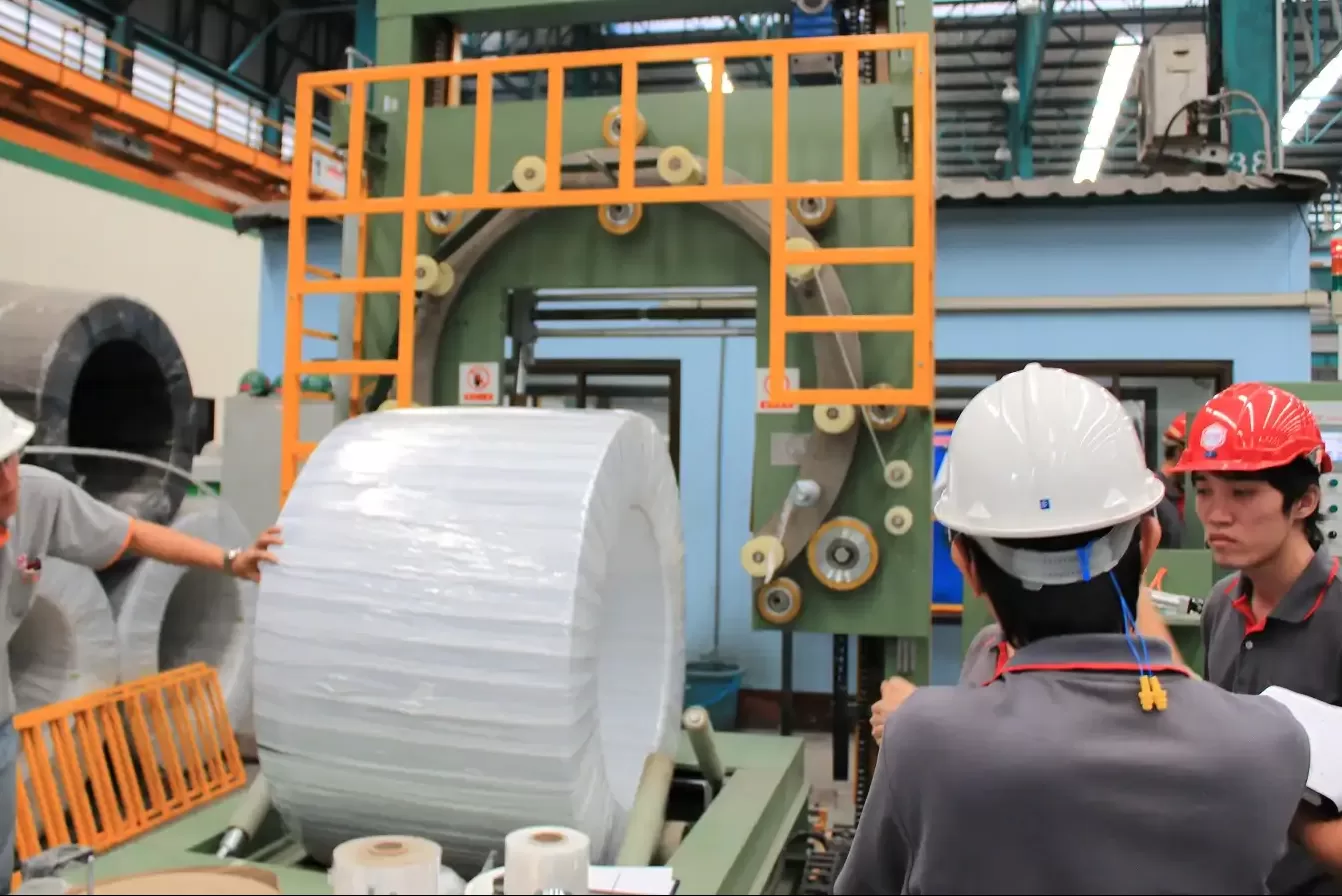
- Automated Handling Systems: For high-volume operations, automated systems offer significant benefits. They can consistently handle coils with less human error, reducing damage caused by imprecise movements. Potential advantages include increased speed, higher throughput, reduced scrap, and potentially fewer personnel required for direct handling. However, the initial investment, maintenance needs, and system complexity are factors to consider.








