
Key Considerations When Using Plastic Edge Protectors for Coils
Are your valuable metal coils arriving damaged? Denting, crushing, and torn packaging at the edges compromise product integrity and lead to costly claims. You need a solution that protects these vulnerable areas during transit and storage. Plastic edge protectors are a critical component in safeguarding your investment.
When using plastic edge protectors for coils, key considerations include selecting the correct size and material for the coil dimensions and weight, ensuring compatibility with other packaging like VCI film or strapping, proper installation to cover vulnerable areas effectively, assessing durability for handling and transport stresses, and evaluating ease of use and reusability for operational efficiency and sustainability.
Ensuring your metal coils reach their destination in pristine condition requires a multi-layered approach to packaging. While VCI films and wraps protect against corrosion, physical protection, especially for susceptible edges, is equally vital. Let’s delve into the critical factors to consider when incorporating plastic edge protectors into your coil packaging strategy.
Why Are Edge Protectors Crucial for Coils?
Handling and transporting heavy metal coils inherently carry risks. The sheer weight and inertia make them susceptible to impact, particularly along the vulnerable outer and inner edges. What makes these areas so critical, and how do edge protectors specifically address these challenges?
Coil edges are prone to damage from strapping tension, forklift impacts, drops, and shifts during transit. Dents or deformations can render significant portions of the coil unusable, leading to scrap and financial loss. Furthermore, damage to the protective outer layers, such as stretch wrap or VCI film, compromises the entire packaging system, exposing the coil to moisture, dirt, and corrosion. Plastic edge protectors, whether rigid corner pieces or flexible wrap-around solutions, act as a crucial buffer. They absorb impact energy, distribute strapping tension evenly, and shield the delicate coil edge profile from direct contact with external forces. This maintains the coil’s shape and preserves the integrity of the corrosion-inhibiting packaging underneath.

Considering the types of damage coils commonly face highlights the necessity of dedicated edge protection. Strapping is essential for securing coils, but without protection, it can indent edges and tear through wraps. Forklifts and clamps can crush edges if not handled precisely or if inadequate protection is in place. Even seemingly minor bumps during loading or unloading can escalate into significant damage. Plastic edge protectors are designed to be tough and resilient, capable of withstanding these common stresses. Their smooth surfaces also reduce friction, allowing strapping or wraps to glide over rather than bite into the coil edge. This preemptive protection is far more cost-effective than dealing with damaged goods, rework, or customer claims. It’s not just about aesthetics; it’s about preserving the functional integrity and value of the metal coil.
Protecting Vulnerable Edges from Impact and Handling Stress
Coil edges are arguably the most vulnerable part during handling and transport. They bear the brunt of impacts, forklift tines, and the significant tension applied by strapping. Without adequate protection, this leads to deformation, crushing, and tearing of the outer packaging layers, which in turn exposes the coil to environmental hazards. Plastic edge protectors are specifically engineered to mitigate these risks by providing a robust, load-spreading barrier.
- Impact Absorption: Rigid plastic corner protectors or more flexible wrap-around solutions absorb the energy from minor bumps and impacts that occur during loading, unloading, and transit. This prevents direct force from deforming the metal edge underneath.
- Strapping Tension Distribution: Strapping, vital for securing coils, can cause significant pressure points. Plastic edge protectors spread the tension of strapping over a larger surface area, preventing the strapping from cutting into or deforming the coil edge. This is crucial for maintaining coil shape and density.
- Abrasion Resistance: Coils often shift slightly during transit. Without edge protection, this movement can cause the outer layers of packaging (like VCI film or stretch wrap) to abrade and tear against other surfaces or even the coil itself. Plastic protectors offer a durable, smooth surface that resists abrasion, keeping the primary packaging intact.
- Protection Against External Objects: Sharp objects, debris, or other cargo can come into contact with coils. A plastic edge protector provides a physical shield against punctures and cuts to the coil’s edge and protective wrapping.
The choice of plastic material impacts the protector’s performance characteristics. High-density polyethylene (HDPE) and polypropylene (PP) are common choices due to their durability, resistance to cracking, and ability to withstand varying temperatures. The design, whether it’s a simple corner piece or a continuous strip like Propaflex, depends on the specific area needing protection and the type of coil. For instance, strip protectors are excellent for covering a longer span of the edge, particularly beneficial for wider coils or when stacking.
| Protector Type | Material Example | Key Benefit | Common Application | Tension Distribution | Impact Resistance |
|---|---|---|---|---|---|
| Rigid Corner | HDPE, PP | Concentrated corner strength | Outer coil corners | Localized | High |
| Wrap-Around Strip | PP, Polyethylene | Continuous edge coverage | Full edge circumference | Excellent | Moderate to High |
| Self-Sizing (Propafix) | Engineered Resin | Adaptable to various sizes | Inner/Outer edges of coils | Excellent | Moderate |
Selecting the appropriate plastic edge protector is not a one-size-fits-all decision. Factors like the weight and diameter of the coil, the expected handling methods (forklift, crane, clamping), the mode of transport (truck, rail, sea container), and the duration of storage all play a role. Consulting with packaging experts can help determine the most effective type and material for your specific needs, ensuring maximum protection against the myriad of stresses coils face.
Types of Plastic Edge Protectors for Coils
Navigating the options for plastic edge protection can seem daunting. What are the primary types available, and how does their design influence their effectiveness in protecting coil edges? Understanding the different forms is key to selecting the right solution for your specific coil dimensions and handling requirements.
Plastic edge protectors come in various forms tailored to different needs. Rigid corner protectors are common, providing focused reinforcement at coil corners, often used in conjunction with strapping. Flexible wrap-around strips, like those potentially similar to Propaflex plastic sheet protection, offer continuous coverage along the entire edge circumference, adapting to the coil’s curve. Self-sizing protectors, such as Propafix mentioned in the material, adjust to varying edge thicknesses, offering a versatile solution. The material’s inherent flexibility or rigidity, thickness, and chemical composition determine its protective capacity, impact resistance, and compatibility with other packaging materials, ensuring the coil edge is shielded from physical damage and strapping pressure effectively.
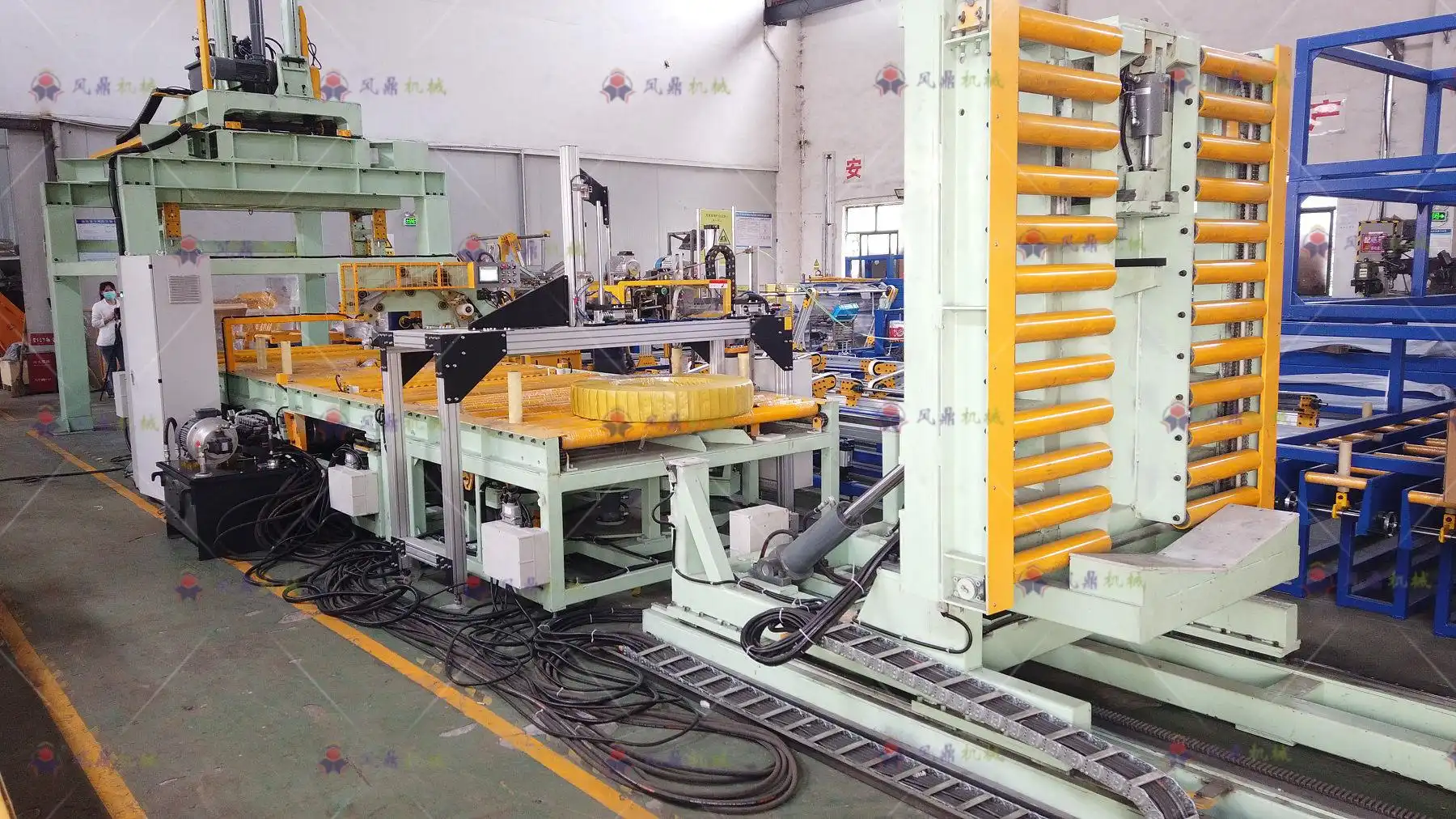
Choosing the right type depends on the coil size, weight, expected handling stresses, and budget. Rigid corners are cost-effective for basic protection and tension distribution. Flexible strips provide more comprehensive coverage against abrasion and minor impacts along the entire edge. Self-sizing options simplify inventory for operations dealing with various coil sizes. Beyond the form factor, the plastic’s properties matter. UV resistance is important for outdoor storage. Chemical inertness ensures compatibility with metal surfaces and VCI layers. Evaluating these types allows manufacturers to implement a physical protection layer that complements rust prevention measures, contributing to the overall safety and integrity of the packaged coil during storage and transit.
Selecting the Right Form Factor: From Corners to Continous Wraps
The form factor of plastic edge protectors dictates the type and extent of physical protection they offer to coil edges. Matching the protector’s design to the coil’s specific vulnerabilities and packaging setup is crucial for optimal performance.
- Rigid Corner Protectors: These L-shaped or U-shaped pieces are placed directly on the corners of a coil’s outer wrap or inner core and secured by strapping. They are excellent for preventing strapping from crushing edges and offer focused impact protection at these critical points. Ideal for standard strapping applications and when localized reinforcement is sufficient.
- Flexible Wrap-Around Strips (e.g., Propaflex-like solutions): These are longer, often continuous strips of plastic that can conform to the curve of the coil edge, covering a significant portion or even the entire circumference. They provide comprehensive protection against abrasion, minor bumps, and uniform tension distribution along the protected edge. Beneficial for coils transported over long distances or subject to vibrations, offering a consistent protective layer.
- Self-Sizing Edge Protectors (e.g., Propafix): Designed with a flexible structure that allows them to automatically adjust and grip coil edges of varying thicknesses. This versatility simplifies selection and application, making them suitable for operations handling a range of coil sizes. They offer good tension distribution and moderate impact resistance, adapting readily to the coil profile.
The thickness and rigidity of the plastic material used in these protectors also vary. Thicker, more rigid plastics provide greater impact resistance and load-bearing capacity, suitable for heavier coils or rough handling conditions. More flexible plastics, while offering less direct impact resistance, conform better to irregular shapes and can be easier to apply, providing excellent abrasion protection.
Consider the interface with other packaging elements. Edge protectors should sit securely without shifting, potentially interlocking with themselves or being held firmly in place by stretch wrap or strapping. Their surface texture should ideally be smooth to prevent friction damage to outer films, yet sometimes a slight texture might help prevent the protector itself from slipping. Compatibility with VCI films is also vital; the plastic material should not off-gas substances that could interfere with the VCI chemistry or barrier properties. Ultimately, the choice of form factor and material characteristics must be a deliberate one, based on a thorough assessment of the coil’s weight, geometry, transport environment, and the desired level of physical protection.
Integrating Edge Protection with Overall Coil Packaging
Effective coil protection is a system, not a single component. How do plastic edge protectors integrate with other critical packaging materials, such as VCI film and strapping, to create a robust barrier against both physical damage and corrosion? The synergy between these elements is key to ensuring coils arrive in perfect condition.
Plastic edge protectors are a vital physical layer within a comprehensive coil packaging system. They work in tandem with VCI film or covers by protecting the integrity of this crucial anti-corrosion barrier from mechanical stresses. When strapping is applied, edge protectors prevent it from cutting or denting the coil edge and tearing the VCI layer beneath. Similarly, during handling, they shield the VCI film from punctures and abrasions caused by contact with forklifts, adjacent cargo, or uneven surfaces. Proper sealing of the VCI packaging, as highlighted in related materials, becomes significantly more reliable when the outer physical layers, reinforced by edge protectors, remain intact, preventing breaches that would expose the coil to moisture and air.

The sequence of packaging application is important. Often, the coil is first wrapped in VCI film or placed inside a VCI bag or cover. Then, a layer of stretch wrap or other protective film might be applied. Plastic edge protectors are typically placed on the edges before strapping, allowing the strapping to bear down on the protector rather than the coil or its underlying films. This layering ensures that the physical protection reinforces the anti-corrosion measures. The choice of protector must also consider compatibility with strapping types (steel, polyester, polypropylene) and tension levels. A well-integrated system leverages each component’s strengths – VCI prevents rust chemically, wraps provide environmental shielding, edge protectors offer physical resilience, and strapping secures the bundle – ensuring maximum protection throughout the supply chain.
Complementing VCI and Strapping for Maximum Protection
Integrating plastic edge protectors into a packaging system involving VCI materials and strapping significantly enhances the overall protective capability. Edge protectors serve as a critical intermediary layer, safeguarding both the coil’s physical structure and the integrity of the corrosion-inhibiting environment created by the VCI.
- Protecting the VCI Barrier: VCI films and covers are designed to release rust-inhibiting vapors within an enclosed space. Punctures, tears, or abrasions to this barrier, often caused by handling or strapping stress on unprotected edges, allow moisture and oxygen to enter, diminishing the VCI’s effectiveness. Plastic edge protectors shield the VCI layer from these mechanical forces, ensuring the protective environment remains sealed and effective.
- Optimizing Strapping Performance: Strapping is essential for unitizing and securing coils, especially during transit. However, concentrated strapping tension can damage coil edges and underlying packaging. Edge protectors distribute this tension evenly across a wider area, preventing deformation of the coil edge and protecting the VCI film from being cut or crushed by the strap. This allows for sufficient strapping tension to secure the coil without causing damage.
- Synergy in Multi-Layered Systems: A typical coil packaging system might involve VCI wrap, followed by stretch film, then edge protectors, and finally strapping. Each layer contributes to the overall protection. The VCI addresses chemical corrosion, the stretch film provides an initial moisture/dust barrier and holds the VCI in place, the edge protectors absorb physical shocks and distribute strapping load, and the strapping secures the entire assembly. Edge protectors are the crucial link that ensures the outer forces (strapping, impacts) don’t compromise the inner protection (VCI).
Consider the material compatibility not just chemically, but also physically. The plastic protector should not have sharp edges itself that could cut the VCI film. Its surface should allow strapping to slide slightly if needed during tensioning without binding and causing excessive localized pressure. For self-sizing protectors, ensuring they firmly grip the coil edge is important so they don’t dislodge during handling, leaving sections unprotected.
The effectiveness of the entire system hinges on the proper application of each component. Even the best VCI film and plastic protectors are less effective if not applied correctly and securely. Training personnel on the proper placement of edge protectors relative to strapping lines and vulnerable areas is as important as selecting the right materials. This integrated approach ensures that coils are protected from physical damage, which in turn preserves the chemical protection provided by VCI, guaranteeing product quality upon arrival.
| Packaging Component | Primary Function | Role of Edge Protectors | Interdependencies |
|---|---|---|---|
| Metal Coil | Product to be Protected | Shield edges from direct impact/tension | Damage compromises product value |
| VCI Film/Cover | Corrosion Prevention | Protect barrier from puncture/tear | Barrier breach negates VCI effectiveness |
| Stretch/Outer Wrap | Moisture/Dust Barrier, Unitization | Protect barrier from abrasion/minor impacts | Damage compromises secondary barrier |
| Plastic Edge Protector | Physical Edge Protection | Absorb impact, distribute strap tension, shield films | Protects coil edge & primary/secondary packaging |
| Strapping | Securing/Unitization | Load distribution point, prevents cutting | Relies on edge protector for even tensioning |
Key Selection and Usage Factors
Choosing the right plastic edge protectors involves more than just picking a shape. Several factors influence their effectiveness and suitability for your specific coil handling and storage environment. What are the primary considerations you must weigh when selecting and using these protective components?
When selecting plastic edge protectors for coils, consider the coil’s size, weight, and metal type to ensure the protector provides adequate physical support and is chemically compatible, especially with VCI applications. Evaluate the expected transit and storage conditions, including potential impacts, stacking loads, and environmental exposure (humidity, temperature fluctuations, UV light). Ease of installation, whether manual or automated, and the potential for reusability are also crucial operational and sustainability factors to assess for long-term value and efficiency in your coil protection strategy.
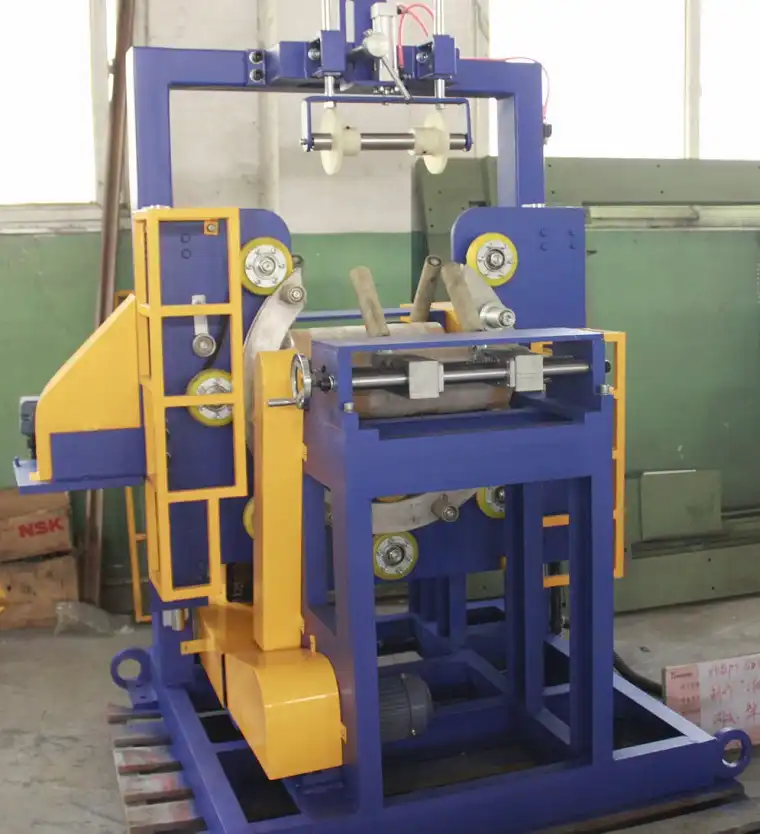
The material composition of the plastic protector should be robust enough for the application’s demands. For metal coils requiring VCI protection, ensure the plastic is non-reactive and does not contain substances that could interfere with the VCI chemistry. The design should allow for stable placement on the coil edge and secure integration with strapping and outer wraps. Installation method—manual, or compatible with packaging machinery—impacts labor costs and efficiency. Finally, consider the protector’s lifespan; durable, reusable options can reduce waste and long-term costs, aligning with increasing industry focus on sustainability, such as Propagroup’s emphasis on recycled and recyclable materials.
Considerations for selecting and using plastic edge protectors include:
- Coil Specifications: The diameter, width, weight, and edge profile of the coil dictate the required size and load-bearing capacity of the protector. Heavier coils require more robust protectors.
- Metal Type: While plastic is generally non-reactive, ensuring compatibility with the specific metal alloy and any applied surface treatments is prudent. For VCI-protected coils, verify the plastic doesn’t interfere with VCI emissions or adhesion.
- Handling and Transit Conditions: Assess how coils are handled (forklifts, clamps, cranes) and the expected stresses during transport (vibration, impacts, stacking pressure). This informs the necessary impact resistance and tension distribution capabilities.
- Storage Environment: Consider whether coils will be stored indoors or outdoors, the duration of storage, and environmental factors like temperature extremes, humidity, and UV exposure. Some plastics degrade or become brittle under certain conditions.
- Integration with Other Packaging: Ensure the protector design works seamlessly with VCI film, stretch wrap, strapping (material type and width), and outer packaging like crates or pallets. It should facilitate, not hinder, proper application and sealing of other layers.
- Ease of Application: The protector should be easy and quick to apply by hand or compatible with automated packaging lines to maximize operational efficiency. Self-sizing designs often offer advantages here.
- Durability and Reusability: High-quality plastic protectors can often be reused, reducing material costs and waste. Evaluate the protector’s ability to withstand repeated use without losing its structural integrity.
- Cost and Sustainability: Balance the initial cost against the protective performance, reusability, and potential savings from reduced damage. Opting for protectors made from recycled content or those that are easily recyclable aligns with environmental goals.
Making informed decisions on these factors ensures that plastic edge protectors effectively contribute to the overall packaging strategy, protecting your valuable metal coils throughout the supply chain.
Conclusion
Protecting metal coils from physical damage, especially at their vulnerable edges, is paramount to preserving product quality and avoiding significant losses. Integrating plastic edge protectors into your packaging system provides a vital layer of defense against impacts, strapping tension, and abrasion. By carefully considering factors like material compatibility, size, design, ease of use, and environmental conditions, you can select the most effective protectors to complement your corrosion prevention strategies, like using VCI packaging. Proper usage ensures the integrity of the entire packaging system, from the coil packing line through to final delivery, guaranteeing your coils arrive in the expected, undamaged condition.








