
Why Choosing the Right Coil Strapping Tool is Critical for Safe Packaging
Imagine the chaos of a steel coil breaking free during transit – the danger, the damage, the delays! For industries dealing with heavy coils, secure packaging isn’t just good practice, it’s paramount. Choosing the correct coil strapping tool is the linchpin of this security, directly impacting safety and efficiency. Are you making the right choice?
Selecting the right coil strapping tool is critical for safe packaging because it ensures consistent and reliable tensioning and sealing of straps around heavy coils. This prevents load shifting, product damage, and workplace accidents, ultimately securing your valuable goods and protecting personnel during handling and transportation.
This might seem straightforward, but the nuances of coil strapping are deeper than you think. Let’s uncoil the essentials and ensure your packaging process is as secure as it should be.
Decoding Coil Strapping Tools: Types and Applications
In the world of coil packaging, one size definitely does not fit all. From manual muscle to pneumatic power and battery-operated convenience, the variety of coil strapping tools available can be overwhelming. But understanding these differences is the first step to optimizing your packaging safety and efficiency. Are you using the right tool for your coil strapping needs?
Coil strapping tools come in manual, pneumatic, and battery-powered varieties, each suited to different operational scales and material types. Manual tools are cost-effective for low-volume applications, requiring manual tensioning and sealing. Pneumatic tools offer increased power and efficiency for heavier loads and steel strapping, needing an external air compressor. Battery-powered tools provide a balance of power and portability, ideal for medium to high-volume plastic and steel strapping, enhancing productivity and reducing operator fatigue.
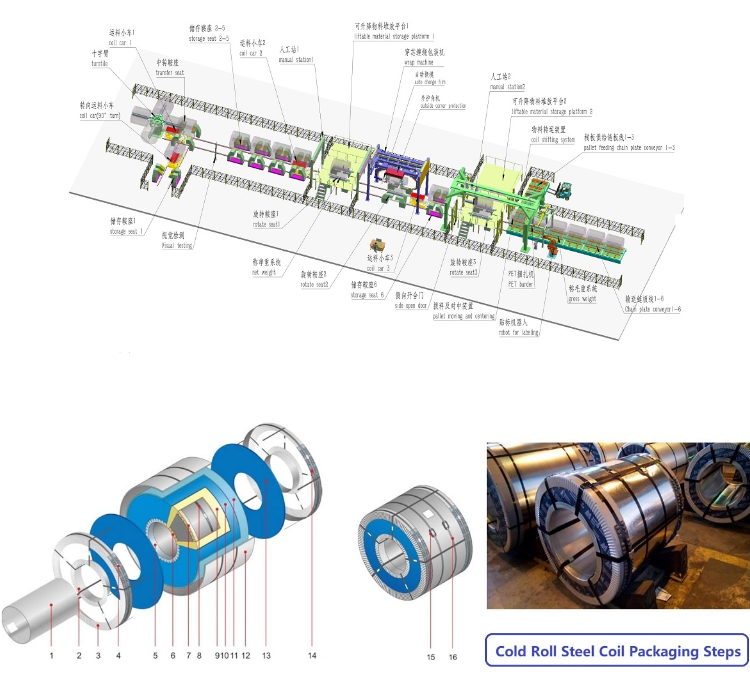
To truly master coil strapping, you need to dive deeper into the specifics. Let’s explore the critical features that differentiate these tools and how they impact your coil packaging process.
Manual, Pneumatic, or Battery-Powered: Which Coil Strapping Tool is Right for You?
The choice between manual, pneumatic, and battery-powered coil strapping tools hinges on several factors, including your operational volume, the type of strapping material used, and the weight of the coils you’re securing. Each type brings unique advantages and disadvantages to the table. Let’s break down the specifics:
Manual Coil Strapping Tools: The Reliable Workhorse
Manual tools are the most basic and often the most economical option. They rely on manual force to tension and seal the strapping.
| Feature | Description | Advantages | Disadvantages | Best Suited For |
|---|---|---|---|---|
| Power Source | Manual | Cost-effective, portable, simple to use | Labor-intensive, inconsistent tension, lower efficiency | Low-volume, light to medium coils, plastic strapping |
| Operation | Hand-operated tensioning and sealing | No external power source needed | Operator fatigue, slower process | Field applications, small workshops |
| Strapping Material | Plastic, Polyester, Polypropylene, Steel (light gauge) | Versatile material compatibility (depending on tool type) | Limited tensioning power for heavy steel strapping | Budget-conscious operations |
| Cost | Lowest initial investment | Low maintenance costs | Higher labor costs per coil | Start-ups, occasional strapping needs |
Pneumatic Coil Strapping Tools: Power and Precision
Pneumatic tools utilize compressed air to automate the tensioning and sealing process, providing significantly more power than manual tools.
| Feature | Description | Advantages | Disadvantages | Best Suited For |
|---|---|---|---|---|
| Power Source | Compressed Air | High tension capability, fast operation, consistent tension | Requires air compressor, less portable, higher noise levels | Medium to high-volume, heavy coils, steel strapping |
| Operation | Pneumatic tensioning and sealing | Reduced operator fatigue, increased productivity | Dependence on air supply, potential air leaks | Industrial settings, production lines |
| Strapping Material | Steel, High-Tensile Plastic | Ideal for heavy-duty steel strapping | Higher initial investment than manual tools | Heavy industrial applications, steel mills |
| Cost | Moderate to High initial investment | Lower labor costs per coil, increased throughput | Higher energy consumption (compressor) | Operations prioritizing speed and power |
Battery-Powered Coil Strapping Tools: The Cordless Revolution
Battery-powered tools combine the power of automation with the portability of cordless operation. They offer a balance of efficiency and flexibility.
| Feature | Description | Advantages | Disadvantages | Best Suited For |
|---|---|---|---|---|
| Power Source | Battery | Portable and cordless, consistent tension, efficient, ergonomic | Higher initial investment, battery charging required, battery life limitations | Medium to high-volume, various coil weights, plastic and steel strapping |
| Operation | Electric tensioning and sealing | Reduced operator fatigue, increased mobility, quieter operation | Battery maintenance and replacement, potential downtime for charging | Warehouses, distribution centers, diverse applications |
| Strapping Material | Plastic, Polyester, Polypropylene, Steel | Versatile material compatibility, good tension for various materials | Battery performance can be affected by temperature | Operations requiring flexibility and speed |
| Cost | High initial investment | Lower labor costs per coil, increased productivity, reduced risk of repetitive strain injuries | Battery life and replacement costs | Operations focused on ergonomics and efficiency |
Choosing the right coil strapping tool is not just about the initial cost; it’s about optimizing your entire packaging operation for safety, efficiency, and long-term cost-effectiveness. Consider your specific needs and operational scale to make the best investment.
Material Matters: Matching Strapping to Your Coil and Tool
The effectiveness of your coil strapping isn’t solely dependent on the tool; the strapping material itself plays a crucial role. Steel, polyester, and polypropylene – each offers unique properties that cater to different coil types, weights, and transportation demands. Are you using the right strapping material for your coils?
The ideal strapping material for coil packaging depends heavily on the coil’s weight, material, and transport conditions. Steel strapping provides maximum strength and is essential for very heavy steel coils and harsh environments. Polyester strapping offers a strong, yet more flexible and safer alternative to steel for medium to heavy coils. Polypropylene strapping is best suited for lighter coils and less demanding transport, prioritizing cost-effectiveness for lighter duty applications.
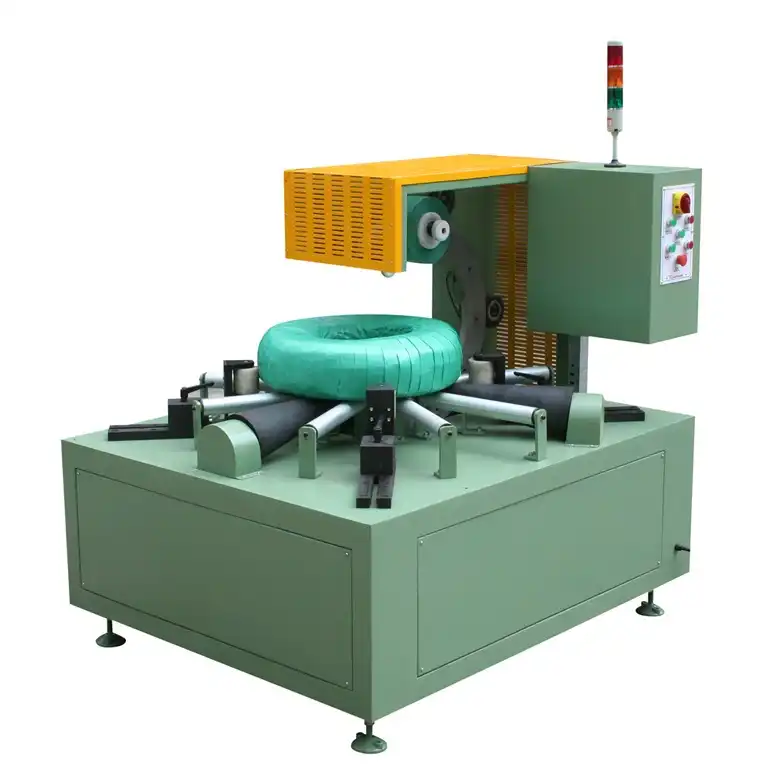
Selecting the right strapping material is as crucial as choosing the right tool. Let’s delve deeper into the characteristics of each material and how to match them effectively to your coil packaging needs.
-
Steel Strapping: The undisputed king of strength, steel strapping is the go-to choice for extremely heavy coils and situations demanding maximum security. Its high tensile strength and minimal elongation make it ideal for preventing load shifting and maintaining tension even under extreme stress. However, steel strapping can be more challenging to handle, posing safety risks due to sharp edges and potential for corrosion if not properly treated.
-
Polyester (PET) Strapping: As a robust alternative to steel, polyester strapping offers a significant strength-to-weight advantage. It’s highly resistant to elongation and boasts excellent shock absorption, making it suitable for medium to heavy coils. PET strapping is also safer to handle than steel, with no sharp edges and better corrosion resistance. Its flexibility allows it to conform well to coil shapes and maintain tension even if the coil shifts slightly during transit.
-
Polypropylene (PP) Strapping: For lighter coils and less demanding applications, polypropylene strapping provides a cost-effective solution. While not as strong as steel or polyester, PP strapping is lightweight, flexible, and easy to handle. It’s best suited for bundling and securing lighter loads for short-distance transport or in-house handling. Polypropylene is also highly recyclable, making it an environmentally conscious choice for appropriate applications.
The table below summarizes the key differences:
| Feature | Steel Strapping | Polyester Strapping (PET) | Polypropylene Strapping (PP) |
|---|---|---|---|
| Strength | Highest | High | Moderate |
| Elongation | Very Low | Low | Moderate |
| Shock Resistance | Moderate | High | Moderate |
| Corrosion Resistance | Low (unless treated) | High | High |
| Safety | Highest Risk (sharp edges) | Lower Risk | Lowest Risk |
| Cost | Highest | Moderate | Lowest |
| Best Use Cases | Very heavy coils, steel industry, harsh conditions | Medium to heavy coils, general industrial use, safer alternative to steel | Light coils, bundling, in-house handling, cost-sensitive applications |
Choosing the right strapping material is a balance of strength, safety, cost, and environmental considerations. Assess your coil characteristics and transport requirements to make an informed decision that ensures both security and efficiency.
Safety First: Ergonomics and Damage Prevention in Coil Strapping
Beyond just securing the coil, the right strapping tool significantly impacts workplace safety and product integrity. Ergonomic designs reduce operator fatigue and injury risk, while consistent tensioning prevents damage to both the coil and the strapping itself. Are you prioritizing safety in your coil strapping process?
Ergonomic coil strapping tools enhance operator safety by reducing strain and fatigue through features like balanced weight distribution, comfortable handles, and automated functions. They also prevent product damage by applying consistent and controlled tension, avoiding over-tightening that can deform coils or under-tightening that can lead to load instability. Selecting tools with safety features and providing proper training are crucial for a safe and efficient coil strapping operation.
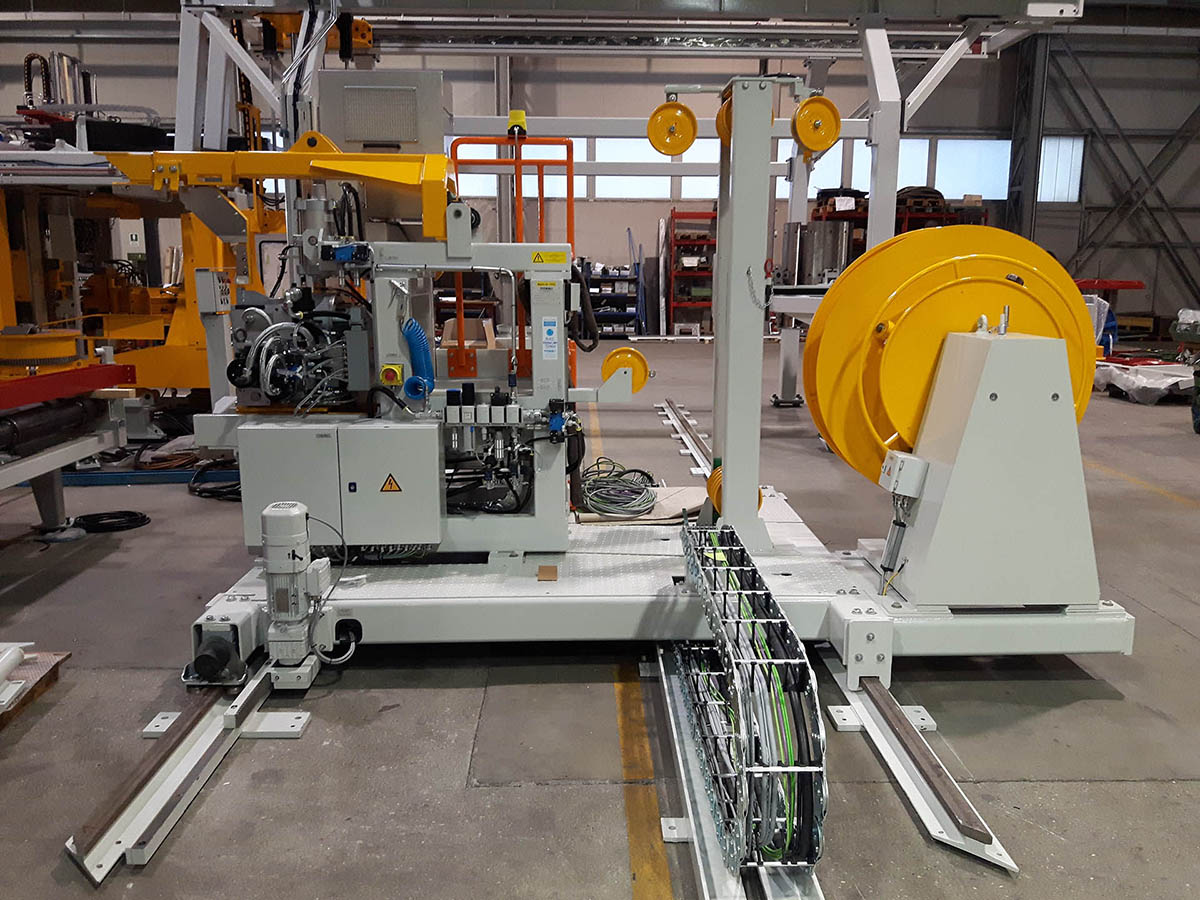
Let’s explore the specific safety features and best practices that are essential for a safe coil strapping operation.
Features and Practices for a Safer Coil Strapping Process
Prioritizing safety in coil strapping involves both selecting tools with enhanced safety features and implementing operational best practices. Here are key aspects to consider:
Tool Ergonomics: Reducing Operator Strain
Ergonomically designed tools are crucial for minimizing operator fatigue and preventing repetitive strain injuries, especially in high-volume coil strapping environments.
| Ergonomic Feature | Benefit | Example Tool Type |
|---|---|---|
| Balanced Weight | Reduces strain on wrists and arms during prolonged use. | Battery-powered tools with optimized weight distribution |
| Comfortable Handles | Provides a secure and comfortable grip, reducing hand fatigue. | Tools with rubberized or contoured handles |
| Easy Tension Adjustment | Allows for quick and effortless tension setting, minimizing repetitive motions. | Pneumatic and battery-powered tools with dial or button controls |
| Automated Functions | Reduces manual steps, such as tensioning and sealing, minimizing physical exertion. | Pneumatic and battery-powered combination tools |
Damage Prevention: Ensuring Coil and Strap Integrity
Consistent and controlled tensioning is vital to prevent damage to both the coil and the strapping material. Over-tensioning can deform coils or break straps, while under-tensioning compromises load security.
| Safety Feature | Benefit | Example Tool Type |
|---|---|---|
| Adjustable Tension Settings | Allows precise control over strap tension, preventing over or under-tightening. | All tool types with varying degrees of tension control |
| Consistent Tension Application | Ensures uniform strap tension across all coils, enhancing load stability. | Pneumatic and battery-powered tools with automated tensioning |
| Soft Start Tensioning | Gradually increases tension, preventing sudden shocks that can damage coils. | Advanced battery-powered tools |
| Seal Quality Indicators | Provides feedback on seal integrity, ensuring secure and reliable joints. | Some pneumatic and battery-powered tools |
Operational Best Practices: Human Element of Safety
Even with the safest tools, proper training and adherence to safety protocols are paramount.
| Best Practice | Description | Importance |
|---|---|---|
| Proper Training | Ensure all operators are thoroughly trained on tool operation and safety procedures. | Reduces operator error and promotes safe handling practices. |
| Personal Protective Equipment (PPE) | Mandate the use of gloves, eye protection, and safety shoes. | Protects operators from sharp strap edges and potential tool malfunctions. |
| Regular Tool Maintenance | Implement a schedule for tool inspection and maintenance. | Ensures tools are in good working order and safety features are functional. |
| Safe Work Area | Maintain a clear and organized work area, free from obstructions. | Reduces tripping hazards and allows for safe tool operation. |
By focusing on ergonomic tool design, damage prevention features, and rigorous safety practices, you can create a coil strapping operation that is both efficient and safe for your workforce and your products.
Investing in Quality: The Long-Term Value of a Reliable Coil Strapping Tool
While the initial cost of a high-quality coil strapping tool might seem significant, the long-term benefits far outweigh the investment. Reduced damage, increased efficiency, and enhanced safety translate directly to cost savings and improved operational performance. Are you considering the long-term value when choosing your coil strapping tools?
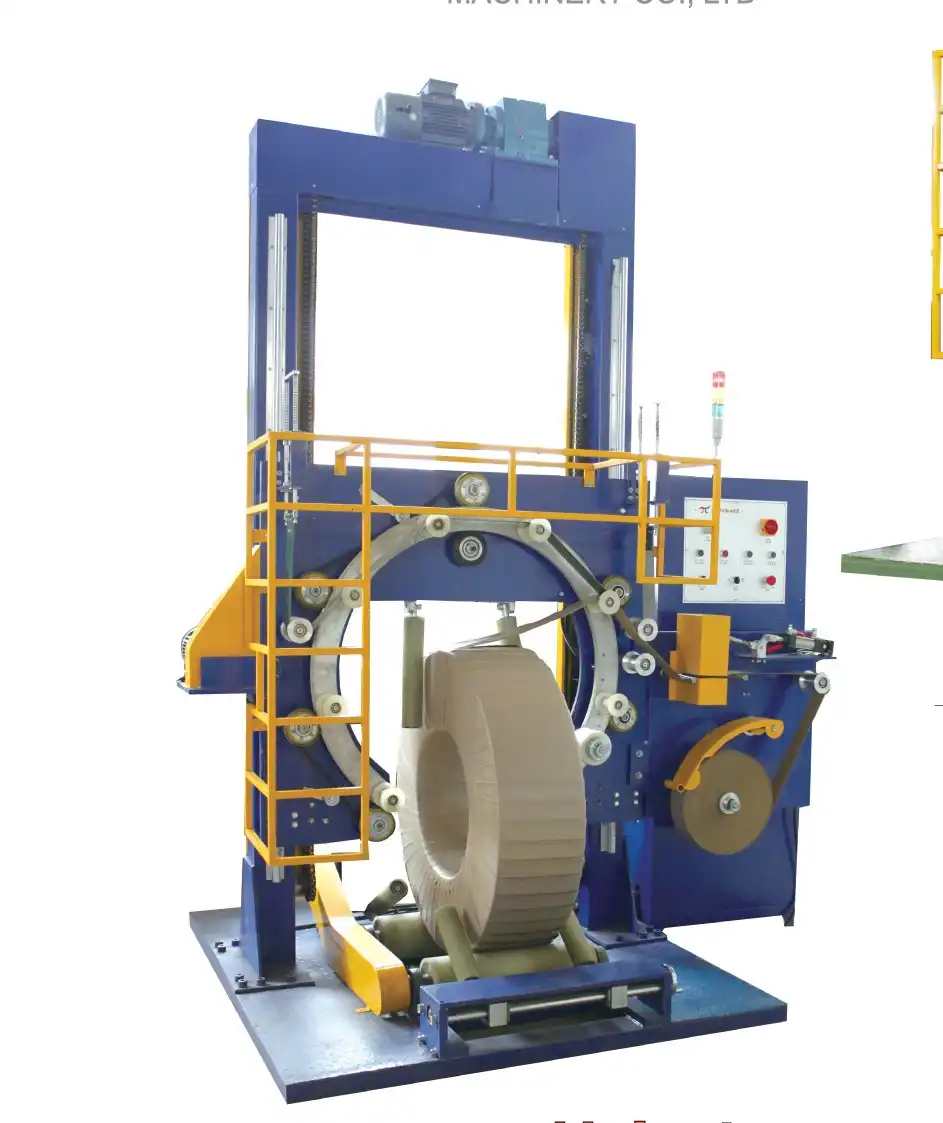
Investing in a quality coil strapping tool offers long-term value through reduced material waste from damaged packaging, decreased product damage during transit, improved operational efficiency with faster and more reliable strapping cycles, and enhanced workplace safety, leading to lower injury-related costs and improved employee morale. These cumulative benefits contribute to a significant return on investment over the tool’s lifespan.
Beyond the immediate task of securing coils, a quality strapping tool becomes a cornerstone of a robust and efficient packaging operation. Let’s explore the tangible long-term benefits:
-
Reduced Product Damage: Consistent tensioning and secure seals achieved with quality tools minimize load shifting and prevent damage during handling and transportation. This directly translates to fewer product returns, replacement costs, and customer dissatisfaction.
-
Lower Material Costs: By applying the correct tension and creating secure joints, quality tools minimize strap waste. They also reduce the need for re-strapping due to failures, saving both material and labor costs.
-
Increased Operational Efficiency: Faster strapping cycles, reduced downtime due to tool malfunctions, and ergonomic designs contribute to significant gains in productivity. This allows for quicker turnaround times and increased throughput in your packaging operations.
-
Enhanced Workplace Safety: Ergonomic features and reliable tool performance minimize operator fatigue and reduce the risk of accidents and injuries. A safer work environment leads to lower insurance premiums, reduced absenteeism, and improved employee morale.
-
Improved Brand Reputation: Reliable packaging ensures products arrive in pristine condition, enhancing customer perception of your brand and commitment to quality. This can lead to increased customer loyalty and positive word-of-mouth referrals.
-
Extended Tool Lifespan and Lower Maintenance: Quality tools are built to last, with durable components and robust construction. This translates to a longer lifespan, reduced maintenance costs, and a lower total cost of ownership compared to cheaper, less reliable alternatives.
Conclusion
Choosing the right coil strapping tool is not merely a purchasing decision; it’s a strategic investment in the safety, efficiency, and long-term success of your packaging operations. By carefully considering the type of tool, strapping material, safety features, and long-term value, you can ensure your coils are securely packaged, your workforce is protected, and your bottom line benefits. Investing in a quality steel banding system ultimately safeguards your products and your business. Explore advanced coil packing line solutions to further optimize your coil packaging process.








