
How to Automate Steel Wire Coil Making and Stacking
Automating steel wire coil making and stacking revolutionizes manufacturing. This technology streamlines the process, enhancing efficiency and precision. It minimizes manual labor while improving production speed and consistency. Embracing automation ensures superior quality and reduces operational costs.
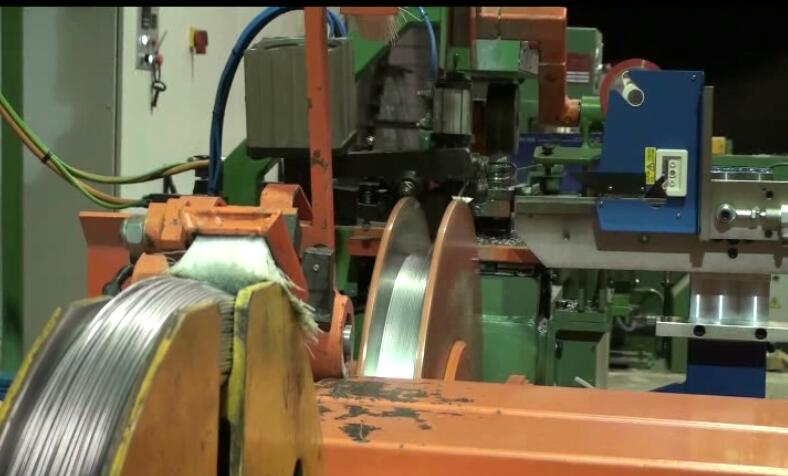
Automating steel wire coil production involves using specialized machinery to wind, cut, and stack the wire. These automated systems ensure consistent coil size and shape while reducing the need for manual handling. By integrating robotics and advanced controls, the entire process becomes faster, safer, and more reliable.
Are you intrigued by the prospect of automating your steel wire coil production but unsure where to begin? Keep reading to explore the critical steps, benefits, and technologies involved in automating the wire coiling machine and stacking process.
Streamlining Steel Wire Coil Winding with Automation
Automating steel wire coil winding offers significant advantages in manufacturing. These systems reduce manual intervention, enhance accuracy, and increase production speed. Embracing automation ensures higher quality coils and lower operational costs.
Automated steel wire coil winding is achieved using sophisticated machinery equipped with precise controls. These machines automatically wind the steel wire onto a mandrel, ensuring uniform tension and consistent coil dimensions. Sensors and feedback loops continuously monitor the process, making real-time adjustments to maintain quality. The result is a tightly wound, perfectly shaped coil ready for the next stage.

Enhancing Efficiency: A Detailed Look at Automated Winding Techniques
Automated winding techniques are crucial for optimizing steel wire coil production. The right approach can significantly reduce waste, improve consistency, and increase throughput.
Understanding Different Winding Methods
Various automated winding methods are available, each suited to specific types of steel wire and coil specifications. Here’s a breakdown:
- Layer Winding: This method involves winding the wire in precise layers, ensuring even distribution and a smooth coil surface.
- Orthocyclic Winding: Ideal for high-density coils, this technique precisely aligns each wire turn next to the previous one.
- Random Winding: This method is suitable for applications where precision is not critical, allowing for faster winding speeds.
Key Components of an Automated Winding System
An automated winding system typically includes several key components that work together to ensure efficient and accurate coil production:
- Payoff System: Delivers the steel wire to the winding machine with consistent tension.
- Tension Control System: Maintains the correct tension throughout the winding process, preventing wire breakage and ensuring consistent coil density.
- Winding Head: The core component that rotates and guides the wire onto the mandrel.
- Control System: Manages the entire winding process, including speed, tension, and layer control.
Comparative Analysis of Winding Techniques
To better understand the benefits of each winding technique, let’s compare them based on several key metrics:
| Feature | Layer Winding | Orthocyclic Winding | Random Winding |
|---|---|---|---|
| Precision | High | Very High | Low |
| Density | Medium | High | Low |
| Speed | Medium | Low | High |
| Complexity | Medium | High | Low |
| Best For | General Applications | High-Density Coils | Non-Critical Uses |
By choosing the appropriate winding method and utilizing the right components, manufacturers can significantly improve the efficiency and quality of their steel wire coil production. The use of automated systems ensures that each coil meets the required specifications, reducing the risk of defects and improving overall productivity.
Optimizing Steel Wire Coil Stacking with Automation
Automating steel wire coil stacking enhances the final stages of production. This reduces labor costs, improves safety, and ensures consistent stacking patterns. Embracing automation streamlines the entire process.
Automated steel wire coil stacking involves robotic systems that lift, move, and precisely stack the coils. These systems are programmed to create stable and organized stacks, minimizing the risk of damage during handling and storage. Sensors and vision systems ensure accurate placement, improving overall efficiency and safety.

Advanced Stacking Solutions: Integrating Robotics and Vision Systems
Advanced stacking solutions utilize robotics and vision systems to create efficient and reliable processes. These technologies offer precise control and monitoring, improving the quality and consistency of the final product.
Automated stacking systems use sophisticated robotics to handle steel wire coils. These robots are programmed to lift, rotate, and precisely place each coil onto a pallet or stacking area. Vision systems, equipped with cameras and sensors, monitor the stacking process, ensuring that each coil is properly aligned and positioned.
These systems reduce the need for manual labor, minimizing the risk of injuries and improving overall safety.
Here’s an example of how an automated stacking system can operate:
- A robot arm picks up a steel wire coil from the production line.
- The robot uses its vision system to identify the ideal placement location on the pallet.
- The robot rotates the coil to the correct orientation.
- The robot gently places the coil onto the pallet, ensuring it is securely positioned.
- The system repeats these steps until the pallet is fully loaded.
Overcoming Challenges in Automated Steel Wire Handling
Automating the handling of steel wire coils presents several unique challenges. Overcoming these obstacles requires careful planning, innovative solutions, and a thorough understanding of the materials and processes involved.
Automating steel wire handling faces hurdles like wire tangling, maintaining consistent tension, and handling varying coil sizes. Solutions include advanced tension control systems, precision winding mechanisms, and adaptable robotic arms. Addressing these challenges ensures efficient and reliable automated processes.

Case Studies: Successful Implementation of Automated Systems
Examining successful implementations offers valuable insights into the practical application and benefits of automated steel wire coil production.
Case Study 1: Automotive Component Manufacturer
An automotive component manufacturer implemented a fully automated system for producing steel wire coils used in suspension systems. The system included:
- Automated wire payoff system with tension control.
- High-speed winding machine with layer winding capability.
- Robotic stacking system with vision-guided placement.
The results were impressive:
| Metric | Before Automation | After Automation | Improvement |
|---|---|---|---|
| Production Rate | 120 coils/hour | 300 coils/hour | 150% |
| Defect Rate | 5% | 0.5% | 90% |
| Labor Costs | \$20,000/month | \$5,000/month | 75% |
Case Study 2: Electrical Cable Producer
An electrical cable producer automated its wire coil packing line for packaging steel wire used in cable reinforcement. The automated system included:
- Automated coil ejection from the winding machine.
- Robotic arm for coil transfer to the packaging station.
- Automated strapping and labeling system.
The system achieved the following results:
| Metric | Before Automation | After Automation | Improvement |
|---|---|---|---|
| Packaging Throughput | 80 coils/hour | 200 coils/hour | 150% |
| Material Waste | 3% | 0.5% | 83% |
| Safety Incidents | 2/year | 0/year | 100% |
Future Trends in Steel Wire Coil Automation

The future of steel wire coil automation is poised for significant advancements. As technology evolves, we can expect even more sophisticated systems that offer greater efficiency, precision, and adaptability.
Future trends in steel wire coil automation include AI-powered optimization, predictive maintenance, and seamless integration with Industry 4.0 technologies. These advancements will enable manufacturers to achieve higher levels of productivity, reduce downtime, and improve overall operational efficiency.
Automating steel wire coil making and stacking provides manufacturers with numerous advantages, including increased efficiency, higher product quality, reduced labor costs, and improved safety. By understanding the key components and techniques involved, businesses can successfully implement these systems and optimize their operations. Embracing automation is essential for staying competitive in today’s demanding manufacturing landscape.








