
How to Do Automatic Wire Coil Binding and Tying with Steel Wire
Automating wire coil binding and tying with steel wire enhances efficiency and consistency. This process, crucial for various industries, ensures secure and uniform packaging. Understanding the methods and benefits is essential for optimizing production lines.

Automatic wire coil binding and tying involves using machines to wrap steel wire around coils and secure them. These machines automate what was previously a manual process, leading to increased speed, reduced labor costs, and improved consistency in the final product.
This comprehensive guide will delve into the intricacies of automatic wire coil binding and tying, exploring the equipment, processes, and advantages that this technology offers. By understanding these aspects, you can determine how to best implement this solution in your operations. Let’s dive in!
1. Understanding Automatic Steel Wire Tying Machines
Automatic steel wire tying machines revolutionize the packaging process by automating the binding and tying of wire coils. These machines improve productivity and consistency, making them a valuable investment for businesses handling large volumes of wire.
Automatic steel wire tying machines work by feeding steel wire from a spool, wrapping it around the wire coil, and then twisting or knotting the wire ends to secure the bundle. The machine automates each of these steps, and typically include features like adjustable tension, programmable tying patterns, and automatic wire cut-off.

Benefits and Considerations for Different Steel Wire Types
The selection of steel wire significantly influences the performance and longevity of the tied coils. Different types of steel wire offer unique advantages and disadvantages, impacting factors such as tensile strength, corrosion resistance, and cost-effectiveness. Understanding these nuances is critical for optimizing the tying process and ensuring the security and durability of the packaged coils.
Types of Steel Wire
Several types of steel wire are commonly used in automatic tying machines, each with distinct characteristics:
- Galvanized Steel Wire: This type of wire is coated with zinc, providing excellent corrosion resistance. It is suitable for outdoor applications and environments with high humidity.
- Annealed Steel Wire: Annealed wire is heat-treated to increase its flexibility and reduce its tensile strength. This makes it easier to bend and tie, but it may not be as strong as other types of wire.
- High-Tensile Steel Wire: This wire offers superior strength and durability, making it ideal for heavy-duty applications and large coil sizes.
- Stainless Steel Wire: Stainless steel wire provides exceptional corrosion resistance and is suitable for use in harsh environments. It is more expensive than other types of wire but offers long-lasting performance.
Performance and Cost Comparison
The following table compares the key performance characteristics and costs of different types of steel wire:
| Wire Type | Tensile Strength | Corrosion Resistance | Cost | Application Examples |
|---|---|---|---|---|
| Galvanized Steel Wire | Medium | High | Moderate | General-purpose tying, outdoor storage |
| Annealed Steel Wire | Low | Low | Low | Indoor tying, applications requiring flexibility |
| High-Tensile Steel Wire | High | Medium | High | Heavy-duty tying, large coil sizes |
| Stainless Steel Wire | Medium | Very High | Very High | Harsh environments, applications requiring longevity |
Considerations for Optimal Selection
Choosing the right steel wire involves carefully evaluating the specific requirements of your application. Consider the following factors:
- Environmental Conditions: If the coils will be exposed to harsh weather or corrosive substances, opt for galvanized or stainless steel wire.
- Coil Weight and Size: For heavy or large coils, high-tensile steel wire is recommended to ensure adequate strength and security.
- Budget: Balance the cost of the wire with its performance characteristics to find the most cost-effective solution.
- Machine Compatibility: Ensure that the selected wire type is compatible with your automatic tying machine.
By carefully considering these factors, you can select the most appropriate steel wire for your automatic tying process, optimizing performance, and minimizing costs.
2. Integrating Steel Wire Strapping Machines into Production Lines
Steel wire strapping machines streamline the process of securing and bundling wire coils, leading to improved efficiency and reduced manual labor. Their seamless integration into production lines enhances throughput and ensures consistent packaging.
Steel wire strapping machines work by automatically wrapping steel straps around wire coils and sealing them. These machines typically include features like adjustable tension, programmable strapping patterns, and automatic strap cut-off, offering precision and efficiency.
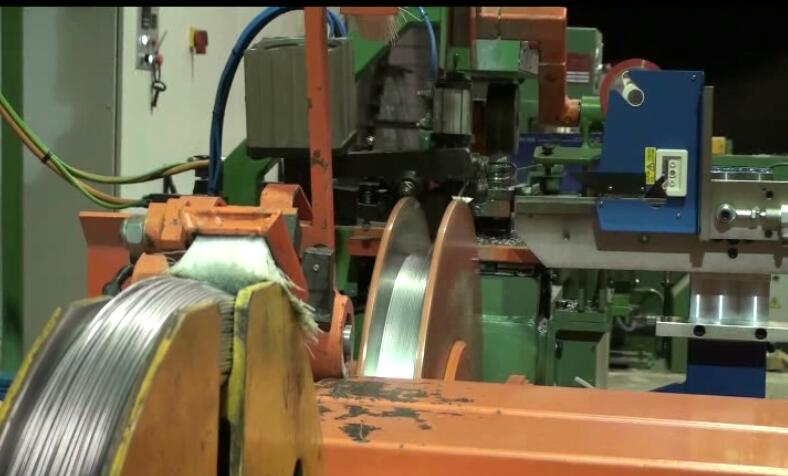
Optimizing Production with a Steel Wire Strapping Machine
The efficiency of a production line can be significantly improved by integrating a steel wire strapping machine. Understanding the technical aspects and benefits is crucial for optimizing your operations.
Automation Enhancements
Automated strapping offers several benefits:
- Increased Speed: Machines can strap coils much faster than manual labor.
- Consistency: Uniform tension and placement of straps.
- Reduced Labor Costs: Fewer workers are needed for the strapping process.
Technical Deep Dive
Exploring the technical details can help in choosing the right machine:
- Tension Control: Adjustable tension settings to accommodate different coil sizes and weights.
- Sealing Mechanisms: Various sealing methods, including heat sealing, friction welding, and mechanical crimping.
- Material Compatibility: Ensuring the machine is compatible with different types of steel strapping.
Integration Strategies
Integrating a strapping machine into an existing production line requires careful planning:
- Layout Optimization: Designing the layout to minimize material handling.
- Sensor Integration: Using sensors to detect coil presence and trigger the strapping process.
- Programmable Logic Controllers (PLCs): Implementing PLCs to control and monitor the machine’s operation.
By automating the strapping process, businesses can achieve significant improvements in efficiency and productivity.
3. Advantages of Using a Steel Wire Packing Line
A steel wire packing line automates the entire process of winding, tying, and packaging steel wire coils. This comprehensive solution optimizes production, reduces labor costs, and improves the overall quality of the final product.
A steel wire packing line typically consists of several integrated machines, including a wire winder, a tying machine, and a wrapping machine. These machines work together to streamline the entire packaging process, and ensures that wire coils are securely and efficiently packaged.
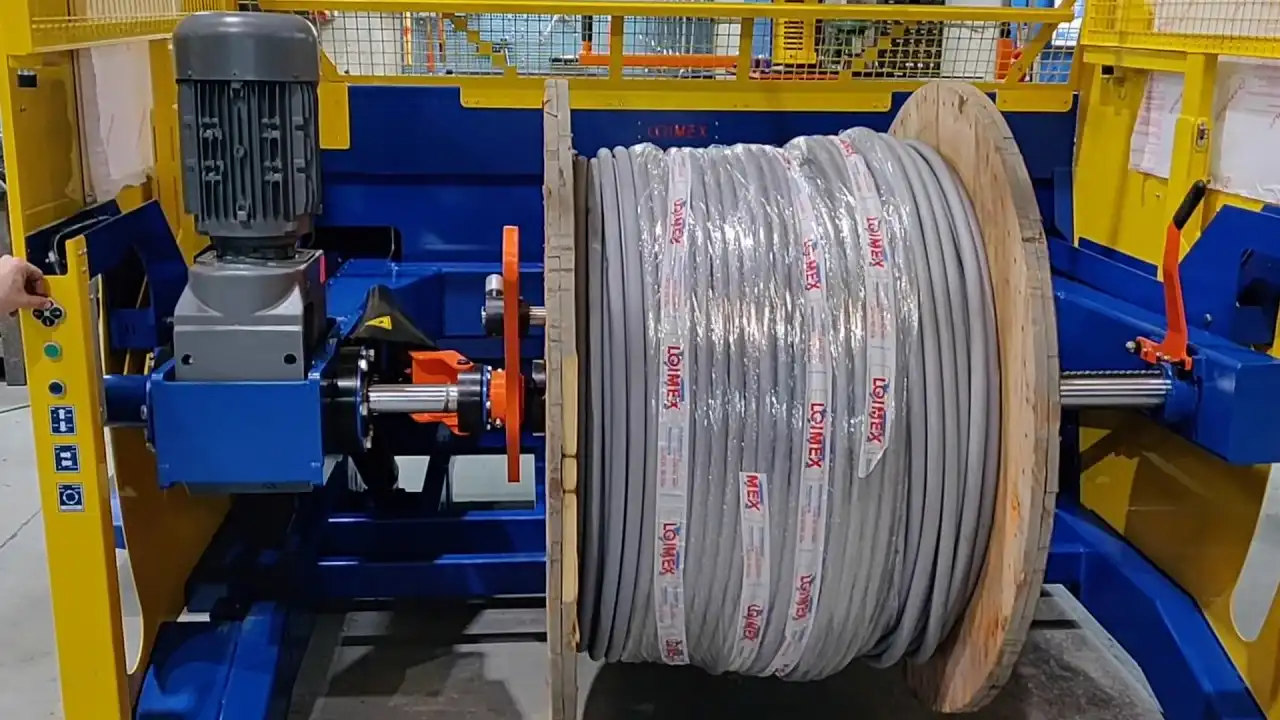
Maximizing Efficiency with a Steel Wire Packing Line
To truly understand the benefits of a steel wire packing line, let’s break down the advantages and key components, incorporating a structured approach for better comprehension.
Key Components of a Steel Wire Packing Line
A typical steel wire packing line comprises several integrated units, each playing a vital role in the overall process:
- Wire Winder: This machine winds the steel wire into coils of predetermined size and weight.
- Tying Machine: The tying machine automatically binds the wire coils using steel wire or straps.
- Wrapping Machine: The wrapping machine encloses the tied coils in protective materials like plastic film or paper.
- Conveyor System: A conveyor system transports the coils between different stations of the packing line.
Benefits of Using a Steel Wire Packing Line
Employing a steel wire packing line offers numerous advantages over manual packaging methods:
| Benefit | Description |
|---|---|
| Increased Efficiency | Automates the entire packaging process, significantly reducing cycle times and increasing production throughput. |
| Reduced Labor Costs | Requires fewer operators compared to manual packaging, leading to substantial savings in labor expenses. |
| Improved Consistency | Ensures uniform coil winding, tying, and wrapping, resulting in consistently high-quality packaged products. |
| Enhanced Safety | Minimizes manual handling of heavy wire coils, reducing the risk of injuries to workers. |
| Space Optimization | Consolidates multiple packaging operations into a single integrated system, optimizing floor space utilization. |
Selecting the Right Steel Wire Packing Line
Choosing the appropriate steel wire packing line involves careful consideration of your specific needs and requirements. Key factors to consider include:
- Production Volume: Determine the required production capacity to ensure the packing line can handle your throughput demands.
- Coil Size and Weight: Select a packing line that can accommodate the size and weight of your wire coils.
- Automation Level: Choose a packing line with the appropriate level of automation to meet your budget and operational requirements.
- Integration Capabilities: Ensure the packing line can be seamlessly integrated with your existing production line.
- Supplier Reputation: Select a reputable supplier with a proven track record of providing reliable and high-performance packing lines.
By carefully evaluating these factors, you can select a steel wire packing line that optimizes your wire packaging process, reduces costs, and improves product quality.
4. Safety Measures and Best Practices
Safety is paramount when operating automatic wire coil binding and tying machines. Proper training, adherence to safety protocols, and regular maintenance are essential for preventing accidents and ensuring a safe working environment.
Prioritize safety by implementing lockout/tagout procedures during maintenance, ensuring operators wear appropriate PPE (personal protective equipment), and conducting regular safety audits to identify and address potential hazards.
Operating automatic wire coil binding and tying machines involves inherent risks, which can be mitigated through proper safety measures and best practices. Some key considerations include:
- Training: Provide comprehensive training to all operators on the proper operation, maintenance, and safety procedures for the machines.
- Personal Protective Equipment (PPE): Ensure that all operators wear appropriate PPE, such as safety glasses, gloves, and hearing protection.
- Lockout/Tagout Procedures: Implement lockout/tagout procedures to prevent accidental start-up of the machines during maintenance or repair.
- Emergency Stop Buttons: Ensure that emergency stop buttons are readily accessible and clearly marked.
- Regular Maintenance: Conduct regular maintenance and inspections to identify and address potential safety hazards.
Implementing these safety measures and best practices can significantly reduce the risk of accidents and injuries when operating automatic wire coil binding and tying machines.
Conclusion
Automating wire coil binding and tying with steel wire offers significant benefits, including increased efficiency, reduced labor costs, and improved product consistency. By understanding the different types of machines, integrating them effectively into production lines, and prioritizing safety, businesses can optimize their wire packaging processes and achieve substantial improvements in productivity and profitability. Investing in the right equipment and implementing best practices will ensure a streamlined and safe operation for years to come.








