
How to Do Offline Steel Wire Coiling and Binding by Steel Wire Automatically
Offline steel wire coiling and binding present unique challenges. Automating these processes offers manufacturers and workshops a pathway to increased efficiency and reduced labor costs. This article explores practical methods for achieving automated offline steel wire handling.
Offline steel wire coiling and binding can be automated using specialized wire coiling machine, wire binding machines, and robotic systems. The process involves feeding the steel wire into the coiling machine, which forms coils of the desired diameter. Subsequently, a wire binding machine uses steel wire to secure the coil, completing the automated process.
Ready to revolutionize your steel wire coiling and binding process? Dive deeper to explore the specific equipment and techniques that can transform your operations.
1: Understanding Automatic Steel Wire Coiling Machines
Automatic steel wire coiling machines are designed to streamline the coiling process. These machines ensure consistency and speed, key factors in efficient offline operations.
Automatic steel wire coiling machines use programmable logic controllers (PLCs) and servo motors for precise control of coiling parameters like coil diameter, tension, and pitch. These machines often incorporate sensors to monitor wire feed and detect errors, ensuring consistent and high-quality coils. Furthermore, automatic coiling machines can be integrated with wire feeding and cutting systems to create a fully automated coiling process.
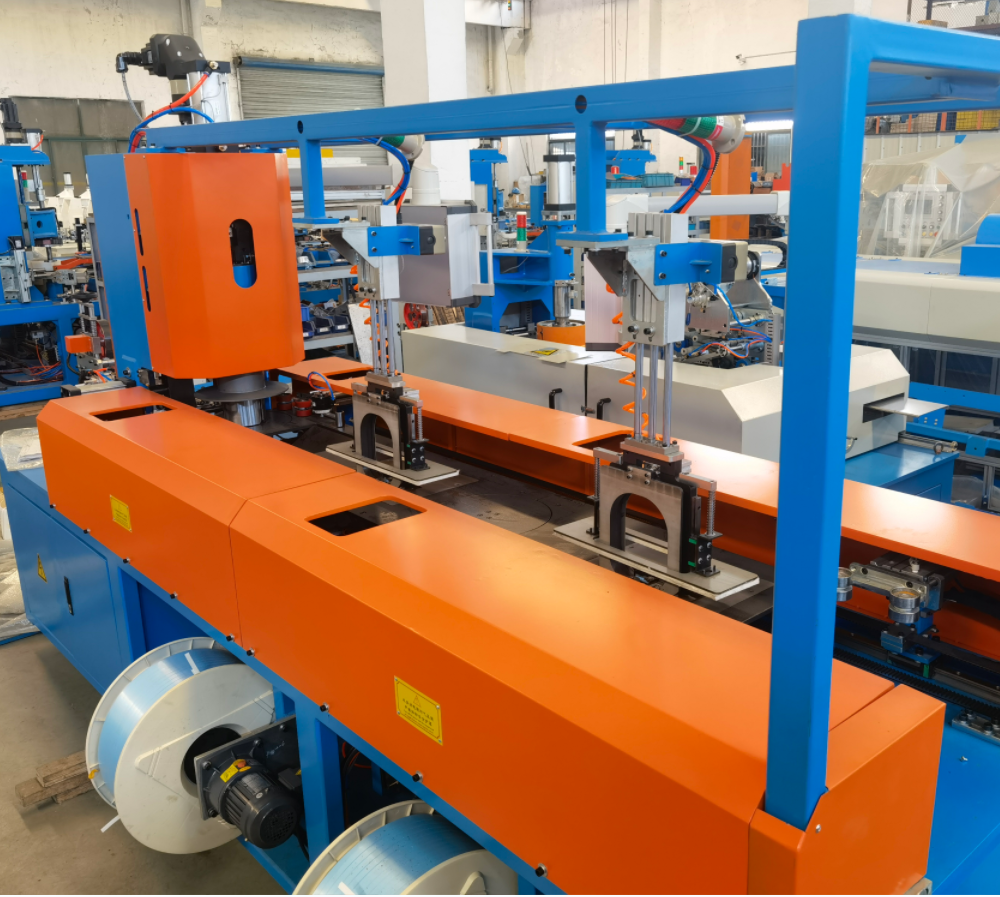
Optimizing Coiling Parameters for Different Steel Wire Gauges
Successfully automating steel wire coiling necessitates careful consideration of wire gauge and material properties. Different wire gauges require specific adjustments to the coiling machine’s settings to prevent damage, ensure consistent coil formation, and optimize overall efficiency.
Key Factors Affecting Coiling Performance
Several factors interplay to influence the quality and efficiency of steel wire coiling. These include:
- Wire Tension: Maintaining proper tension is crucial to prevent wire breakage and ensure a consistent coil diameter. Too much tension can cause the wire to snap, while too little can lead to loose or uneven coils.
- Coiling Speed: The speed at which the wire is coiled affects both the output rate and the coil quality. Finding the optimal speed involves balancing productivity with the need to prevent overheating or deformation of the wire.
- Die Size and Shape: The die, or forming tool, determines the final shape of the coil. Selecting the appropriate die size and shape is essential for achieving the desired coil dimensions and preventing damage to the wire’s surface.
- Material Properties: Different types of steel wire have varying levels of tensile strength, elasticity, and surface finish. These properties influence the coiling process and require adjustments to machine settings to achieve optimal results.
Adjusting Coiling Machine Settings
To optimize coiling parameters for different steel wire gauges, manufacturers should consider the following:
- Tension Adjustment: Lighter gauges require lower tension settings to prevent breakage, while heavier gauges can handle higher tension without deformation.
- Speed Optimization: Slower coiling speeds are generally recommended for thicker wires to allow for proper forming and prevent overheating. Lighter gauges can be coiled at higher speeds, increasing output.
- Die Selection: Matching the die size to the wire gauge ensures that the wire is formed correctly without excessive stress or deformation.
- Lubrication: Applying a lubricant to the wire during coiling reduces friction and heat, improving coil quality and extending the life of the coiling machine.
Data-Driven Optimization
A systematic approach to optimizing coiling parameters involves collecting and analyzing data on coil quality, production rates, and machine performance. This data can be used to identify optimal settings for different wire gauges and materials.
| Wire Gauge (AWG) | Tension Setting (lbs) | Coiling Speed (RPM) | Die Size (inches) | Expected Output (Coils/Hour) |
|---|---|---|---|---|
| 16 | 5 | 120 | 0.0625 | 250 |
| 12 | 10 | 90 | 0.080 | 200 |
| 8 | 15 | 60 | 0.125 | 150 |
By implementing data-driven optimization techniques, manufacturers can continuously improve their steel wire coiling processes, achieving higher levels of efficiency, quality, and productivity. This structured approach not only reduces waste and downtime but also ensures that the final product meets the required specifications, enhancing customer satisfaction and overall business performance. Through careful consideration of key factors, precise adjustments to machine settings, and the use of data analytics, steel wire coiling operations can be transformed into efficient and reliable processes.
2: Integrating Automatic Wire Binding Machines
After coiling, securing the steel wire coils is critical. Automatic wire binding machines automate this step, providing consistent and reliable binding.
Automatic wire binding machines secure steel wire coils by wrapping and twisting steel wire around the coil. These machines often feature adjustable tension settings to accommodate different coil sizes and weights. The binding process is automated, ensuring uniform binding and reducing the risk of manual handling injuries. Integration with the coiling machine creates a seamless automated process.

Enhancing Binding Strength and Efficiency Through Optimized Techniques
Optimizing binding strength and efficiency involves examining various techniques and factors that affect the quality of the final product. Steel wire binding is not just about tying the coil together; it’s about ensuring that the binding method is robust enough to withstand handling, storage, and transportation without compromising the integrity of the coiled material. The efficiency of the binding process directly impacts the overall productivity of the coiling and binding operation.
Material Selection: The type of steel wire used for binding plays a crucial role in the strength and durability of the binding. High-tensile steel wire is often preferred because it can withstand significant stress and strain without breaking. The diameter of the wire also influences its strength; thicker wires provide more robust binding, but they may also be more challenging to work with.
Binding Pattern: The pattern in which the wire is wrapped around the coil can significantly affect its stability. Common binding patterns include single-loop, double-loop, and cross-pattern binding. Double-loop and cross-pattern binding provide more secure fastening, particularly for heavy or irregularly shaped coils.
Tension Control: Proper tension control during the binding process is essential. Too little tension results in loose binding that can easily unravel, while excessive tension can cause the wire to break or damage the coiled material. Automatic wire binding machines often incorporate tension control mechanisms to ensure consistent and optimal binding strength.
Automated Solutions: Automated wire binding machines can significantly enhance both the strength and efficiency of the binding process. These machines are equipped with sensors and programmable controls that allow them to adjust binding parameters, such as tension and wire length, based on the coil’s size and weight. By automating the binding process, manufacturers can reduce labor costs, improve consistency, and minimize the risk of human error.
Quality Control: Implementing quality control measures is crucial for ensuring that the binding meets the required standards. This includes regular inspections of the binding wire, tension settings, and binding patterns. Destructive testing, such as pull tests, can be performed to verify the binding strength and identify potential weaknesses.
Environmental Factors: The environment in which the binding is performed can also impact the quality of the binding. Extreme temperatures, humidity, and exposure to corrosive substances can weaken the binding wire and compromise its integrity. Protecting the binding process from these environmental factors can extend the life of the binding and ensure its long-term reliability.
3: Incorporating Wire Payoff Systems
Automating offline coiling and binding also involves wire payoff systems. These systems ensure a consistent supply of wire to the coiling and binding machines.
Wire payoff systems are designed to deliver a continuous and controlled supply of steel wire to the coiling and binding machines. These systems typically include a reel stand, tension control devices, and wire guides. The payoff system ensures that the wire is fed smoothly and without tangling, optimizing the efficiency of the automated coiling and binding process.

Achieving Seamless Material Flow in Automatic Wire Coiling Systems
To achieve seamless material flow in automatic wire coiling systems, businesses must consider various factors, including the design and implementation of wire payoff systems, tension control mechanisms, and automated handling solutions.
- Optimized Wire Payoff Systems: Wire payoff systems are the backbone of continuous coiling operations. These systems must be designed to deliver a consistent and controlled supply of wire without interruptions or tangles. The design should incorporate features such as adjustable tension settings, automatic spool alignment, and quick spool changeover mechanisms.
- Precision Tension Control: Maintaining consistent wire tension is crucial for ensuring uniform coil quality and preventing wire breakage. Automatic tension control systems use sensors and feedback loops to continuously monitor and adjust the tension, compensating for variations in wire thickness, speed, and spool diameter.
- Automated Handling Solutions: Integrating robotic arms and conveyor systems can further streamline material flow by automating tasks such as spool loading, coil unloading, and transfer between workstations. These automated handling solutions reduce manual labor, minimize the risk of damage to the wire or coils, and increase overall throughput.
- Real-Time Monitoring and Control: Implementing a real-time monitoring and control system provides operators with visibility into the status of the wire coiling process. This system can track parameters such as wire tension, coiling speed, and coil dimensions, allowing operators to identify and address potential issues before they lead to downtime or quality problems.
- Predictive Maintenance: Employing predictive maintenance techniques can prevent unexpected equipment failures and minimize disruptions to the material flow. By analyzing historical data and monitoring key performance indicators, businesses can identify patterns that indicate potential problems and schedule maintenance proactively.
- Simulation and Modeling: Before implementing any changes to the wire coiling system, it is beneficial to use simulation and modeling tools to evaluate the potential impact on material flow. These tools allow businesses to experiment with different configurations and settings, optimizing the system for maximum efficiency and throughput.
Example Data Table: Impact of Material Handling Automation on Wire Coiling Production
| Material Handling Automation Level | Production Output (Coils/Hour) | Labor Cost per Coil | Downtime (Hours/Month) | Quality Defect Rate (%) |
|---|---|---|---|---|
| Manual Material Handling | 50 | $2.50 | 10 | 5 |
| Semi-Automated Handling | 75 | $1.75 | 5 | 2 |
| Fully Automated Handling | 100 | $1.00 | 2 | 1 |
By focusing on optimized wire payoff systems, precision tension control, automated handling solutions, real-time monitoring and control, predictive maintenance, and simulation and modeling, businesses can create a seamless and efficient material flow in their automatic wire coiling systems, leading to increased productivity, reduced costs, and improved quality.
4: Safety Considerations for Automated Steel Wire Processing
Safety is paramount in any automated system. Implementing safety measures is crucial for protecting workers and preventing accidents.
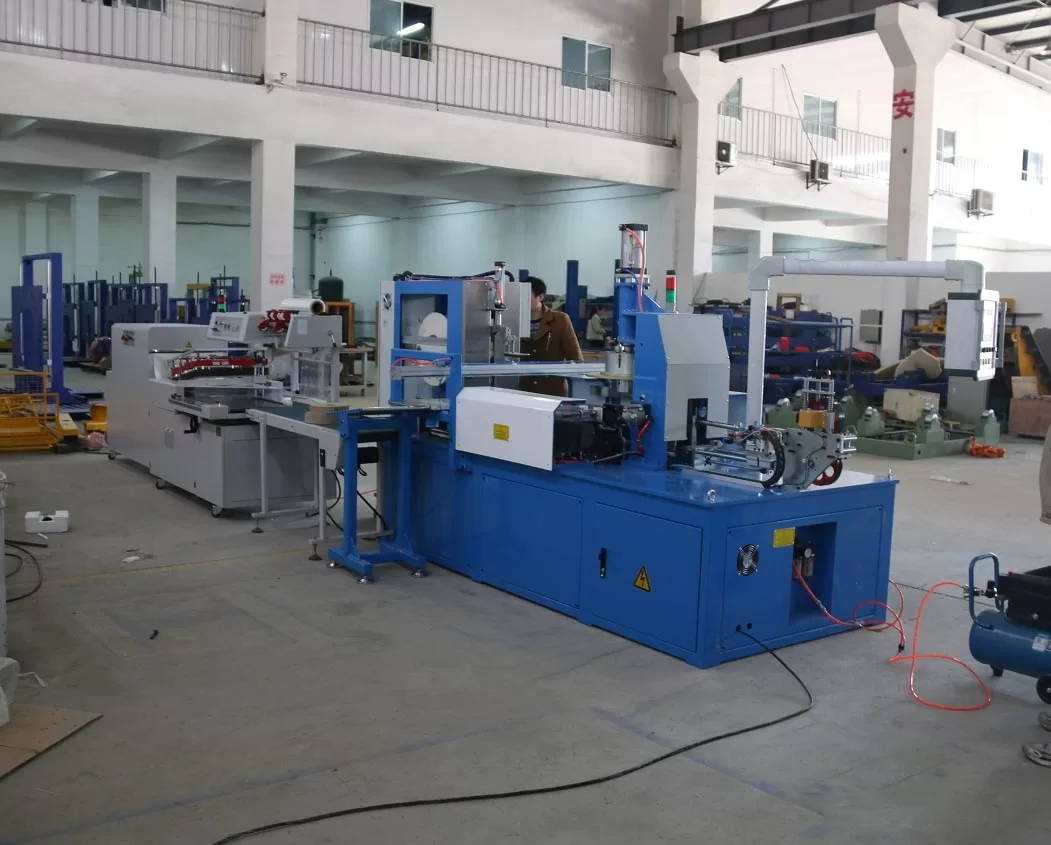
Automated steel wire processing systems can present several safety hazards if not properly designed and maintained. It’s crucial to implement comprehensive safety measures to protect workers and prevent accidents.
Safety measures include machine guarding, emergency stop buttons, safety interlocks, and proper training. Regular inspections and maintenance are also essential to ensure that the automated system operates safely. Additionally, implementing a lockout/tagout procedure is important for preventing accidental startup during maintenance or repair. These measures help create a safer working environment for all personnel involved in the automated steel wire coiling and binding process.
Automated steel wire processing systems are changing our world.
Conclusion
Automating offline steel wire coiling and binding can significantly improve efficiency and reduce labor costs. By understanding the capabilities of automatic coiling machines, integrating wire binding machines, and incorporating wire payoff systems, businesses can streamline their operations. Always prioritize safety by implementing appropriate measures and training for workers. Embracing these techniques paves the way for more productive and safer steel wire handling processes.








