
How to Improve Steel Wire Strapping Machine Efficiency in Low-Cost Operations?
Steel wire strapping machines are essential for securing materials, but maximizing their efficiency in low-cost operations requires a strategic approach. Discover practical tips to streamline your strapping process without breaking the bank.
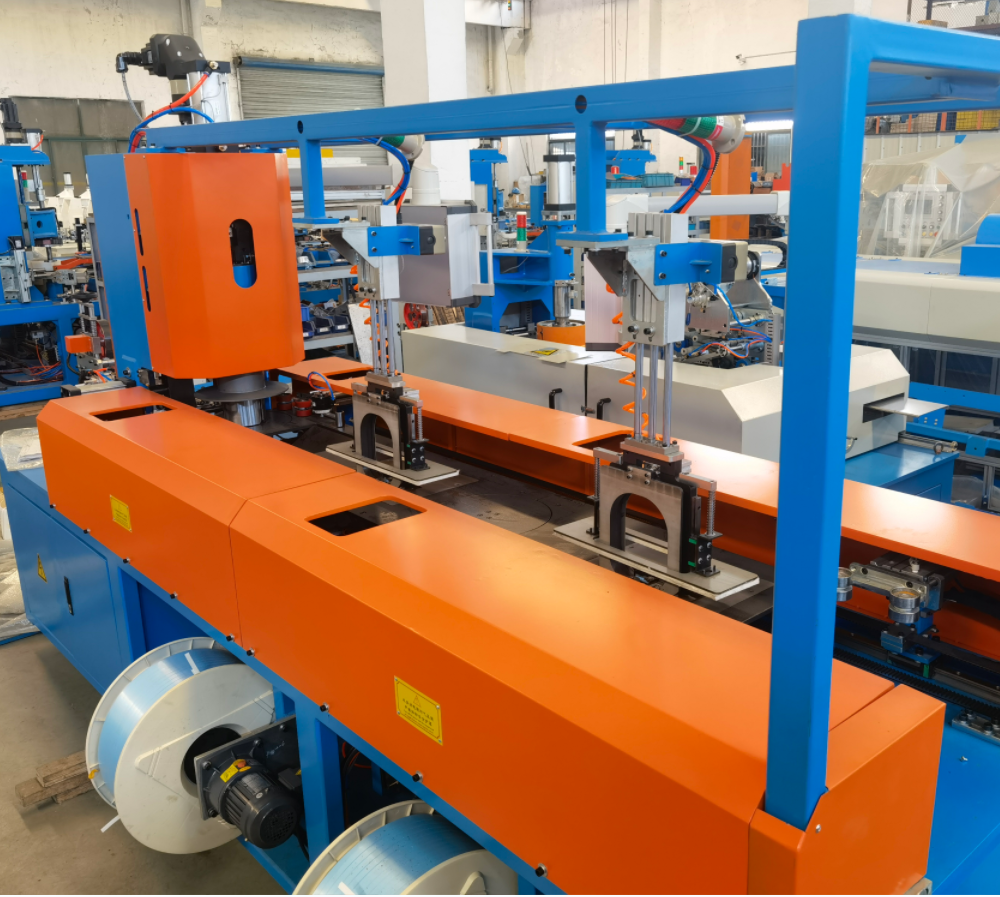
To improve steel wire strapping machine efficiency in low-cost operations, focus on preventative maintenance, operator training, and optimizing material usage. Regular maintenance minimizes downtime, proper training ensures correct operation, and efficient material use reduces waste, all contributing to cost savings and increased productivity.
Ready to revolutionize your steel wire strapping process? Let’s dive into the actionable strategies that can transform your low-cost operation into a high-efficiency powerhouse.
1. Optimizing Preventative Maintenance for Steel Wire Strapping Machines
Leading paragraph:Preventative maintenance is crucial for steel wire strapping machines. Consistent upkeep reduces unexpected breakdowns and downtime, ensuring smooth and efficient Steel wire strapping machine efficiency.
Snippet paragraph: Optimize preventative maintenance by creating a schedule based on manufacturer guidelines, performing daily inspections, lubricating moving parts regularly, and training staff to identify and address potential issues early. These measures extend machine life, reduce repair costs, and ensure consistent performance.

Deep Dive: Tailoring Maintenance to Your Operation
Effective preventative maintenance goes beyond generic schedules. It requires a deep understanding of your machine’s usage patterns and the specific demands of your low-cost operations. Consider the following aspects to fine-tune your maintenance strategy:
1.1 Understanding Machine Usage Patterns
- Frequency of Use: Machines used more frequently require more frequent maintenance.
- Load Types: Heavier loads place more stress on the machine, necessitating more rigorous inspection and lubrication.
- Environmental Conditions: Dusty or humid environments can accelerate wear and tear, requiring more frequent cleaning and component checks.
1.2 Creating a Customized Maintenance Schedule
Develop a maintenance schedule that addresses your specific needs. Here’s an example of what that might look like:
| Task | Frequency | Description | Benefits |
|---|---|---|---|
| Visual Inspection | Daily | Check for loose parts, damaged components, and unusual wear. | Early detection of potential problems, preventing major breakdowns. |
| Lubrication | Weekly | Apply lubricant to all moving parts as per manufacturer’s recommendations. | Reduces friction, extends component life, and ensures smooth operation. |
| Cleaning | Monthly | Remove dust, debris, and buildup from all machine parts. | Prevents overheating and ensures proper function. |
| Component Inspection | Quarterly | Inspect belts, gears, and other critical components for wear and replace as needed. | Prevents unexpected failures and ensures optimal machine performance. |
| Professional Servicing | Annually | Schedule a professional service to perform a thorough inspection and maintenance. | Ensures that all components are in good working order and that the machine is operating efficiently. |
1.3 Leveraging Technology for Predictive Maintenance
Consider integrating technology for predictive maintenance:
- Sensors: Install sensors to monitor vibration, temperature, and other key parameters.
- Data Analysis: Use data analytics to identify trends and predict potential failures.
- Automated Alerts: Set up automated alerts to notify maintenance personnel of potential issues.
By customizing your maintenance schedule and incorporating technology, you can optimize machine performance, extend its lifespan, and reduce downtime.
2. Mastering Operator Training for Enhanced Steel Wire Strapping Efficiency
Leading paragraph: Proper operator training is vital for safety and efficiency. Well-trained operators minimize errors, reduce material waste, and ensure machine runs smoothly, resulting in more productivity.
Snippet paragraph: Enhance steel wire strapping machine efficiency by providing comprehensive operator training. Cover machine operation, safety protocols, troubleshooting common issues, and preventative maintenance. Well-trained operators make fewer errors, reduce downtime, and optimize productivity.

Deep Dive: Elevating Operator Skills Through Targeted Training
Beyond basic operation, comprehensive training can significantly boost operator proficiency and machine efficiency. Let’s explore the critical elements of advanced operator training:
2.1 Essential Training Modules
- Machine Operation Basics: Focus on understanding the machine’s controls, settings, and basic functions.
- Safety Protocols: Emphasize safety procedures, emergency stop mechanisms, and the importance of personal protective equipment (PPE).
- Material Handling: Educate operators on proper loading and unloading techniques to prevent damage to the materials and the machine.
- Troubleshooting: Teach operators how to identify and resolve common issues, such as strap jams, tension problems, and sensor errors.
- Preventative Maintenance: Train operators to perform routine maintenance tasks, such as lubrication, cleaning, and visual inspections.
2.2 Customizing Training for Specific Needs
Consider these factors when customizing training programs:
- Experience Levels: Tailor training to the experience level of the operators. Novice operators require more in-depth instruction, while experienced operators can benefit from refresher courses and advanced troubleshooting techniques.
- Machine Models: Design training modules that are specific to the models used in your operation. Each model may have unique features and operational nuances.
- Material Types: Adjust training based on the different types of steel wire being strapped. Different materials may require different tension settings and handling techniques.
2.3 Leveraging Technology for Effective Training
- Simulators: Utilize virtual reality (VR) or augmented reality (AR) simulators to provide hands-on training in a safe and controlled environment.
- Online Training Platforms: Offer online training modules that operators can access anytime, anywhere. Include interactive elements, such as quizzes and simulations, to enhance engagement.
- Video Tutorials: Create video tutorials that demonstrate proper operating procedures, maintenance tasks, and troubleshooting techniques.
3. Optimizing Material Usage for Cost Savings
Leading paragraph: Efficient material usage is critical for cutting costs. Reducing waste and using optimal strap lengths are key to maximizing material efficiency for strapping operations.
Snippet paragraph: Optimize steel wire strapping machine efficiency by minimizing material waste and using optimal strap lengths. Implement procedures for reusing scrap material, adjusting tension settings to prevent breakage, and purchasing straps in bulk to reduce costs. This will significantly improve productivity.

Deep Dive: Implementing Strategies for Economical Material Usage
Reducing material waste is not only environmentally responsible but also crucial for achieving cost savings in steel wire strapping operations. A multi-faceted approach is required, combining meticulous planning with effective operational practices.
3.1 Strategies for Minimizing Material Waste
| Strategy | Description | Benefits |
|---|---|---|
| Precise Strap Lengths | Implement automated systems or manual guidelines to ensure strap lengths are perfectly matched to coil dimensions. | Significantly reduces excess strap usage; ensures each coil receives adequate but not excessive material. |
| Optimized Tension | Carefully calibrate and monitor tension settings on strapping machines to avoid over-tensioning, which leads to breakage. | Prevents premature material failure, reducing the need for replacements; maintains coil integrity without compromising strap strength. |
| Scrap Material Recovery | Establish procedures for collecting and reusing scrap or cut-off strap pieces whenever possible. | Maximizes the utility of each unit of material, extending its lifecycle; suitable for smaller reinforcement tasks where shorter lengths are sufficient. |
3.2 Implementing Innovative Material Handling
Explore advanced methods to further refine your material management:
- Sensor-Driven Adjustments: Integrate sensors that automatically adjust strap feed based on coil size and shape.
- Bulk Purchasing: Secure straps in bulk to lower the unit cost, but balance this with storage considerations to avoid degradation.
- Just-In-Time Delivery: Coordinate with suppliers to deliver materials precisely when they are needed, minimizing storage time and space.
3.3 Practical Examples of Material Optimization
Here are some real-world scenarios where material optimization yields substantial benefits:
- Adjusting Tension for Delicate Coils: In a steel wire processing plant handling both robust and delicate coils, adjustments in tension settings resulted in a 15% reduction in strap breakage.
- Customizing Strap Lengths for Variable Sizes: A manufacturer who tailored strap lengths to fit various coil sizes reduced overall material waste by 10%.
- Recycling Strategy: By actively recycling strapping material, a plant managed to decrease its annual material expenses by 8%.
4. Integrating Automation to Enhance Efficiency

In low-cost operations, integrating automation enhances efficiency by reducing manual labor, speeding up processes, and ensuring consistency. Automating key tasks allows for higher throughput and better allocation of resources.
To improve steel wire strapping machine efficiency through automation, focus on implementing robotic arms for coil handling, automated tension control, and integrating the machine with a conveyor system. These measures reduce labor costs, improve cycle times, and ensure consistent performance. Integrating automation can be achieved in steps:
- Implement automatic tension control
- Consider robotic arms for material handling
- Automate feeding and strap cutting
Conclusion
Improving steel wire strapping machine efficiency in low-cost operations requires a multifaceted approach. Focusing on preventative maintenance, comprehensive operator training, and optimized material usage can significantly reduce costs and increase productivity. Embracing these strategies not only ensures smooth operations but also contributes to long-term savings and sustainability.








