
What Are the Key Factors in Evaluating Pipe Bundling Machine Suppliers?
Investing in a pipe bundling machine is a significant decision. Choosing the right supplier is critical to ensuring efficiency, reliability, and long-term value. A well-chosen supplier can streamline your operations and boost your bottom line.
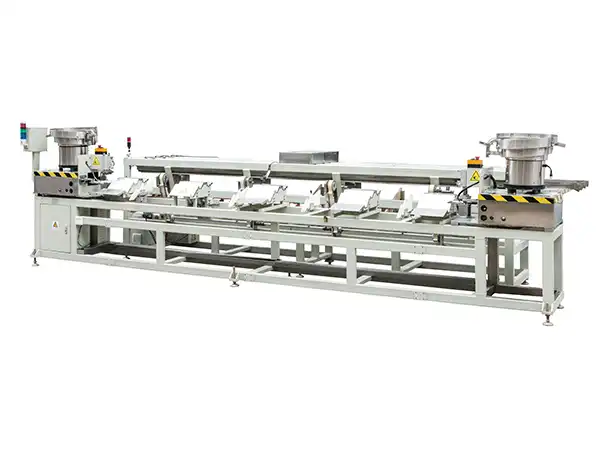
Evaluating pipe bundling machine suppliers involves assessing their experience, product quality, technological capabilities, customer service, and after-sales support. Consider their reputation, warranty offerings, and ability to provide customized solutions tailored to your specific needs. A thorough evaluation ensures a successful partnership.
Selecting the right pipe bundling machine supplier can be daunting. However, focusing on key factors and conducting thorough research will lead you to a partnership that optimizes your production and ensures long-term success. Let’s delve into the crucial aspects to consider.
1: Ensuring Quality Assurance in Pipe Bundling Machine Equipment
Your pipe bundling machine is the backbone of your packaging process. Equipment failure translates directly into production delays and lost revenue. Ensuring quality is the most critical aspect when choosing a supplier.
Quality assurance in pipe bundling machine equipment suppliers means verifying certifications, assessing quality control measures, and scrutinizing adherence to industry standards. Look for suppliers with a proven track record of delivering reliable and high-performance machines. Prioritizing quality minimizes downtime and maximizes your return on investment.
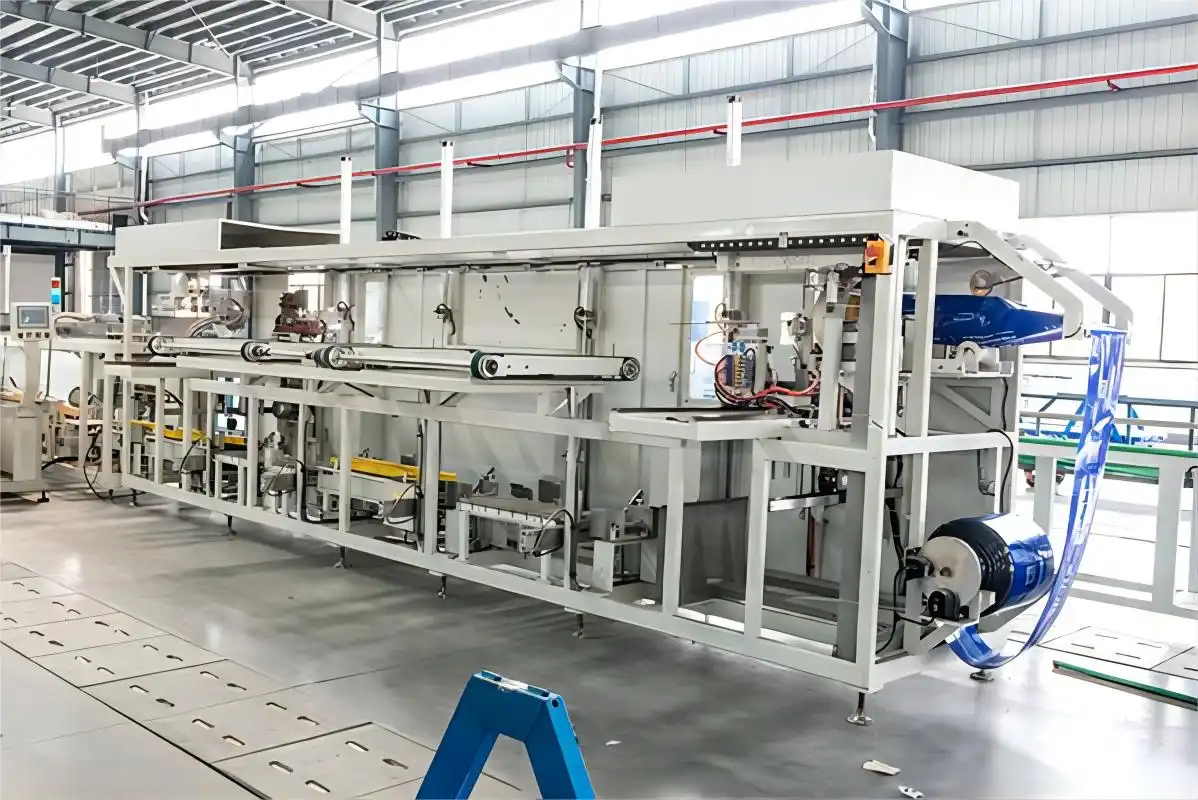
Unpacking the Elements of Robust Quality Assurance
How can you distinguish between a supplier who merely claims quality and one who truly delivers it? It requires a detailed investigation into their processes, certifications, and overall approach. Here’s a breakdown of the critical elements:
Certifications and Standards
Do they possess certifications like ISO 9001 or similar industry-specific standards? These certifications demonstrate a commitment to internationally recognized quality management systems.
Quality Control Processes
What quality control measures are implemented throughout the manufacturing process? Inquire about inspection protocols, testing procedures, and documentation practices. Rigorous QC at each stage is crucial.
Materials and Components
Are they utilizing high-quality, industry-standard materials? The use of substandard materials can lead to premature failure and costly downtime. Insist on transparency regarding material sourcing.
Manufacturing Processes
Are their manufacturing processes well-defined, controlled, and consistently applied? Seek evidence of process optimization and continuous improvement initiatives. This ensures consistency and reliability.
To illustrate the significance of these elements, let’s compare two hypothetical suppliers:
| Quality Assurance Element | Supplier A | Supplier B |
|---|---|---|
| Certifications | ISO 9001 Certified | No Certifications |
| Quality Control Processes | Rigorous testing at each stage | Limited testing, primarily at the end |
| Materials and Components | High-grade, industry-standard | Lower-cost alternatives |
| Manufacturing Processes | Documented, optimized | Informal, ad-hoc |
| Defect Rate | Less than 1% | 5% or higher |
| Customer Complaints (per year) | 2 | 20 |
Supplier A, with a strong focus on quality assurance, is demonstrably the more reliable choice. While Supplier B might offer a lower initial price, the long-term costs associated with higher defect rates, increased maintenance, and potential downtime will likely outweigh any initial savings.
Investing in a supplier with robust quality assurance practices is a strategic decision that minimizes headaches, maximizes ROI, and secures the long-term viability of your pipe bundling operations.
2: Evaluating Technological Capabilities and Customization
The right pipe bundling machine must adapt to your specific needs. Generic solutions often fall short. Customization is key to optimizing performance.
Technological capabilities and customization options involve assessing a supplier’s ability to provide tailored solutions that meet your specific requirements. A capable supplier will offer flexible designs, advanced automation features, and integration capabilities. Prioritizing customization ensures optimal performance and maximizes the value of your investment.
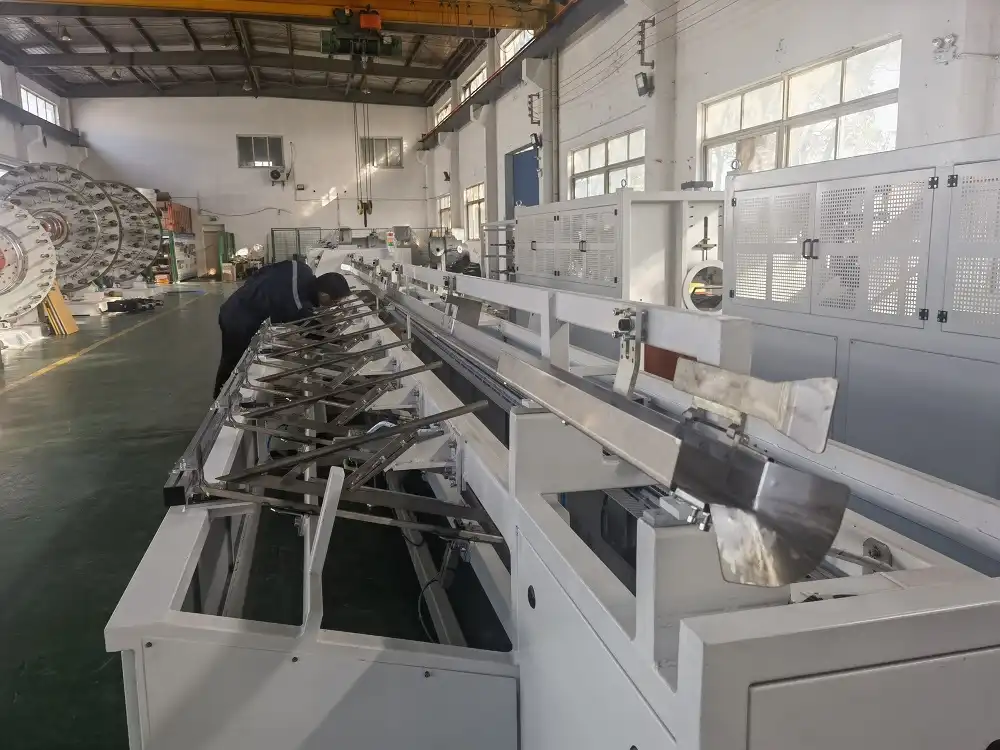
Enhancing Pipe Bundling with Tailored Technology
Beyond standard features, customization enables you to fine-tune your pipe bundling machine to perfectly match your production line and unique product characteristics. Here’s a deeper look at what to consider:
-
Flexibility in Design:
- Can the supplier modify the machine’s dimensions or layout to fit your available space?
- Can they accommodate different pipe sizes, shapes, or materials?
-
Automation Features:
- To what extent can the machine be automated? Can they integrate automated feeding, sorting, or stacking systems?
- Can they provide advanced control systems with programmable logic controllers (PLCs) and human-machine interfaces (HMIs) for enhanced control and monitoring?
-
Integration Capabilities:
- Can the machine be seamlessly integrated with your existing production line?
- Can they provide interfaces for data exchange with your enterprise resource planning (ERP) or manufacturing execution system (MES)?
-
Software and Controls:
- Is the software user-friendly and intuitive?
- Can the supplier provide custom software modules for specific tasks, such as reporting, diagnostics, or remote monitoring?
-
Material Handling:
- Can the supplier customize the material handling system to accommodate different pipe weights, lengths, or fragility levels?
- Can they provide solutions for minimizing material damage during handling and bundling?
-
Safety Features:
- Can they incorporate custom safety features, such as light curtains, emergency stops, or interlocks, to meet your specific safety requirements?
- Do they offer comprehensive safety training and documentation?
Considering these points ensures that your pipe bundling machine isn’t just a purchase, but a customized solution tailored to optimize your operations and maximize efficiency.
3: Assessing After-Sales Support and Service
Downtime is costly. Access to reliable support and readily available spare parts can be the difference between a minor inconvenience and a major crisis.
After-sales support and service involve assessing a supplier’s responsiveness, technical expertise, and the availability of spare parts. A reliable supplier will offer comprehensive support to ensure your equipment operates smoothly and issues are resolved quickly. Prioritizing after-sales support minimizes downtime and maximizes your operational efficiency.
Building a Foundation for Long-Term Partnership
Exceptional after-sales support goes beyond simply fixing problems; it’s about fostering a long-term partnership that ensures your machine operates at peak performance for years to come. Here’s a breakdown of essential elements to evaluate:
Responsiveness and Availability
- Response Time:
- How quickly does the supplier respond to support inquiries or requests?
- Availability:
- Is support available 24/7 or during limited hours?
- Communication Channels:
- Does the supplier offer multiple channels for support, such as phone, email, and online chat?








